Understanding Socket Head Cap Screw Sets: Applications, Benefits & Trends
Socket Head Cap Screw Set: A Small Component With Big Global Impact
If you’ve ever worked in manufacturing, construction, or precision engineering, the socket head cap screw set is a phrase you’ve probably heard tossed around countless times. But it’s not just a technical term locked in a workshop — these screws play a surprisingly crucial role in industries worldwide. From the assembly lines in Germany to remote mining sites in Australia, socket head cap screws keep things tight, reliable, and efficient.
Understanding these fasteners well isn't just for engineers or quality inspectors. It’s about appreciating the little unsung workhorses behind the scenes that keep modern industry moving. Knowing their specs, applications, and innovations can save costs, improve safety, and even underpin innovation in green technology.
Introduction: Why Socket Head Cap Screws Matter Globally
Globally, the industrial fastener market is projected to reach over $110 billion by 2027 (source: Markets & Markets). Socket head cap screws, a vital subset of this market, are preferred in sectors like aerospace, automotive, and electronics because of their superior strength and precise handling. The challenge? Fasteners have to perform under extreme conditions — temperature swings, vibrations, even corrosive environments — without failure.
Oddly enough, while they seem minor, failures in these components cause critical breakdowns and costly downtime worldwide. With sustainability aiming to reduce waste and extend machine lifetimes, choosing the right socket head cap screw sets is more vital than ever.
What Exactly Is a Socket Head Cap Screw Set?
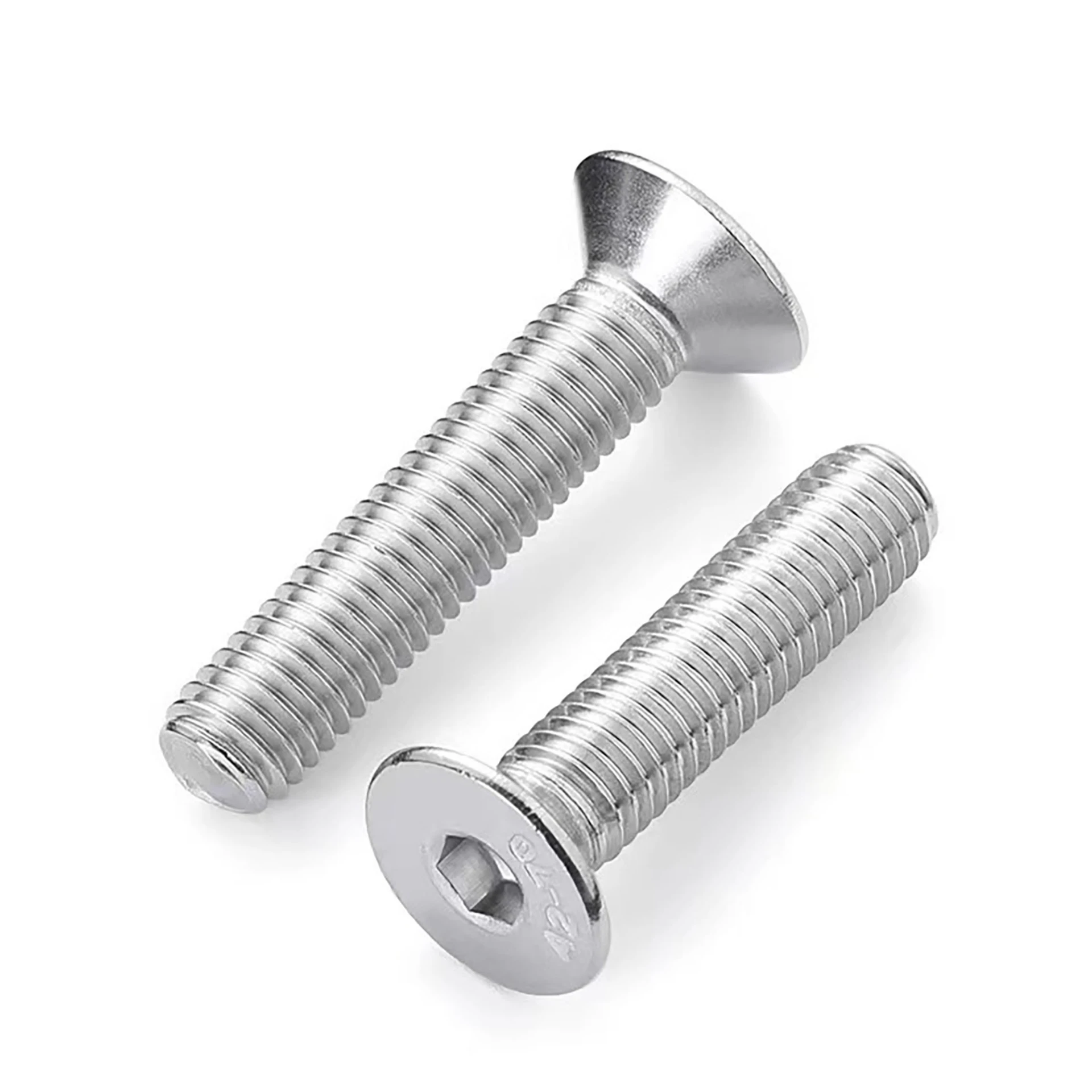
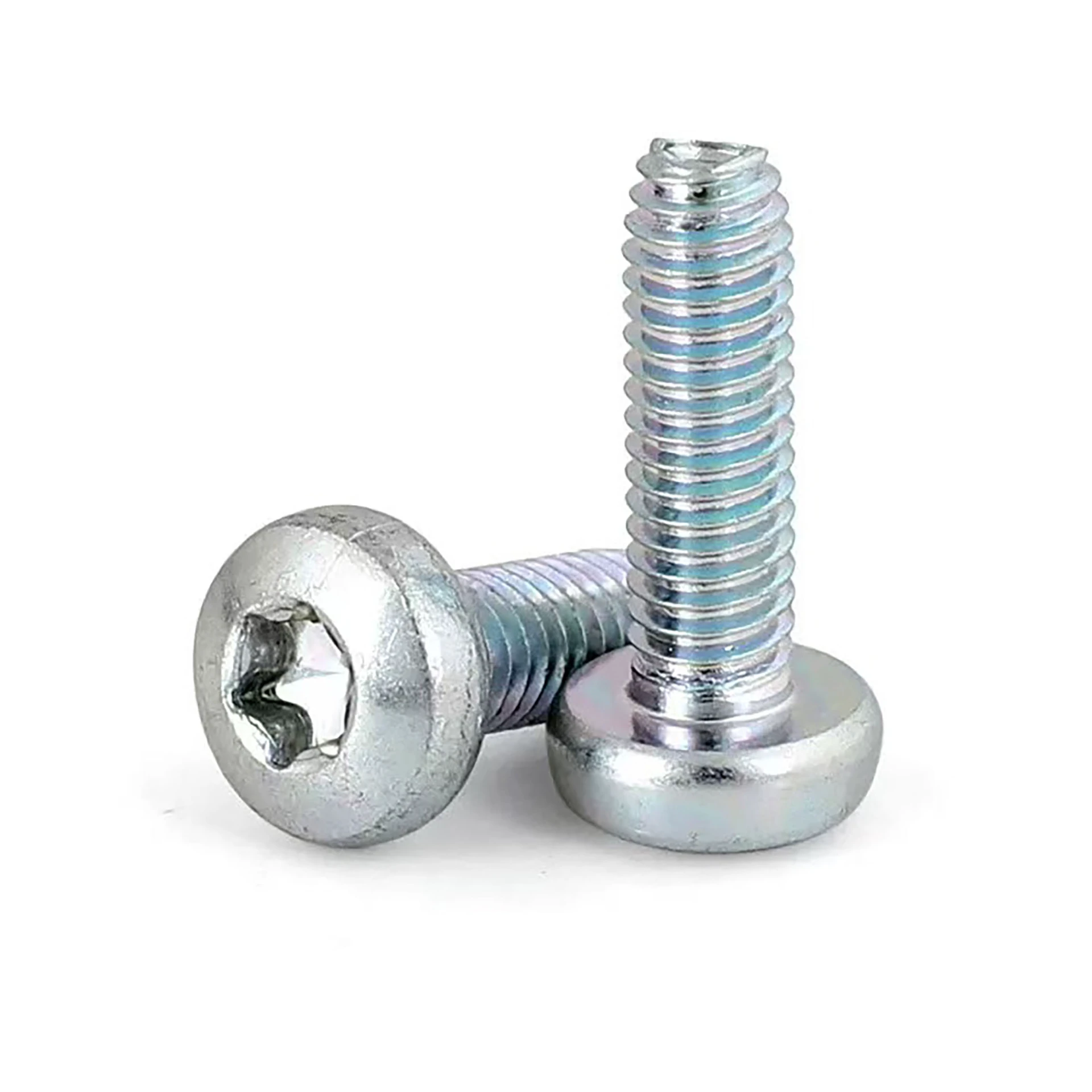
In simpler terms, a socket head cap screw is a type of screw characterized by a cylindrical head and a recessed hexagonal drive. A “set” typically refers to a collection of these screws, often varying in size or length. Unlike regular screws you might find in a household toolbox, these are designed for high-strength applications where precision and durability are key.
They connect parts securely without slipping or damaging materials — critical in industries like robotics, medical devices, and even humanitarian equipment assembly, where reliability literally can mean life or death. You’ll often see them in aerospace screen assemblies, or heavy machinery — they’re the hidden backbone of many technologies.
Key Factors of Socket Head Cap Screw Sets
1. Durability
Most socket head cap screws are made from hardened steel, alloy steel, or stainless steel, giving them exceptional resistance to wear and tear. The material grade often defines their compatibility with corrosive environments or thermal cycling.
2. Precision and Fit
The hex socket allows tools to apply torque without slipping, making assembly faster and less prone to error. This precision also means fewer stripped screws — a huge plus in mission-critical tooling.
3. Size and Scalability
Sizes range from tiny M1.6 screws used in electronics to large diameters for structural connections. The “set” encompasses this range, allowing engineers to pick the exact fit for their design challenge.
4. Cost Efficiency
While high-grade screws cost more upfront, their longevity and reliability tend to reduce total maintenance costs. Furthermore, choosing the right socket head cap screw set can prevent costly equipment replacements.
5. Compliance & Standards
Many manufacturers adhere to international standards like ISO 4762 or DIN 912, ensuring interchangeability and compatibility globally.
Socket Head Cap Screw Set – Product Specifications
| Specification | Details |
|---|---|
| Material | Alloy steel, Stainless steel, Titanium (for aerospace) |
| Head Type | Cylindrical with hex socket drive |
| Grades | 8.8, 10.9, 12.9 (DIN grades) |
| Sizes | M1.6 to M24+ (diameter) |
| Coatings | Zinc, Black oxide, Cadmium, Nickel plating |
| Applications | Automotive, Aerospace, Electronics, Medical devices |
Global Applications and Use Cases
Socket head cap screws might not be headline news, but they’re everywhere — literally holding our world together.
- Aerospace: Lightweight high-strength socket screws secure aircraft panels and engines, often using titanium to reduce weight without compromising safety.
- Medical Devices: Precision screws inside surgical tools and implants must resist corrosion and maintain integrity over time.
- Industrial Machinery: These screws withstand vibration and stress in heavy equipment, from construction cranes to factory robots.
- Electronics: Small sets hold circuit boards and components inside devices, ensuring reliable connections despite frequent handling.
- Renewable Energy: Wind turbine assemblies and solar panel mounts rely on high-grade socket head screws to endure harsh outdoor conditions.
In real terms, this means post-disaster rebuilding efforts, for example, depend on durable fasteners that withstand harsh environments — from tropical storms to desert heat zones. Also, many remote industrial zones rely on a steady supply of quality socket head cap screw sets to keep equipment running smoothly, often where replacement parts aren’t readily available.
Comparing Top Socket Head Cap Screw Vendors
| Manufacturer | Material Options | Standard Compliance | Global Distribution | Notable Sectors |
|---|---|---|---|---|
| FastenBoen | Steel, Stainless, Titanium | ISO 4762, DIN 912 | Worldwide | Automotive, Aerospace |
| HexTech | Alloy Steel, Carbon Steel | ASTM F835 | Europe, Asia | Industrial, Electronics |
| ScrewPro | Stainless Steel Only | ISO 4762 | North America | Medical, Aerospace |
Advantages and Long-Term Value
Socket head cap screws’ obvious strength is in their toughness and lasting power. But beyond that, they contribute to sustainability by reducing maintenance frequency and minimizing waste from failed fasteners.
Plus, picking the right set feels reassuring. There’s trust in a reliable assembly — crucial when something like a span of bridge hinges on each fastener. Innovation in coatings and materials also improves corrosion resistance, extending service life even in marine or industrial environments.
On an emotional level, knowing you’ve employed quality components gives peace of mind regarding safety and performance. Innovation here isn’t just functional, it fuels confidence.
Future Trends and Innovations in Socket Head Cap Screw Sets
The future looks exciting. Non-metallic composite screws are being tested for ultra-light, corrosion-free applications, especially in aerospace. Additionally, digital manufacturing techniques like 3D printing fasteners with custom material blends are emerging.
Sustainability is huge. Expect more green coatings replacing toxic finishes and more screws sourced from recycled metals. Automation in factories also increases demand for exact-fitting, error-proof socket screws compatible with robotic assembly lines.
Challenges and Solutions
The main challenge is often sourcing the correct grade or size quickly – especially in urgent repairs or remote locations. Also, counterfeit or substandard screws can sneak into supply chains, risking failure.
Solutions include better supplier vetting, standardized global certifications, and increased inventory interoperability. Organizations like ISO continue updating guidelines, bolstering trust across industries. I suppose seamless logistics and digital tracking will play bigger roles here too.
Frequently Asked Questions About Socket Head Cap Screw Sets
- What materials are best for socket head cap screws in corrosive environments?
- Stainless steel (especially grades like 316) and titanium are the go-to materials due to their resistance to rust and corrosion, ideal for marine or chemical exposure. Coatings like black oxide also help but don’t replace material choice.
- How do I choose the right size for my application?
- Selecting size depends on load requirements and material thickness. It’s best to consult mechanical engineering charts or manufacturers’ guidelines. Socket screw sets often come in full size ranges to aid precise selection.
- Can socket head cap screw sets be reused?
- Generally, reuse is discouraged in critical applications because repeated assembly can degrade threads and torque grip. However, non-critical uses or properly inspected screws may be reused cautiously.
- Are socket head cap screws compatible with automated assembly?
- Absolutely. Their hex socket design allows for reliable torque application with robotic tools, improving speed and reducing human error in production lines.
- Where can I source reliable socket head cap screw sets?
- Reputable industrial suppliers like FastenBoen offer certified, high-quality sets globally. Always check supplier certifications and customer reviews before bulk buying.
Conclusion: Small Components, Big Influence
In the grand scheme, a socket head cap screw set might seem humble — just tiny metal pieces among giants of machines. But their impact? Enormous. From global industries striving for safety, efficiency, and sustainability to local technicians fixing complex equipment, these fasteners matter.
If you want assembly quality, durability, and cost savings rolled into one, understanding the value of these sets is key. Curious to explore options or upgrade your supply? Visit our website: socket head cap screw set — your partner in precision fastening.
Mini takeaway: Never underestimate the power of a reliable fastener. It’s often the difference between a machine that runs smoothly and one that stops unexpectedly.
References:
1. Wikipedia: Screw
2. ISO 4762: Hexagon socket head cap screws
3. Industrial Fastener Market Report
Who We Are: The Right Fastener Partner for Global SMEs
Handan Boen Fastener Manufacturing Co., Ltd. (Est. 2010) specializes in producing standardized industrial fasteners, including bolts, nuts, washers, and other essential components. We provide cost-effective for small and medium-sized buyers in industries such as automotive parts, agricultural machinery, and construction.