Socket Head Cap Screw Plugs: Essential Protection for Industrial Fasteners
Socket Head Cap Screw Plugs: What They Are and Why They Matter
Socket head cap screw plugs might not be a hot topic in dinner conversations, but in the world of mechanical engineering and manufacturing, they’re quietly indispensable. Essentially, these little components serve as protective caps that fit snugly into socket head screws, sealing off the interior threads from dirt, moisture, and corrosion. This might sound minor, but globally, their usage spans countless industries—from aerospace to infrastructure—preventing costly maintenance and prolonging machinery lifespan. Understanding these parts reveals a fascinating slice of industrial reliability and precision.
Introduction: Socket Head Cap Screw Plugs in Global Industry Context
The global manufacturing landscape increasingly demands components that enhance durability and reduce downtime. According to ISO standards, machine parts that prevent corrosion and contamination directly contribute to safety and operational efficiency worldwide. In fact, mechanical failures cause an estimated 45% of unplanned downtime in industries like automotive and aerospace (source: World Bank). Socket head cap screw plugs address these challenges by protecting fasteners that are often exposed to harsh conditions or wear and tear. Their role might be subtle, but it’s critical in disaster-prone environments, remote industrial zones, and highly regulated sectors.
What Are Socket Head Cap Screw Plugs?
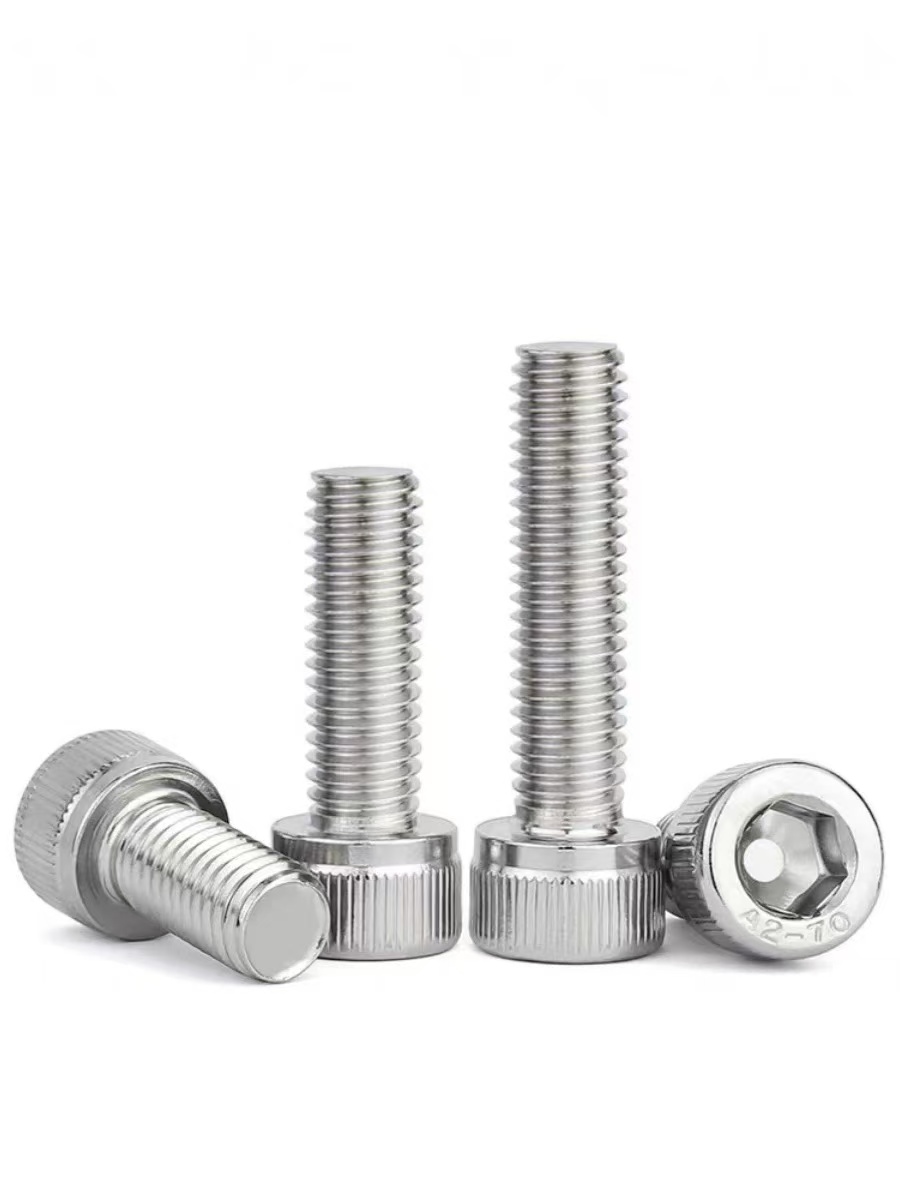
Simply put, socket head cap screw plugs are inserts or caps designed to fit into the bore of socket head cap screws — you know, those hexagonal recessed screws commonly used for mechanical parts requiring precise torque? Their job is to plug that hollow slot, blocking contaminants and preventing the ingress of dirt, oil, or moisture. This is especially crucial where screw heads are exposed to environmental factors or when they need to remain clean for aesthetic or functional reasons.
These plugs tie directly into modern manufacturing needs—durability, cleanliness, and maintenance minimization—which are especially valued in humanitarian infrastructure projects and industrial automation lines alike.
Core Components and Key Aspects of Socket Head Cap Screw Plugs
1. Material Composition
Most plugs are made from materials like stainless steel, brass, or engineered plastics (such as nylon or PTFE). The choice depends on required chemical resistance, temperature tolerance, and mechanical strength. For example, stainless steel plugs withstand corrosive environments well, whereas nylon plugs might be chosen for lightweight or electrical insulation needs.
2. Durability and Corrosion Resistance
Given they’re meant to protect fasteners exposed to harsh settings, durability is paramount. High resistance to rust and chemical degradation translates directly to longer lifespan and reduced maintenance. This is why industries with outdoor or marine equipment favor specialized coatings or stainless alloys in their plugs.
3. Ease of Installation and Replacement
Socket head cap screw plugs generally feature a tapered or press-fit design, allowing quick insertion and removal using hex keys or specialized tools. This usability facilitates speedy maintenance and inspection cycles.
4. Compatibility & Size Variations
These plugs come in a variety of sizes, corresponding with standard socket screw dimensions. Compatibility across different screw grades and thread depths is vital for universal usage.
5. Cost Efficiency
While individually inexpensive, their value lies in preventing bigger costs—like equipment downtime and corrosion damage. Using them proactively often slashes long-term repair bills.
Mini takeaway: Socket head cap screw plugs balance material choice, durability, and ease of use to fulfill their protective mission efficiently.
Product Specifications Snapshot
| Specification | Detail |
|---|---|
| Material Options | Stainless steel, Brass, Nylon, PTFE |
| Temperature Range | -40°C to +200°C (varies by material) |
| Sizes | M3 to M24 (metric) |
| Installation | Hex key (internal hex), press-fit |
| Corrosion Resistance | High (stainless steel), Moderate (brass), Variable (plastics) |
Global Applications & Use Cases
It’s oddly easy to overlook these small parts when you consider the sectors they impact. Socket head cap screw plugs are everywhere, from the assembly lines of automotive factories in Germany to high-tech aerospace manufacturing hubs in the U.S. In remote industrial zones like mining operations in Australia or oil rigs in the North Sea, their protective quality helps withstand gritty, corrosive environments.
Moreover, in humanitarian and infrastructure projects, such as post-disaster relief housing or water treatment plants, ensuring fasteners remain secure and uncontaminated reduces failures—thus protecting human safety. NGOs and governments rely on this small but efficient piece of hardware to guarantee stability under demanding conditions.
They’re also favored in electronics manufacturing, where contamination inside fasteners could lead to shorts or other malfunctions.
Vendor Comparison of Socket Head Cap Screw Plugs
| Vendor | Materials Available | Price Range (per 100 pcs) | Lead Time | Custom Sizes |
|---|---|---|---|---|
| FastenBoen | Stainless steel, nylon | $45–$60 | 1-2 weeks | Yes |
| Screwtech Solutions | Brass, PTFE | $40–$55 | 2-3 weeks | Limited |
| MegaFasteners Inc. | Stainless steel only | $50–$65 | 3-4 weeks | No |
Advantages and The Long-Term Value
The benefits of using socket head cap screw plugs extend beyond the obvious. Cost savings accumulate over time due to reduced corrosion and maintenance frequency. This translates into less downtime and greater product reliability—a win especially in critical infrastructure and safety-sensitive fields.
From an emotional and ethical standpoint, these plugs help maintain safety and dignity. Good maintenance means machinery operates smoothly, workers remain safe, and projects stay on track. It fosters trust between manufacturers and clients because quality and attention to small details speak volumes.
Future Trends & Innovations
Looking ahead, the materials science behind socket head cap screw plugs is evolving. We see growing demand for bio-based plastics and coating technologies that align with green energy standards. Digital transformation also comes into play: smart plugs embedded with sensors to monitor wear or corrosion aren’t sci-fi anymore.
Automation in assembly lines integrates plug installation seamlessly, reducing human error. And regulatory shifts globally encourage sustainable materials—so manufacturers who invest in eco-friendly plug design will likely lead the pack.
Challenges & Practical Solutions
Of course, not everything is perfect. One common issue lies in ensuring perfect fit across all screw sizes — a mismatch can cause seal failure. Also, some cheap plastics crack under extreme conditions or UV exposure. There’s a delicate balance between cost, performance, and environmental friendliness.
Experts suggest standardized testing and certifications mitigate these concerns. Innovations like hybrid materials combining plastic cores with metal coatings offer promising durability. Custom manufacturing and thorough supplier vetting also help maintain consistent quality.
FAQs About Socket Head Cap Screw Plugs
- Q: What is the main purpose of socket head cap screw plugs?
A: They protect fasteners by sealing the socket head from contaminants such as dirt, moisture, and chemicals, which helps prevent corrosion and mechanical failure. - Q: Which industries benefit most from using these plugs?
A: Aerospace, automotive, marine, electronics, and industrial machinery are key sectors that rely heavily on these plugs due to harsh environments or safety requirements. - Q: Can I install socket head cap screw plugs after assembly?
A: Yes, most designs allow easy insertion and removal using standard hex tools, making them suitable for retrofitting or maintenance routines. - Q: How do I choose between metal and plastic plugs?
A: It depends on the application environment: metals offer strength and corrosion resistance for harsh conditions; plastics offer lightweight and insulation but might degrade under UV or extreme heat. - Q: Are custom sizes available for non-standard screws?
A: Yes, many vendors including socket head cap screw plugs suppliers offer custom dimensions to match unique threading or depth requirements.
Conclusion & Call to Action
Socket head cap screw plugs might be humble players in machinery but their impact on longevity, safety, and efficiency is anything but small. Investing in quality plugs means longer-lasting equipment, fewer headaches, and an operational edge in a competitive world. For those looking to explore trusted suppliers and get a closer look at product options, visit https://www.fastenboen.com and discover a range of innovative solutions for every industrial need.
In real terms, safeguarding the tiny fittings protects the entire system—a reminder that sometimes small is mighty.
References
Who We Are: The Right Fastener Partner for Global SMEs
Handan Boen Fastener Manufacturing Co., Ltd. (Est. 2010) specializes in producing standardized industrial fasteners, including bolts, nuts, washers, and other essential components. We provide cost-effective for small and medium-sized buyers in industries such as automotive parts, agricultural machinery, and construction.