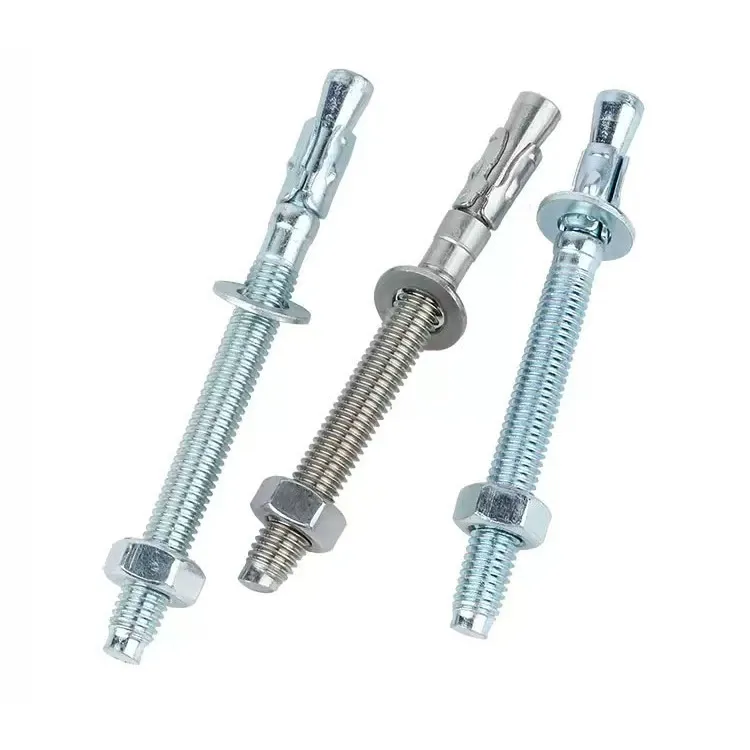
Umbrella Anchor Bolt - Corrosion
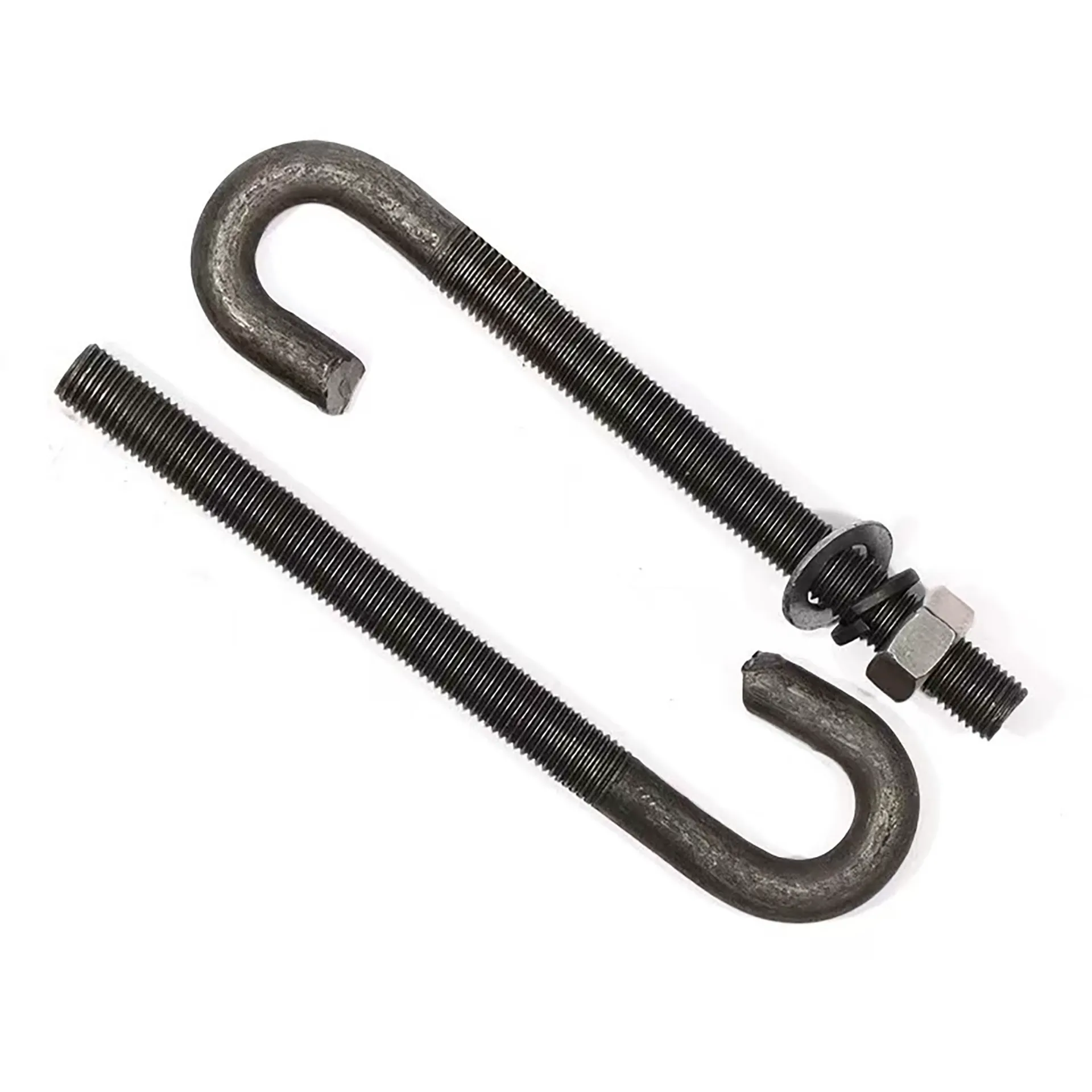
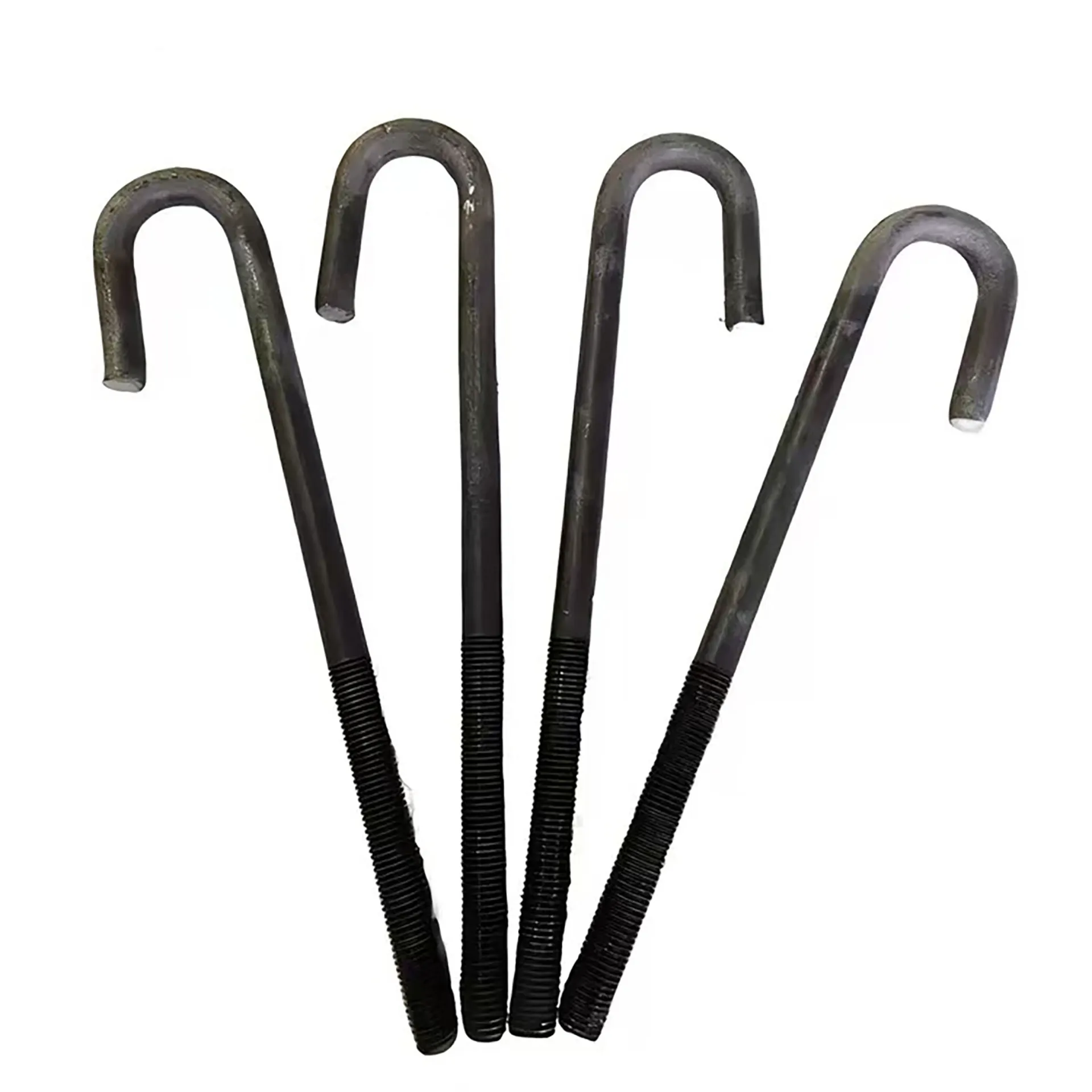
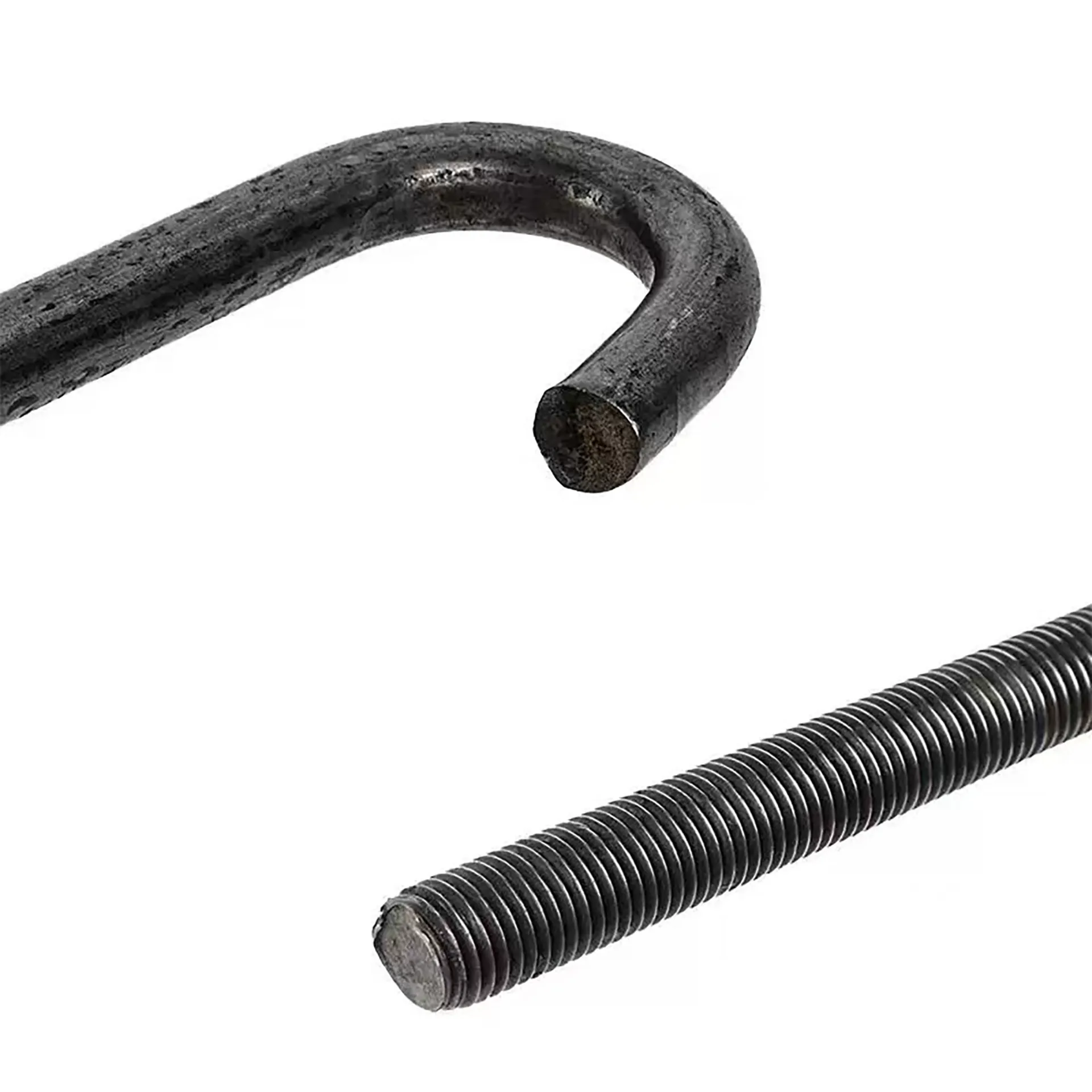
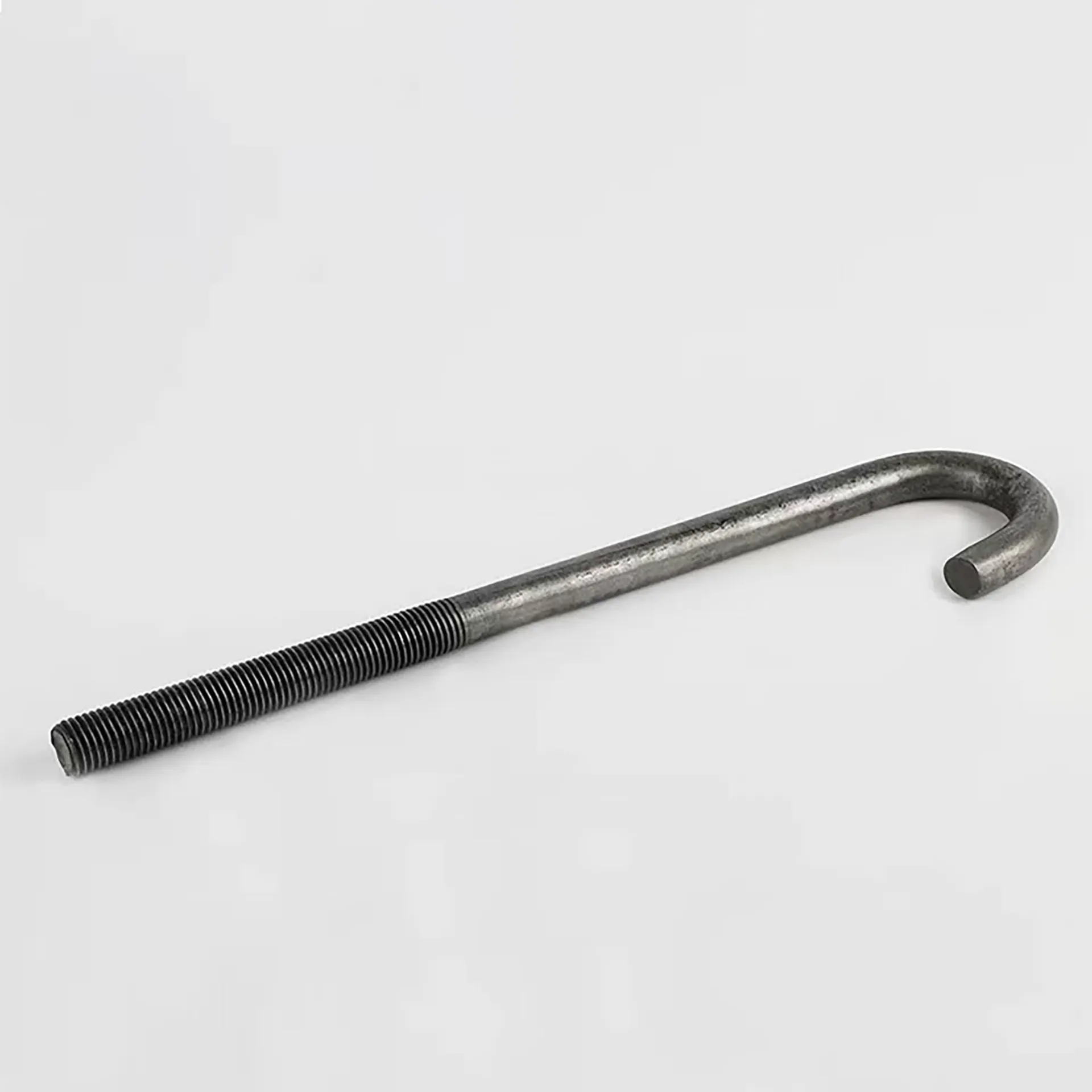
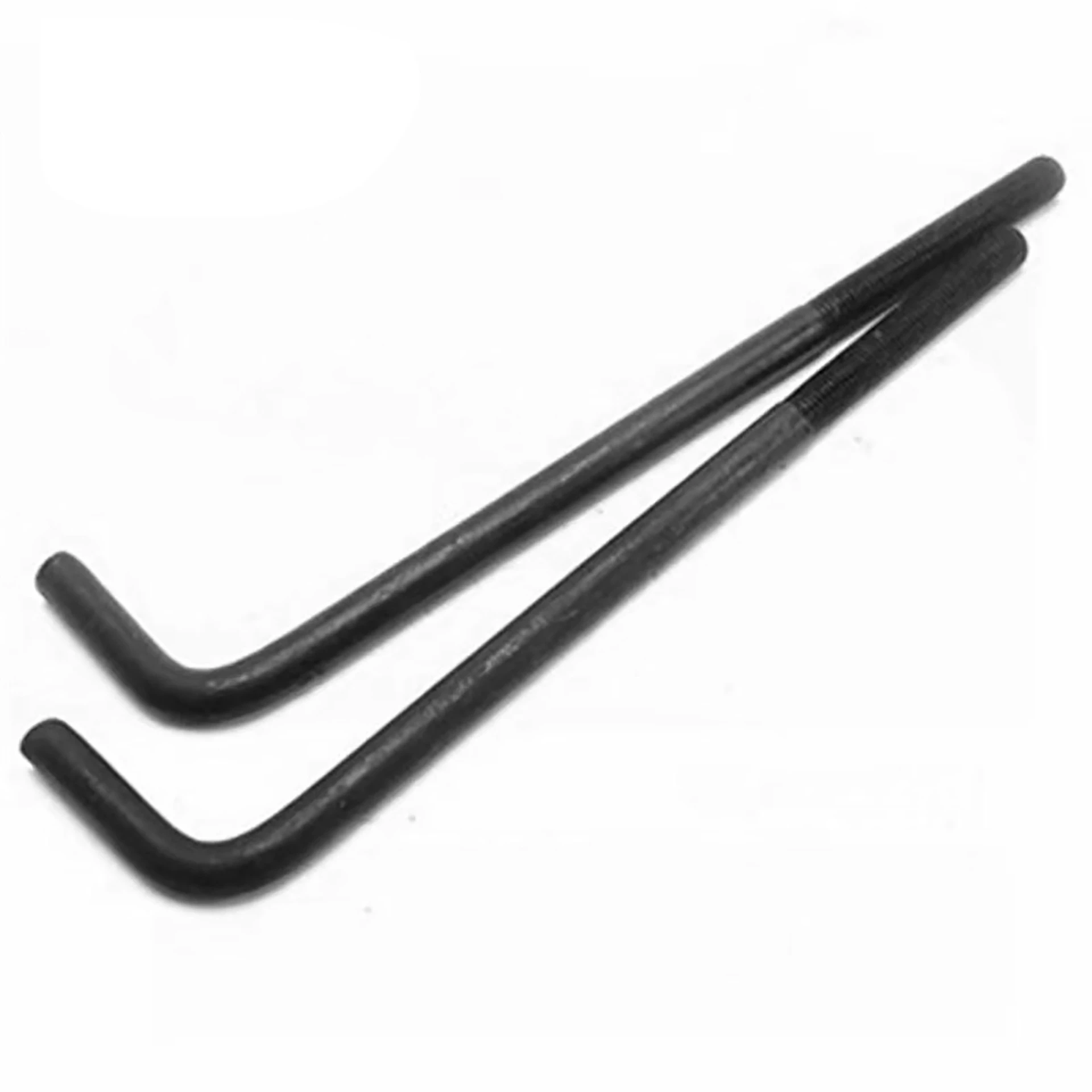
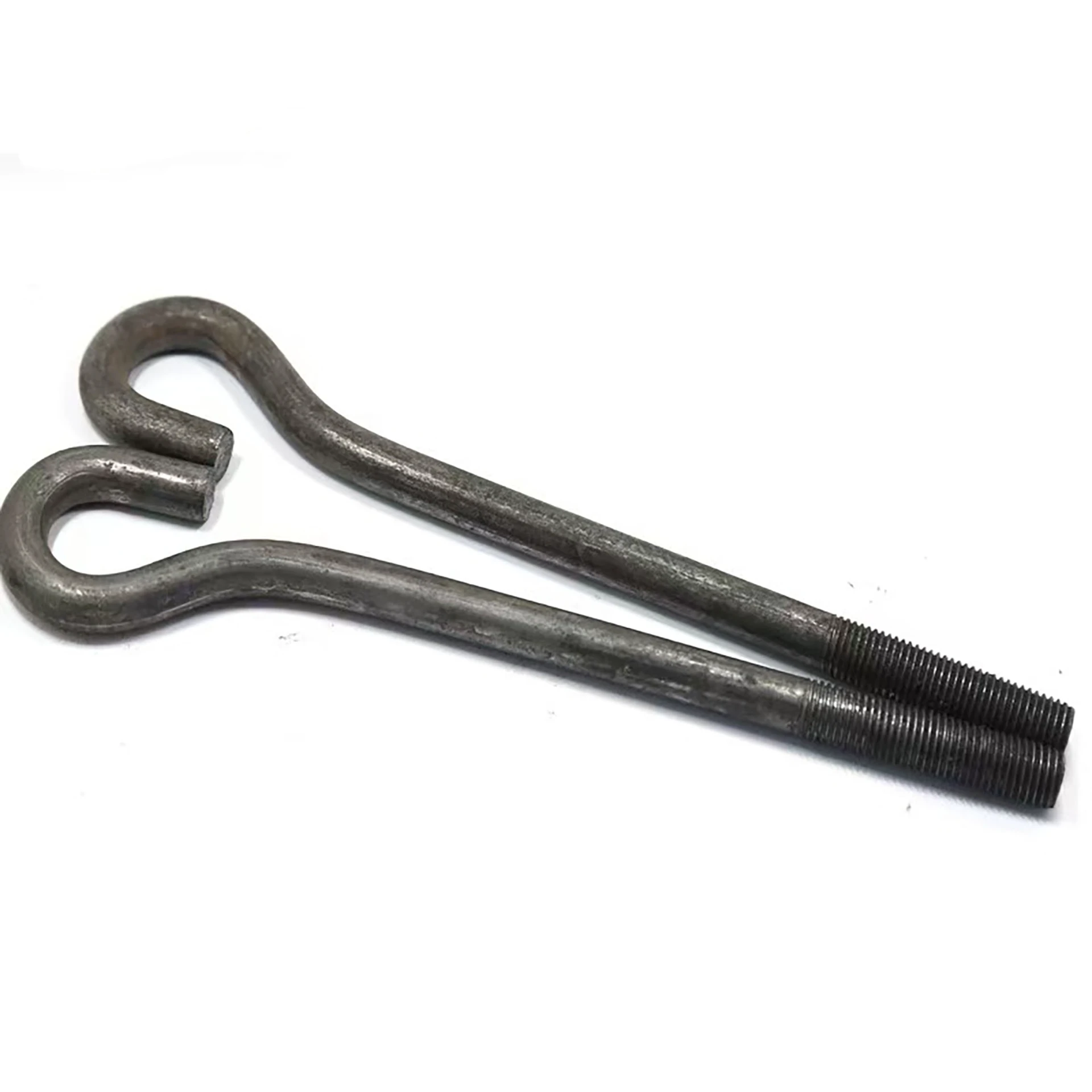
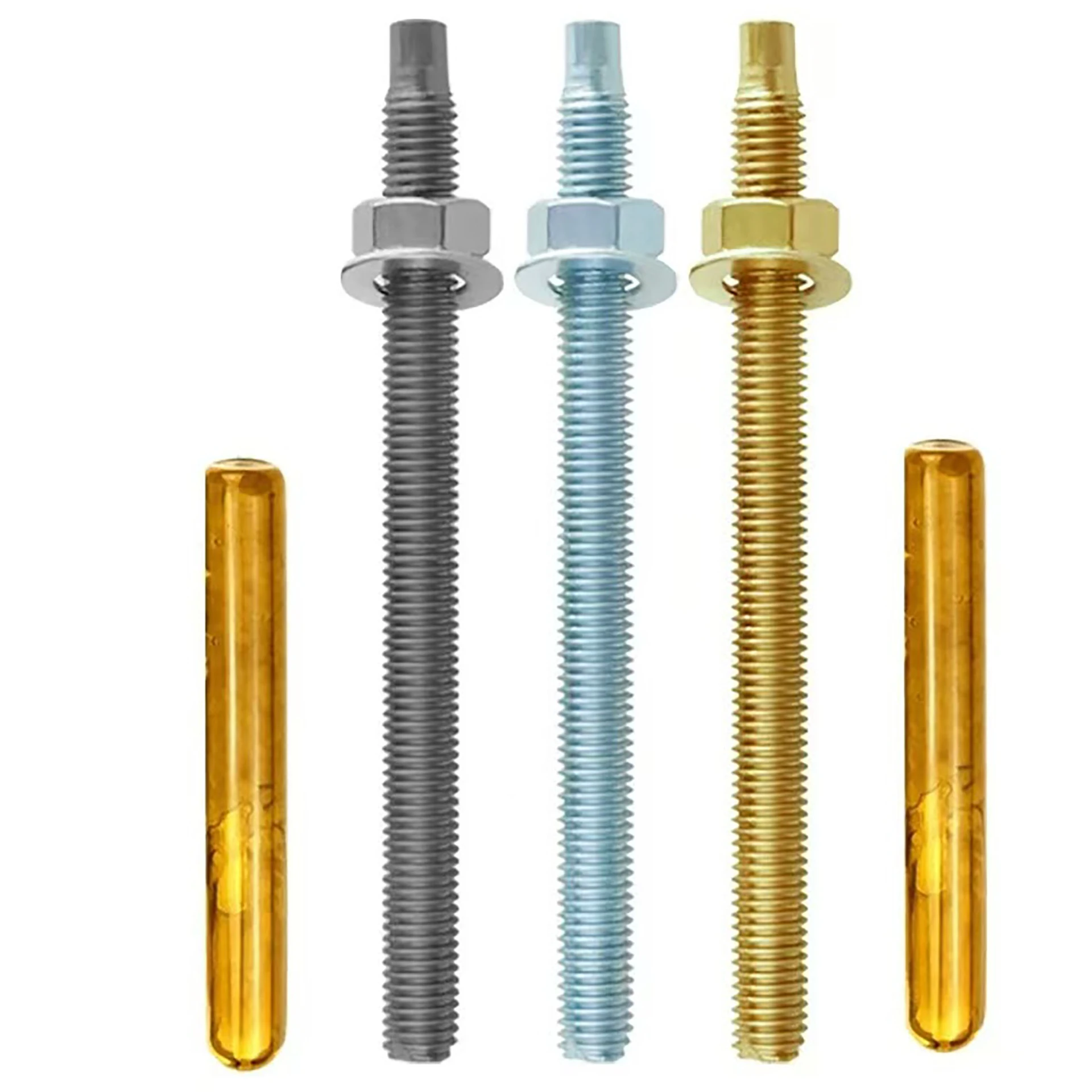
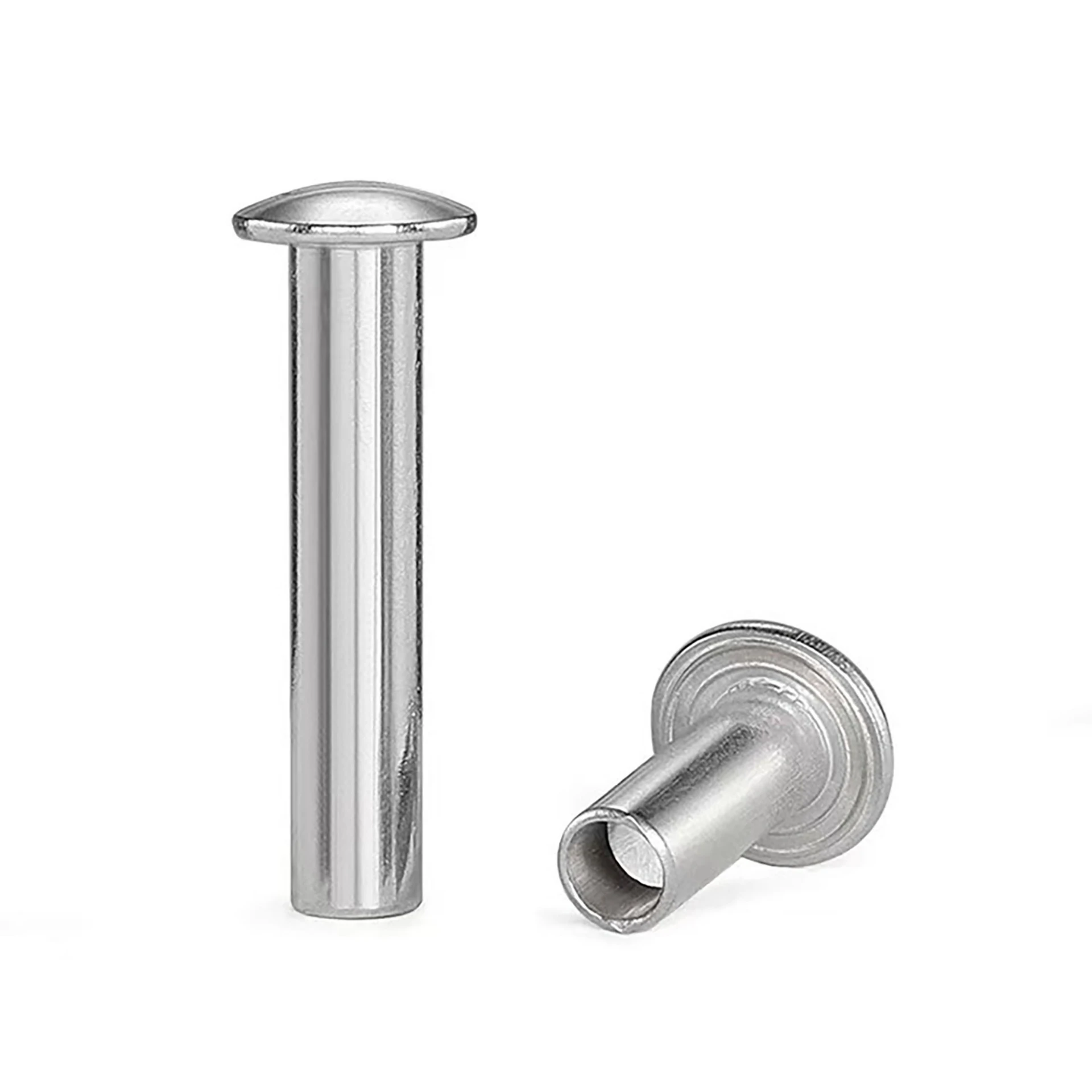
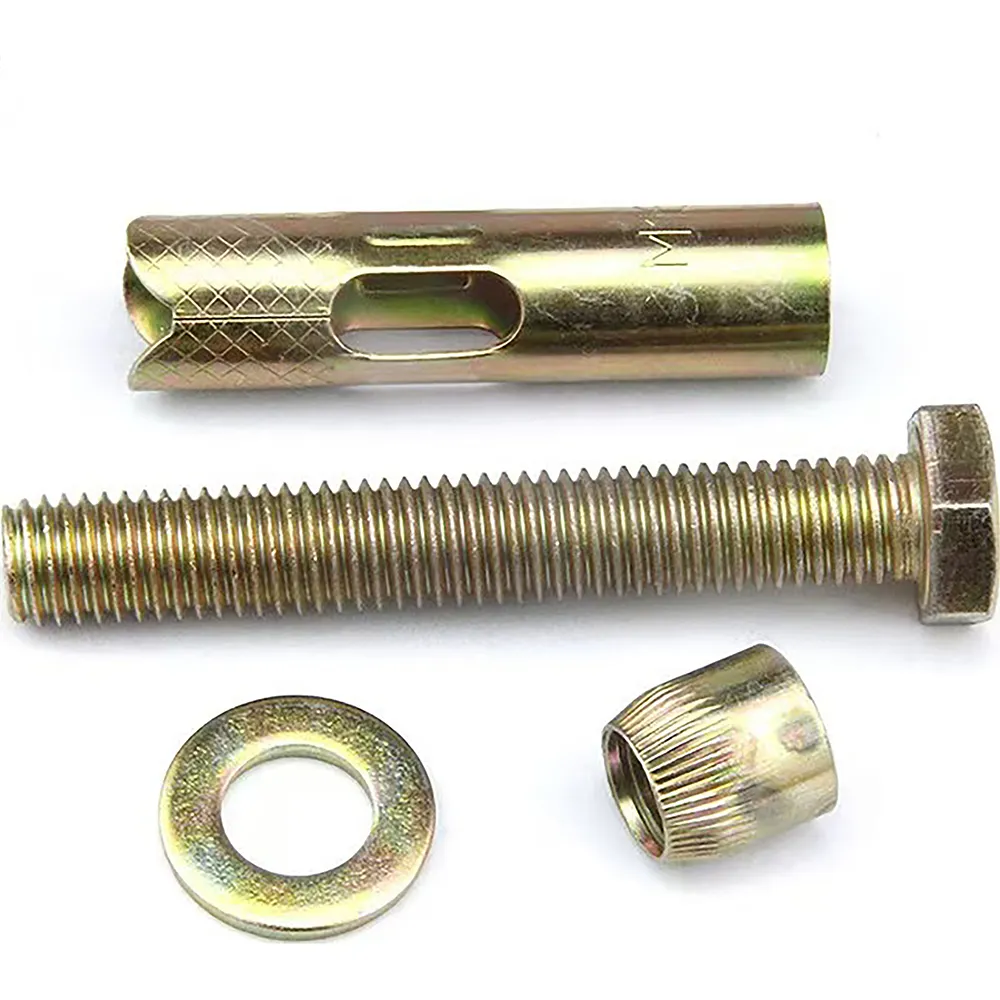
Umbrella Anchor Bolt refers to a type of fastener used to connect an umbrella shaft to a ground base. It typically consists of components such as a threaded rod, nut, and bushing. Specifically:
The threaded rod is a hexagonal pin, which may be either headed or headless.
The nut is a hexagonal fastener used to secure the connection between the threaded rod and the umbrella shaft or ground base.
The bushing is a component designed to prevent the threaded rod from being inserted directly into the umbrella shaft or ground base, ensuring stability and protection.
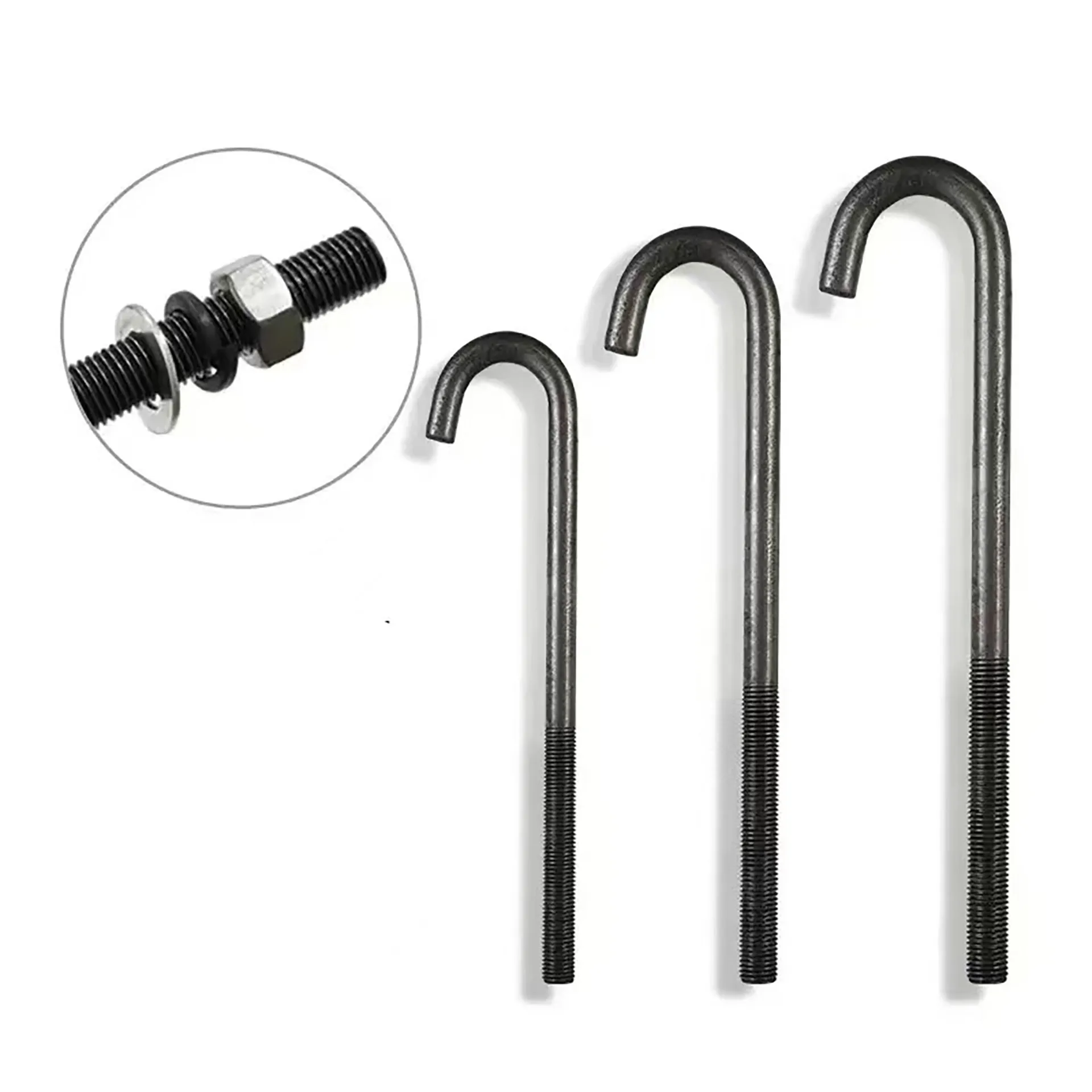
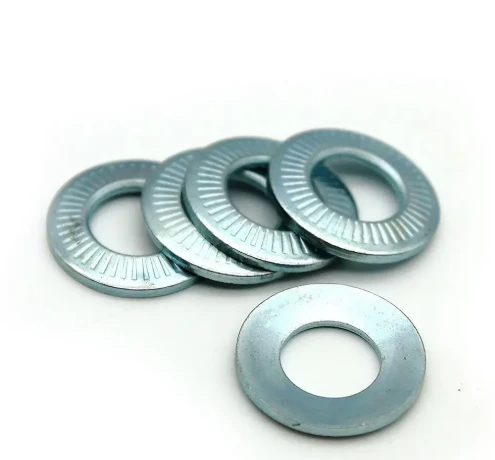
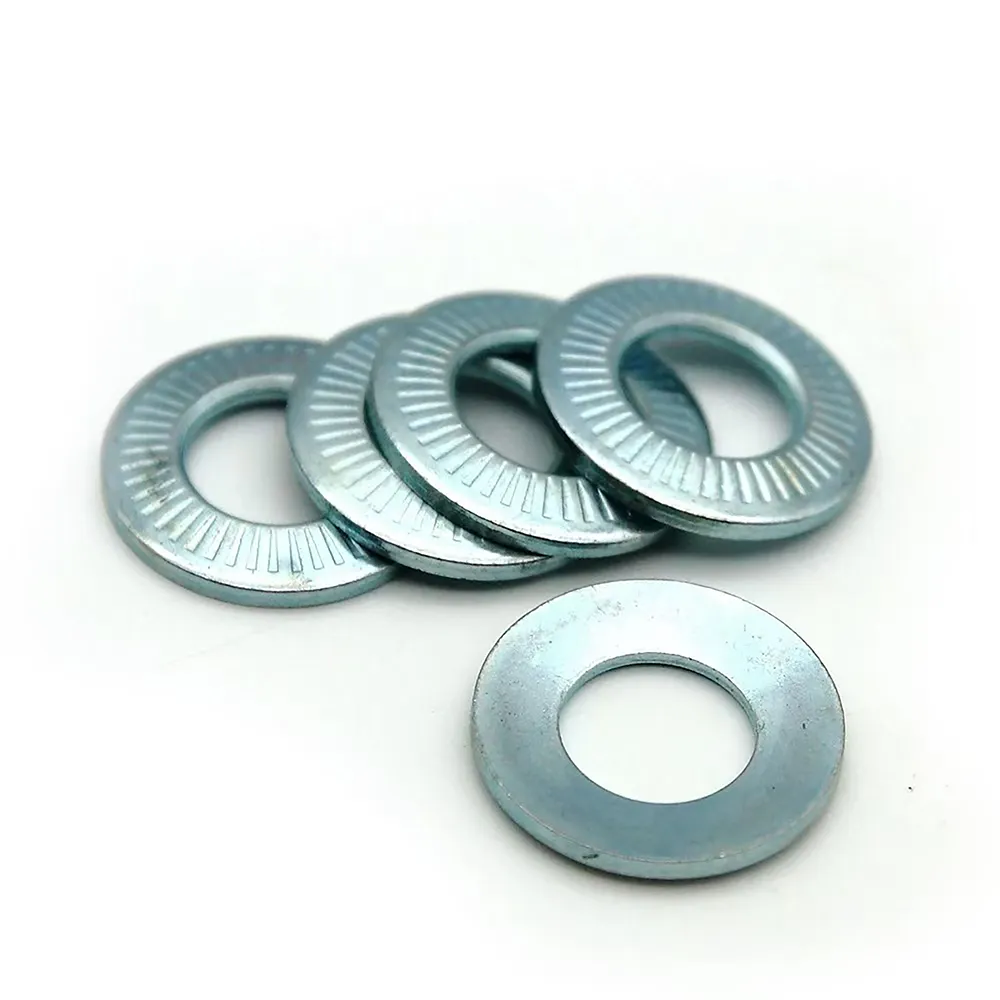
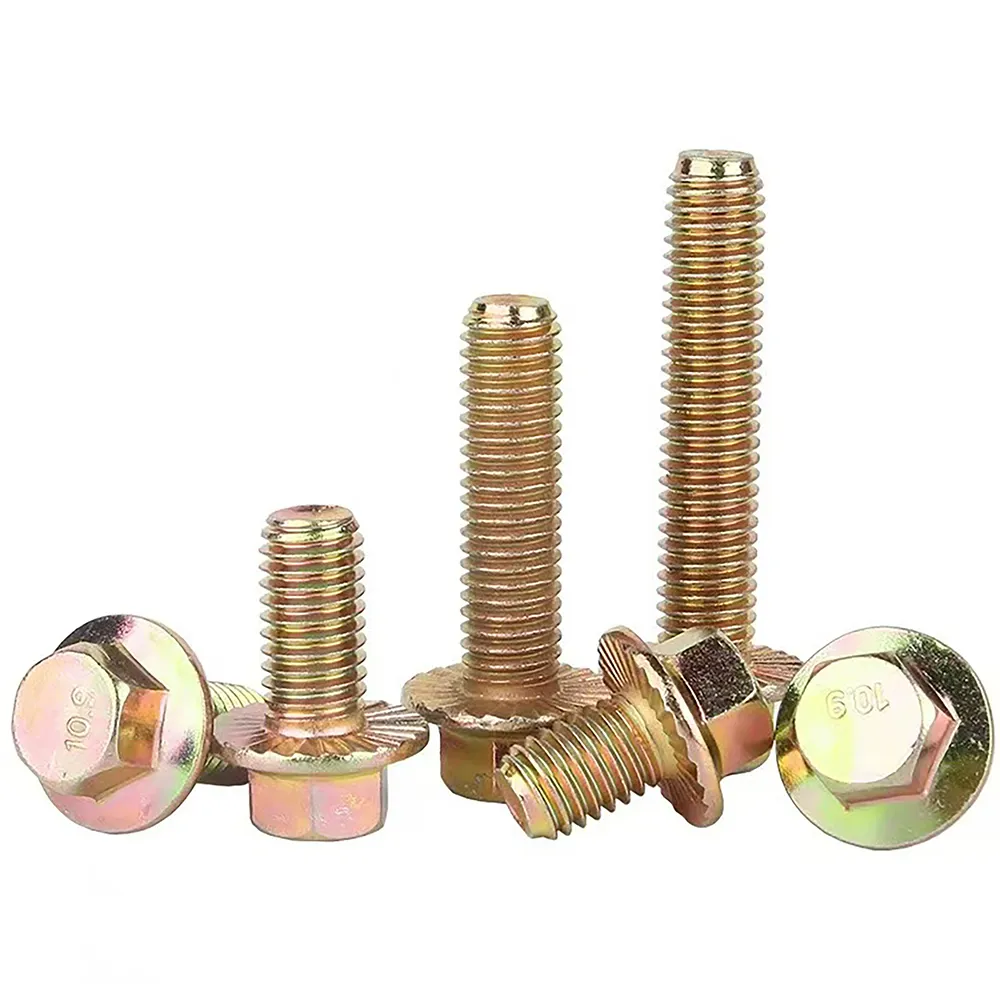
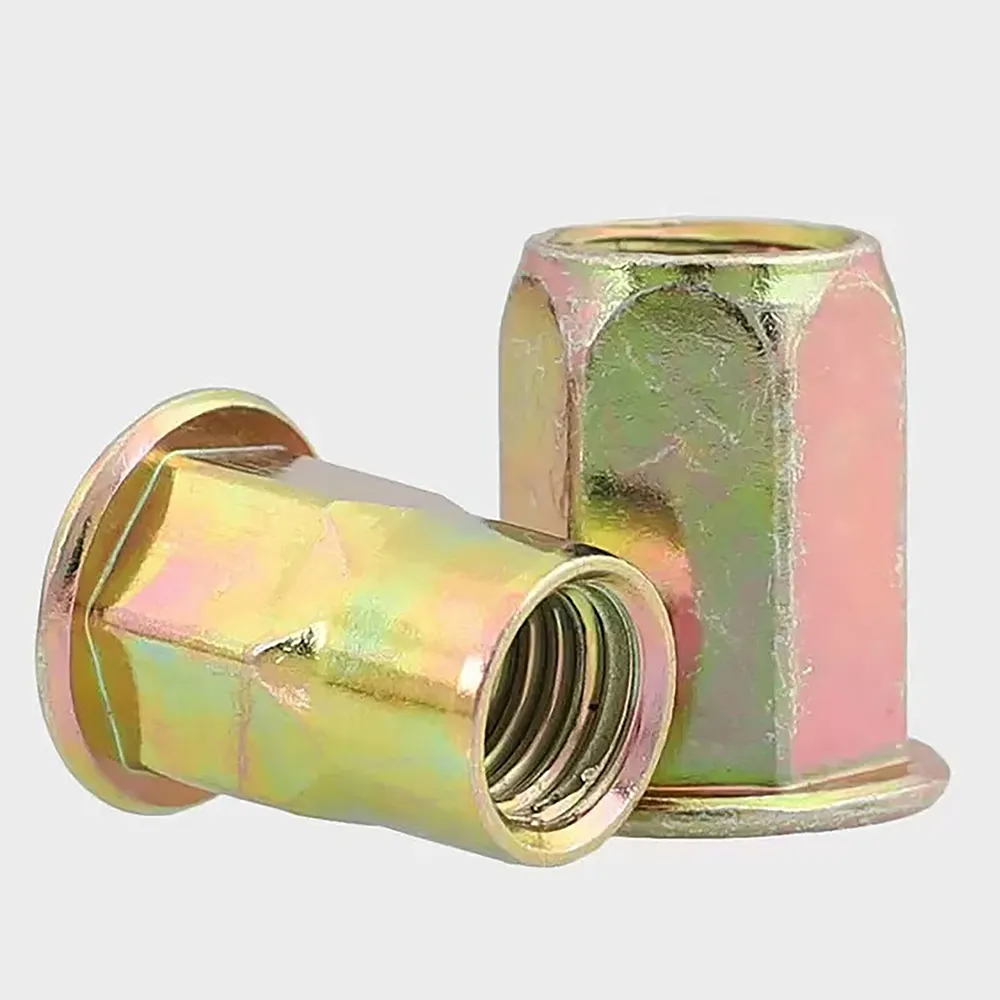
PRODUCT DISPLAY
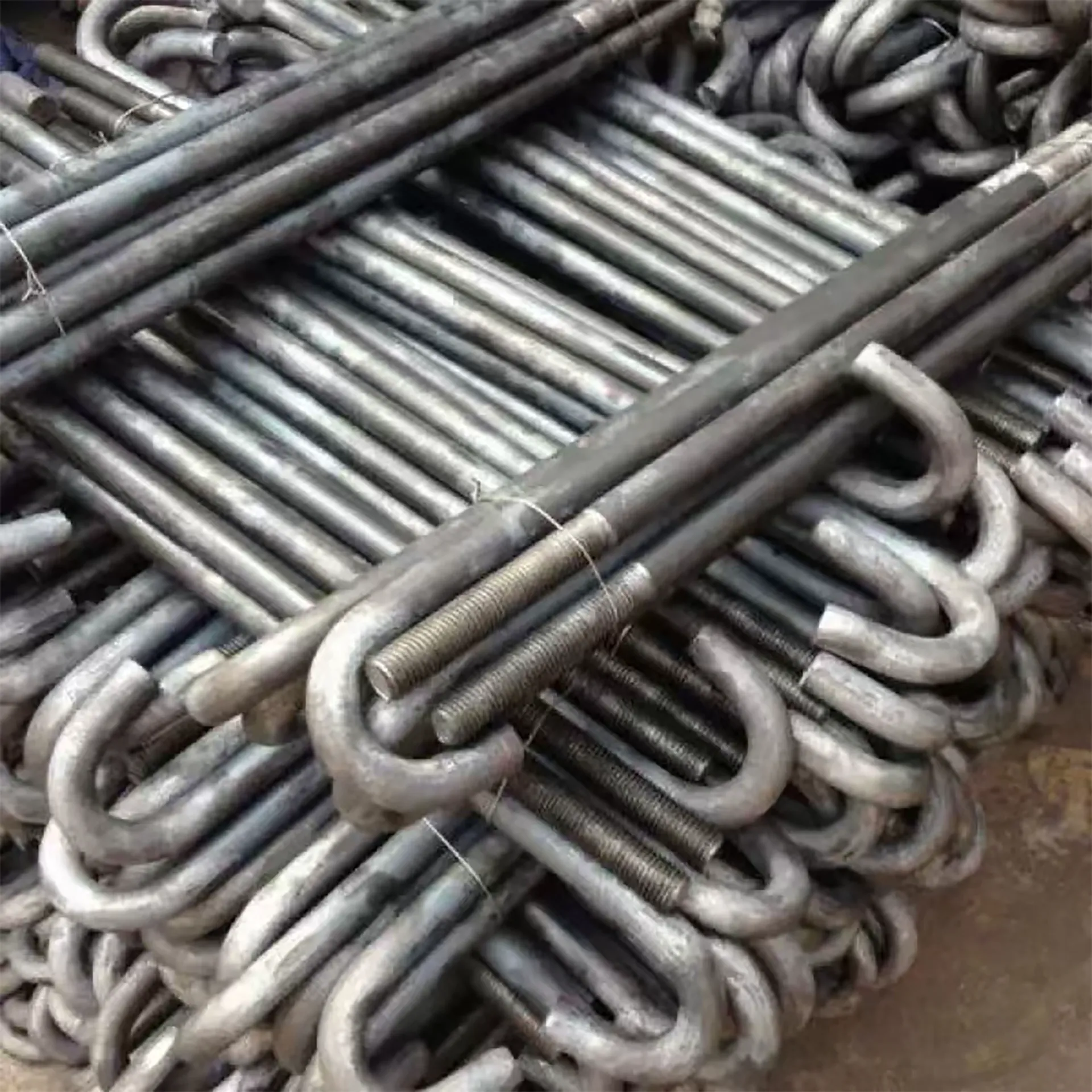
Features of Umbrella Anchor Bolts
Material: Umbrella anchor bolts are typically made of stainless steel, offering excellent corrosion resistance, wear resistance, and high strength.
Specifications & Models: These bolts are available in diverse specifications and sizes, allowing selection based on specific fixing requirements.
Easy Installation & Removal: Umbrella anchor bolts can be easily installed and dismantled using standard tools, enabling quick tightening and removal.
High Stability: The bolt’s tightly integrated connection structure ensures robust stability and seismic resistance, guaranteeing a secure linkage between the umbrella shaft and ground base.
Key Applications:
Outdoor Umbrellas & Sunshades
Fixing large market umbrellas, patio sunshades, and beach umbrellas to withstand wind loads.
Temporary Structures
Anchoring canopy tents, marquees, exhibition booths, and festival stalls to ensure stability.
Agricultural & Horticultural Equipment
Securing greenhouse frames, shade nets, and irrigation system supports.
Reliable After-Sales Support
Swift resolution for all technical issues & product inquiries.
20+ Years of Global Export Expertise
Proven experience in international logistics & compliance.
Detailed Product Specifications On Request
Customizable spec sheets for informed purchasing decisions.
Instant Quote Response
Submit inquiries for prompt pricing & solution proposals.
Certified Export Documentation & Timely Shipment
Hassle-free logistics with professionally prepared export papers.
Custom Packaging with Pre-Shipment Visual Verification
Branded/secure packaging with photo confirmation before dispatch.
Premium Quality at Competitive Pricing
Industry-leading products optimized for value & performance.
Umbrella anchor bolts are widely used in construction projects where strong fixation and long-term durability are required, especially in environments exposed to moisture, chemicals, and extreme weather conditions. One of their most important performance characteristics is corrosion resistance. In harsh environments such as coastal areas, industrial zones, and outdoor infrastructure projects, preventing corrosion is essential to maintain structural safety and extend service life.
One of the primary ways umbrella anchor bolts prevent corrosion is through surface protection treatments. These bolts are commonly treated with hot-dip galvanizing, zinc plating, or advanced anti-corrosion coatings. The zinc layer acts as a sacrificial barrier, meaning it corrodes first before the underlying steel is affected. This significantly slows down the rusting process and protects the structural integrity of the bolt over time.
Another important factor is material selection. Umbrella anchor bolts can be manufactured using carbon steel, stainless steel, or alloy steel depending on the application requirements. Stainless steel versions offer inherent corrosion resistance due to their chromium content, which forms a passive oxide layer on the surface. This layer helps prevent oxygen and moisture from reaching the steel underneath, reducing the risk of rust formation even in highly corrosive environments.
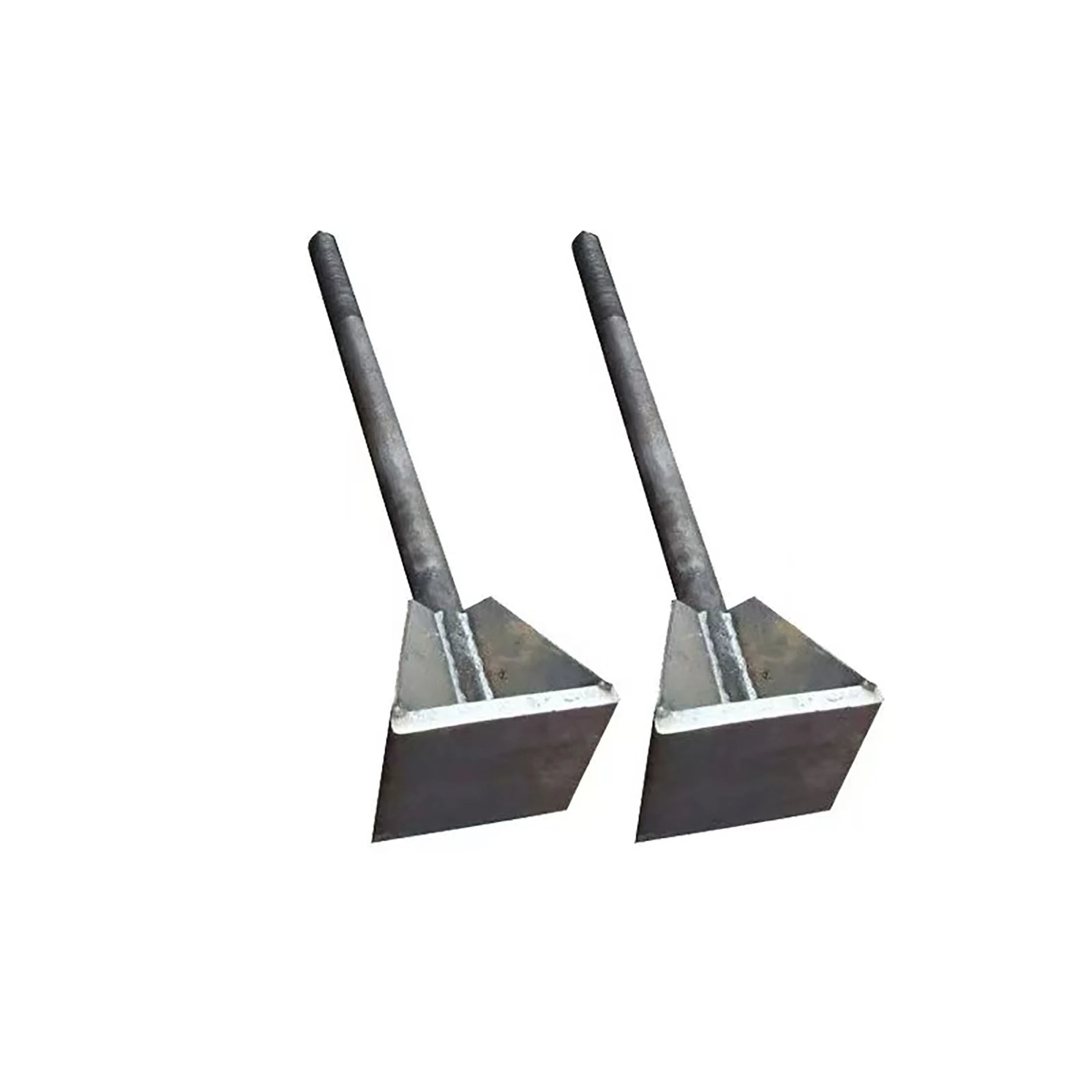
The structural design of umbrella anchor bolts also contributes to corrosion prevention. Their embedded installation method ensures that a large portion of the bolt is protected within concrete. Concrete itself acts as a physical barrier against environmental exposure, shielding the metal surface from direct contact with water, air, and chemicals. This embedded protection significantly reduces corrosion risk compared to exposed fastening systems.
In addition, umbrella anchor bolts are often used with protective sealing materials such as grouts or chemical adhesives. These materials fill gaps around the bolt and prevent moisture penetration. By eliminating air and water pathways, the corrosion process is further slowed, ensuring long-term durability in demanding environments.
Environmental adaptability is another key advantage. In coastal regions where salt content in the air is high, corrosion can occur rapidly on untreated metal surfaces. Umbrella anchor bolts designed for such environments undergo enhanced anti-corrosion processing and may include multiple protective layers. This makes them suitable for marine structures, docks, bridges, and offshore installations where standard bolts would fail prematurely.
Regular maintenance and inspection also play a role in corrosion prevention. While umbrella anchor bolts are designed for durability, periodic checks help identify early signs of corrosion or coating damage. Timely maintenance ensures continued protection and prevents minor issues from developing into structural failures.
Overall, umbrella anchor bolts prevent corrosion through a combination of protective coatings, corrosion-resistant materials, embedded installation design, and sealing techniques. These features work together to ensure reliable performance in harsh environments, making them a trusted solution for long-term structural applications.
Corrosion resistance is one of the most critical performance factors in umbrella anchor bolt systems, especially in construction projects that demand long-term structural stability and safety. These bolts are often used in outdoor, industrial, and marine environments where exposure to moisture, chemicals, and temperature fluctuations can significantly accelerate metal degradation. Without effective corrosion resistance, the structural integrity of anchor systems can be compromised over time.
One of the main reasons corrosion resistance is so important is its direct impact on load-bearing capacity. Umbrella anchor bolts are designed to secure structural components into concrete foundations. If corrosion occurs, the cross-sectional area of the bolt gradually decreases, weakening its ability to withstand tensile and shear forces. This reduction in strength can lead to structural instability or even failure in critical applications.
Another key reason is long-term durability. Construction projects such as bridges, tunnels, ports, and industrial facilities are designed for service lives that often span decades. In these environments, replacement or repair of anchor systems can be extremely difficult and costly. Corrosion-resistant umbrella anchor bolts ensure that the system remains functional over its intended lifespan, reducing maintenance requirements and lifecycle costs.
Safety is also a major concern. Corroded anchor bolts can lead to loosening of structural connections, misalignment of components, or sudden failure under load. In high-risk structures such as high-rise buildings or transportation infrastructure, this can pose serious safety hazards. Corrosion resistance helps maintain consistent performance and ensures that the anchoring system remains secure under varying environmental conditions.
In addition, corrosion resistance is essential for performance in aggressive environments. Coastal areas with high salt content, chemical plants with corrosive gases, and industrial zones with high humidity all accelerate the corrosion process. Umbrella anchor bolt systems with enhanced anti-corrosion properties, such as galvanization or stainless steel construction, are specifically designed to withstand these challenges.
Economic efficiency is another important factor. While corrosion-resistant materials and coatings may increase initial costs, they significantly reduce long-term expenses related to maintenance, replacement, and downtime. This makes corrosion-resistant umbrella anchor bolt systems a cost-effective solution over the full lifecycle of a project.
Finally, compliance with engineering standards often requires the use of corrosion-resistant fastening systems in certain applications. Many construction codes specify minimum durability requirements for anchor bolts used in exposed or critical environments. Meeting these standards ensures regulatory compliance and enhances project reliability.
In conclusion, corrosion resistance is essential in umbrella anchor bolt systems because it directly affects strength, durability, safety, cost efficiency, and compliance. It ensures that structural connections remain stable and reliable even in the most challenging environmental conditions.
CONTACT US
HANDAN BOEN FASTENERS MANUFACTURING CO.,LTD
Email:shaun@fastenboen.com
Wechat/WhatsApp/Skype/zalo:+86 13293070568 / +86 15630072814