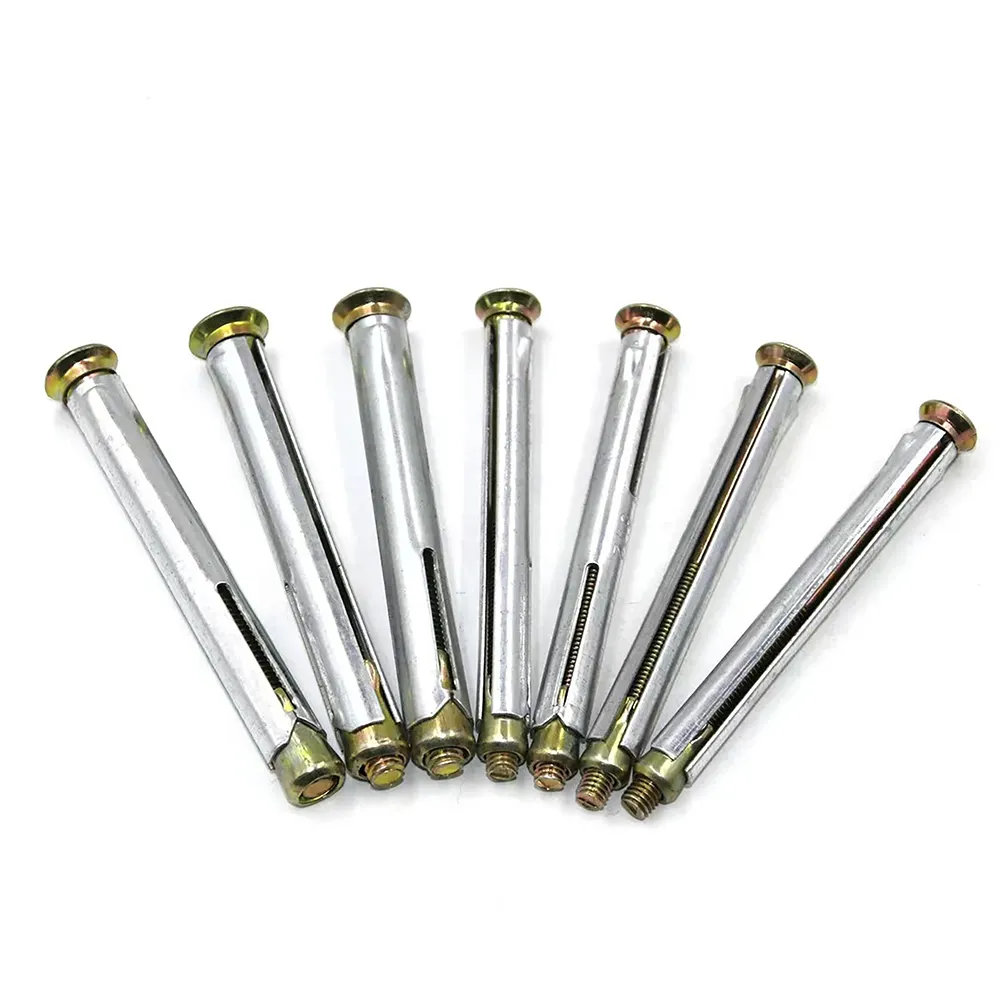
Comprehensive Guide to Socket Head Cap Screw Washers: Global Importance & Applications
Understanding Socket Head Cap Screw Washers: Essential Components in Modern Engineering
Socket head cap screw washers might sound like a mouthful, but these little hardware elements quietly play a huge role in industries worldwide. From construction sites in bustling cities to remote industrial zones, knowing about these washers helps engineers, procurement specialists, or even curious DIY enthusiasts grasp why precision and reliability often hinge on such small pieces. Their global importance is tied directly to their ability to secure machinery and structures, reduce wear, and improve safety — which frankly, everyone benefits from.
Introduction: Why Socket Head Cap Screw Washers Matter Globally
The fast-paced development of infrastructure and technology worldwide means that the demand for reliable, standardized fasteners like socket head cap screw washers has never been higher. According to ISO standards, millions of metric tons of fasteners are produced annually, contributing significantly to global manufacturing and construction sectors. Yet, despite this prevalence, many underestimate how crucial the washer component is in ensuring assembly integrity and operational longevity.
Problems like joint loosening under high vibration or uneven load distribution can cause catastrophic failures if the right washers are not used. This challenge affects industries from aerospace to renewable energy, making knowledge of socket head cap screw washers central to engineers and planners alike.
What Is a Socket Head Cap Screw Washer?
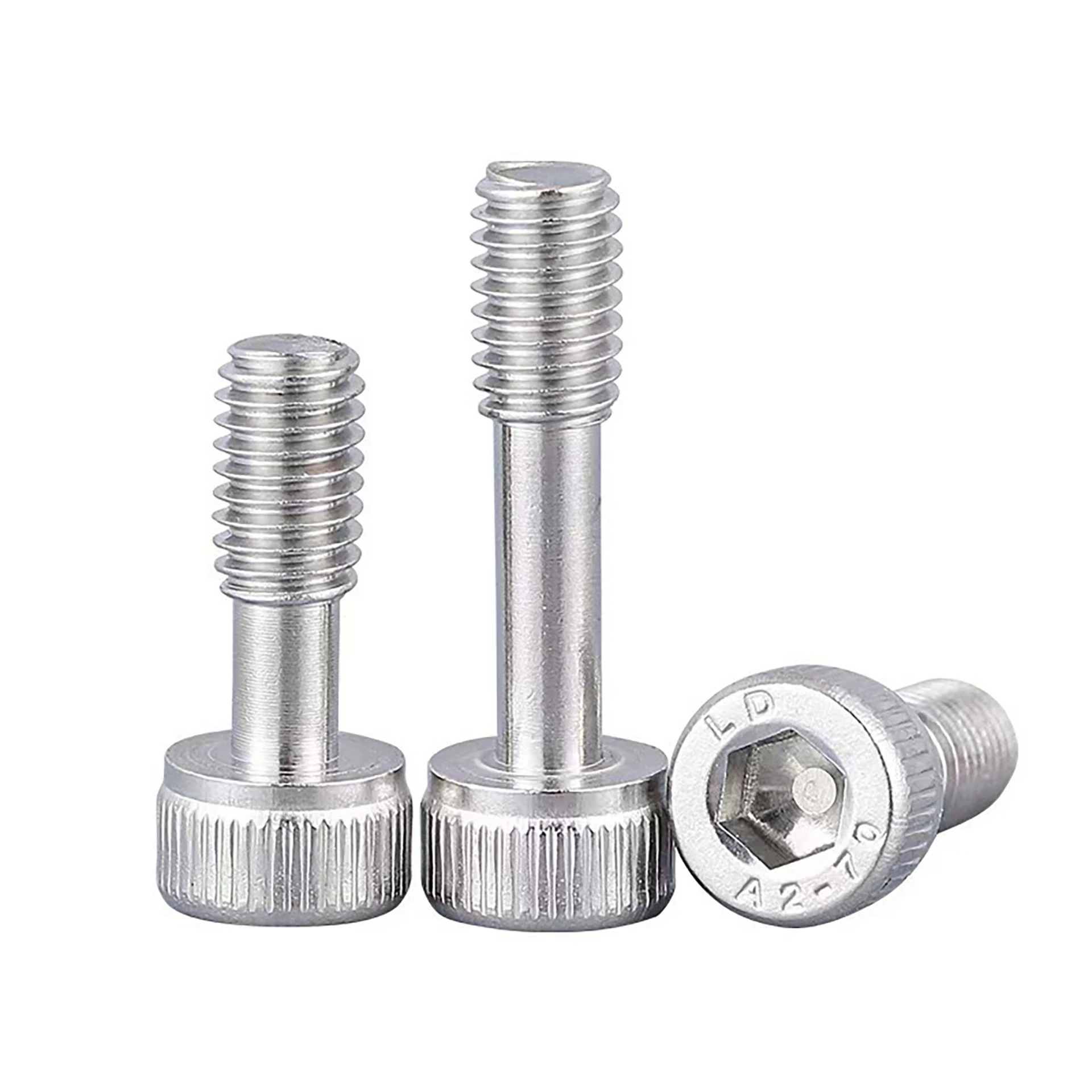
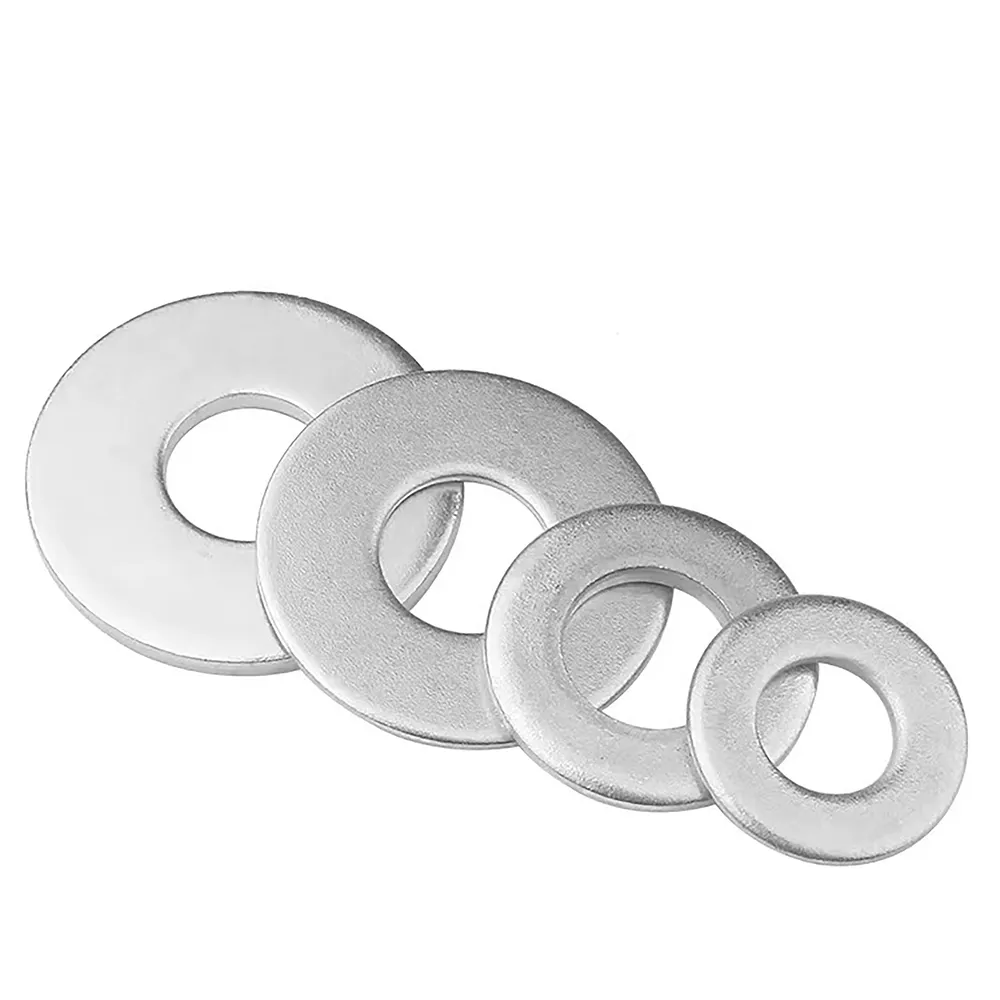
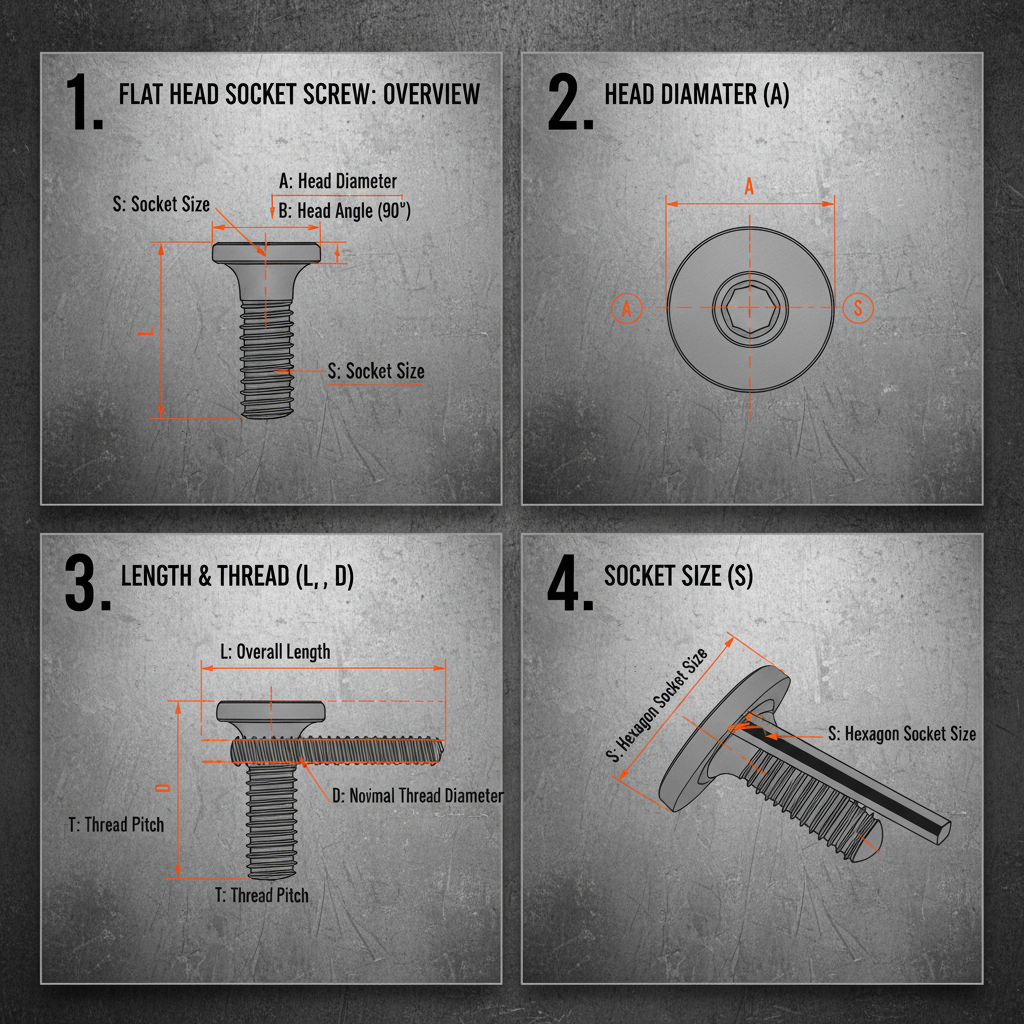
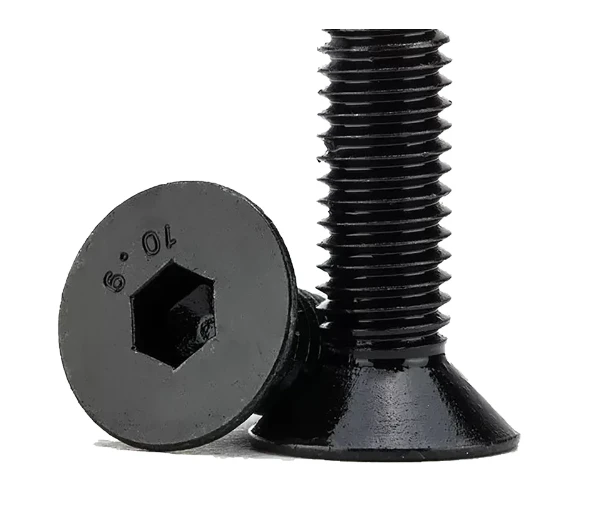
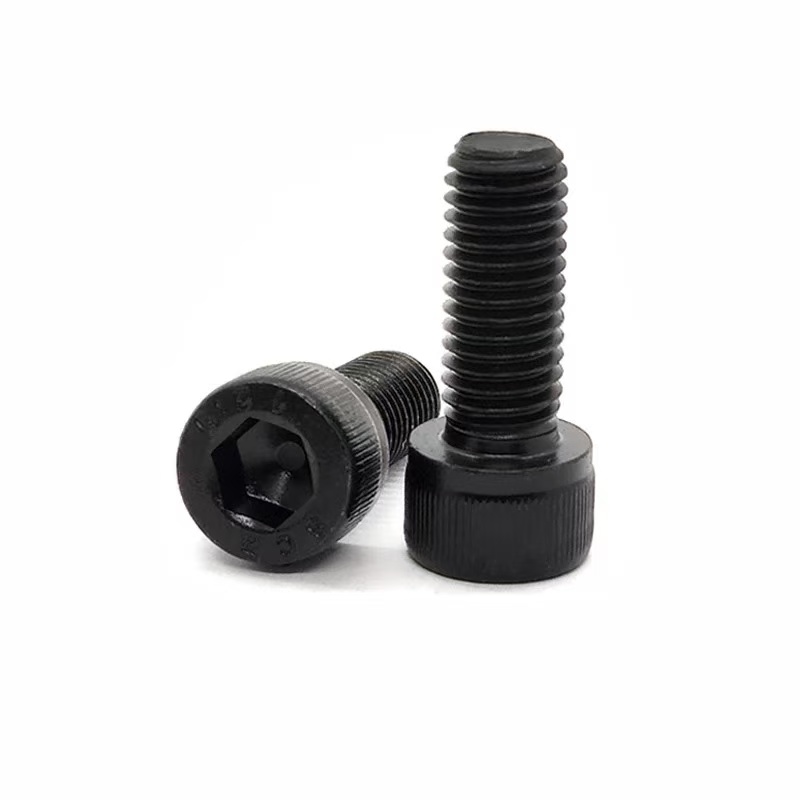
In simple terms, a socket head cap screw washer is a washer designed specifically to accompany socket head cap screws—those hexagonally screwed fasteners you often see holding machinery or equipment together. The washer sits between the screw head and the surface being fastened, distributing pressure, preventing damage, and sometimes locking the assembly in place.
Think of it as the unsung hero that maximizes the screw’s efficiency. Its design is tailored to the cylindrical and recessed socket head screws used in many precision engineering applications today—from automotive manufacturing to disaster relief equipment assembly.
Key Factors of Socket Head Cap Screw Washers
1. Durability
These washers are often made from hardened steel or stainless steel, sometimes with coatings like zinc or black oxide to resist corrosion. Durability means fewer replacements and safer assemblies.
2. Precision Fit
Because they’re designed to match socket head screws, their dimensions are exact — this reduces wobble and optimizes torque transfer.
3. Load Distribution
They spread the screw’s clamping force over a wider area, protecting the surface beneath from denting or material fatigue — especially important in softer metals or composites.
4. Anti-Loosening Properties
Special designs, such as lock washers or those with serrated edges, prevent screws from loosening during vibrations, which is crucial in automotive and aerospace sectors.
5. Cost Efficiency
While washers add to upfront costs, their prevention of damage and failure lowers overall maintenance and replacement expenses.
Product Specification Table
| Specification | Details |
|---|---|
| Material | Stainless Steel Grade 304 / Zinc-Plated Steel |
| Diameter Range | M3 to M20 (metric); #4 to 3/4 inch (imperial) |
| Thickness | Typically 0.5mm – 3mm |
| Finish Options | Plain, Zinc-Plated, Black Oxide, Hot-Dip Galvanized |
| Standards | ISO 7089 / DIN 125 (most common standards) |
Mini Takeaway: Socket head cap screw washers combine material strength and precision design to extend the life and safety of assembled equipment. They may be small but are mighty when it comes to ensuring reliable fastening.
Global Applications & Use Cases
In real-world terms, these washers find their home everywhere precise fastening is necessary. In manufacturing hubs like Germany and Japan, engineers rely on these washers to build machinery that runs non-stop. Energy sectors use them in wind turbines — where vibration control is non-negotiable. In fact, post-disaster relief operations deploy modular shelters that use socket head cap screws with washers to enable quick setup and long-term structural integrity.
In remote industrial zones, where resources for maintenance are scarce, the added reliability these washers provide can mean the difference between costly downtime and smooth operations. The automotive industry, aerospace applications, and even electronics assembly lean heavily on socket head cap screw washers, underscoring their broad utility.
Vendor Comparison Table
| Vendor | Material Quality | Price per Unit | Delivery Time | Customization Options |
|---|---|---|---|---|
| FastenBoen | A+ (Stainless Steel 304) | $0.10 - $0.15 | 3-5 days (within EU) | Yes, special coatings & sizes |
| HardwarePro | B (Zinc Plated) | $0.08 - $0.12 | 5-7 days | Limited |
| GlobalFasteners | A (Heat-treated Steel) | $0.09 - $0.14 | 7-10 days | Yes, bulk custom orders |
Advantages & Long-Term Value
Using socket head cap screw washers translates to fewer mechanical failures, which means greater safety and peace of mind. There’s an emotional piece here too — workers feel more secure when they know their equipment won’t suddenly fail, especially in high-risk environments.
From a logical perspective, maintenance cycles lengthen and overall costs shrink. Sustainability also enters the picture, since less frequent replacements reduce waste and energy consumed in production. In some ways, investing in quality washers feels like investing in trust: you trust the product to hold together, and you trust the safety of those interacting with the assemblies.
Future Trends & Innovations
The fastener industry is slowly embracing materials such as titanium alloys and composite coatings that offer even better corrosion resistance and strength-to-weight ratios. Additive manufacturing, or 3D printing, is also influencing customized washer designs tailored for very specific stress profiles.
Moreover, as industries push towards greener practices, environmentally friendly coatings without toxic elements are gaining traction. Digital transformation is enabling “smart fasteners” equipped with sensors to monitor tension and wear — and socket head cap screw washers could one day integrate such tech for predictive maintenance.
Challenges & Solutions
One persistent challenge is that non-standard or improperly sized washers are occasionally used in the field, risking assembly integrity. Education and supply chain vigilance are crucial here, as many engineers report “field improvisations” that compromise safety.
Innovative solutions include growing awareness campaigns, tighter ISO-compliant supply chains, and investing in quality assurance systems at procurement levels. Manufacturers like FastenBoen offer detailed specs and certifications to help buyers make informed choices.
FAQ: Socket Head Cap Screw Washer
- Q1: What exactly differentiates a socket head cap screw washer from other washers?
A: It is designed to perfectly fit with socket head cap screws’ cylindrical heads, ensuring optimal load distribution and preventing damage to softer base materials, unlike general-purpose washers. - Q2: Can I use socket head cap screw washers in outdoor environments?
A: Yes, especially stainless steel or coated washers designed to resist corrosion and UV exposure, making them suitable for outdoor and harsh environments. - Q3: How do these washers improve the longevity of fastened assemblies?
A: By evenly spreading the clamping force and reducing material deformation or screw loosening, they minimize wear and tear, extending equipment life. - Q4: Are custom sizes available if my project has unusual requirements?
A: Many suppliers, including FastenBoen, offer customization options for diameter, thickness, or coatings tailored to specific project needs.
Conclusion
Socket head cap screw washers may not grab headlines, but their role in safe, reliable engineering is indisputable. Their combination of durability, precision, and thoughtful design brings long-term cost savings, safety benefits, and even environmental advantages. Curious to learn more or source supplies? Visit our website: https://www.fastenboen.com to explore detailed specs, trusted vendors, and expert advice.
In the end, it’s a reminder that sometimes, the smallest details make all the difference.
References
Who We Are: The Right Fastener Partner for Global SMEs
Handan Boen Fastener Manufacturing Co., Ltd. (Est. 2010) specializes in producing standardized industrial fasteners, including bolts, nuts, washers, and other essential components. We provide cost-effective for small and medium-sized buyers in industries such as automotive parts, agricultural machinery, and construction.