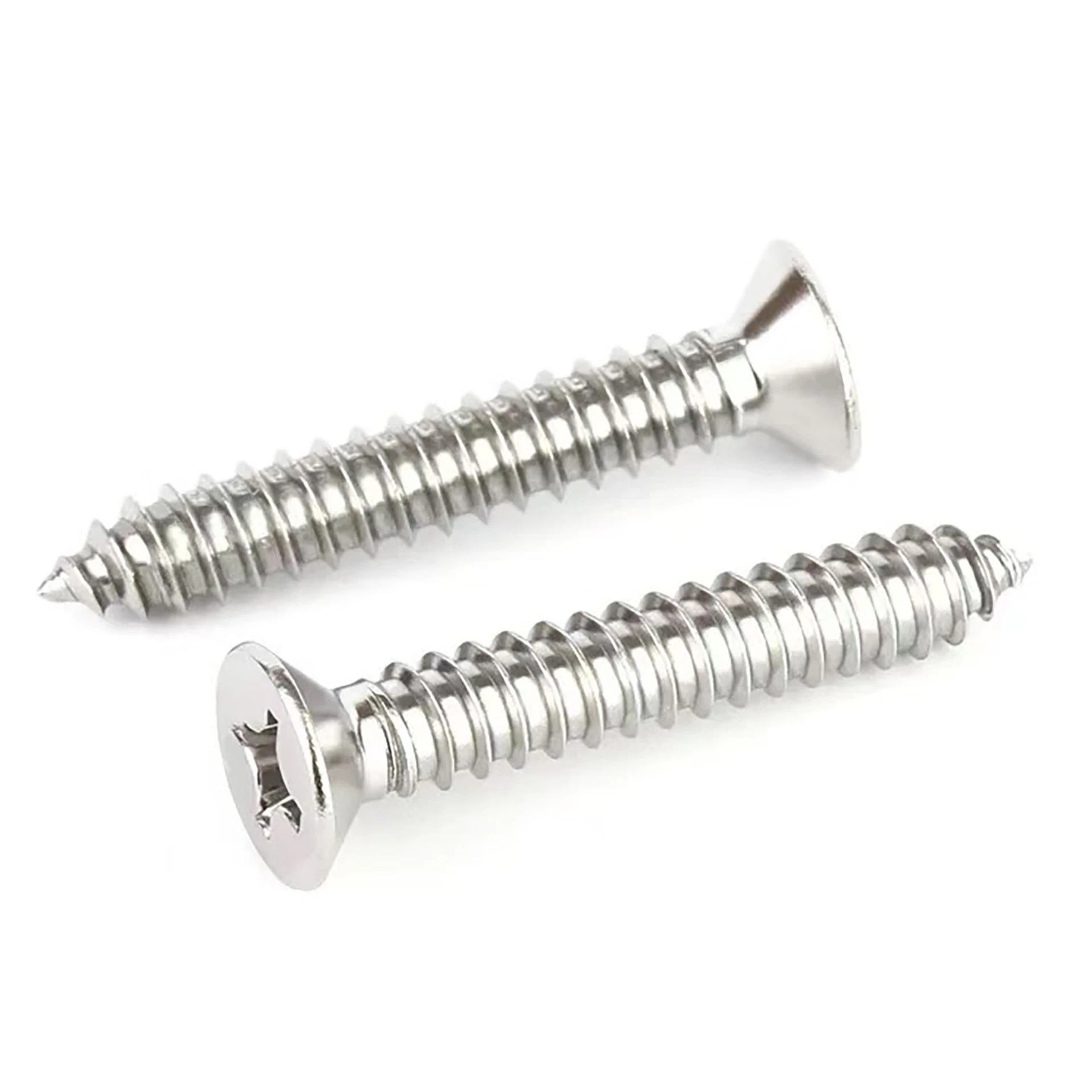
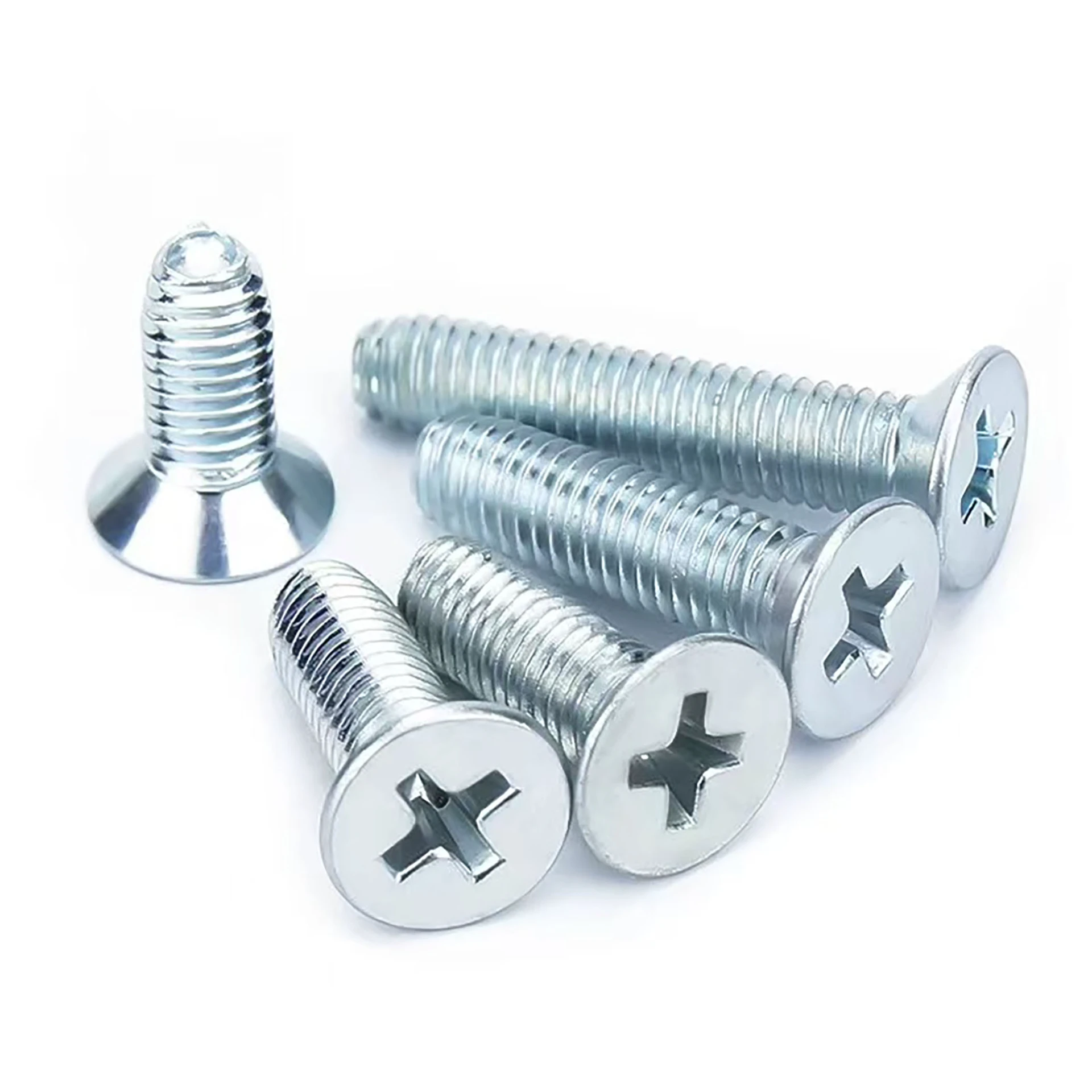
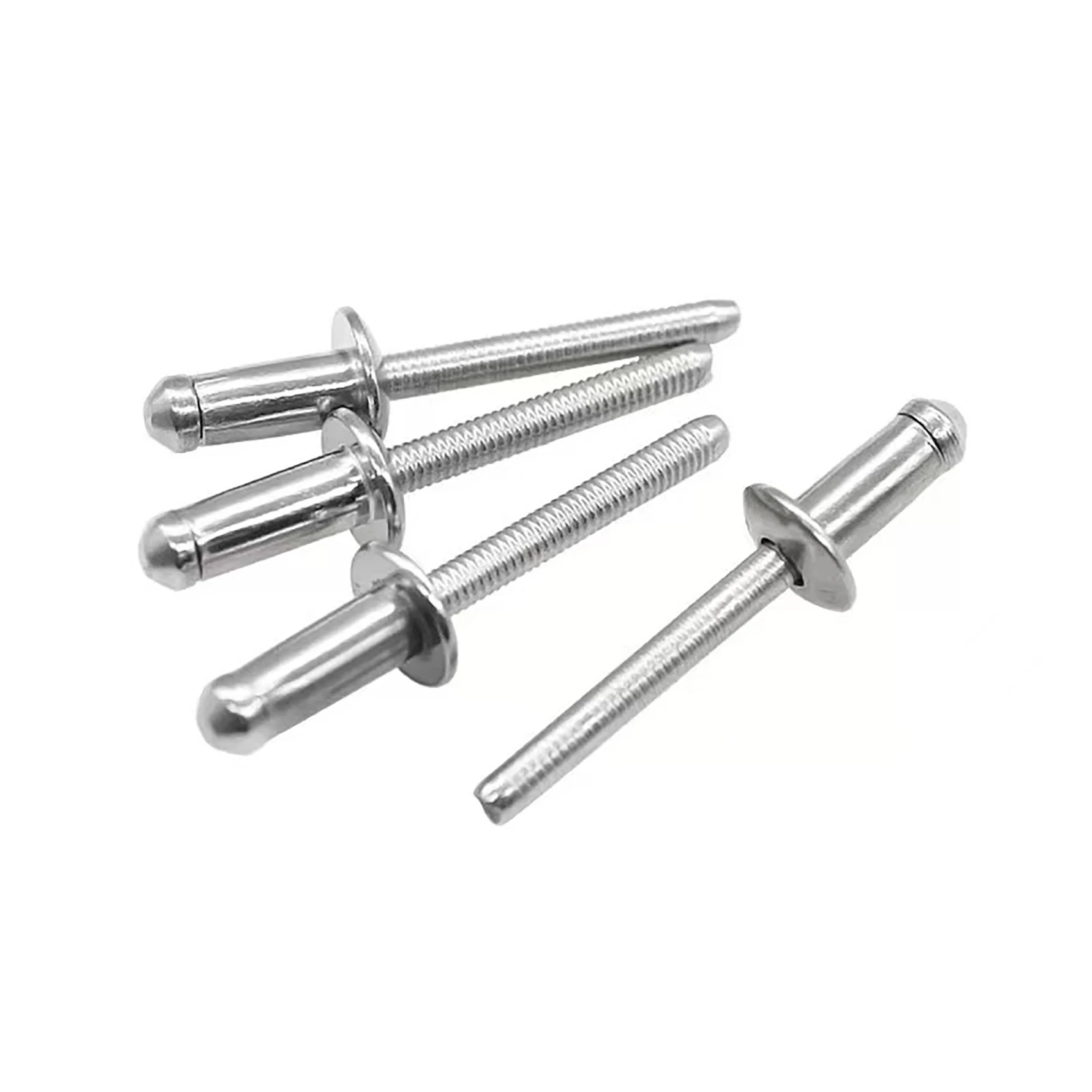
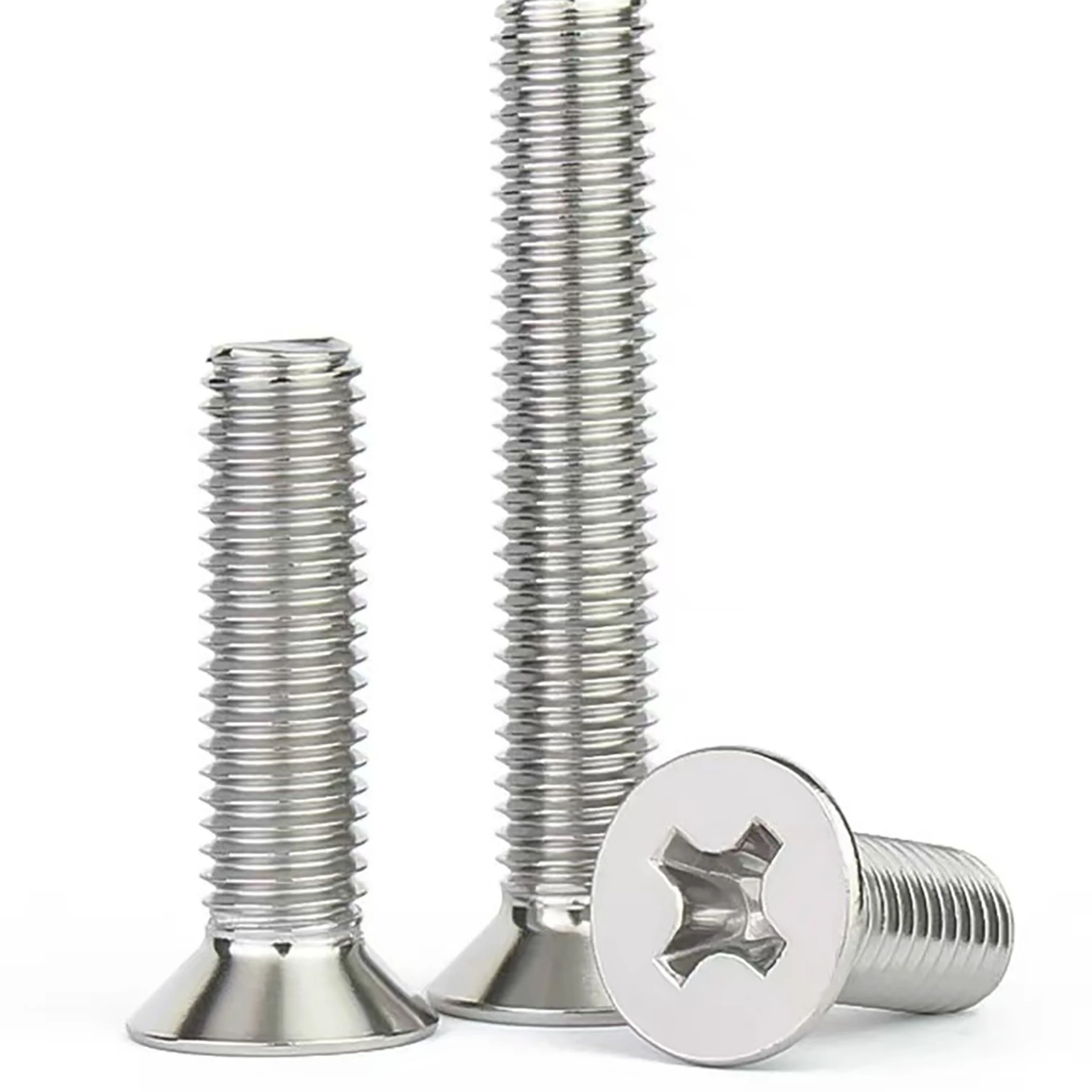
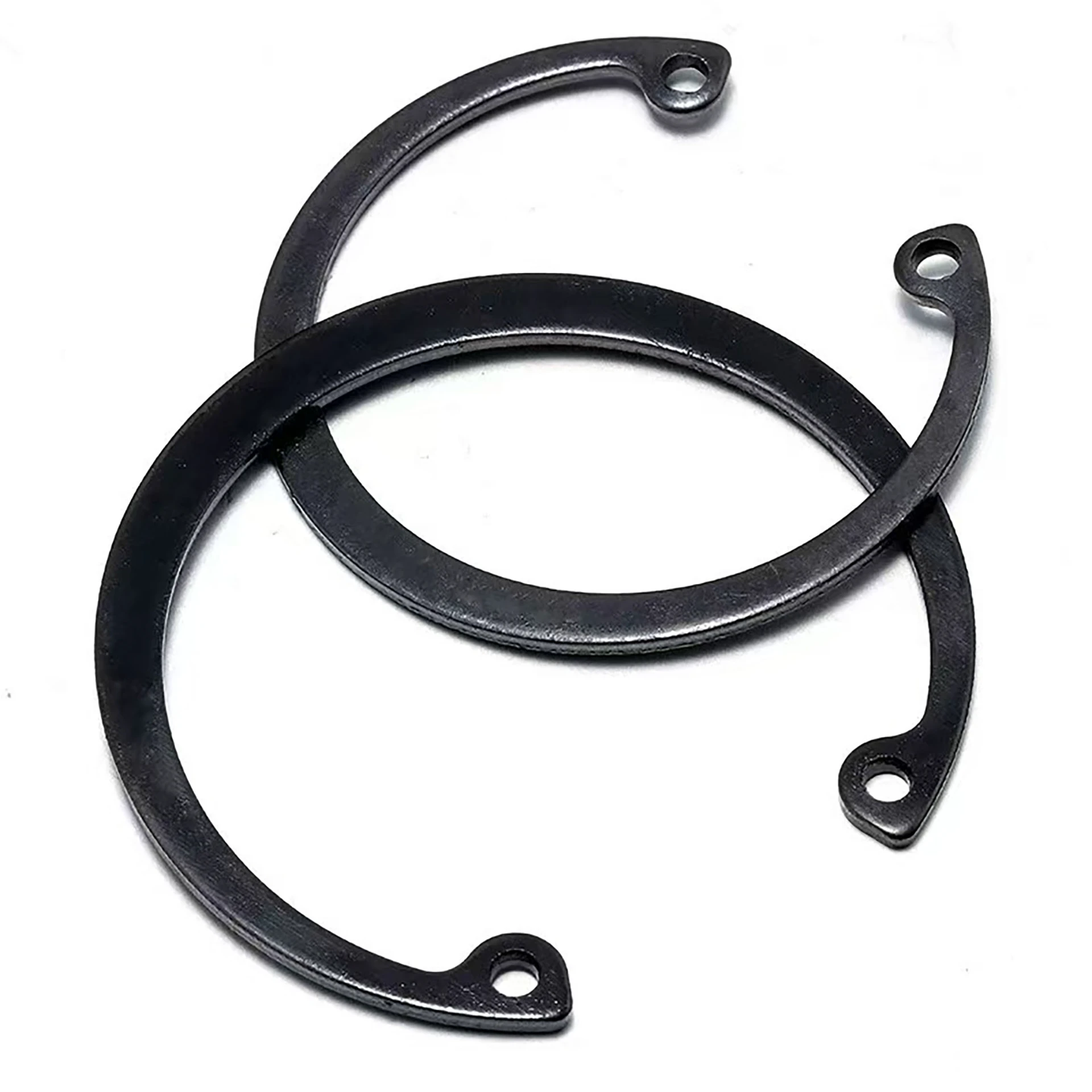
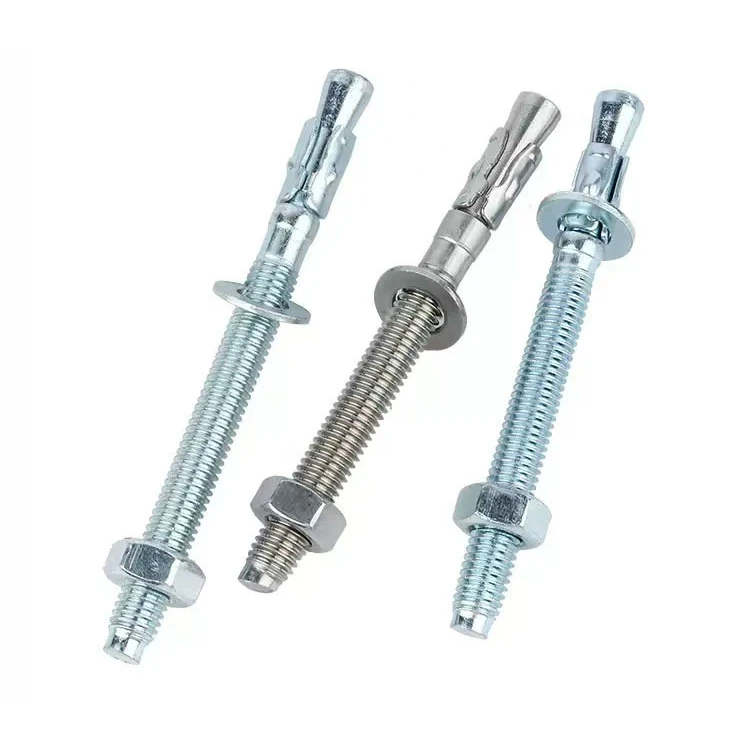
Comprehensive Guide to Socket Head Cap Screw with Washer – Specs, Uses & Innovations
Understanding the Socket Head Cap Screw with Washer: An Essential Component in Modern Engineering
Socket head cap screws paired with washers may not be the flashiest part of mechanical assemblies, but their significance cannot be overstated. These small yet mighty fasteners play a critical role in ensuring structural integrity, safety, and efficiency across a multitude of industries worldwide—from aerospace to construction, automotive to electronics. As global infrastructure grows and demands for durability and innovation rise, understanding the socket head cap screw with washer becomes not just a technical curiosity but a vital insight into how modern engineering reliably holds together.
Introduction: Global Relevance in a Fastening World
Fasteners like the socket head cap screw with washer have quietly enabled the rise of complex machinery and infrastructure. According to the International Organization for Standardization (ISO), thousands of metric tons of fasteners are produced annually to meet the expanding needs of manufacturing and assembly globally. Yet, challenges persist—loosening due to vibration, corrosion in extreme conditions, or improper torque settings that risk failure. These issues impact industries ranging from aerospace, where safety is paramount, to humanitarian endeavors like temporary shelters where speed and reliability matter.
Addressing these fastening challenges is crucial in preventing costly downtimes and ensuring safety compliance, which is why the socket head cap screw with washer remains a globally adopted solution.
What Is a Socket Head Cap Screw with Washer?
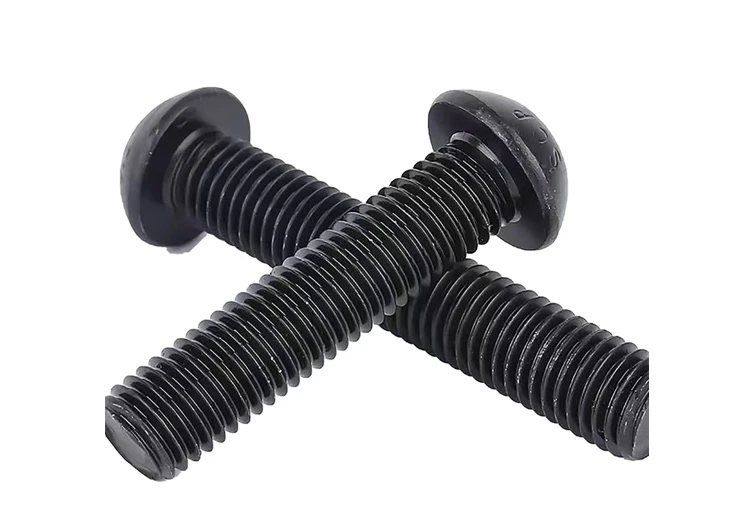
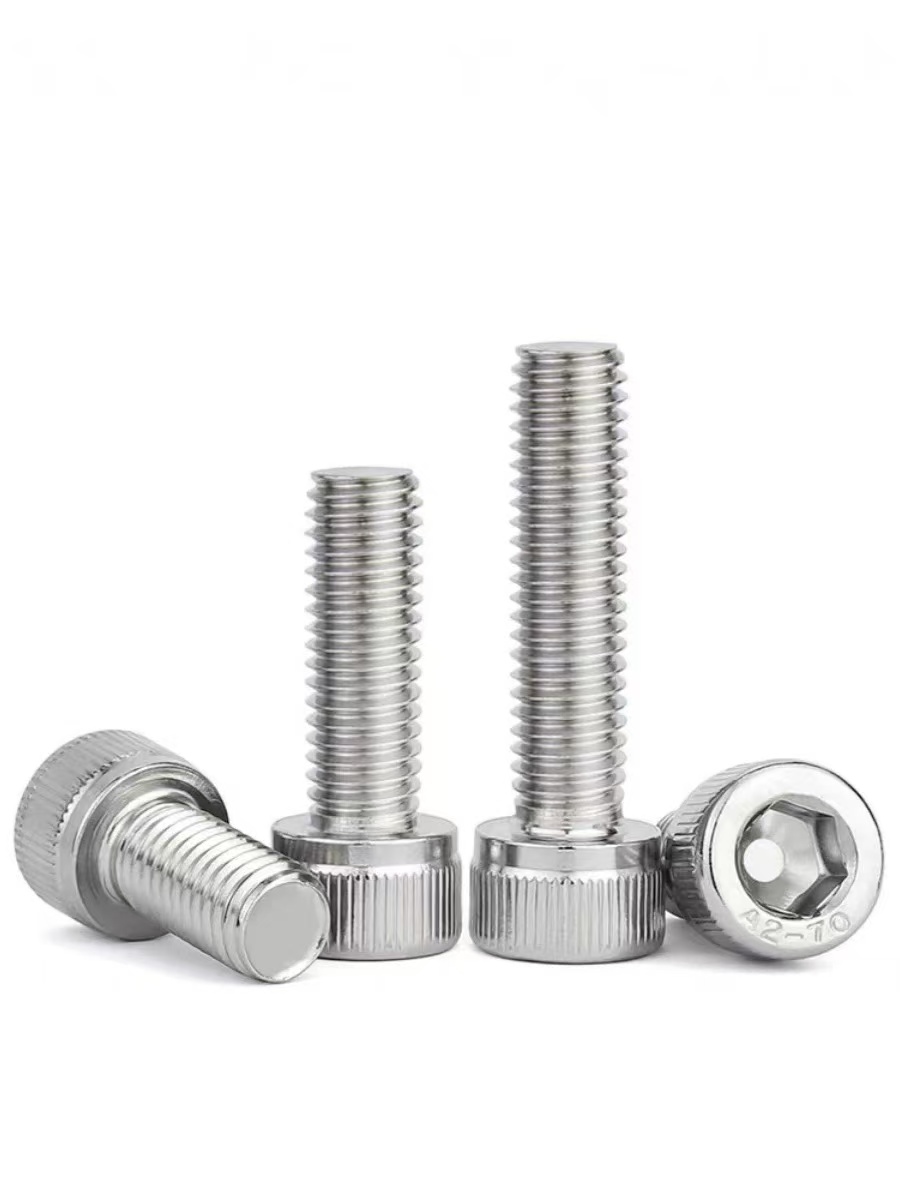
Put simply, a socket head cap screw is a cylindrical fastener characterized by a recessed hexagonal drive, allowing tightening with an Allen key or hex wrench. When paired with a washer—a thin disk inserted beneath the head or nut—it helps spread the load or protect the surface from damage. Together, they form a fastening duo prized for compactness and strength.
In modern industries, these fasteners have become key for assembling precision equipment, machinery, and even modular construction units. They unite components tightly yet accessibly, which is why engineers often specify them in designs requiring high reliability and serviceability.
Key Components and Characteristics
Durability and Material Strength
Socket head cap screws are typically made from high-grade alloy steel, stainless steel, or even titanium for aerospace applications. These materials ensure resistance to wear, corrosion, and high loads—a must for critical applications.
Load Distribution with Washers
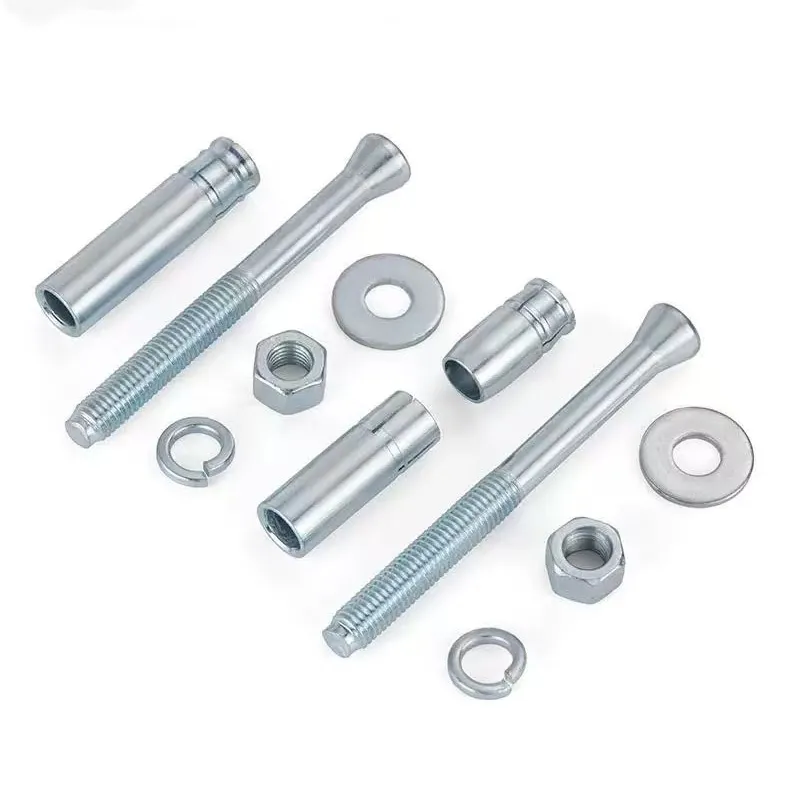
Washers distribute the compressive force the screw applies, protecting softer surfaces from deformation and preventing loosening. This small but effective component enhances joint longevity and safety.
Compact Design and Torque Efficiency
The recessed hex drive allows a smaller head size compared to other screws, enabling assemblies in tight spaces. The design also permits higher torque application, creating stronger joints without damaging the fastener.
Corrosion Resistance and Surface Finishes
Coatings such as zinc plating or black oxide improve corrosion resistance, essential in outdoor or marine environments. Material and finish selection often match the intended use case for longevity.
Standardization for Interchangeability
International standards (ISO 4762, DIN 912) define exact dimensions and tolerances, guaranteeing compatibility across manufacturers and industries, which simplifies procurement and maintenance.
Product Specifications at a Glance
| Attribute | Value/Range |
|---|---|
| Material | Alloy Steel, Stainless Steel, Titanium |
| Head Type | Cylindrical with Hex Socket |
| Standards | ISO 4762, DIN 912 |
| Finish Options | Zinc Plated, Black Oxide, Passivated |
| Washer Types | Flat, Split Lock, Fender |
Mini takeaway: Understanding material and design specs helps select the right socket head cap screw with washer for your specific industry needs.
Global Applications & Use Cases
Socket head cap screws with washers find themselves everywhere—from the assembly lines in Germany powering automotive excellence, to the wind turbine farms across Europe and Asia pushing green energy forward. In post-disaster relief operations, where rapid assembly of temporary shelters is crucial, these screws offer quick, dependable fastening under harsh conditions.
Mining operations in remote Australian outback utilize corrosion-resistant variants to combat tough environments, while electronics manufacturers in Japan and South Korea appreciate the compactness that socket heads provide in dense circuit assemblies.
Vendor Comparison: Leading Socket Head Cap Screw Providers
| Vendor | Material Range | Standard Compliance | Custom Options | Price Range |
|---|---|---|---|---|
| FastenBoen | Steel, Stainless, Titanium | ISO 4762, RoHS | Thread Length, Drive Size | $$ |
| BoltCorp | Steel, Coated Steel | DIN 912 | Limited | $ |
| PrecisionFast | High-Strength Alloy | ISO 4762 | Custom Alloys | $$$ |
Socket head cap screw with washer suppliers vary, so carefully balancing cost, quality, and customization is key.
Advantages & Long-term Value
Choosing the right socket head cap screw with washer implementation means greater reliability and safety. These fasteners reduce the risk of joint failure, protecting expensive or critical machinery. Beyond the technical benefits, they also deliver peace of mind—no one wants a machine part to loosen unexpectedly, especially where lives or major investment are involved.
Long-term, the corrosion resistance and load distribution extend asset lifetimes, ultimately lowering maintenance costs. They also uphold sustainability by reducing resource waste from failed assemblies, supporting global goals to be greener.
Future Trends & Innovations
Looking ahead, advanced materials like carbon fiber-reinforced polymers and nanocoatings aim to make socket head cap screws even lighter and more corrosion-proof. Smart fasteners embedded with sensors to detect loosening or stress are emerging, marrying digital transformation with hardware reliability.
These innovations particularly suit sustainable energy sectors and automated assembly lines, where predictive maintenance is becoming a norm rather than a luxury.
Challenges & Solutions
Despite their benefits, common pitfalls include incorrect installation and inadequate corrosion protection in extreme environments. Engineers often find that over- or under-torquing weakens assembly integrity, which is preventable through proper tooling and training.
Emerging solutions include automated torque tools with feedback, anti-vibration washers, and coatings tailored for specific applications. These minimize human error and environmental impact.
FAQ: Frequently Asked Questions About Socket Head Cap Screw with Washer
- Q: What material is best for outdoor use?
A: Stainless steel with a corrosion-resistant finish is typically recommended for outdoor or marine environments due to its rust prevention and durability. - Q: Can socket head cap screws be reused?
A: Generally, it is best to replace these screws after removal because repeated use can degrade the threads or clamping force, risking joint failure. - Q: How does the washer improve fastening?
A: Washers distribute the load evenly, preventing surface damage and reducing loosening caused by vibration, which enhances the joint’s reliability. - Q: Are custom lengths or head sizes available?
A: Many suppliers offer customizations, including various thread lengths and drive sizes, to fit specialized industrial needs.
Conclusion
In real-world engineering and manufacturing, the socket head cap screw with washer quietly anchors many innovations, ensuring joints are safe, reliable, and long-lasting. Whether it’s in critical aerospace equipment or rapid-deployment humanitarian structures, understanding this fastening solution pays dividends in safety and cost over time. For those seeking dependable suppliers and technical guidance, I highly recommend visiting FastenBoen’s website—they combine quality with expertise in this vital hardware niche.
Thanks for sticking with this — it’s the small parts that often make the biggest difference.
References
Who We Are: The Right Fastener Partner for Global SMEs
Handan Boen Fastener Manufacturing Co., Ltd. (Est. 2010) specializes in producing standardized industrial fasteners, including bolts, nuts, washers, and other essential components. We provide cost-effective for small and medium-sized buyers in industries such as automotive parts, agricultural machinery, and construction.