Understanding Socket Head Cap Screw Wrenches – Global Importance, Features & Applications
Socket Head Cap Screw Wrench: What It Is and Why It Matters Globally
In the vast world of mechanical fasteners, the socket head cap screw wrench plays a surprisingly pivotal role. Although it might sound like just another tool, it’s a cornerstone in industries as diverse as aerospace, automotive, construction, and even humanitarian infrastructure projects. Understanding how this specialized wrench works not only benefits engineers and technicians but also offers insights into global supply chains and operational efficiency. Frankly, this tool unlocks a lot when it comes to durability, precision, and scalability.
Introduction: The Global Importance of Socket Head Cap Screw Wrenches
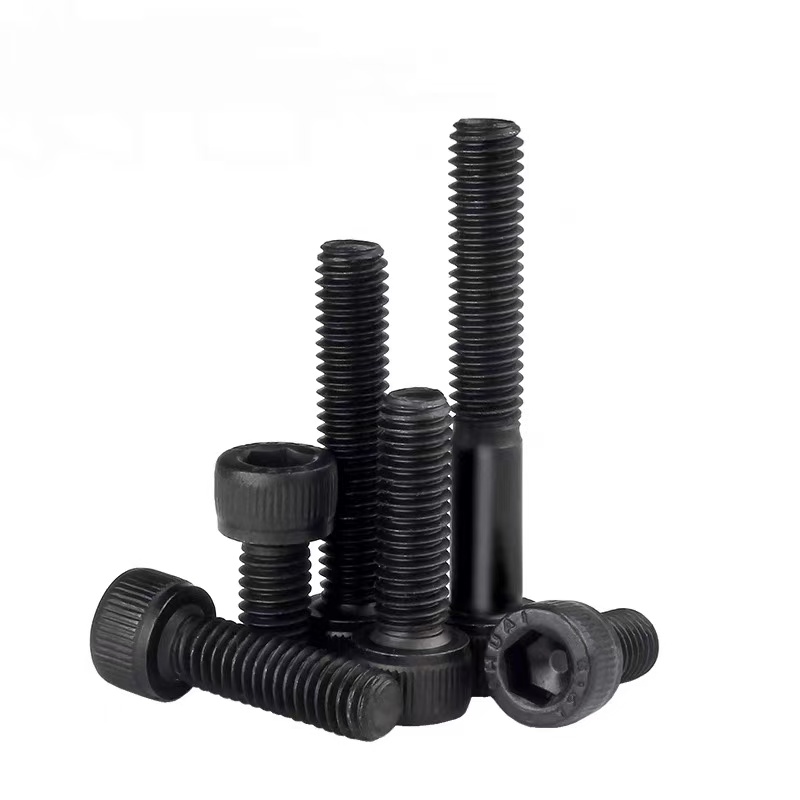
Socket head cap screws—tightened or loosened by the matching wrench—are common fasteners standardized under ISO 4762. The corresponding wrench is engineered to fit precisely into these screws’ deep hexagonal recesses, enabling high torque without compromising the screw’s body. Worldwide, bolts and fasteners account for billions of dollars in manufacturing value every year, with the global fasteners market projected to exceed $120 billion by 2027 (MarketWatch).
Now, here’s the kicker: poor torque application or unsuitable tools can lead to fastener failure, delays, or safety hazards. So, having a reliable socket head cap screw wrench isn’t just a convenience—it’s a necessity in quality-controlled environments.
What is a Socket Head Cap Screw Wrench?
Simply put, this wrench is designed to engage with socket head cap screws—cylindrical fasteners defined by their deep internal hexagonal drive. The wrench typically features a hexagonal or ball-end tip that fits snugly inside the cap's recess. Its design allows for strong braking and tightening torque without marring the fastener’s surface or causing “cam-out.”
Reflection: This might seem mundane but think about critical aerospace assemblies or precision robotics: a poor tool fit can cause catastrophic failures. So, the wrench has to be right, every time.
Key Attributes of Socket Head Cap Screw Wrenches
1. Durability
Wrenches are often made from chrome-vanadium steel or tool steel alloys treated to withstand high torque without bending or wearing—especially critical for industrial applications.
2. Precision Fit
The geometry must match precisely. An odd fit risks stripping screw heads. Manufacturers produce wrenches measured to ISO and ANSI standards for tight tolerances.
3. Torque Capacity
Thanks to the deep socket design, these wrenches can apply higher torque than slotted or Phillips screwdrivers, critical when fastening components tightly for structural integrity.
4. Ergonomics and Accessibility
Varieties include T-handle, L-handle, or ratcheting types, offering accessible solutions in tight or awkward spaces. Engineers often favor ball-end tipped wrenches for angled accessibility.
5. Corrosion Resistance
Finished with coatings like black oxide or nickel plating, these wrenches resist rust, extending their lifespan especially in humid or outdoor environments.
Product Specification Example
| Feature | Specification |
|---|---|
| Material | Chrome-vanadium steel |
| Finish | Black oxide coating |
| Tip Type | Ball-end hex (5 mm, 6 mm, 8 mm typical sizes) |
| Handle Style | T-handle and L-handle variants available |
| Torque Range | Up to 20 Nm for handheld sizes |
Global Applications of Socket Head Cap Screw Wrenches
Socket head cap screw wrenches are indispensable across almost every manufacturing and maintenance sector. In aerospace, consistent torque ensures safety and reliability of aircraft components. In automotive factories—think Japan, Germany, USA—these tools streamline assembly lines with precision.
Oddly enough, they’re also vital in humanitarian contexts. When NGOs erect temporary infrastructure, like post-disaster medical tents or modular units in remote regions, reliable fasteners paired with the right wrench make quick assembly and durable fixings possible.
Example use case: In African solar panel installations, technicians rely on socket wrenches to secure mounting brackets tightly so that panels withstand windstorms. Without the right wrench, hardware loosening is common, undermining system lifetime.
Vendor Comparison: Popular Socket Head Cap Screw Wrench Brands
| Brand | Material Quality | Range of Sizes | Price Range (USD) | Special Features |
|---|---|---|---|---|
| Bondhus | High-carbon steel | Wide (common and metric sizes) | 15-40 | Lifetime warranty, ergonomic grip |
| Wiha | Chrome-vanadium steel | Limited metric sets | 20-50 | Precision tips, anti-roll handles |
| Stanley | Heat-treated steel | Moderate, mostly imperial sizes | 10-30 | Affordable, durable, wide availability |
Advantages and Long-Term Value
There’s straightforward value in using a socket head cap screw wrench designed for the job: better torque control, less screw damage, and improved safety. Over time, this reliability translates to lower maintenance costs and longer machinery life. Socially, it means safer workplaces and more dependable infrastructure.
Emotionally, users report greater confidence and trust in assemblies, especially when they know their wrench is from a reputable brand—and that’s psychology meeting engineering. Innovation-wise, these wrenches support complex automated assembly lines, a critical productivity uplift.
Future Trends & Innovations
Looking ahead, innovations are focusing on lighter materials like carbon fiber composites for ergonomics, and digital torque feedback for precision. Bluetooth-connected wrenches that log torque data are on the rise, aiding inspection in aerospace and medical device assembly. Sustainability efforts encourage coatings and manufacturing processes with lower environmental impact — in line with ISO 14001 standards.
Digital transformation in manufacturing (Industry 4.0) means socket tools will increasingly integrate with smart systems, improving predictive maintenance and worker safety. Plus, 3D printing of customized wrench handles or tips is an emerging niche.
Challenges and How To Overcome Them
Even the best socket head cap screw wrench can struggle if mismatched with improper fasteners or used in uncontrolled environments. Fatigue and corrosion remain issues in harsh outdoor uses. However, experts suggest routine calibration, investing in corrosion-resistant coatings, and training workers in proper torque application to mitigate these risks.
Oddly enough, the “one-size-fits-all” mindset often means subpar wrench choice; investing in the right size and type for specific screws pays dividends.
FAQ: Practical Questions About Socket Head Cap Screw Wrench
- Q: What sizes of socket head cap screw wrenches are most common for industrial work?
A: Most industrial applications use metric sizes from 3 mm to 10 mm. Choosing the exact size matching the screw is key to avoid rounding off the hex recess. - Q: Can I use a standard Allen key instead of a socket head cap screw wrench?
A: While Allen keys fit socket screws, they usually provide less torque and ergonomic comfort. For high-torque or repetitive tasks, a dedicated wrench is recommended. - Q: How do I maintain my socket head cap screw wrench for longevity?
A: Clean after use, store in dry conditions, and avoid dropping to prevent tip deformation. Some wrenches require occasional lubrication of joints if ratcheting. - Q: Are there environmentally friendly socket head cap screw wrenches?
A: Increasingly yes — manufacturers focus on recycling metals, eco-conscious coatings, and reduced waste packaging to improve sustainability.
Conclusion: Why Invest In The Right Socket Head Cap Screw Wrench?
Ultimately, a well-chosen socket head cap screw wrench not only enhances operational efficiency but safeguards machinery and people. From the factory floor to remote field operations, this humble tool steers quality and durability. So if you’re serious about reliable fastening, visiting our website is a logical next step for quality options and expert advice.
Mini takeaway: This isn’t just about turning screws—it’s about securing safety, precision, and long-term trust in critical assemblies worldwide.
References
Who We Are: The Right Fastener Partner for Global SMEs
Handan Boen Fastener Manufacturing Co., Ltd. (Est. 2010) specializes in producing standardized industrial fasteners, including bolts, nuts, washers, and other essential components. We provide cost-effective for small and medium-sized buyers in industries such as automotive parts, agricultural machinery, and construction.