Low Head Allen Cap Screw – Precision Fastening Solutions for Industry
The Low Head Allen Cap Screw: Small Component, Huge Impact
In the world of mechanical fastening, we often overlook the humble screw. Yet something like a low head allen cap screw has quietly transformed industries ranging from electronics assembly to infrastructure projects. Understanding this small but mighty piece doesn’t just help engineers—it touches on global manufacturing efficiencies, safety improvements, and even sustainability goals.
Why Should We Care About Low Head Allen Cap Screws Globally?
Fasteners may not headline UN reports or World Bank economic forecasts, but their impact permeates supply chains worldwide. According to ISO standards on fasteners (ISO 898-1), globally some 20 billion screws are produced annually to hold everything from solar panels in deserts to medical devices in urban hospitals. Low profile screws like the low head allen cap are prized for applications where height or flushness is critical.
But here’s the challenge: materials must be strong without bulk, and assembly has to balance speed with torque precision. Overlooking this leads to failures, costly downtime, or worse — safety risks. That’s why these seemingly niche screws matter.
What Exactly Is a Low Head Allen Cap Screw?
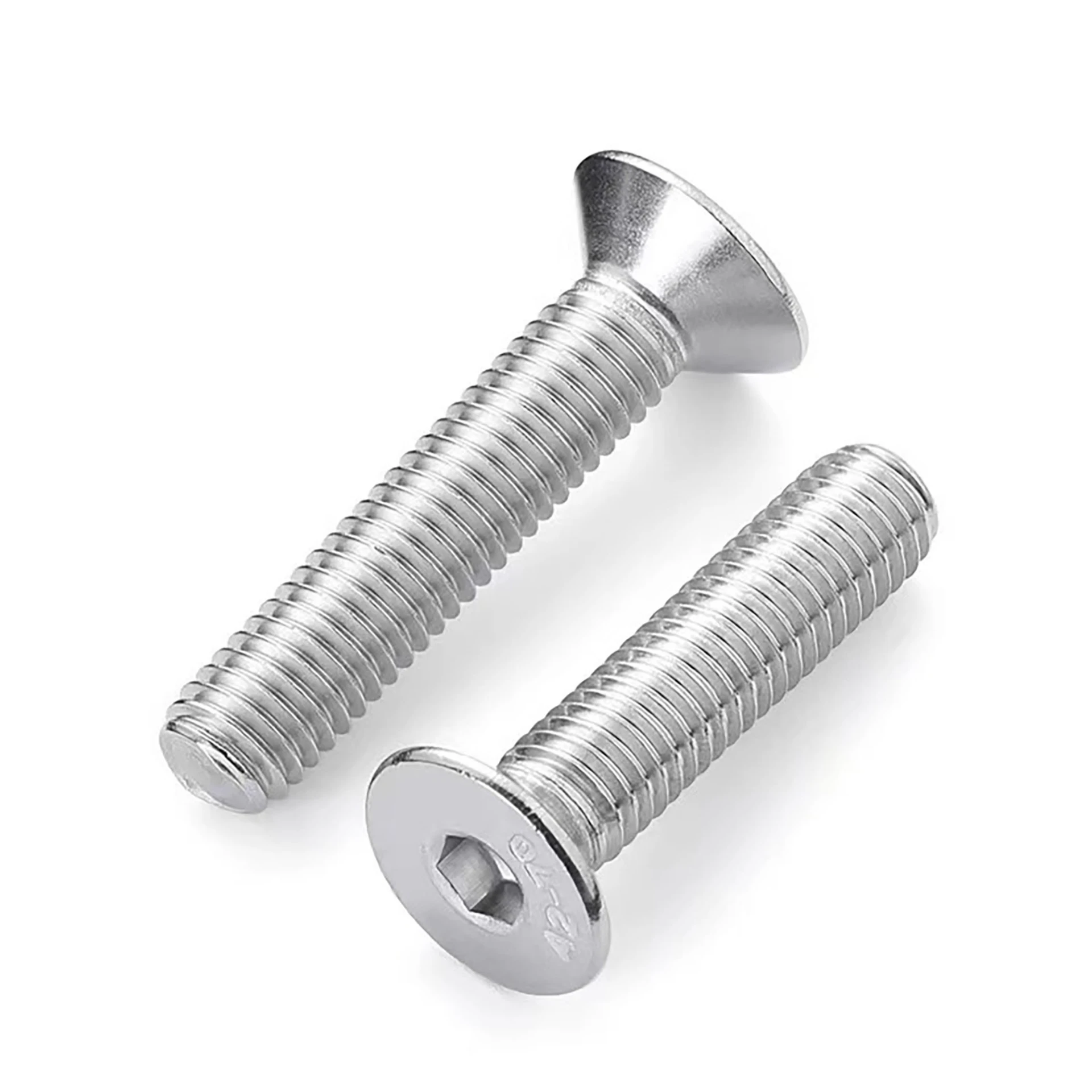
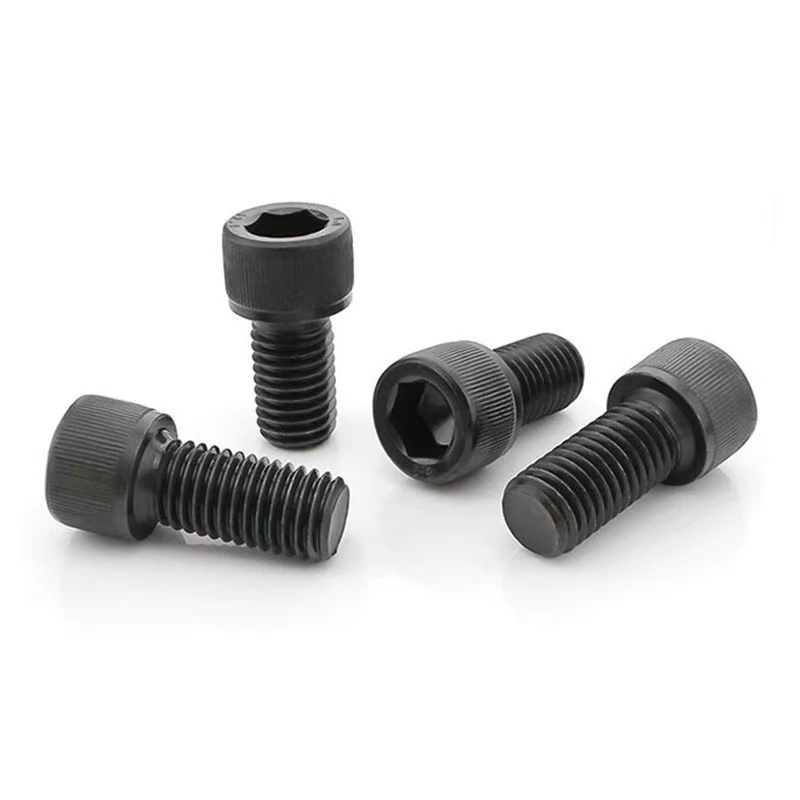
Simply put, a low head allen cap screw is a machine screw that features a hexagonal recess (allen socket) in the head for driving, combined with a low-profile, cylindrical head design. Unlike traditional round or pan-head screws, this design keeps the fastener head closer to the surface, making it perfect for tight spaces or where aesthetics matter.
These screws are often made from stainless steel or alloy steel, and you’ll find them everywhere from automotive assembly lines to precision instruments. The allen socket means you can apply torque without damaging the head, which is a huge plus when reliability counts.
Mini Takeaway
The low head allen cap screw isn’t just a little fastener — it’s a clever solution engineered for precision, compactness, and durability in demanding environments.
Core Components and Key Factors of Low Head Allen Cap Screws
1. Durability and Material Quality
These screws come in a variety of materials like 304 stainless steel for corrosion resistance or medium carbon steel for strength. The choice depends on the application environment—marine, industrial, or electronics. Material coatings like zinc plating add another protective layer against rust.
2. Thread Design & Standardization
The threading follows ISO metric standards or unified threads, making them easy to source globally. Fine threads help in applications requiring precision adjustments, while coarse threads provide quicker assembly.
3. Head Height and Dimensions
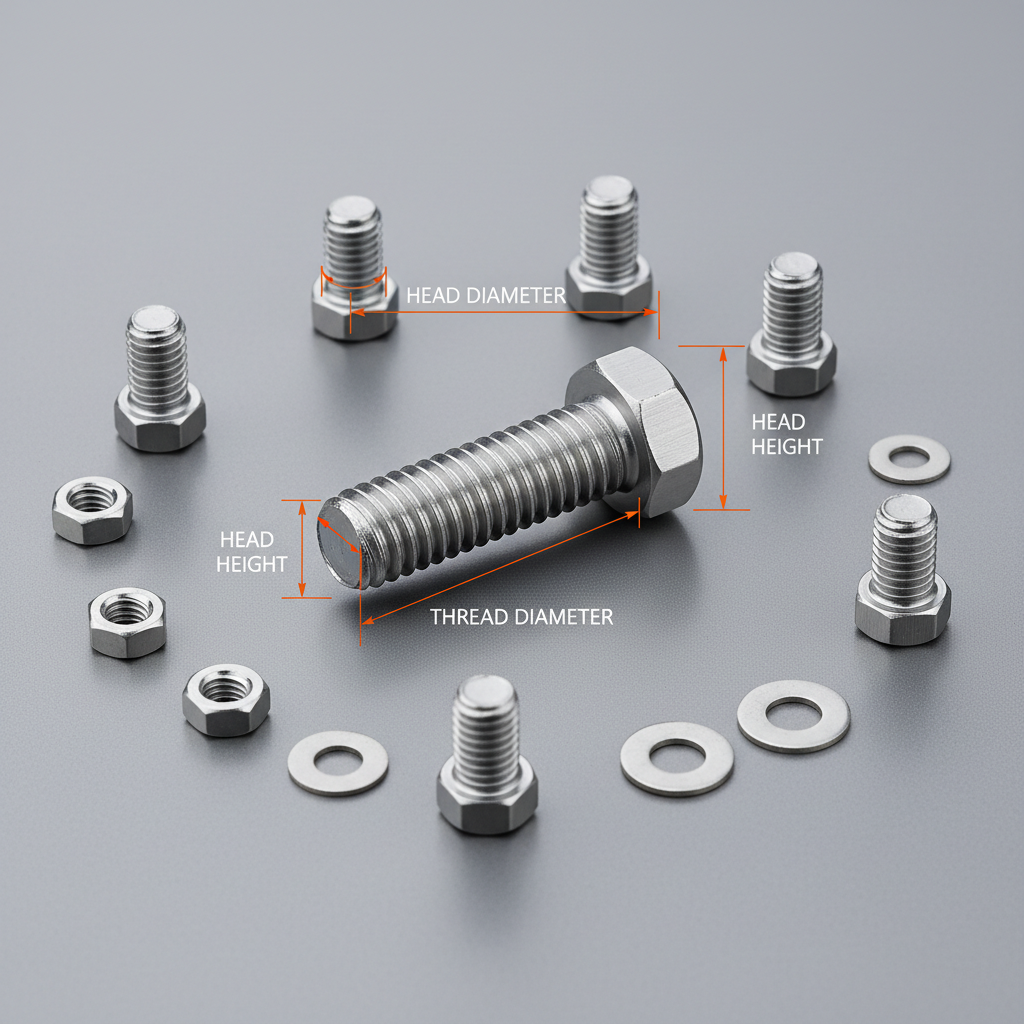
The defining characteristic is its low head height, often about 40-60% the height of a standard hex cap screw. This subtle difference allows for a sleeker assembly profile without sacrificing grip.
4. Torque Transmission
The internal hex socket optimizes torque application. This prevents cam-out — a frustrating situation where the driver slips out — reducing wear and increasing assembly longevity. It feels much safer than slotted screws, frankly.
5. Economical Scalability
Because of their standardized specs, these screws are mass produced, keeping costs low. They’re a win-win: affordable today and widely compatible tomorrow.
Mini Takeaway
Each feature of the low head allen cap screw is thoughtfully designed for precision work, durability, and global manufacturing ease. It really is the unsung hero of mechanical fastening.
Where Are Low Head Allen Cap Screws Used Around the Globe?
These screws have a broad footprint, showing up in:
- Automotive & Aerospace Manufacturing: Tight engine compartments and aircraft interiors demand low head screws for space efficiency.
- Consumer Electronics: Smartphones, laptops, and gaming gear literally depend on compact screws that don’t bulk up design.
- Solar and Renewable Energy: Panel mounts and mounts in remote areas require corrosion resistance and low profile.
- Healthcare Devices: Surgical instruments and diagnostic equipment aim for precision and reliability, both aided by these screws.
For example, in remote industrial zones in Southeast Asia, low head allen cap screws help assemble communication towers where weight and exposure to weather are critical factors.
Mini Takeaway
The versatility of these screws is staggering—you’ll find them in settings as varied as urban hospitals and desert solar farms.
Advantages and Long-Term Value of Low Head Allen Cap Screws
Why do engineers prefer these screws? Here’s a quick rundown:
- Cost Efficiency: Standardized manufacturing keeps pricing predictable and affordable.
- Safety & Reliability: Reduced risk of slippage and durable materials mean fewer maintenance headaches.
- Compactness: Slim heads enable smooth finishes without snagging or bulk, lending a professional look.
- Environmentally Friendly Options: Stainless and recycled materials align with green building standards.
- Emotional Peace of Mind: Knowing a critical fastener won’t fail fosters trust among engineers and end users.
Low Head Allen Cap Screw Specification Table
| Specification | Typical Range | Notes |
|---|---|---|
| Material | 304 stainless steel, Carbon steel, Alloy steel | Depends on environment |
| Head Height | 1.5 mm to 3 mm | About 40-60% of standard screw height |
| Thread Type | Metric ISO or Unified | Fine or coarse threads available |
| Drive Type | Internal hex (Allen) | Reduces cam-out risk |
| Finish | Zinc plated, black oxide, passivated | For corrosion resistance |
Vendor Comparison: Sourcing Low Head Allen Cap Screws
| Vendor | Material Options | Price Range (USD per 100 pcs) | Shipping Regions | Customization Support |
|---|---|---|---|---|
| FastenBoen | Stainless steel, Alloy steel | $15 - $30 | Global | Custom lengths, finishes |
| ScrewMaster | Carbon steel, Zinc plated | $12 - $25 | North America, Europe | Limited |
| BoltPro | Stainless steel only | $18 - $35 | Asia-Pacific, Europe | Custom packaging |
The Future: Innovations in Low Head Allen Cap Screw Technology
Looking ahead, manufacturers are leveraging advanced materials like titanium alloys and composite reinforcements for lightweight yet stronger screws. A push toward automation means screws with integrated RFID tags for inventory tracking are emerging, essential for complex aerospace or defense projects.
Green manufacturing trends push for recycled metals and lower carbon footprints during production, aligning with global sustainability goals like those outlined by the UN (UN SDG).
Even the drive interface is evolving: some firms are experimenting with deeper hex sockets or hybrid shapes to reduce tool wear and improve ergonomic driver-screw interaction.
Common Challenges and How Experts Solve Them
Even the best screw faces hurdles:
- Stripped Sockets: Over-tightening can damage the allen recess. The solution? Torque-controlled automated drivers.
- Corrosion in Harsh Environments: Choosing the right material/coating is critical; marine-grade stainless steel or even specialty coatings can extend life.
- Supply Chain Delays: Bulk purchasing and local warehousing reduce downtime.
Expert tip: collaborating early with suppliers like FastenBoen ensures you get tailored specifications and reliable delivery.
FAQ: Low Head Allen Cap Screw Questions
- What applications are best suited for low head allen cap screws?
- They work best where a flush or near-flush surface is needed—think electronics, aerospace interiors, and precision machinery. Their compact head minimizes interference and snagging.
- How do they compare to regular hex cap screws in strength?
- Although lower in head height, their materials and thread engagement remain robust, offering comparable tensile strength. The key difference is profile, not durability.
- Can low head allen cap screws withstand outdoor exposure?
- Yes, especially when made with corrosion-resistant materials like 304 stainless steel or when treated with protective coatings. For harsh saline environments, marine-grade options are preferred.
- Are these screws compatible with automated assembly lines?
- Definitely! Their allen socket drive is friendly to robotic screwdrivers, with low cam-out risk, helping speed up assembly without damaging the fastener.
- Where can I purchase custom sizes or finishes?
- Vendors like FastenBoen offer customization options for head height, thread length, and surface treatments. Always discuss project requirements early to avoid delays.
Conclusion: Why Your Next Project Needs Low Head Allen Cap Screws
In the grand scheme, it’s funny how a tiny screw can improve assembly speed, reduce maintenance, and ensure safety across vast industries. If you’re looking for precision, reliability, and a sleek design profile, the low head allen cap screw is your go-to fastener.
Curious to see what options are available right now? Visit our partner’s site at FastenBoen and explore versatile fastener solutions tailored for your needs.
Sometimes, it’s the smallest pieces that hold everything together — literally.
References
Who We Are: The Right Fastener Partner for Global SMEs
Handan Boen Fastener Manufacturing Co., Ltd. (Est. 2010) specializes in producing standardized industrial fasteners, including bolts, nuts, washers, and other essential components. We provide cost-effective for small and medium-sized buyers in industries such as automotive parts, agricultural machinery, and construction.