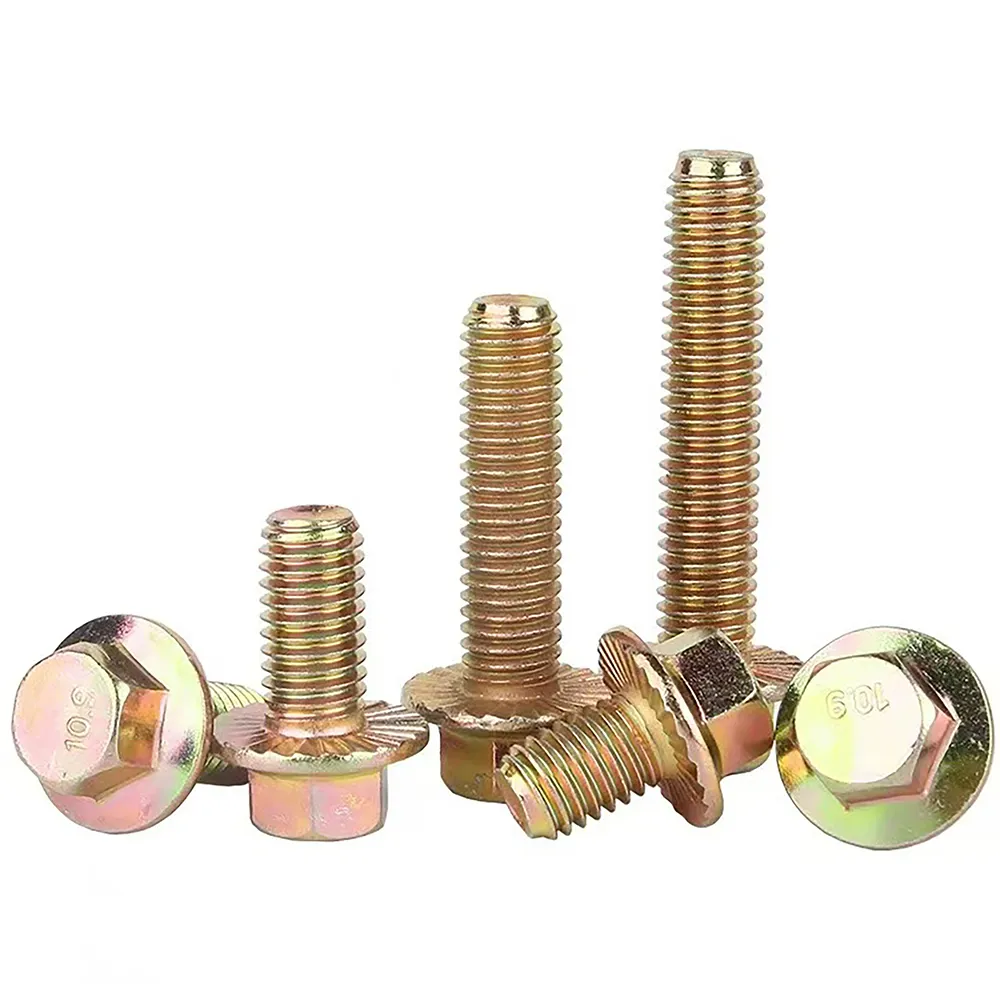
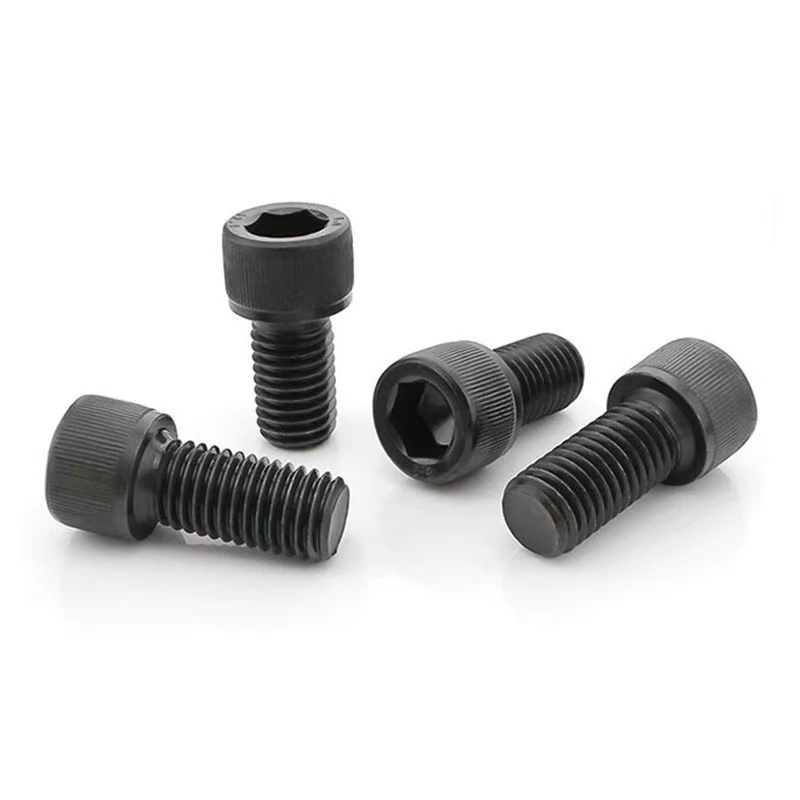
Comprehensive Guide to Hexagon Head Socket Fasteners – Durable, Efficient, and Versatile
What is a Hexagon Head Socket and Why It Matters Worldwide
In the vast universe of fasteners and mechanical joints, the humble hexagon head socket plays a surprisingly pivotal role. More than just a bolt or screw with a six-sided recess, it represents a critical piece of engineering that helps hold industries together—from automotive manufacturing to large construction projects, and even humanitarian efforts where reliable, quick assembly matters.
Understanding the hexagon head socket’s design, application, and benefits is essential for engineers, procurement specialists, and even field technicians who rely on fasteners that prioritize strength, accessibility, and durability. With global supply chains depending on consistent quality and performance, this small part carries a very big weight.
The Global Importance of Hexagon Head Socket Fasteners
According to the ISO standards for fasteners, hexagon socket heads are globally recognized for their ability to offer high torque and reduce the risk of cam-out—a problem where tools slip off the fastener head. The World Bank's infrastructure reports highlight billions of dollars invested annually in industrial and infrastructure projects where reliable fasteners are simply non-negotiable.
Despite their small size, hexagon head sockets help address major challenges such as maintenance efficiency and safety in harsh environments. Whether it’s a wind turbine in a remote area or medical equipment in fast-paced operating rooms, the precision and ease of using these fasteners provide tangible benefits—saving time, cost, and sometimes even lives.
Defining Hexagon Head Socket: Simple Yet Sophisticated
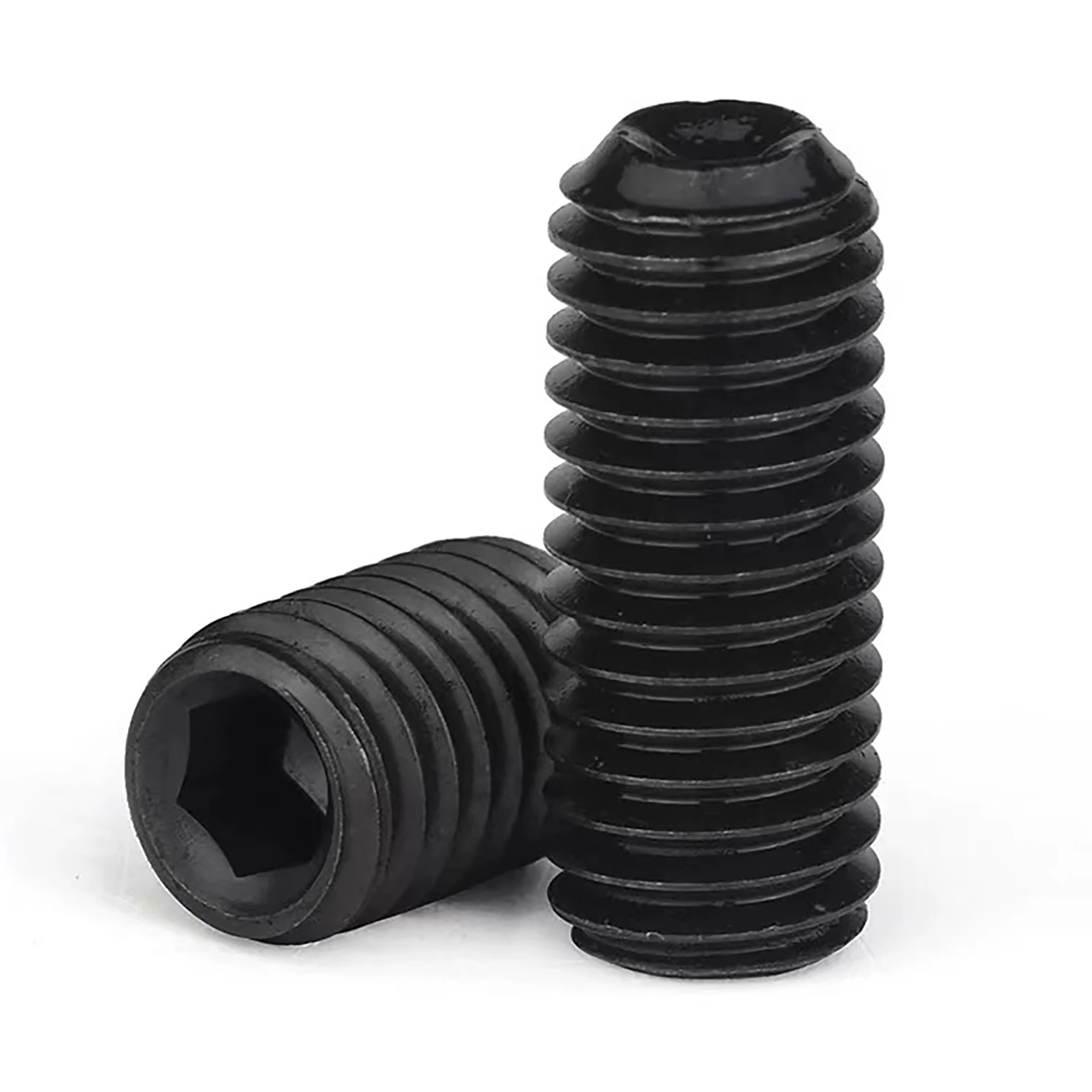
Put simply, a hexagon head socket is a fastener with a hexagonal recess into which an Allen wrench or hex key fits snugly. This design enables efficient transmission of torque while protecting the outer head from damage. Unlike traditional hex heads that require a wrench or spanner, hex socket heads are recessed, letting you fasten or loosen bolts even in tight or recessed spaces.
Modern industries—from aerospace to electronics—depend on these for their reliability and ease of use, bridging the gap between form and function beautifully. They’re the unsung heroes facilitating quick assembly lines, modular construction, and even emergency repair kits.
Mini Takeaway:
The hexagon head socket combines simplicity with precision engineering to solve real-world challenges across multiple sectors.
Key Features of Hexagon Head Socket Fasteners
1. Durability
Many engineers swear by stainless steel variants for corrosion resistance. The hardened alloy versions withstand high stress, especially in automotive and aerospace fields. Durability isn’t about just lasting a long time but performing reliably under pressure — think vibration-heavy engines or shifting foundations in construction.
2. Accessibility in Tight Spaces
The recessed hexagon allows tools to access fasteners in confined or awkward areas. For instance, machinery maintenance in manufacturing plants often happens without dismantling entire assemblies. This "compact tool fit" aspect is a practical lifesaver in such scenarios.
3. High Torque Transmission
Having six contact points inside the socket distributes driving force evenly. It reduces wear on the tool and the fastener head versus, say, slotted or Phillips heads prone to slipping. This means less damaged parts and smoother maintenance routines.
4. Cost-Effectiveness
Though slightly pricier upfront, the longevity and ease of handling make hexagon head socket fasteners economical in the long run, lowering overall maintenance and replacement costs.
5. Versatility
From tiny electronics screws to large structural bolts, hexagon head sockets come in varied sizes and materials suitable for multiple environments—including outdoor, marine, and even food-grade applications.
Mini Takeaway:
These features collectively explain why hexagon head sockets are a preferred option—practical, durable, and versatile.
Global Applications and Real-World Use Cases
It’s fascinating how these fasteners adapt worldwide. In post-disaster relief operations, modular shelters use hex socket bolts for quick assembly and disassembly – enabling humanitarian teams to react swiftly. In remote industrial zones like parts of Africa and Southeast Asia, the ease of replacing hex socket-headed screws saves hours of downtime where sophisticated toolkits aren’t always available.
The automotive industry in Europe and Japan bets heavily on these fasteners to build engines and chassis, where consistent torque application is a must to meet safety standards. Even in the aerospace sector, where every gram and reliability point counts, hexagon head sockets maintain their place.
Specifications of Typical Hexagon Head Socket Fastener
| Specification | Details |
|---|---|
| Material | Stainless Steel, Alloy Steel, Titanium |
| Sizes Available | M2 to M30 (metric), 1/8" to 1" (imperial) |
| Head Style | Flat/Flanged, Button, Cap |
| Strength Grade | 8.8, 10.9, 12.9 (metric) |
| Drive Type | Hex socket (Allen key compatible) |
Comparing Leading Hexagon Head Socket Fastener Vendors
| Vendor | Materials | Price Range | Global Reach | Customization |
|---|---|---|---|---|
| FastenBoen | Stainless Steel, Alloy Steel, Titanium | Mid to High | Global (incl. Europe, US, Asia) | Yes, tailored specs & packaging |
| BoltMaster | Carbon Steel, Stainless Steel | Low to Mid | North America & Europe | Limited |
| HexaFasteners | Alloy and Specialty Alloys | High | Asia-Pacific & EU | Excellent for niche specs |
Advantages and the Lasting Value of Hexagon Head Socket Fasteners
When I think about these fasteners, I see them as a symbol of trust and security. Their engineered precision minimizes mistakes during assembly and reduces long-term wear — qualities that build confidence in engineers and end-users alike.
Beyond pure performance, they also bring sustainability benefits. Longer lifespan fasteners mean less waste, translating to fewer replacements and lower carbon footprints across industries. It’s a small step, but in today’s green-conscious world, every bit counts.
Emerging Trends and Innovations in Hexagon Head Socket Technology
The future looks bright. We’re already seeing innovations such as coatings that resist extreme temperature corrosion, or fasteners embedded with RFID chips for inventory and maintenance tracking. The digital transformation sweeping across industrial sectors encompasses even this small but vital component.
Automation continues to evolve, forcing socket heads to be compatible with robotic assembly tools, and sustainable material research pushes manufacturers to adopt bio-based or recycled metallic composites.
Challenges and Smart Solutions
Of course, no product is perfect. Sometimes, hexagon sockets strip under excessive torque if the wrong tool size is used, or if inferior materials are selected to cut costs. It’s a reminder that quality control and proper training on tool use are critical.
Innovative designs, like deeper sockets or dual-drive heads, are being experimented with to overcome these issues. Additionally, sourcing from reputable vendors, like FastenBoen, ensures consistent quality — a lifeline in industries where failure isn’t an option.
FAQ: Your Handy Guide to Hexagon Head Socket Fasteners
- Q1: What is the main advantage of hexagon head sockets over traditional screw heads?
- A1: Hexagon head sockets allow tools like Allen keys to engage fully with the fastener, enabling higher torque and reducing the risk of stripping or cam-out compared to flathead or Phillips screws.
- Q2: Can hexagon head socket fasteners be used in outdoor applications?
- A2: Absolutely. Versions made from stainless steel or specially coated alloys provide excellent corrosion resistance, making them suitable for outdoor and marine environments.
- Q3: How do I choose the correct size hex key for a hex socket bolt?
- A3: The hex key should match the hexagonal recess snugly—neither too tight nor too loose—to prevent slipping and potential damage. Manufacturers usually specify compatible tool sizes.
- Q4: Are hexagon head socket bolts more expensive?
- A4: They might have a slightly higher upfront cost than basic fasteners due to manufacturing complexity and material choices, but their efficiency and durability often save money over time.
- Q5: How can I ensure I’m buying authentic and high-quality hexagon head socket fasteners?
- A5: Purchase from reputable suppliers with clear specifications, certifications, and positive customer feedback. Brands like FastenBoen are known for meeting stringent quality standards.
Wrapping Up: Why Hexagon Head Socket Fasteners Deserve Your Attention
All things considered, the hexagon head socket might seem like a modest player in the engineering world, but its impact is wide-reaching. From enabling safer mechanical assemblies to contributing quietly to sustainability goals, its value is multidisciplinary and enduring.
When assembling your next project or upgrading a system, think about these fasteners not just as parts, but as solutions. For a reliable source and more information on hex head socket options, visit FastenBoen’s website. You’ll find quality, expertise, and an industry partner who understands the nuances behind a simple socket.
Mini Takeaway:
Hexagon head socket fasteners combine strength, versatility, and innovation—key ingredients for modern industry success.
References:
Who We Are: The Right Fastener Partner for Global SMEs
Handan Boen Fastener Manufacturing Co., Ltd. (Est. 2010) specializes in producing standardized industrial fasteners, including bolts, nuts, washers, and other essential components. We provide cost-effective for small and medium-sized buyers in industries such as automotive parts, agricultural machinery, and construction.