Comprehensive Guide to M6 Socket Cap Screws – Specifications, Uses & Benefits
Understanding the M6 Socket Cap: A Key Component in Modern Fastening
At first glance, an m6 socket cap might seem like just another tiny piece of metal, but in reality, it plays a crucial role in countless industries worldwide. From advanced machinery to everyday electronics, understanding this bolt type is key — especially for engineers, builders, and manufacturers who rely on precision and reliability. Globally, the demand for robust and versatile fasteners like m6 socket caps is rising, fueled by growing manufacturing output and innovations in assembly technology. This article will explore what an m6 socket cap is, why it matters, and how you can harness its benefits.
Global Industry Context: Why the M6 Socket Cap Matters
Fasteners may not often headline global economic reports, but consider this: the International Organization for Standardization (ISO) notes that standard components like screws and bolts are the backbone of a $12 trillion global manufacturing sector. The ISO standards ensure these parts fit universally, saving billions in manufacturing costs annually. Specifically, the m6 socket cap screw meets ISO 4762 specifications, which is critical when precision and durability come into play.
In industries facing rapid innovation—from renewable energy to aerospace—using reliable fasteners like the m6 socket cap addresses significant challenges such as material fatigue, assembly precision, and safety compliance. This small component helps avoid catastrophic failures, downtime, or costly recalls.
What Exactly is an M6 Socket Cap?
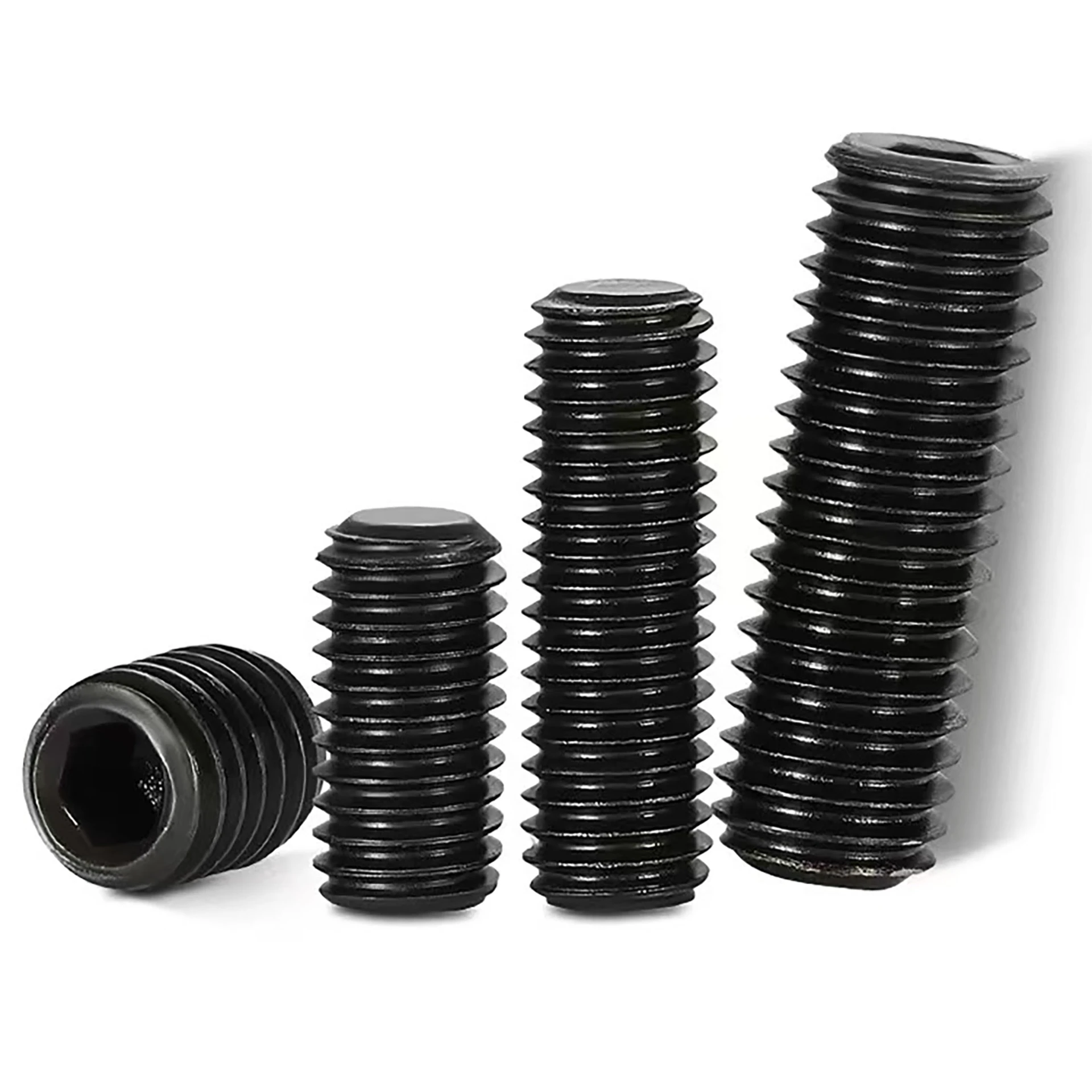
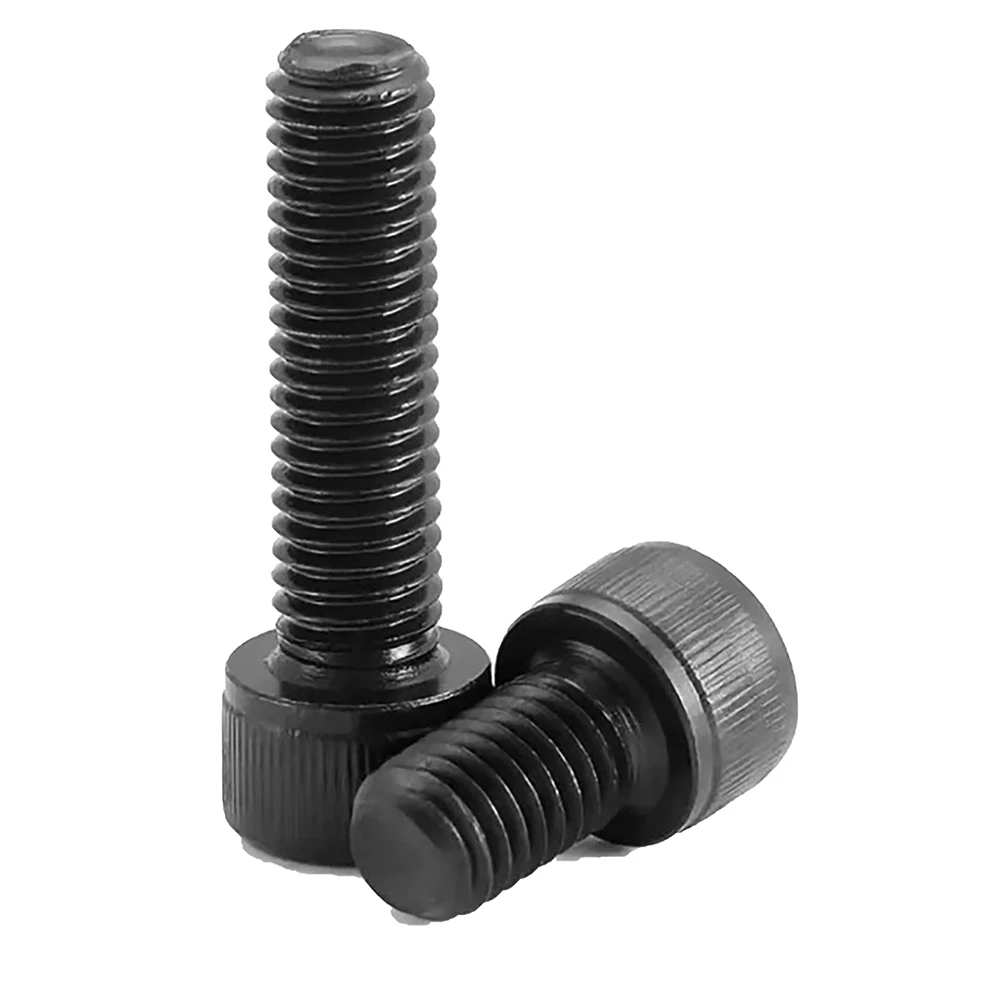
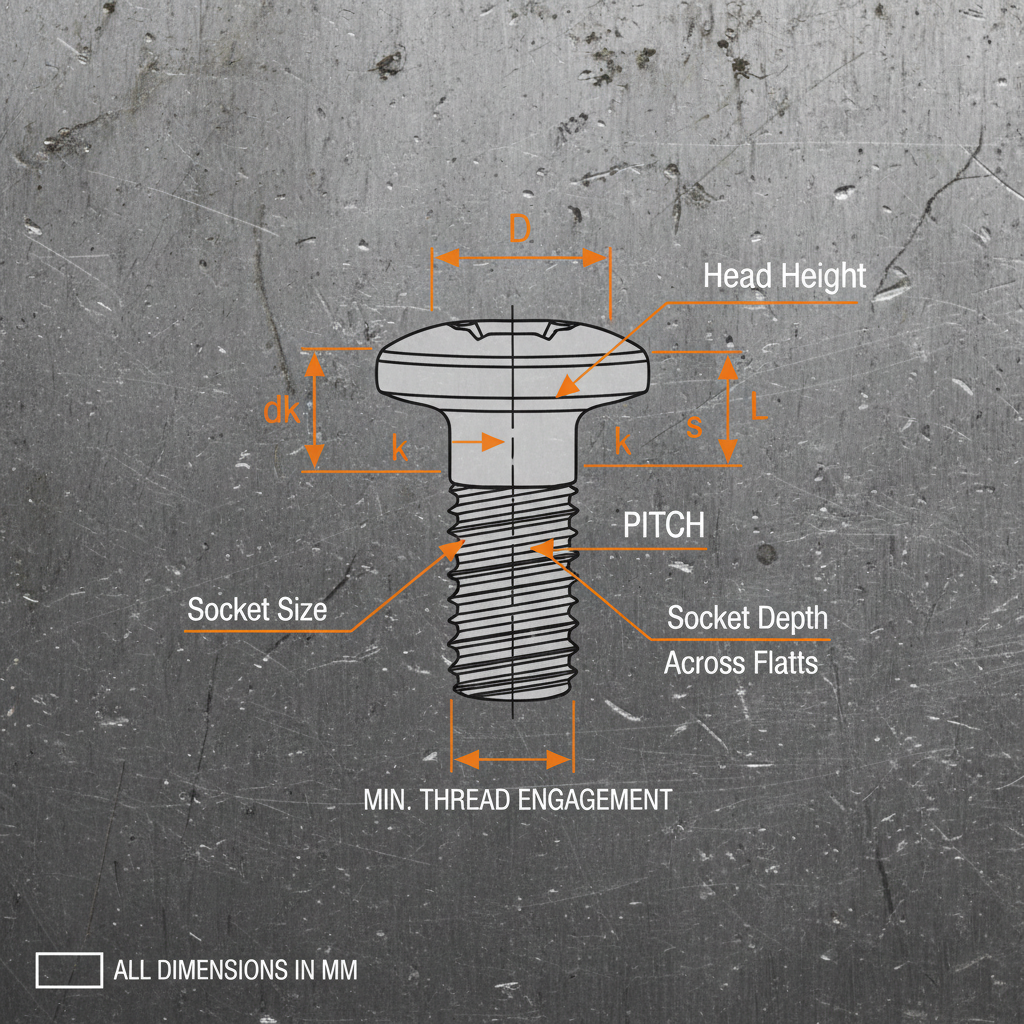
Simply put, an m6 socket cap is a type of hex socket head cap screw with a thread diameter of 6 millimeters. Its defining feature is the hexagonal recess in the head, allowing it to be tightened or loosened using a hex key or Allen wrench.
Thanks to this design, it provides superior torque transfer compared to slotted or Phillips heads, which makes it ideal for machines that require tight and secure fastening. This translates directly into safer products and longer-lasting assemblies.
You could say it’s the go-to fastener when both space and strength matter — think precision electronics or automotive parts where everything must line up just right.
Core Characteristics of the M6 Socket Cap
1. Durability
Often made from stainless steel or alloy steel, the m6 socket cap offers excellent resistance to corrosion and fatigue. This is essential in industries like marine engineering or outdoor equipment manufacturing, where exposure to harsh environments is common.
2. Size and Scalability
With a 6mm thread diameter, the m6 size strikes a balance — strong enough to handle significant loads but small enough for compact designs. This scalability makes it popular across sectors from electronics to heavy machinery.
3. Cost Efficiency
Compared to custom fasteners, the m6 socket cap is mass-produced with standardized tolerances, cutting costs without compromising quality. This affordability ensures widespread use in everything from automotive assembly lines to general manufacturing.
4. Versatility
This fastener adapts well to various coatings and finishes (e.g., zinc plating, black oxide) depending on industry requirements. So whether you need extra corrosion resistance or aesthetic appeal, the m6 socket cap fits the bill.
Product Specification Table
| Specification | Details |
|---|---|
| Thread Diameter | 6 mm |
| Thread Pitch | 1.0 mm (standard) |
| Material | Alloy Steel / Stainless Steel |
| Head Type | Hex Socket (Allen Head) |
| Length Range | 10 mm to 100 mm+ |
| Common Coatings | Zinc plated, Black oxide, Galvanized |
Global Applications & Use Cases
Oddly enough, this tiny part has an impressively broad footprint. Here are some real-world examples:
- Automotive industry: Used extensively in engine components and chassis assembly due to strength and tight torque requirements.
- Consumer electronics: Compact devices like laptops or smartphones rely on m6 socket caps for internal brackets and mounts where space is tight.
- Construction: Prefabricated metal structures and modular housing units benefit from easy, repeatable assembly using these screws.
- Renewable energy: Wind turbines and solar panel mounts use corrosion-resistant m6 socket caps guaranteed for long service life outdoors.
- Aerospace: Precision and safety demand top-quality fasteners—m6 socket caps meet these stringent standards reliably.
Vendor Comparison Table
| Vendor | Material Options | Standard Compliance | Typical Pricing (per 100 pcs) |
|---|---|---|---|
| FastenBoen | Alloy Steel, Stainless Steel | ISO 4762 Certified | $25 - $35 |
| BoltMaster | Stainless Steel Only | ISO 4762 Compliant | $30 - $40 |
| SecureScrews | Alloy Steel | Non-Certified | $20 - $30 |
Advantages & Long-Term Value of M6 Socket Caps
The immediate advantage? Reliability. When you need a fastener that can endure vibration, load, and sometimes exposure to chemicals, m6 socket caps deliver. This safety translates into trust on the assembly line and with end-users alike.
Plus, they enhance sustainability efforts. Their durability reduces replacements — which means less waste and lower resource consumption over time. Customers appreciate that reliability not only protects their investment but also brings a sense of dignity to workers installing and maintaining equipment.
What’s Next? Future Trends & Innovations
The fastening world is quietly evolving with advancements in materials science and digital manufacturing. For instance:
- Smart coatings: Enhanced corrosion-resistant layers using nano-technology.
- Eco-friendly alloys: Biodegradable or easy-to-recycle metals reduce environmental impact.
- Automated assembly: Robotics use AI-guided torque tools optimized for m6 socket caps to avoid overtightening.
- 3D printing: Custom socket caps with embedded sensors or features for next-gen machinery.
Challenges and How to Overcome Them
Frankly, sourcing high-quality m6 socket caps consistently can be tricky, especially if standards vary between vendors or regions. Another challenge is ensuring operators use the correct torque—too loose and parts may fail, too tight and you risk thread damage.
Experts recommend thorough supplier audits and proper training to mitigate these risks. Innovations in digital torque wrenches and supply chain traceability help as well.
FAQ: Common Questions About M6 Socket Caps
Q1: What distinguishes an m6 socket cap from other screws?
A1: The m6 socket cap features a hexagonal recess in the screw head, enabling better torque control and a compact head size compared to other screw types. This makes it ideal for high-precision, confined spaces.
Q2: Are m6 socket caps reusable after removal?
A2: Yes, they typically can be reused if not damaged or corroded. However, always inspect threads and head condition before reuse to ensure safety and performance.
Q3: How do I choose between stainless steel vs alloy steel m6 socket caps?
A3: Stainless steel offers superior corrosion resistance, ideal for outdoor or marine environments. Alloy steel is stronger and typically used where mechanical strength is paramount but may need coatings to resist corrosion.
Q4: Can m6 socket caps be used in high-temperature applications?
A4: Generally yes, but it depends on the steel grade and coating. High-grade alloys and special heat-resistant finishes are available for extreme conditions.
Q5: Where can I find certified m6 socket caps?
A5: Reliable industrial suppliers like FastenBoen offer ISO 4762 certified products vetted for global standards compliance.
Conclusion: The Small Part with Big Impact
Long-term, m6 socket caps continue to be a foundational component in manufacturing industries worldwide. Their balance of size, strength, and versatility makes them indispensable. If you’re sourcing or specifying fasteners, don’t overlook the humble m6 socket cap — it might just be the unsung hero of your project.
Visit our website today: https://www.fastenboen.com to explore a wide range of high-quality m6 socket caps and related products.
Mini Takeaway: The m6 socket cap might be small, but it’s large in global impact, combining precision engineering with broad industrial use — a smart choice for sustainable, reliable assembly.
References:
Who We Are: The Right Fastener Partner for Global SMEs
Handan Boen Fastener Manufacturing Co., Ltd. (Est. 2010) specializes in producing standardized industrial fasteners, including bolts, nuts, washers, and other essential components. We provide cost-effective for small and medium-sized buyers in industries such as automotive parts, agricultural machinery, and construction.