M7 Cap Head Screws: Reliable Industrial Fasteners You Can Trust
Why the M7 Cap Head Screw Still Matters in Industrial Applications
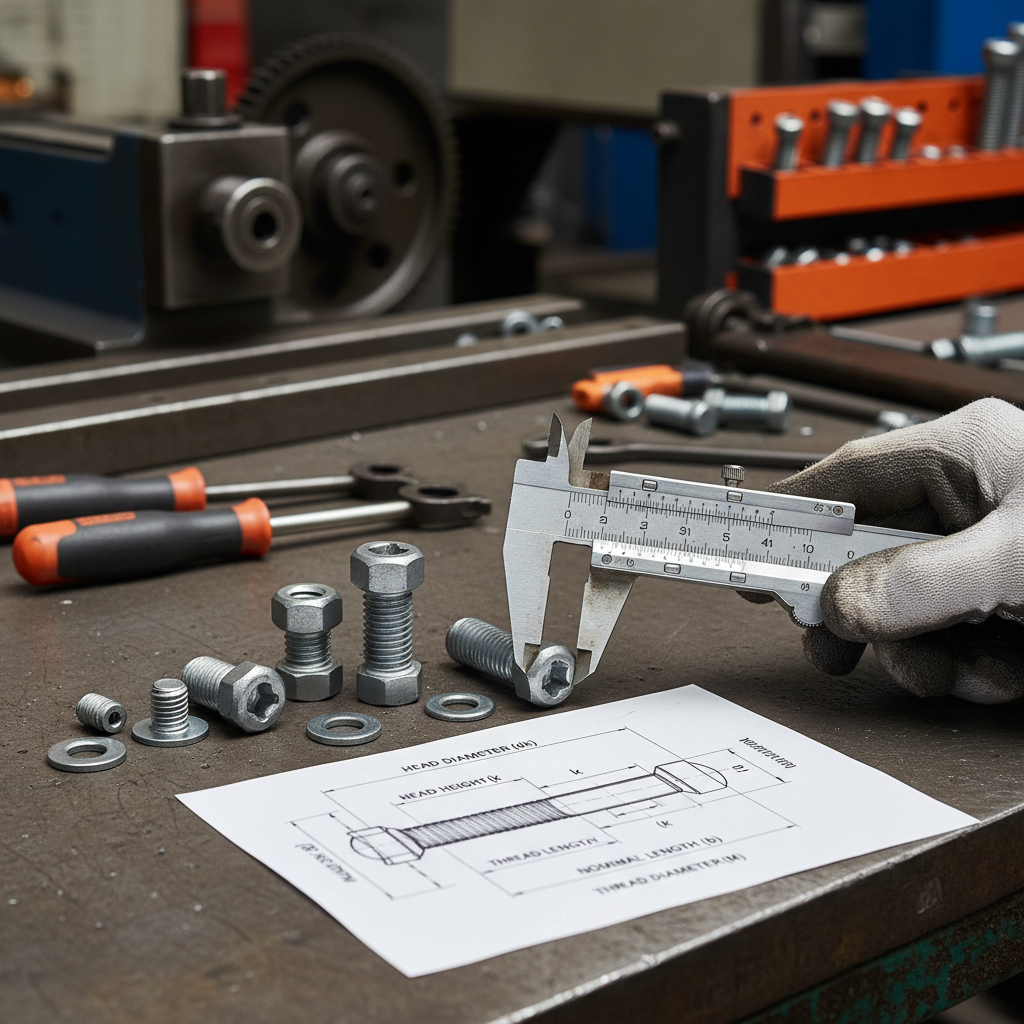
Having spent a fair chunk of my career in the industrial equipment sector, I can genuinely say few fasteners have the quiet reliability of the M7 cap head screw. Oddly enough, it’s one of those components people rarely talk about — but it’s the backbone of countless assemblies, from heavy machinery to precise instrumentation.
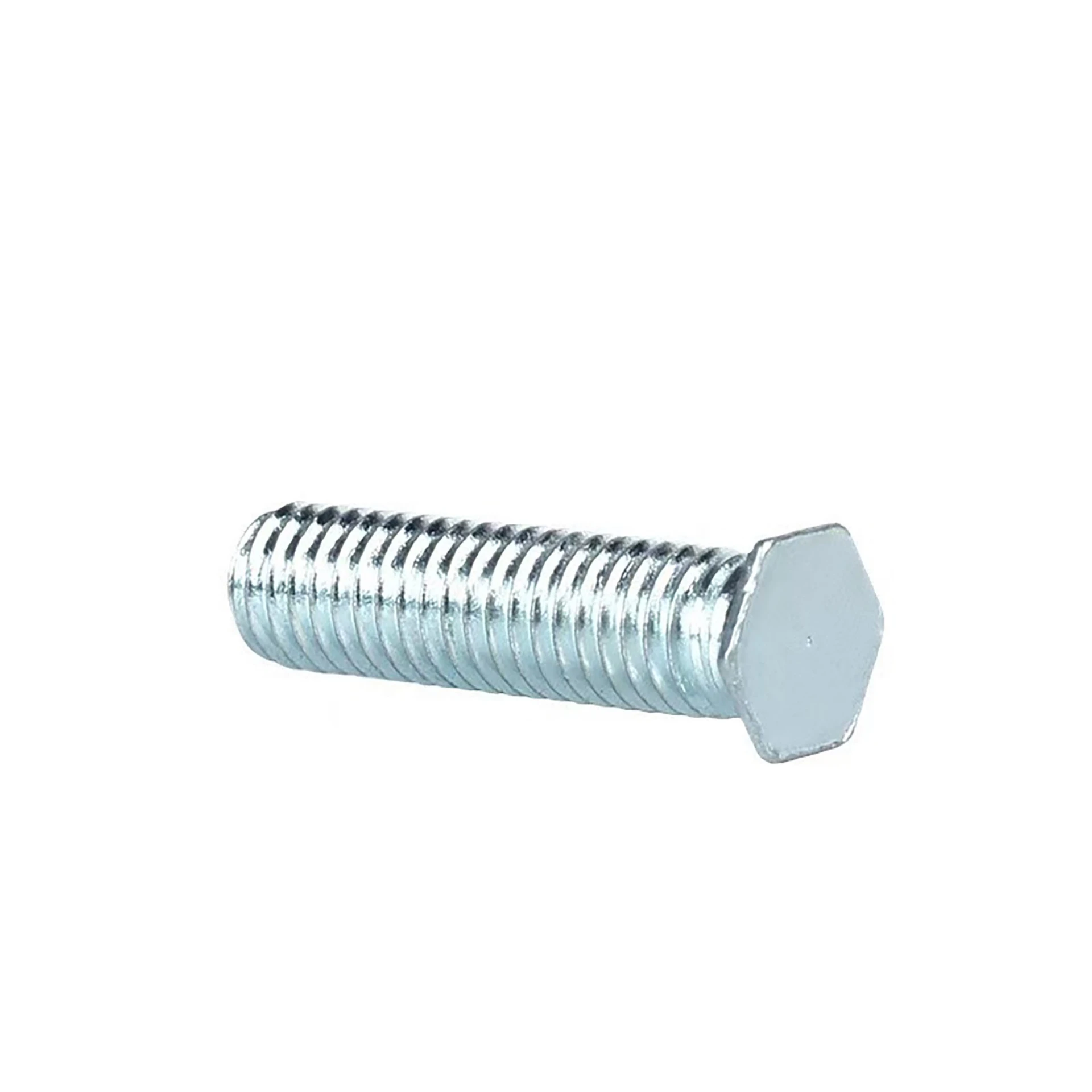
Now, the M7 cap head isn’t your everyday fastener. Its design is tailored for torque control and durability. The cap head style, recognizable by that cylindrical shape with a hexagonal recess, allows technicians to apply high torque without stripping. I remember a project years ago involving hydraulic systems where our M7 screws faced intense pressure cycles — and yet they didn’t budge an inch. That kind of performance really earns respect.
Let’s talk materials for a second. Most M7 cap heads are made of stainless steel or alloy steel, lending them impressive corrosion resistance and tensile strength. For example, stainless steel variants shine in outdoor or marine environments, where salt and moisture would typically corrode less robust fasteners. Many engineers swear by A2 or A4 stainless grades for just that reason.
In real terms, a well-chosen M7 cap head can save hours in maintenance because you won’t deal with stripped heads or broken screws. The hex recess also means using a versatile Allen key or hex driver is all you need — no fancy tools, no fuss. If you’ve ever struggled with rounded-off heads, you’ll appreciate this design feature.
Manufacturing standards? Most M7 cap heads conform to ISO 4762 or DIN 912, which frankly ensures consistent dimensions and mechanical properties. For me, knowing that sort of international standard applies means I can trust the fastener will fit perfectly and perform reliably, no matter the supplier.
Here’s a quick specs rundown I think worth sharing:
| Specification | Details |
|---|---|
| Thread diameter | 7 mm |
| Thread pitch | 1.0 mm (standard) |
| Length range | 10 mm to 100 mm |
| Material | Stainless steel (A2/A4), Alloy steel |
| Head style | Cap head (hex socket) |
| Standards | ISO 4762, DIN 912 |
You might wonder how vendors compare on this straightforward product. Let me lay out some observations. It’s surprising how much variation can exist in finish quality or dimensional tolerances even when specs look identical on paper. In my experience, a few key vendors stand out — some offer more consistent thread cutting, others focus on corrosion-proof coatings, and a handful provide customization that could be critical for unique machinery.
| Vendor | Material Options | Tolerance Accuracy | Custom Lengths | Corrosion Resistance Coating |
|---|---|---|---|---|
| FastenBoen | Stainless & Alloy Steel | ±0.05 mm | Yes | Available |
| Vendor B | Alloy Steel only | ±0.1 mm | Limited | None |
| Vendor C | Stainless Steel | ±0.07 mm | Yes | Available |
I recall one client, a machine builder specializing in agricultural equipment, who switched exclusively to the M7 cap head screws from FastenBoen after dealing with premature corrosion on previous brands. Their maintenance downtime dropped significantly — which, let’s be honest, always excites folks in production.
To sum it up — whether you’re designing new equipment, repairing heavy-duty machinery, or just stocking your shop, choosing the right M7 cap head screw is more than just ticking a box. The details like material grade, head design, and vendor quality can make or break your operation.
In my experience, trust in a quality fastener like this pays off quietly but consistently — and that’s exactly what you want on the factory floor.
References:
1. ISO 4762: Hexagon socket head cap screws — product specifications.
2. Fastener Industry Standards and Material Grades, TechSpec Journal, 2021.
3. Case Study: Agricultural Machinery Efficiency Improvements, Machinery World, 2019.
Who We Are: The Right Fastener Partner for Global SMEs
Handan Boen Fastener Manufacturing Co., Ltd. (Est. 2010) specializes in producing standardized industrial fasteners, including bolts, nuts, washers, and other essential components. We provide cost-effective for small and medium-sized buyers in industries such as automotive parts, agricultural machinery, and construction.