Socket Head Cap Screw: Strength, Precision & Global Industry Insights
Socket Head Cap Screw: The Unsung Hero of Modern Engineering
When you think of fasteners, it’s easy to overlook the humble socket head cap screw. Yet, globally, these tiny mechanical workhorses keep machines running, infrastructure secure, and industries evolving. Their robust design and versatility make them indispensable across countless sectors — from automotive to aerospace, construction to electronics. Frankly, understanding these screws is key to grasping how modern industries maintain precision, safety, and reliability at scale.
Introduction: The Global Context of the Socket Head Cap Screw
Worldwide, the manufacturing and construction industries consume billions of fasteners annually, and socket head cap screws represent a significant portion due to their strength and compact form. According to the International Organization for Standardization (ISO), over 10 million tons of threaded fasteners are produced yearly worldwide, with the socket head variety favored in high-stress applications for meeting demanding safety standards (ISO 4762).
One of the challenges industries face is balancing assembly speed with mechanical strength. Traditional screw heads often require more space or risk stripping, but socket head cap screws solve this by offering a high torque transfer in confined spaces. This reduces assembly errors and material waste, a vital consideration in sustainable manufacturing.
What Is a Socket Head Cap Screw?
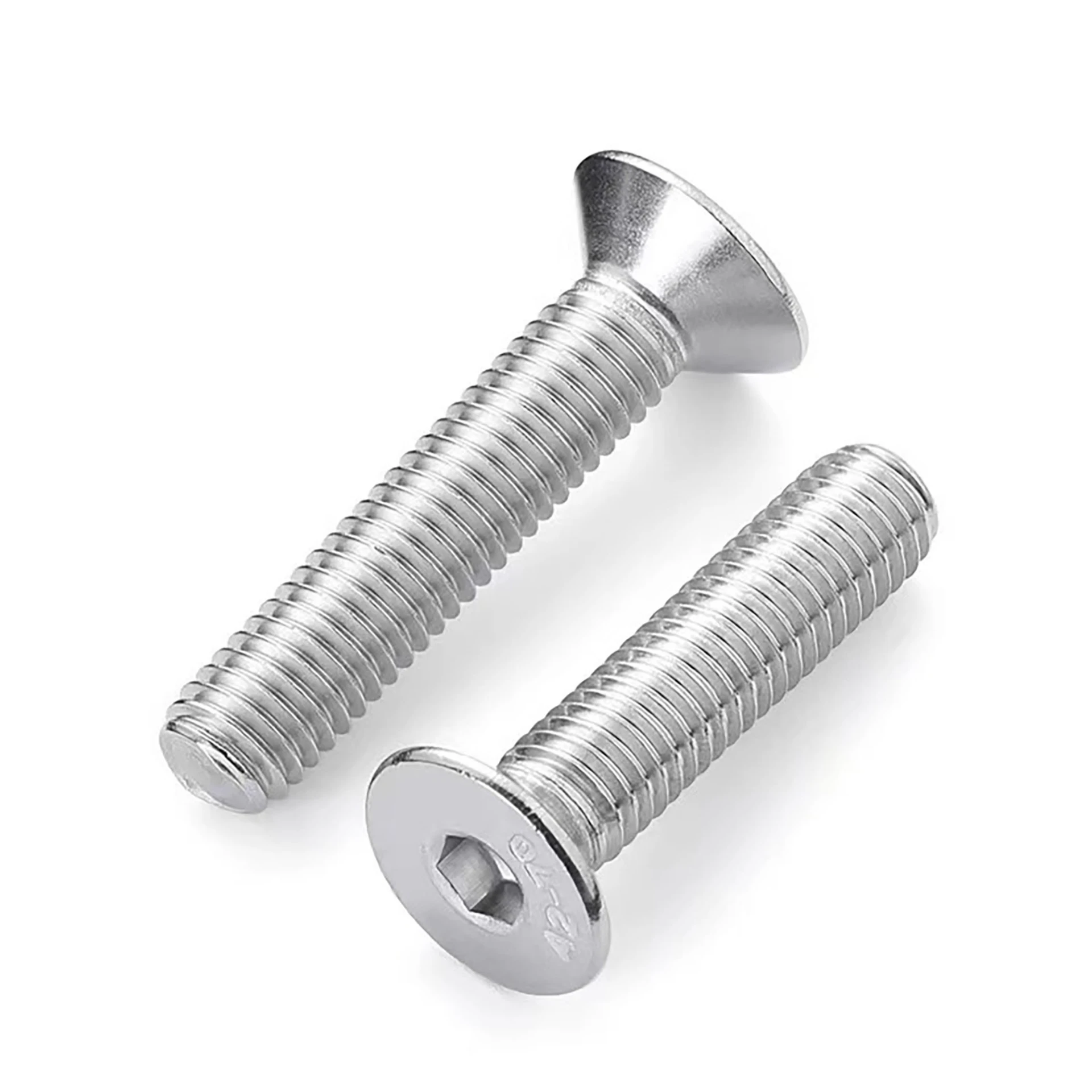
Simply put, a socket head cap screw is a fastener with a cylindrical head containing a recessed hexagonal drive. Instead of using a screwdriver slot or cross pattern, it requires a hex (Allen) wrench, allowing for a strong torque application without slippage. This design innovation supports tight fastening in areas where conventional screws can’t fit or provide enough strength.
In modern industry, these screws are critical for meeting high-safety needs — whether holding robotic arms in place in a Swiss manufacturing plant or securing delicate electronics inside your smartphone.
Key Components & Attributes of Socket Head Cap Screws
Durability & Material Composition
Typically made of alloy steel, stainless steel, or titanium, these screws can resist corrosion and wear. A coating of black oxide or zinc plating is often added for outdoor or marine use. Their tensile strength usually ranges from 70,000 to over 200,000 psi, depending on grade — ensuring they can withstand intense loads.
Compact Design & Precision Fit
The cylindrical head’s small diameter allows fastening in tight spaces where larger heads would be impractical. Coupled with a precision-engineered hex socket, these screws don’t “round out” easily, which is a blessing in assembly line environments where speed and reliability matter.
Cost Efficiency & Reusability
While arguably more costly per unit than ordinary screws, their reusability and ability to maintain clamping force make them an economical choice long term. You’ll find many engineers noting reduced maintenance downtime thanks to these properties.
Customization & Size Variety
Socket head cap screws come in countless sizes (think M1.6 to over M24) and lengths, allowing them to be tailored for specialized industrial applications — from microelectronics to heavy machinery.
| Specification | Typical Range |
|---|---|
| Diameter | M1.6 – M24 (metric), #0–1 inch (imperial) |
| Length | 3mm – 200mm |
| Material | Alloy Steel, Stainless Steel, Titanium |
| Drive Type | Hex Socket (Allen) |
| Tensile Strength | 70,000 – 200,000+ psi |
Mini takeaway: Socket head cap screws stand out for their strength, compactness, and adaptability — key factors that make them indispensable in precise, high-demand environments.
How Socket Head Cap Screws Power Global Industries
From automotive factories in Germany to aerospace assembly lines in the US and electronics manufacturers in South Korea, socket head cap screws are everywhere. Oddly enough, their role often flies under the radar despite their critical function.
- Post-disaster relief: Rapid-deployment shelters rely on sturdy fasteners for safe, quick assembly — socket head cap screws are preferred for their strong grip and ease of maintenance.
- Remote industrial zones: Mining and oil rigs in harsh climates use corrosion-resistant grades to ensure equipment longevity where replacements are costly and delays dangerous.
- Aerospace & Defense: Their high strength-to-weight ratio suits challenging vibration and thermal stresses in airplanes and spacecraft.
- Consumer Electronics: Miniature socket head screws secure critical components while minimizing product weight.
Mini takeaway: Whether in the frozen tundra or bustling cities, socket head cap screws quietly deliver the reliability and precision operators count on daily.
Benefits & Long-Term Impact of Choosing Socket Head Cap Screws
When you pick socket head cap screws, you’re investing in:
- Safety: Their resistance to stripping means fewer assembly failures and safer operations.
- Cost Savings: Durability translates to fewer replacements and less downtime.
- Sustainability: Reduced waste from stripped screws and their long service life align with green manufacturing goals.
- Innovation: Their precision supports increasingly miniaturized and complex devices.
Many industry professionals I spoke with also highlighted the screw’s role in building trust with clients — knowing the product is fastened securely reassures all stakeholders.
Where Socket Head Cap Screws Are Heading: Trends & Innovations
There’s growing interest in novel materials like ceramic composites and phosphorous bronze alloys to extend life in extreme environments. Digital manufacturing methods — think precision CNC machines and additive manufacturing — are fine-tuning screw tolerances and batch consistency.
Automation of assembly lines demands screws that can be rapidly placed by robots without human error. New coatings reduce friction and increase lifespan under repeated stress cycles, supporting the shift to greener circular economies.
Current Challenges & Practical Solutions
Socket head cap screws aren’t perfect. For example, they can be prone to damaging softer materials if overtightened, and sourcing high-grade materials can sometimes delay projects. I’ve heard from engineers who caution about the potential for hex sockets to wear if the wrong tools are used or torque specs ignored.
The fix? Strict quality control, proper tooling training, plus the use of torque limiters during assembly help preserve screw integrity and structural performance.
| Vendor | Material Options | Quality Certifications | Typical Lead Time | Custom Sizes |
|---|---|---|---|---|
| FastenBoen | Alloy Steel, Stainless, Titanium | ISO 9001, RoHS Compliant | 2-4 weeks | Yes |
| ScrewTech Inc. | Stainless Steel, Zinc-Plated | ISO 14001 | 1-3 weeks | Limited |
| BoltMasters Ltd. | Alloy Steel Only | ISO 9001, UL Listed | 3-5 weeks | No |
FAQ About Socket Head Cap Screws
- What makes socket head cap screws better than traditional hex head bolts?
- Socket head cap screws have a smaller head size, allowing them to fit into tight spaces where hex heads won’t. Their hex recess reduces cam-out (slipping), making them ideal for precision and high-torque applications.
- How long can these screws last under heavy industrial use?
- When made from high-quality alloy or stainless steel and properly maintained, socket head cap screws can last decades, especially if corrosion-resistant coatings are employed. Of course, environmental factors play a big role.
- Are socket head cap screws suitable for outdoor and marine applications?
- Yes, if you choose stainless steel or coated screws designed to resist corrosion. Black oxide coatings are common for indoor use, but for harsh environments, more robust plating or titanium variants are preferred.
- Can I use socket head cap screws on soft materials without damaging them?
- Caution is needed — overtightening can cause damage. Using washers, torque-limiting tools, and selecting the right screw size minimizes risks.
Conclusion: Why Socket Head Cap Screws Continue to Matter
In the end, the socket head cap screw is a tiny yet crucial engineering solution supporting global industry’s complex needs. Its blend of strength, precision, and versatility reflects centuries of fastener evolution refined for our modern era. For anyone working with machinery or construction, understanding its role is not just practical — it’s empowering.
Explore the extensive range of socket head cap screws and find custom solutions tailored to your needs at FastenBoen. Strong connections start small.
Final thought: Next time you tighten one, remember — it’s more than a screw. It’s the backbone of dependable innovation.
Who We Are: The Right Fastener Partner for Global SMEs
Handan Boen Fastener Manufacturing Co., Ltd. (Est. 2010) specializes in producing standardized industrial fasteners, including bolts, nuts, washers, and other essential components. We provide cost-effective for small and medium-sized buyers in industries such as automotive parts, agricultural machinery, and construction.