What is an M6 Cap? Global Uses, Benefits & Industry Guide
Understanding the M6 Cap: Why It Matters in Today's Global Industry
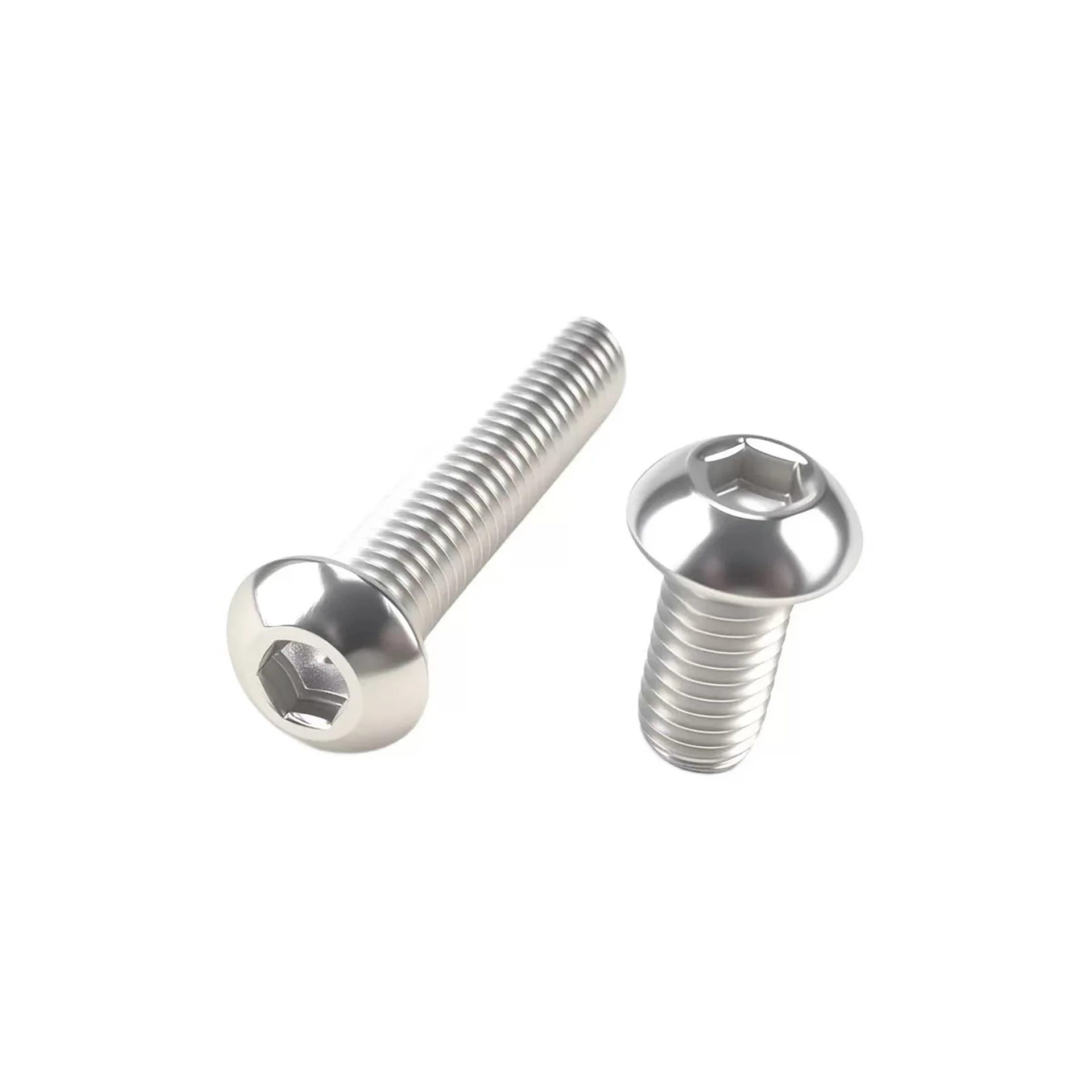
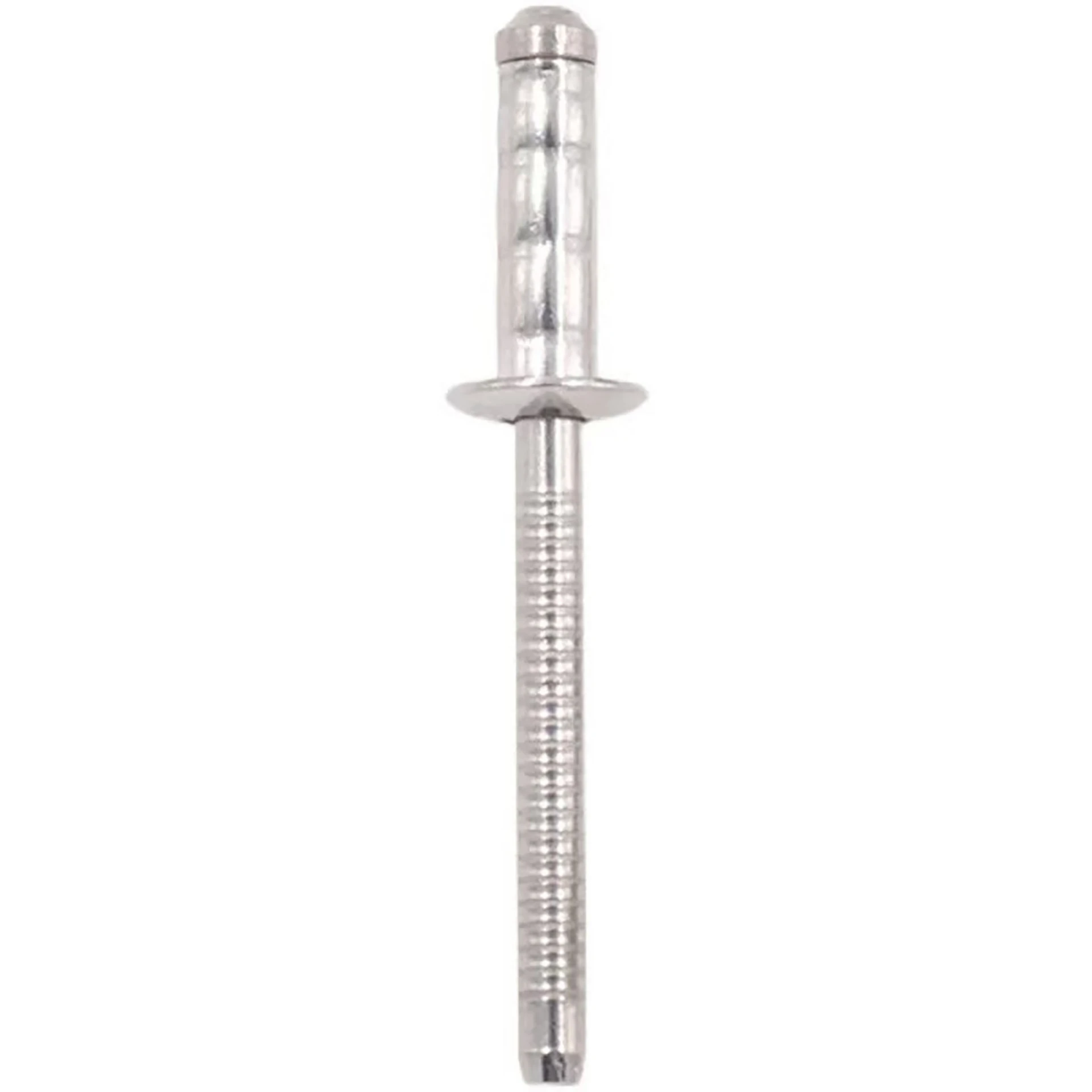
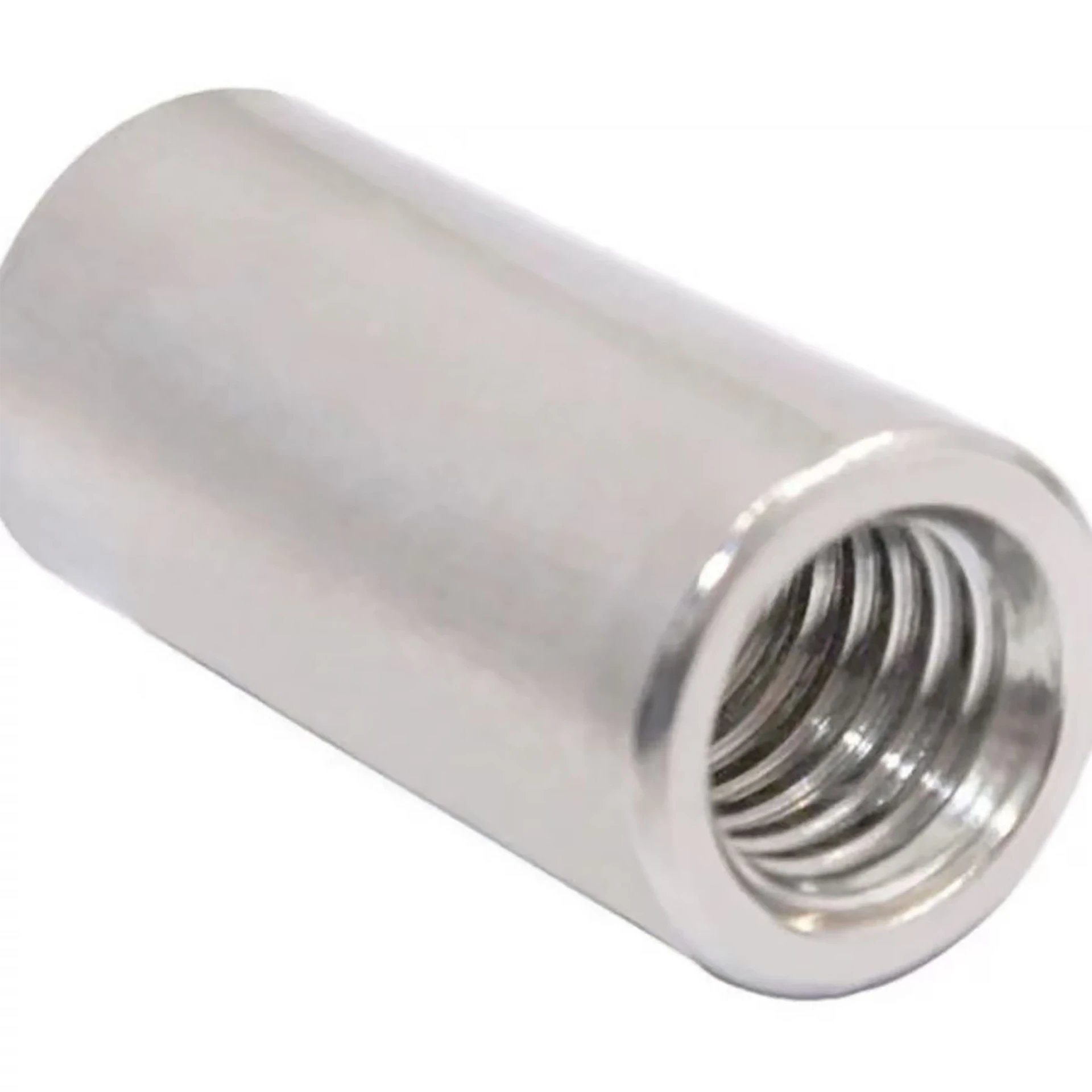
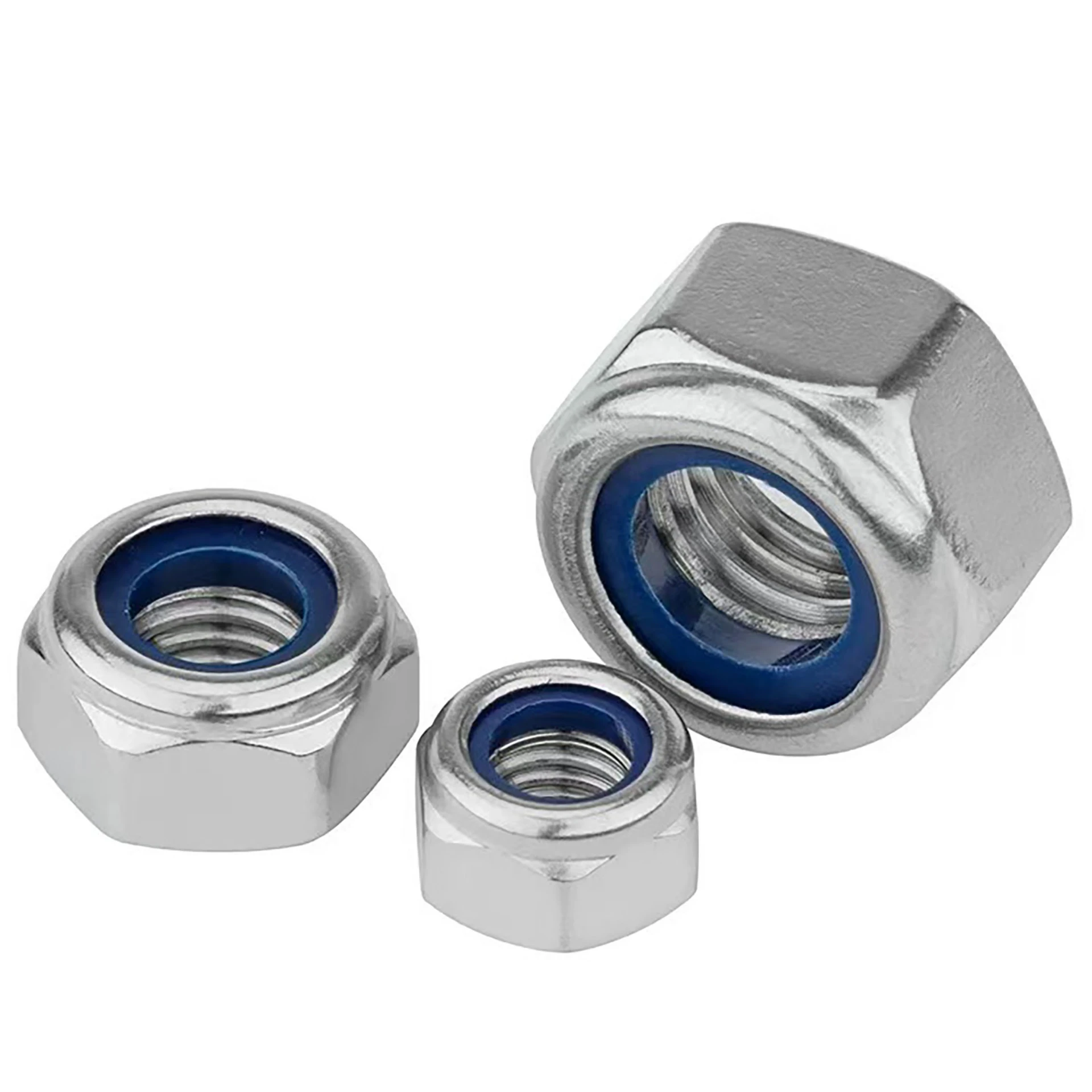
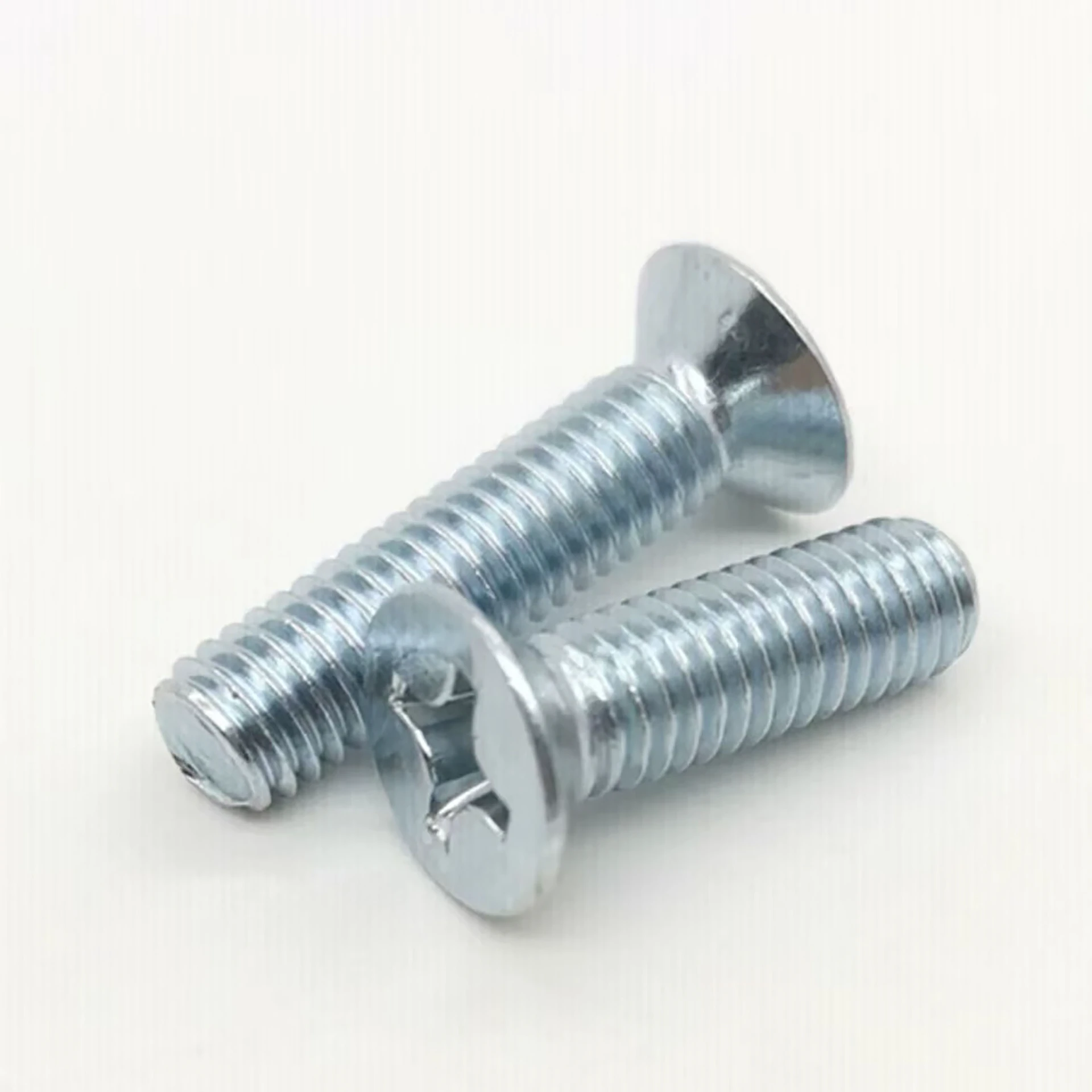
If you've ever tinkered with machinery, assembled furniture, or worked on technical installations, chances are you’ve encountered an m6 cap—either by name or by use. But what exactly is an m6 cap, and why does it hold a quiet yet crucial role in industries stretching from construction to electronics? In simple terms, the m6 cap is a type of hardware accessory—a protective or finishing cap designed to fit onto an M6 bolt or screw, which is defined by its metric 6mm thread diameter.
This little piece of engineering helps safeguard equipment, ensure user safety, and even contribute to overall system aesthetics. On a bigger scale, understanding m6 caps feeds into better manufacturing standards, aligns with safety regulations worldwide, and supports sustainable practices by extending product lifespan. Given the growth of industrial automation and tech integration globally, the m6 cap's relevance is only increasing. Let’s unpack this in more detail.
The Global Context of M6 Cap
Globally, industries rely heavily on standardization for efficiency and safety. The ISO 898 standard for metric screw threads, for instance, sets the stage for components like the M6 bolt—to which the m6 cap pertains. According to ISO and industry reports, M6 screws and their accessories are among the most commonly used sizes worldwide, powering sectors from automotive manufacturing in Germany to electronics assembly hubs in East Asia.
Yet challenges abound—untreated bolts risk corrosion; exposed threads may cause injury or snagging; and incomplete assembly aesthetics affect brand perception. In reality, the adoption of simple components like the m6 cap helps address these problems head-on, improving durability, operational safety, and consumer trust. Fasteners, often overlooked, are foundational to global manufacturing’s reliability.
What is an M6 Cap?
At its core, the m6 cap is a small, often plastic or rubberized cover designed to clip or screw onto M6 bolts or nuts. It acts as a protective shield, preventing dust, moisture, and mechanical damage from compromising the integrity of threaded connections. Think of it as the helmet for your hardware—it may be small, but it prevents a lot of headaches down the line.
These caps not only serve protective functions but also improve the finished product’s look by hiding unsightly hardware, creating cleaner lines. From industrial machinery to public benches, m6 caps connect a technical purpose with ergonomic and design sensibilities.
Key Factors in Understanding M6 Caps
1. Durability
The materials used for m6 caps often range from UV-resistant plastics to chemically resistant rubbers. This robustness ensures that caps can withstand harsh environmental conditions—be it outdoor exposure or industrial chemicals—without degradation. In practice, durable caps reduce maintenance downtime and replacement costs.
2. Fit and Compatibility
M6 caps must fit snugly without being too tight or loose. This balance affects ease of installation and retention over time. Manufacturers typically design for universal compatibility across standard M6 fasteners, but nuances do exist between brands.
3. Cost Efficiency
Given the high volumes in industrial use, m6 caps are typically low-cost components. Their affordability encourages widespread adoption, which cumulatively contributes to lowered overall maintenance expenses.
4. Aesthetic Appeal
While functional, m6 caps come in various colors and finishes, catering to industrial design trends as well as brand requirements. This adaptability has made them favorites in consumer goods, where appearance matters.
Typical Specifications of Common M6 Caps
| Specification | Standard M6 Cap | Heavy-Duty M6 Cap |
|---|---|---|
| Material | Nylon (UV-Resistant) | Thermoplastic Elastomer |
| Temperature Range | -40°C to 85°C | -50°C to 120°C |
| Chemical Resistance | Moderate | High |
| Color Options | Black, Gray, White | Black, Custom |
| Installation | Snap-fit | Snap-fit + Adhesive Option |
Comparing Leading M6 Cap Vendors
| Vendor | Quality | Price | Customization | Lead Time |
|---|---|---|---|---|
| FastenBoen | High | Competitive | Full Custom | 1-2 Weeks |
| GlobalCaps Inc. | Medium | Low | Limited | 3-4 Weeks |
| TechSeal Solutions | High | Premium | Custom Colors/Finish | 2-3 Weeks |
Global Applications of M6 Caps
You might be surprised by the vast spectrum of uses for these humble caps. In post-disaster relief operations, for example, temporary shelter setups use m6 caps on structural bolts to ensure safety and prevent injuries during rapid assembly. In remote industrial zones in Scandinavia, weatherproof m6 caps protect vital equipment exposed to extreme cold and moisture.
Electronics manufacturers in East Asia use colored m6 caps to code different parts for easier maintenance. Automotive companies in Europe depend on the durability of heavy-duty m6 caps for under-hood components that face heat and vibration. Just goes to show how multi-faceted their role is—technologically simple, but broadly impactful.
The Advantages and Long-Term Value of Using M6 Caps
- Cost-Effectiveness: Small investment that reduces corrosion and hardware failure, lowering long-term repair and replacement costs.
- Sustainability: By extending bolt and screw life, less metal waste accumulates, feeding into circular economy goals.
- Safety: Prevents accidental scratches and injuries from exposed threads; increases user and worker confidence.
- Visual Appeal: Cleaner, uniform finishes contribute positively to product branding and consumer perception.
Frankly, these are benefits that tick multiple boxes—financial, environmental, and emotional. The peace of mind from knowing your machinery or installation is protected goes beyond numbers.
Future Trends and Innovations in M6 Cap Design
The future is quite interesting here. As industries lean more into smart manufacturing, we are seeing integration of sensors underneath caps to monitor bolt integrity in real time. Sustainable materials, including biodegradable polymers, are gaining traction to reduce plastic waste.
Moreover, 3D printing is enabling highly customized cap designs tailored to unique industrial needs, speeding up prototyping and reducing supply chain bottlenecks. Policies encouraging green manufacturing (ISO 14001 compliance, for example) also push vendors to rethink materials and processes.
Challenges and Solutions in Current Practices
One ongoing challenge is ensuring caps stay firmly in place under extreme vibrations or chemical exposure. Some engineers mention that cheap caps tend to loosen quickly. However, adding features like improved snap-fit designs, optional adhesives, or even locking mechanisms are practical solutions already in development.
Another issue is standardization. While M6 is a global standard, variations in bolt head shapes or coatings complicate perfect fitment. Collaboration between fastener manufacturers and cap producers is key to solving this.
FAQ: Frequently Asked Questions About M6 Cap
- Q: Can m6 caps withstand outdoor weather conditions?
A: Yes, most m6 caps designed for outdoor use are made from UV-resistant plastics or elastomers that resist sun damage, moisture, and temperature swings. It's important to verify material specs for specific environments. - Q: How do I choose the right m6 cap for machinery?
A: Consider material durability, fit compatibility, color for coding purposes, and environmental exposures like chemicals or vibration. Consulting vendor datasheets and testing samples is always best. - Q: Is custom coloring available for m6 caps?
A: Many suppliers, including FastenBoen, offer custom colors and finishes for branding or functional coding needs. MOQ and lead times vary. - Q: Are m6 caps reusable after removal?
A: Generally, yes—snap-fit caps can often be reused multiple times unless damaged. For adhesive-backed caps, reusability depends on adhesive type and condition. - Q: What industries use m6 caps most?
A: Automotive, electronics, construction, furniture manufacturing, and industrial equipment sectors are top users due to the combination of protection and aesthetics m6 caps provide.
Conclusion: Why the M6 Cap Remains Indispensable
To wrap up, the m6 cap might seem like a humble accessory, but its global footprint and impact are anything but small. From enhancing safety and extending equipment life to supporting sustainability and modern design expectations, its role is quietly powerful. If you’re involved in manufacturing, maintenance, or engineering, getting familiar with the features and benefits of m6 caps can save headaches and dollars alike. Feel free to explore more about these versatile components at FastenBoen — your go-to for quality m6 caps and related fasteners.
In the end, remembering the small parts that hold big systems together helps us appreciate the craft behind robust engineering.
Takeaway: Sometimes, the tiniest components like the m6 cap make the biggest difference in reliability, efficiency, and safety.
References
Who We Are: The Right Fastener Partner for Global SMEs
Handan Boen Fastener Manufacturing Co., Ltd. (Est. 2010) specializes in producing standardized industrial fasteners, including bolts, nuts, washers, and other essential components. We provide cost-effective for small and medium-sized buyers in industries such as automotive parts, agricultural machinery, and construction.