Socket Cap Screw Dimensions: A Practical Guide for Industrial Use
Understanding socket cap screw dimensions in Industrial Applications
After working in the industrial equipment sector for more than a decade, I can tell you few components get as overlooked as socket cap screws — and yet, their dimensions hold a sort of quiet power in how well machines perform. Frankly, I've watched entire assembly lines stall because someone grabbed the wrong length or thread pitch. It’s an easy mistake, but with consequences.
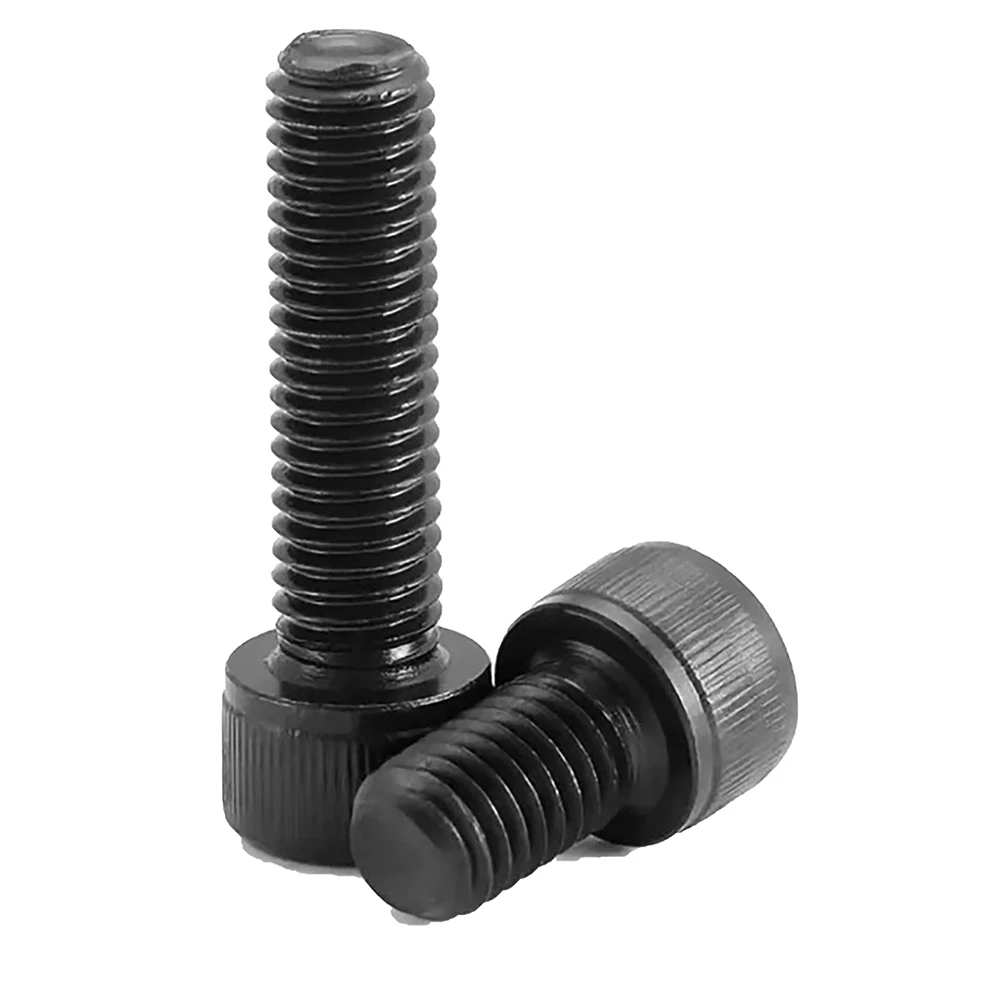
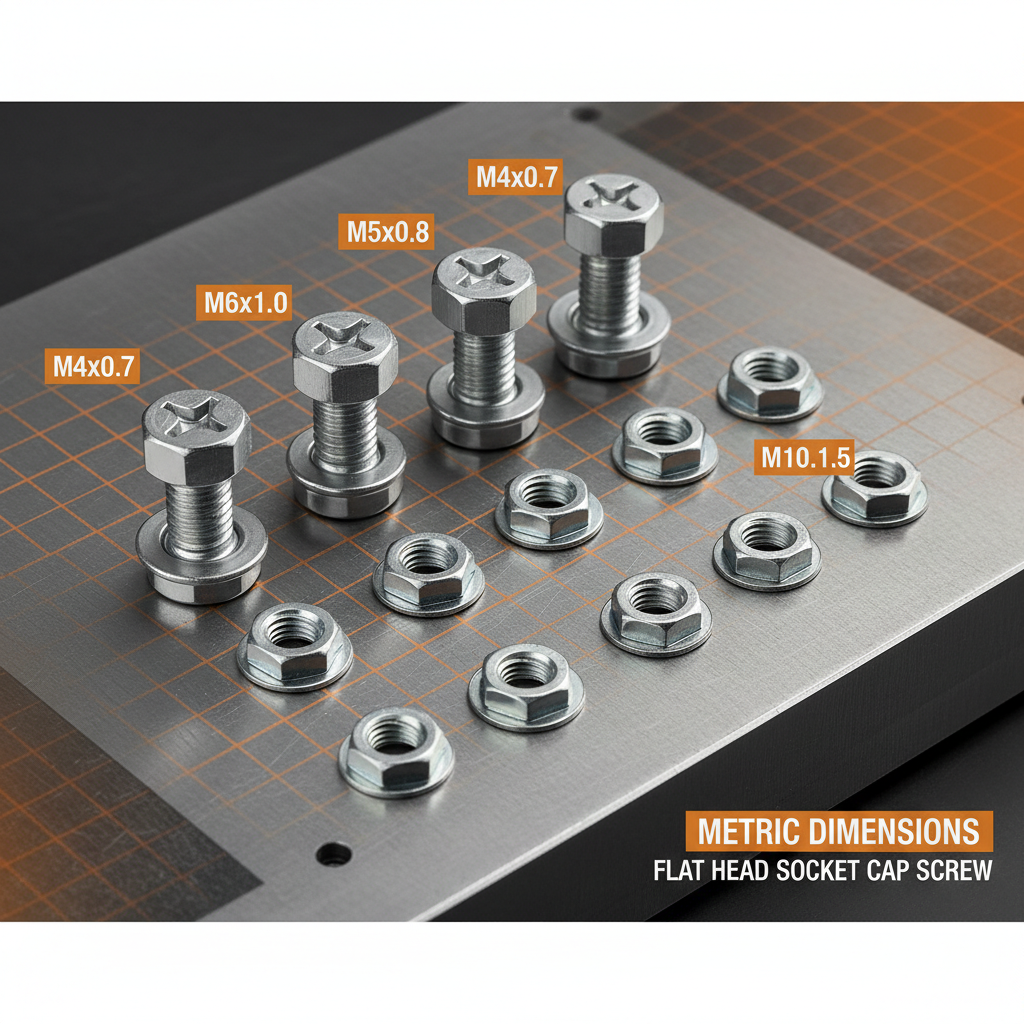
So, what are “socket cap screw dimensions” exactly? In practical terms, these are the key measurements that define the screw’s size and fit: diameter, head height, length, thread pitch – plus the crucial detail of the drive type (which for socket cap screws, is typically hex). These specs matter because the screw must fit precisely into its counterbore or tapped hole and handle the stresses involved without stripping or failing.
One thing I’ve noticed on the shop floor is how some engineers underestimate the head height and diameter. While it might seem like just “a screw,” those few millimeters make a world of difference for torque transmission. Too small a head and you risk rounded sockets; too big, and the screw may not sit flush, affecting assembly integrity.
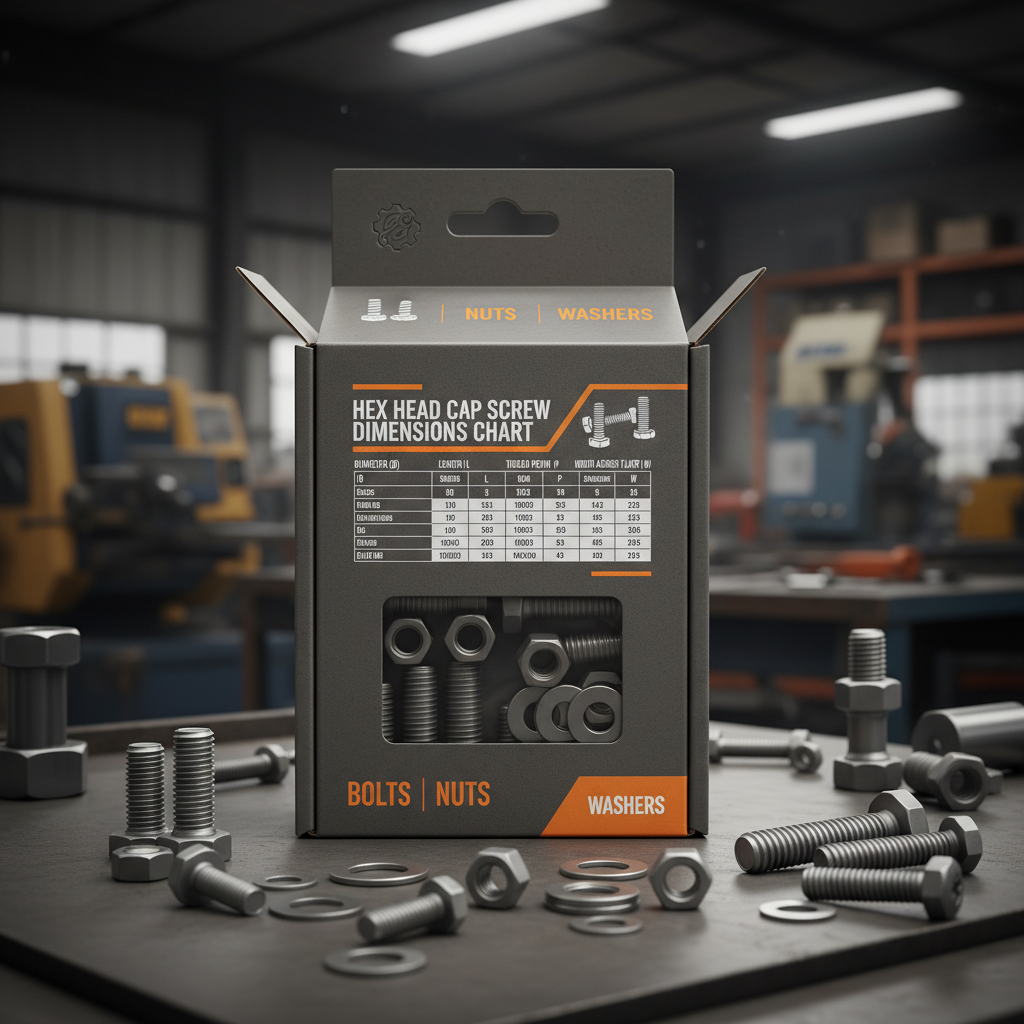
| Dimension | Typical Range (Metric) | Typical Range (Imperial) |
|---|---|---|
| Diameter (d) | M3 to M30 | #4 to 1 1/4" |
| Length (L) | 6 mm to 200 mm+ | 1/4" to 8" + |
| Head Diameter (dk) | 5.5 mm to 50 mm | 7/32" to 2" |
| Head Height (k) | 3 mm to 25 mm | 1/8" to 1" |
| Thread Pitch | Standard (e.g., 0.5 mm for M6) | UNC/UNF (e.g., 40 TPI for 1/4”) |
Oddly enough, socket cap screws are often associated with high-strength alloys — stainless steel, alloy steel grades like Grade 12.9, or even specialty coatings to resist corrosion or galling. The dimensions paired with the chosen material dictate performance, especially in high-vibration or load-bearing scenarios you find in industrial equipment.
Now, I recall a customer who was assembling automated packaging equipment. They sourced “generic” screws that looked fine on paper, but after a few days in operation, some screws loosened. Turns out the thread pitch was slightly off — not immediately noticeable without a precise gauge. Switching to properly dimensioned screws from a trusted vendor solved the problem. It felt like a light bulb moment; quality and specs are not just formalities, they’re the silent backbone of reliable equipment.
| Vendor | Material Grades | Tolerance Accuracy | Custom Sizes Available | Typical Lead Time |
|---|---|---|---|---|
| Fastenboen | Stainless Steel, Alloy Steel Grade 12.9 | ±0.1 mm | Yes (M2 to M30) | 2-4 weeks |
| Alpha Screws Inc. | Carbon Steel, Stainless | ±0.15 mm | Limited | 3-5 weeks |
| BoltPro | Alloy Steel Grade 10.9 | ±0.2 mm | No | 1-3 weeks |
In terms of industry trends, there’s growing demand for fully traceable socket cap screws — that means suppliers provide certification for dimensions, tensile strength, and material batch numbers. This is a direct response to tighter safety standards and more automated quality checks on assembly lines. I've seen more companies investing in these assurances rather than just going for the lowest-cost option.
To wrap it up, while it might feel like splitting hairs to fret over millimeter differences in socket cap screw dimensions, the truth is that those details can make or break your equipment’s reliability. So, next time you pick out a screw, think beyond the label — check the specs thoroughly. The right fit, material, and tolerances will save you headaches down the road, often quietly behind the scenes.
My takeaway? Never underestimate the humble socket cap screw.
References
- ISO 4762 – Socket Cap Screws, International Organization for Standardization
- Machinery’s Handbook, 30th Edition, Industrial Press
- Fastenboen Product Catalog and Technical Specifications
Who We Are: The Right Fastener Partner for Global SMEs
Handan Boen Fastener Manufacturing Co., Ltd. (Est. 2010) specializes in producing standardized industrial fasteners, including bolts, nuts, washers, and other essential components. We provide cost-effective for small and medium-sized buyers in industries such as automotive parts, agricultural machinery, and construction.