Socket Head Cap Nut – Global Applications, Benefits, and Innovations
Understanding Socket Head Cap Nuts: The Unsung Heroes of Industrial Fasteners
At first glance, socket head cap nuts might not be the star of the show in engineering or manufacturing conversations. Yet, these small components are quietly crucial to countless industries worldwide. They contribute immensely to the reliability, durability, and safety of machinery, vehicles, and infrastructure. Understanding socket head cap nuts isn’t just for engineers or technicians; it matters because these fasteners keep the mechanical world turning smoothly — from factory floors in Germany to remote energy installations in Africa.
Introduction: The Global Importance of Socket Head Cap Nuts
The global fastener market—which includes various nuts, bolts, and washers—is projected to exceed $93 billion by 2027 according to Markets and Markets. Socket head cap nuts, a distinct subset, play a pivotal role in providing strong clamping force without compromising compact designs. Their relevance transcends industries such as automotive, aerospace, construction, and renewable energy, contributing critically to innovations and durability standards.
However, the challenge remains: ensuring these fasteners meet exacting standards under tough conditions without inflating costs. From ISO guidelines on mechanical fasteners (ISO 898-2) to sustainability initiatives, socket head cap nuts are evolving in step with the industrial world’s push for better materials, improved performance, and environmental responsibility.
What Is a Socket Head Cap Nut?
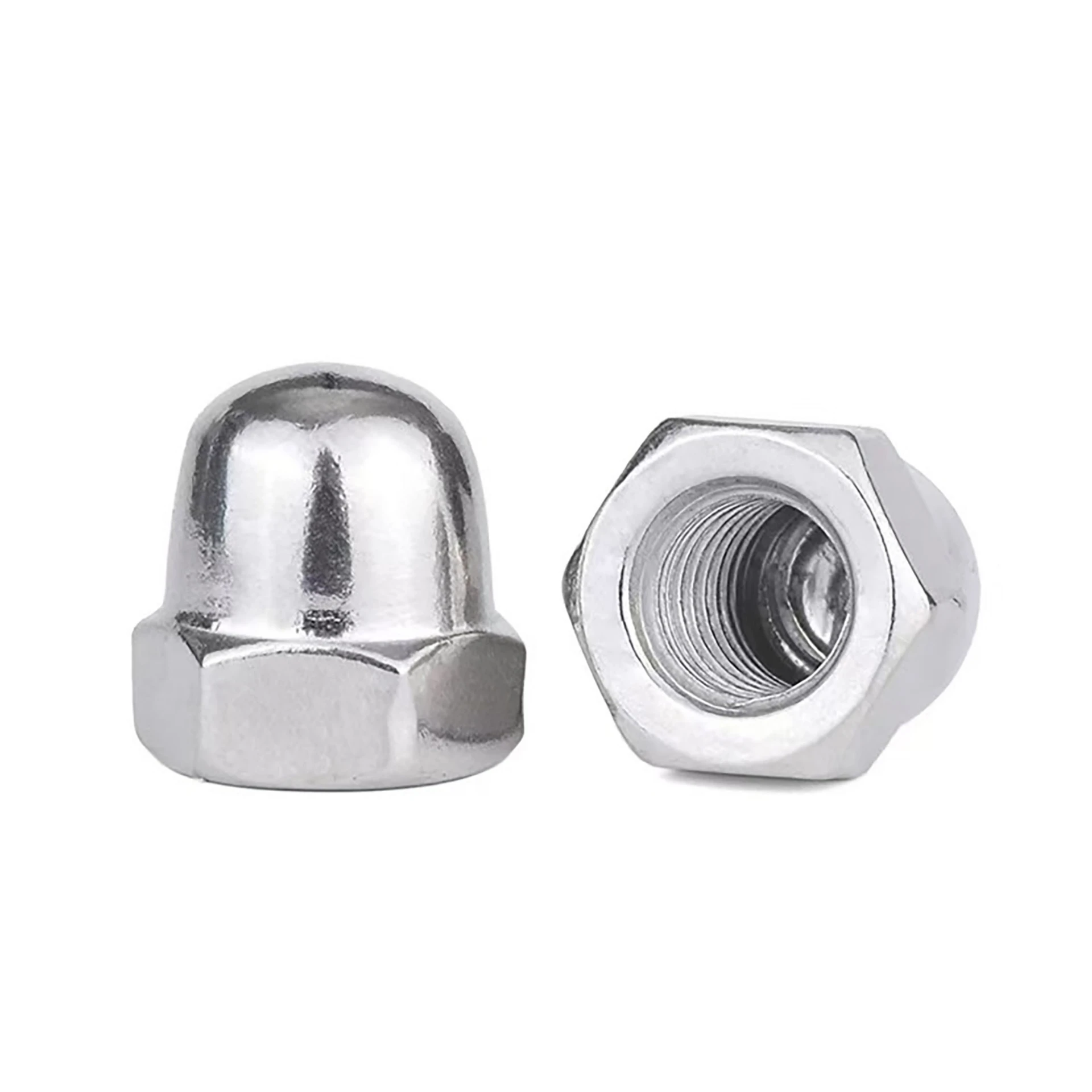
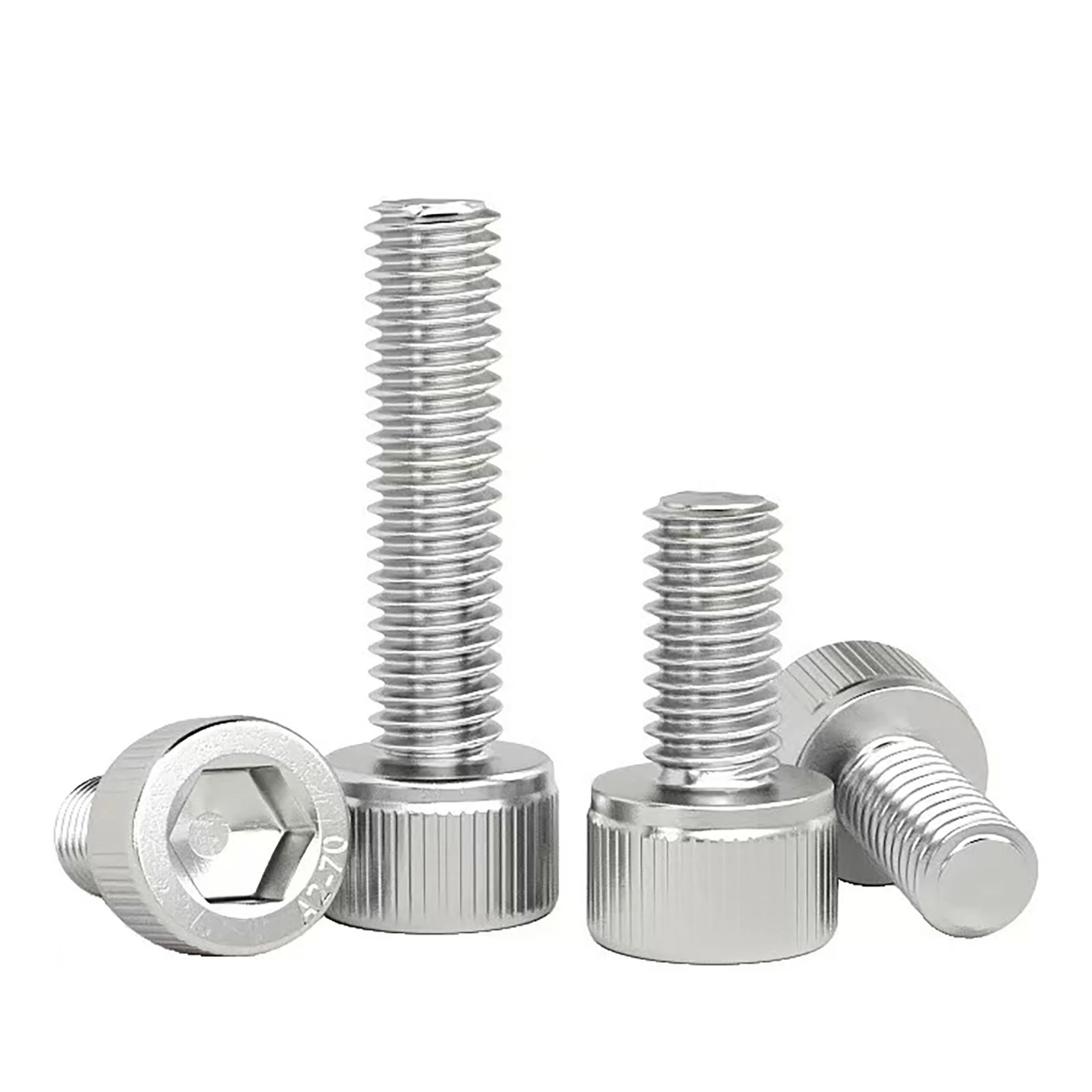
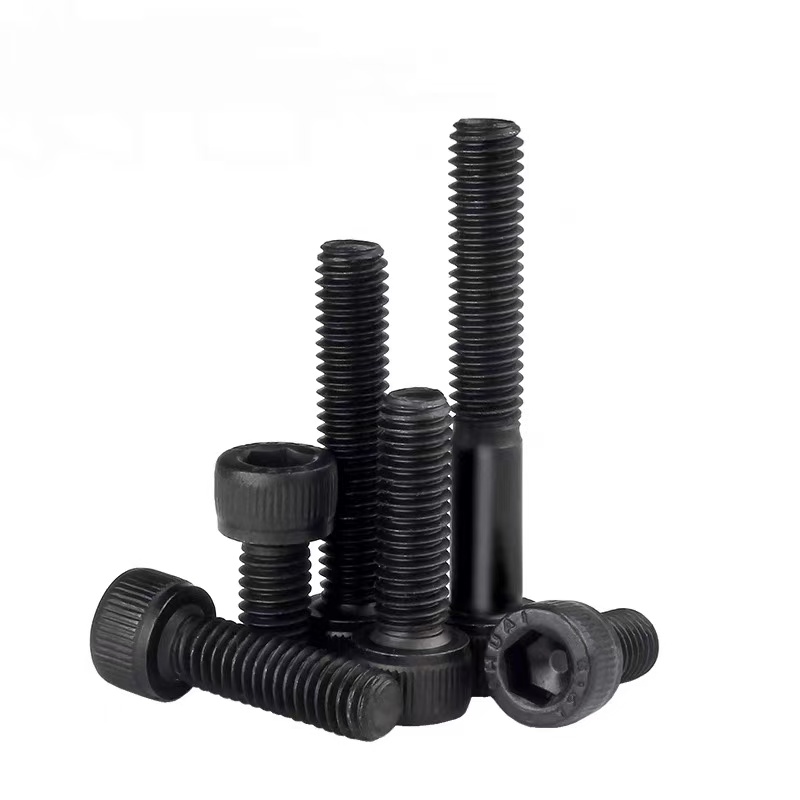
Put simply, a socket head cap nut is a type of fastener with a cylindrical head and an internal hexagonal drive (often called an Allen socket). Unlike hex nuts with external wrench flats, these nuts are tightened or loosened using a hex key, giving a neat, flush finish. Their design makes them perfect for assemblies where space is tight or where a smooth profile is needed.
In modern industries, socket head cap nuts connect parts with high precision — whether it’s aerospace components that face extreme temperatures or automotive engines enduring constant vibration. They’re also indispensable in humanitarian and infrastructural applications where reliability equals life safety.
Key Factors and Core Components of Socket Head Cap Nuts
1. Material Strength and Durability
Typically made from alloy steel or stainless steel, these nuts undergo heat treatment to provide high tensile strength. That’s why you see them used in critical load-bearing joints — they won’t simply shear off under pressure. In corrosive environments (think offshore oil rigs), stainless variants provide essential rust resistance.
2. Precision Engineering
The threads and hex socket are machined to tight tolerances to ensure snug fits and consistent torque transmission. This precision reduces wear and increases the nut’s lifespan—essential when downtime means costly repairs.
3. Compact, Space-Saving Design
By using an internal wrench drive, socket head cap nuts allow for smaller head profiles. This is a huge advantage in confined spaces or aesthetically demanding designs (say, aerospace or electronics assemblies).
4. Versatility & Customization
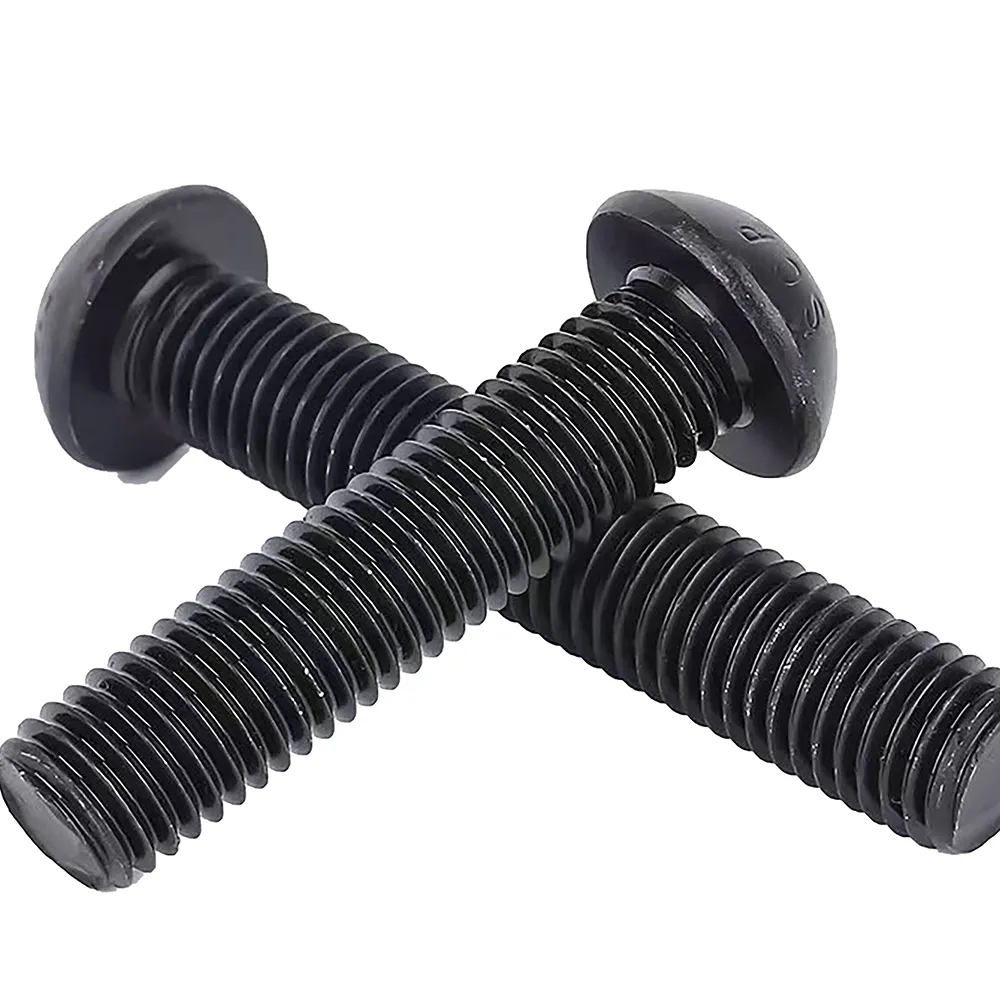
These fasteners come in multiple grades, coatings (such as zinc plating or black oxide), and sizes. This adaptability makes them suitable from heavy industry to detailed, delicate instrumentation.
5. Compliance and Standards
Manufacturers typically adhere to standards such as DIN 986 or ASTM specifications, ensuring consistent quality globally. Compliance isn’t just a checkbox; it’s essential for interoperability and safety.
| Specification | Typical Range | Details |
|---|---|---|
| Material | Alloy Steel, Stainless Steel 304/316 | Heat treated for tensile strength and corrosion resistance |
| Grades | 8, 10.9, A2-70, A4-80 | Classification based on strength and corrosion resistance |
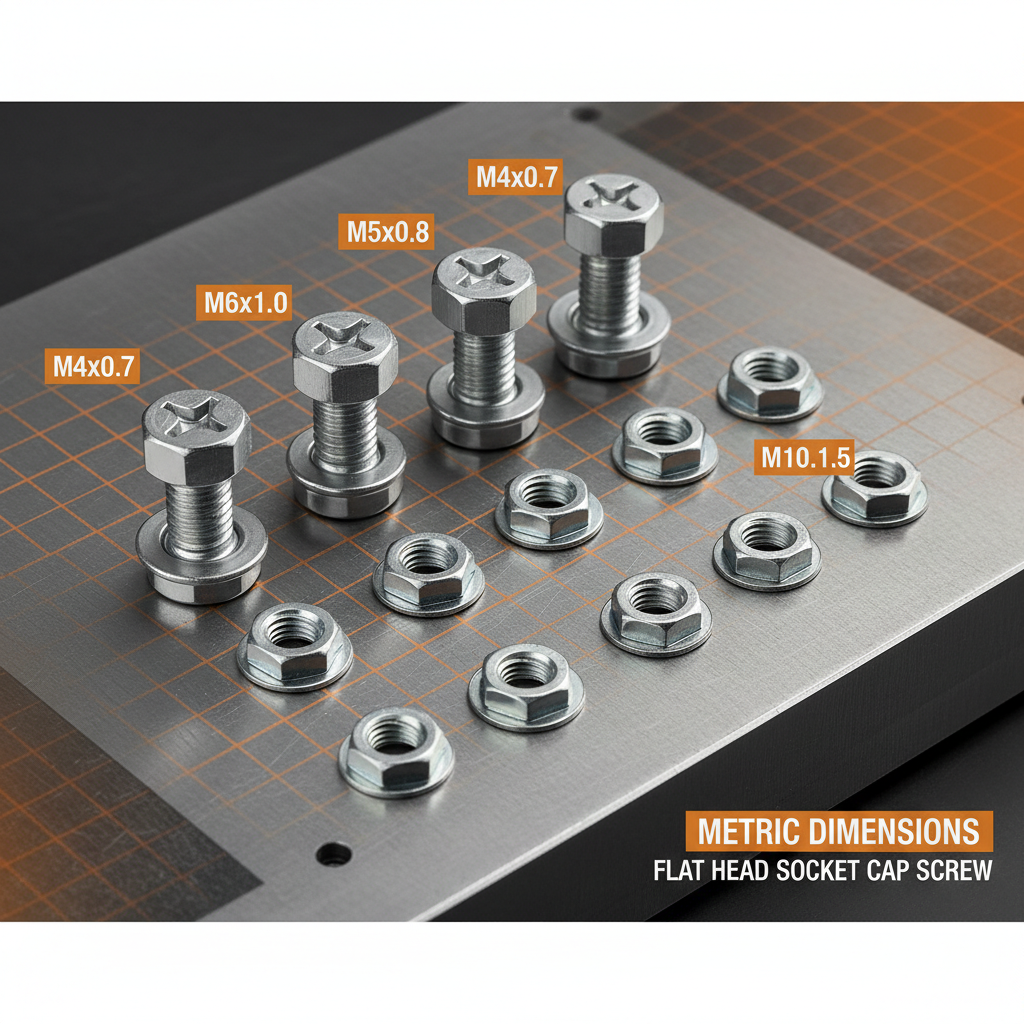
| Sizes | M4 – M24 (metric), 1/4” – 1” (imperial) | Wide range to fit various applications |
| Coatings | Zinc plating, Black oxide, Phosphate, Passivation | Protects against corrosion or improves aesthetics |
Mini takeaway: The socket head cap nut offers a unique blend of strength, precision, and compact design making it a staple across countless industrial sectors.
Real World Applications: How Socket Head Cap Nuts Impact Industries Globally
From the bustling automotive production lines in Japan to remote wind turbines in the Netherlands, socket head cap nuts are everywhere. Their compact and strong nature makes them ideal for:
- Aerospace: Used in airframe assemblies where weight and space are at a premium, and safety critical.
- Automotive: Suspension systems often rely on these nuts for strong joints that handle constant vibration.
- Construction: Structural components in bridges and buildings, especially where precise torque settings are required.
- Renewable Energy: Solar panel mounts and wind turbine hubs use corrosion-resistant socket head cap nuts to endure harsh outdoor environments.
- Industrial Machinery: Robotics and factory automation devices benefit from the reliability and easy maintenance these fasteners provide.
Oddly enough, they’re also central to humanitarian efforts — in post-disaster relief, quickly assembled shelters and emergency equipment depend on fasteners that are both reliable and easy to work with under pressure.
Advantages & Long-Term Value of Using Socket Head Cap Nuts
Socket head cap nuts tick a lot of boxes for manufacturers and end-users alike:
- Cost Efficiency: They reduce maintenance needs and part replacements, saving significant downtime costs.
- Sustainability: Longer lifespan and corrosion resistance mean less waste and replacement frequency.
- Reliability & Safety: Their tight tolerances and materials help prevent loosening, critical for safe operation.
- Design Aesthetic & Practicality: Flush profiles reduce snag risks and improve machinery appearance.
- Innovation & Trust: Trusted globally, ensuring compatibility and quality that engineers count on.
Future Trends and Innovations in Socket Head Cap Nut Technology
It feels like the future here is bright and quietly exciting. Green energy sectors demand nuts made from recycled materials and biocompatible coatings to lower environmental footprints. Digital manufacturing methods like 3D metal printing allow for custom, on-demand socket head cap nuts tailored for specialized use cases. Automation in assembly lines increasingly relies on standardized but smart fasteners — capable of sensor integration for condition monitoring.
Common Challenges & Expert Solutions
Challenges often revolve around:
- Material Limitations: Traditional alloy steels sometimes fail in extreme acids or marine environments. Solution? Advanced stainless steel grades and ceramic coatings.
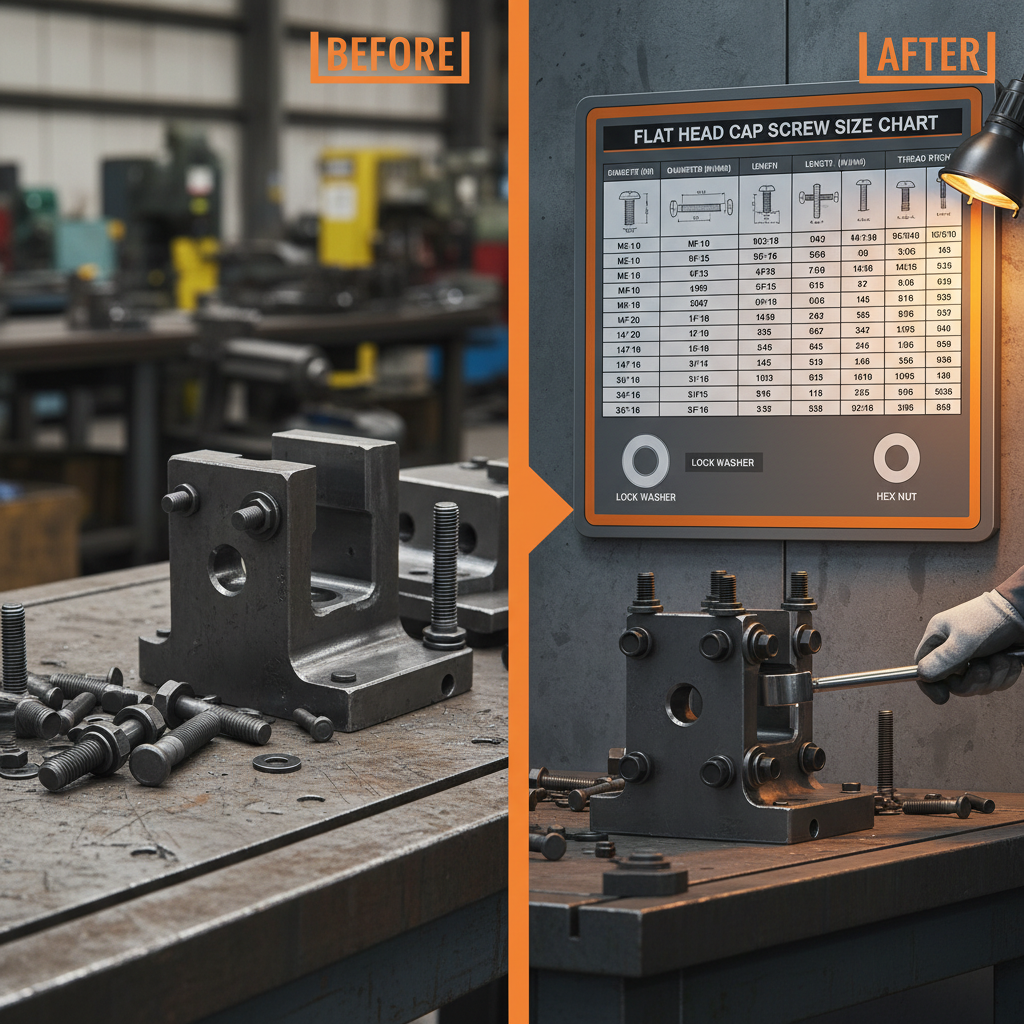
- Installation Errors: Wrong torque leads to failure. Training and torque-controlled tools minimize human error.
- Supply Chain Disparities: Not all vendors provide consistent quality. Vetting and international standards compliance help mitigate risks.
Vendor Comparison of Leading Socket Head Cap Nut Suppliers
| Vendor | Quality Certifications | Range of Sizes/Materials | Global Reach | Pricing |
|---|---|---|---|---|
| FastenBoen | ISO 9001, ISO 14001 | M4 to M24; alloy & stainless steel; various coatings | Worldwide, including Europe, Asia, Americas | Competitive, volume discounts available |
| HexNutPro | ISO 9001 | M5 to M20; standard steels | Mainly Europe | Mid-range pricing |
| NutMasters | Third-party tested | Limited sizes; focus on stainless steel | North America & Asia | Premium pricing |
Frequently Asked Questions About Socket Head Cap Nuts
Q: What are the main differences between a socket head cap nut and a regular hex nut?
A: Unlike regular hex nuts which have external flat faces for wrenches, socket head cap nuts use an internal hex socket requiring an Allen key. This design allows for tighter spaces and reduces the chance of snagging. Additionally, socket head cap nuts can often handle higher torque loads.
Q: How do I select the right material grade for my application?
A: Consider the environment your fastener will be in. For corrosive or outdoor environments, stainless steel grades like 316 are preferred. For heavy load applications, alloy steels with heat treatment are better. Consulting standards like ISO 898-2 can guide your choice.
Q: Can socket head cap nuts be reused after disassembly?
A: Generally, yes, but it depends on the condition. If the threads or head are undamaged and there is no deformation, they can be reused safely. However, in safety-critical systems, it’s best to use new fasteners to avoid failure.
Q: Are socket head cap nuts suitable for high-vibration environments?
A: Absolutely. They are often preferred because their tight fitting and ability to be installed with precise torque help prevent loosening under vibration. Sometimes they are used with locking washers for added security.
Q: Where can I buy high-quality socket head cap nuts internationally?
A: Leading vendors with global reach, like FastenBoen, offer certified, quality-tested socket head cap nuts. It’s best to verify certifications and standards compliance before purchase to ensure reliability.
Conclusion
Socket head cap nuts might be small, but their impact across the globe is mighty. Their strength, precision, and adaptability keep the machinery of modern life running — quietly and reliably. Whether you’re an engineer designing a critical system or a procurement officer sourcing dependable fasteners, understanding these nuts’ long-term benefits can’t be overstated.
Looking to source your next batch? Visit https://www.fastenboen.com for trusted socket head cap nuts designed with quality and industry standards in mind.
In the end, even the smallest parts deserve big attention.
References
Who We Are: The Right Fastener Partner for Global SMEs
Handan Boen Fastener Manufacturing Co., Ltd. (Est. 2010) specializes in producing standardized industrial fasteners, including bolts, nuts, washers, and other essential components. We provide cost-effective for small and medium-sized buyers in industries such as automotive parts, agricultural machinery, and construction.