Socket Head Cap Bolts – Comprehensive Guide to Benefits, Applications & Trends
Understanding the Socket Head Cap: A Small Component with Global Impact
Socket head caps might seem like just tiny metal fasteners, but these components are quietly holding together industries worldwide. From aerospace to construction, precision engineering to renewable energy, the socket head cap bolt remains a staple, enabling durable assemblies under challenging conditions. This article explores what a socket head cap is, why it matters on a global scale, and how understanding it can improve engineering projects, maintenance strategies, and product design.
Socket Head Cap Bolts in the Global Industry Context
The global fastener market is projected to reach nearly USD 117 billion by 2028, according to industry reports — and socket head cap bolts represent a significant segment of this space. Their widespread use surfaces in automotive manufacturing hubs in Asia, precision machinery plants in Europe, and infrastructure projects across North America. Yet, a persistent challenge remains: ensuring that these small components deliver maximum strength while minimising weight and facilitating wear resistance.
In practical terms, designers and engineers worldwide strive to optimize socket head caps to meet stringent safety and durability standards outlined by organizations like ISO. Given more than half a million tons of fasteners are produced yearly for critical industries, the role of the humble socket head cap is far from trivial.
Mini takeaway: Despite their small size, socket head cap bolts are indispensable globally, bridging crucial safety and performance gaps across industries.
What Exactly is a Socket Head Cap?
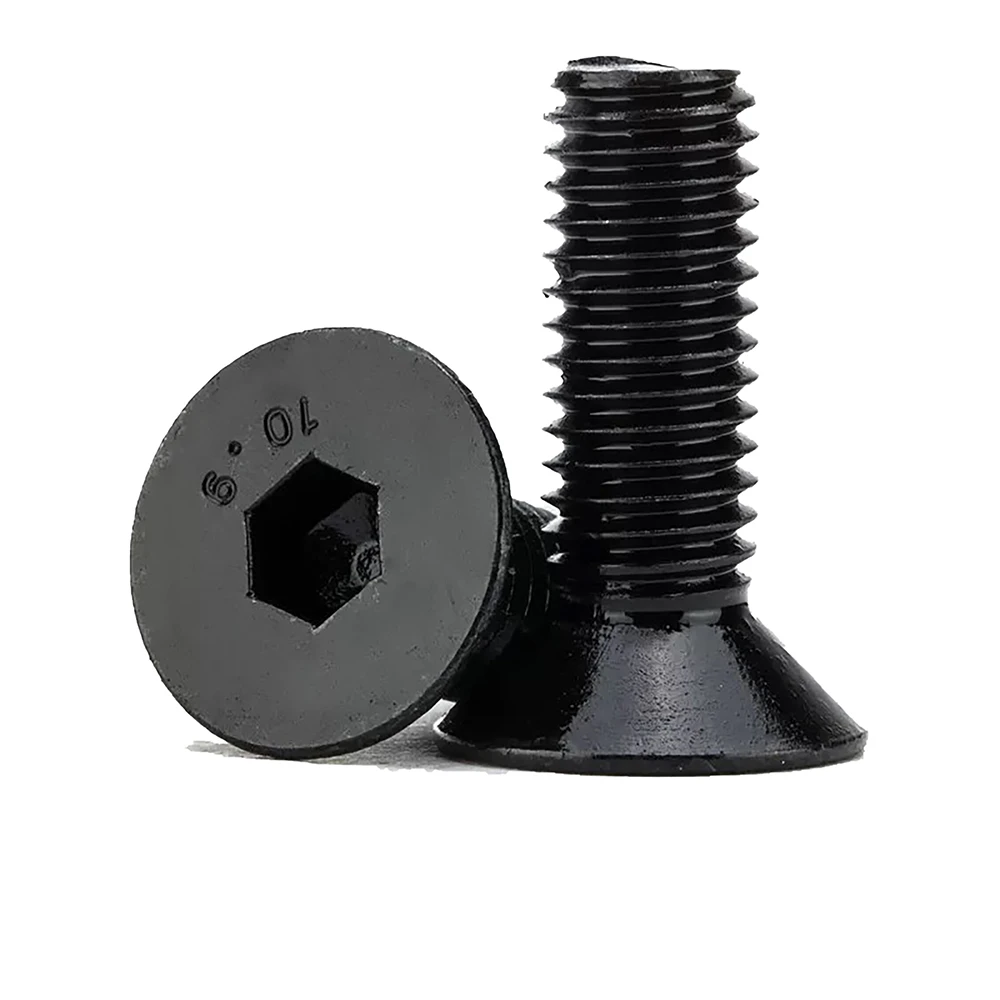
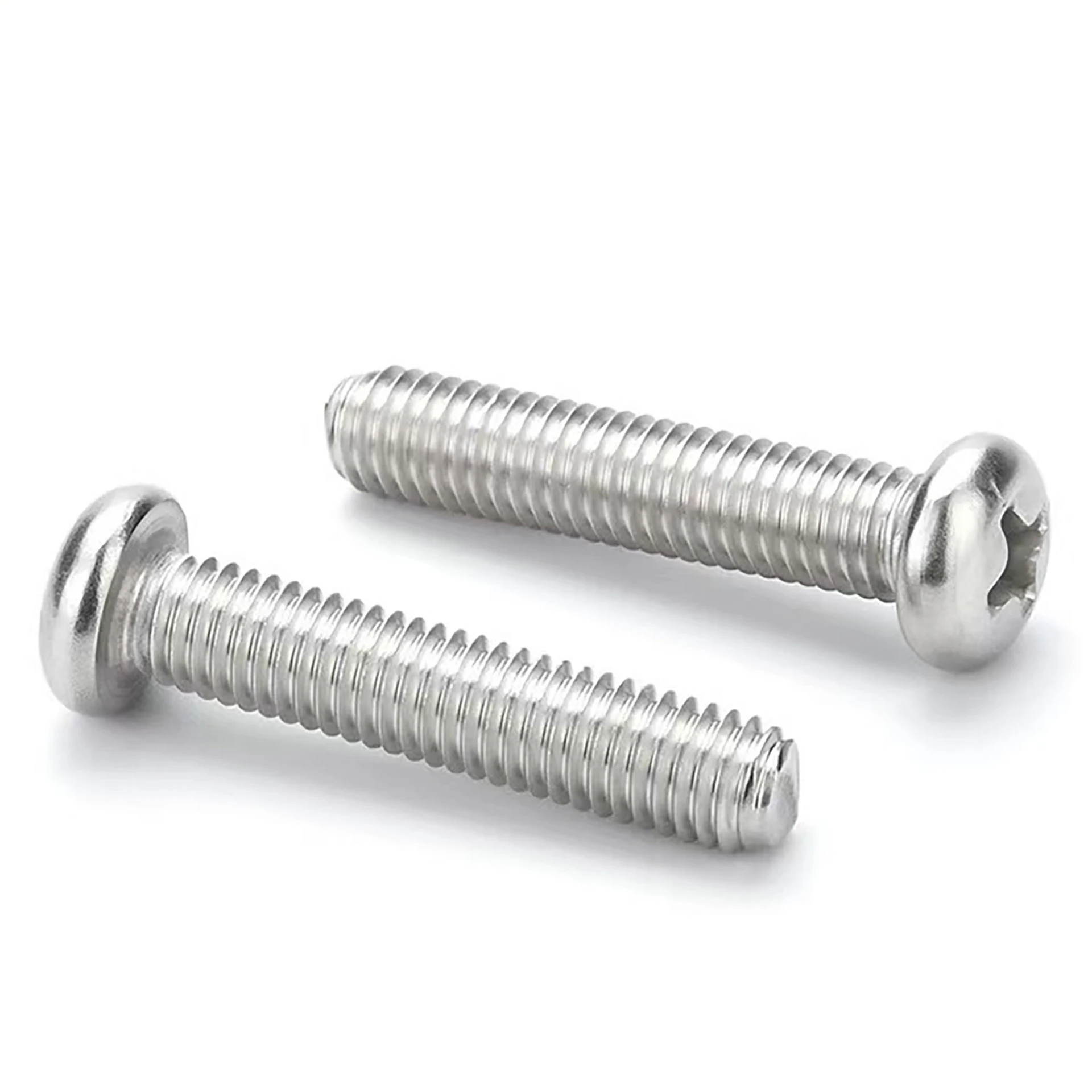
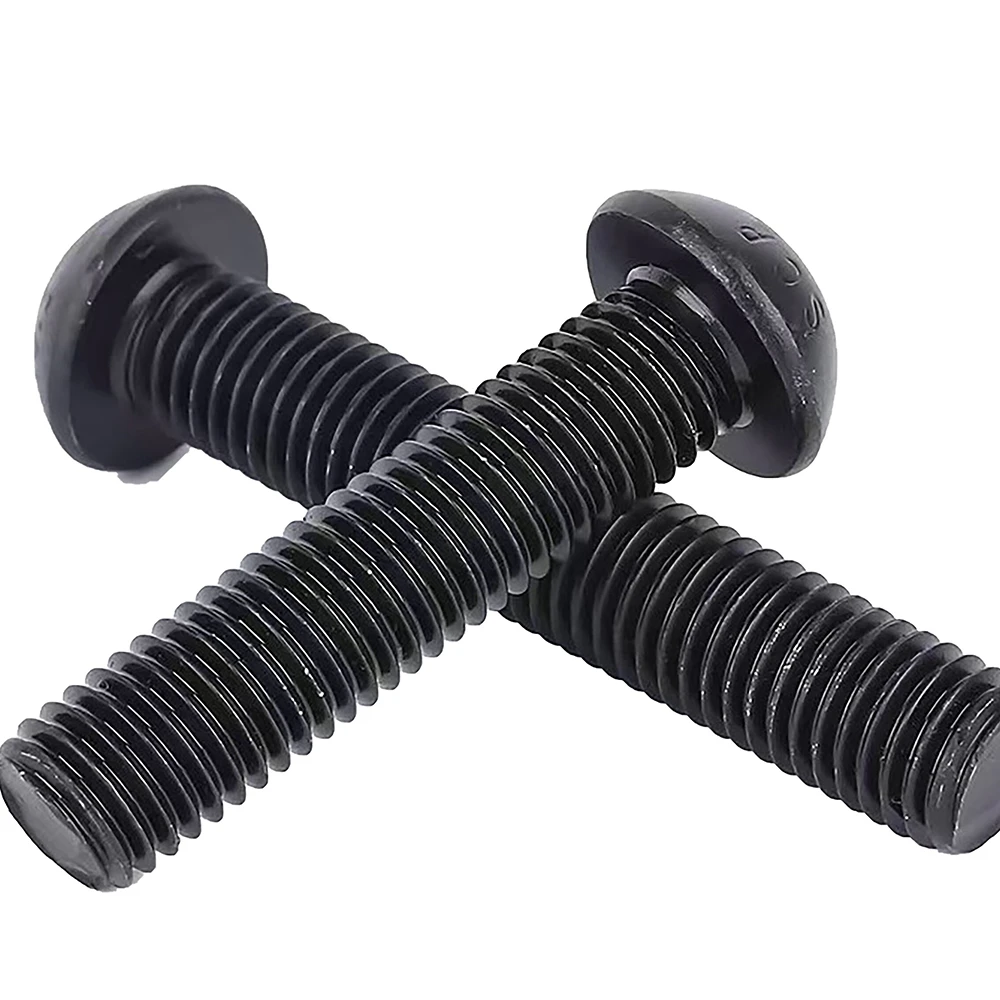
In essence, a socket head cap bolt is a cylindrical, high-strength screw with a recessed hexagonal drive on its head, designed to be tightened using an Allen wrench or hex key. This design allows for high torque application without damaging the fastener or surrounding material, making it ideal for precision assembly.
The connection between socket head caps and modern industry is deep-rooted. Whether fastening critical components inside jet engines or holding together robotic arms on factory floors, these bolts provide reliability where standard screws might fail. Additionally, humanitarian efforts involving rapid deployment of medical facilities or transport equipment often depend on such fasteners, thanks to their robust yet compact design.
Mini takeaway: Fundamentally, socket head cap bolts are engineered for strength and precision, linking them tightly to advanced manufacturing and humanitarian efficiency.
Key Components and Factors Defining Socket Head Caps
1. Durability
Made typically from alloy steels or stainless steel, socket head caps are heat-treated to enhance tensile strength. This durability ensures reliability in high-stress environments, such as aerospace applications or heavy machinery.
2. Scalability and Size Range
These bolts come in various diameters and lengths, suited for microelectronics to heavy-duty industrial machines. The scalability allows engineers to pick the right size without overcompensating, improving design efficiency.
3. Cost Efficiency
While more expensive than standard hex bolts, socket head caps reduce assembly time and rework costs due to precision fit, which often leads to savings in large-scale production.
4. Corrosion Resistance
Many socket head caps feature coatings like zinc plating or are made from stainless steel to resist corrosion—critical in marine or outdoor applications.
5. Ease of Use
The internal hex facilitates easy and safe torque application even in confined spaces, reducing damage risks.
| Specification | Value/Range | Details |
|---|---|---|
| Material | Alloy Steel, Stainless Steel | Heat-treated for strength or anti-corrosive grades |
| Diameter Range | M2 to M30 | Micro to heavy equipment applications |
| Head Style | Raised cylindrical with hex socket | Allows secure torque application |
| Tensile Strength | Up to 1,200 MPa | Suitable for high-load bearing |
| Finish Options | Zinc plating, Black oxide, Stainless | For corrosion and aesthetic needs |
Global Applications & Real-World Use Cases
Socket head cap bolts are everywhere—in automotive assembly lines in Germany, robotics in Japan, and wind turbines in the United States. Oddly enough, some NGOs in disaster zones rely on equipment fastened with socket heads because their maintenance and replacement are straightforward, which is crucial during relief operations.
- Construction Equipment: Socket head caps hold hydraulic components in cranes where vibration resistance is critical.
- Aerospace: Precision fasteners in cockpit controls require exact torque specs achievable with socket heads.
- Medical Devices: Compact designs use small socket head cap screws to assemble delicate instruments.
- Renewable Energy: Solar mounting systems use corrosion-resistant coated socket head caps to withstand weather.
- Post-Disaster Relief: Rapidly deployable shelters often incorporate modular frames fastened with socket head caps, easing transport and assembly.
Mini takeaway: These bolts facilitate innovation and resilience across continents and sectors, reflecting their adaptable, reliable nature.
Advantages and Long-Term Value of Socket Head Caps
So, why lean on socket head caps over other fasteners? The long-term payoff comes down to a few things. Reliability is probably at the top of the list — these fasteners ensure joints don’t loosen unexpectedly, which in some industries is a matter of safety rather than mere convenience. Then there’s cost: fewer failures mean less downtime and lower maintenance, which adds up in large-scale applications.
But it’s not just dollars and cents. The emotional comfort of knowing that critical infrastructure is held tightly together—sometimes in extreme environments—translates to trust in technology and safety for end-users.
Plus, with advances in coatings and materials, socket head caps now contribute to sustainability by lasting longer and reducing waste.
Mini takeaway: Socket head caps blend practical durability with social trust and environmental responsibility, making a compelling case for their ongoing use.
Looking Ahead: Future Trends & Innovations
The future looks exciting for socket head cap bolts. Emerging materials like titanium alloys or carbon fibre composites are being experimented with to yield lighter, stronger fasteners ideal for aerospace and electric vehicles. At the same time, digital transformation means that fasteners might soon come embedded with tiny sensors to monitor torque and stress in real time.
Sustainability advances include biodegradable coatings and recycling programs aligned with circular economy principles. Automation in factories increasingly favors socket head cap designs because their hex recess makes robot-driven assembly more precise and less error-prone.
Mini takeaway: Innovation in materials, sustainability, and smart manufacturing continues to evolve socket head cap technology, promising smarter, greener fasteners ahead.
Challenges and Expert Solutions
Still, there are hurdles. Installation mistakes remain common if torque specs aren't closely followed, potentially leading to bolt failure. Additionally, sourcing high-grade socket head caps in remote areas can be tricky, raising supply chain concerns.
The good news is that many manufacturers now offer pre-lubricated bolts with marked torque limits reducing human error, and global distributors have improved logistics. When it comes to corrosion, innovative coatings continue to extend lifecycle under extreme conditions.
Mini takeaway: Knowing the challenges helps users choose the right product and supplier, ensuring better performance and safety.
| Vendor | Material Options | Custom Sizes | Global Shipping | Special Coatings |
|---|---|---|---|---|
| FastenBoen | Steel, Stainless, Titanium | Yes | Worldwide | Zinc, Black Oxide, Custom |
| BoltPro | Steel, Stainless | Limited | Regional | Standard Zinc |
| UniFast | Steel Only | No | Limited | None |
FAQ: Frequently Asked Questions About Socket Head Cap Bolts
- Q: What makes socket head caps better than traditional hex bolts?
- A: Socket head caps provide a cleaner, more compact profile, allowing higher torque with less risk of rounding off the head. Their internal hex recess allows for use in confined spaces where standard wrenches won't fit, making them ideal for precision applications.
- Q: How do I choose the right material for a socket head cap bolt?
- A: Material choice depends on environment and stresses involved. For high strength and corrosion resistance, stainless steel or titanium may be best. For budget projects or indoor uses, alloy steel with protective coatings typically suffices.
- Q: Can socket head cap bolts be reused?
- A: Generally, yes — if the threads and head are undamaged and torque specifications are followed, socket head caps are reusable. However, in high-load or safety-critical applications, manufacturers may recommend replacing bolts each maintenance cycle.
- Q: How do I ensure proper torque when installing socket head caps?
- A: Using a calibrated torque wrench matched to manufacturer specs is essential. Under-torquing risks loosening; over-torquing can strip threads or snap the bolt. When available, lubricated bolts help achieve consistent torque.
- Q: Where can I find customized socket head caps for specialized projects?
- A: Companies like FastenBoen offer tailored sizes, materials, and finishes to suit niche industrial needs globally, often supporting expedited manufacturing and shipping.
Conclusion: Why Socket Head Caps Remain a Cornerstone in Engineering
While easily overlooked, socket head caps pack a remarkable punch in delivering strength, precision, and reliability across industries worldwide. Their future looks equally promising, with innovations in materials and smart tech enhancing performance even further. If you’re an engineer or project lead, understanding and selecting the right socket head cap bolt can make your designs safer, more efficient, and cost-effective. For high-quality, customizable socket head caps, do check out FastenBoen.
At the end of the day, I suppose it’s fascinating how a small piece of hardware quietly supports so many facets of modern life—you might want to take a moment and appreciate it next time you see one!
References:
1. ISO Fastener Standards — iso.org
2. Global Fastener Market Analysis (2022–2028), Industry Report
3. Wikipedia - Socket Head Cap Screw — wikipedia.org
Who We Are: The Right Fastener Partner for Global SMEs
Handan Boen Fastener Manufacturing Co., Ltd. (Est. 2010) specializes in producing standardized industrial fasteners, including bolts, nuts, washers, and other essential components. We provide cost-effective for small and medium-sized buyers in industries such as automotive parts, agricultural machinery, and construction.