Hex Socket Pan Head Screw – Reliable Fasteners for Industrial and Humanitarian Use
Hex Socket Pan Head Screw: Small Component, Big Impact Worldwide
If you’ve ever fiddled with electronics, machinery, or even furniture, chances are you’ve dealt with hex socket pan head screws. On the surface, they seem like humble fasteners but in reality, they occupy a vital niche in industries ranging from aerospace to humanitarian aid. Understanding their design and applications isn’t just for engineers; it’s for anyone curious how small hardware choices influence massive projects globally.
Why does it matter? Globally, reliable fastening solutions help keep infrastructure safe, machines operational, and emergency solutions quickly deployable. Knowing these screws’ benefits and limitations might just save time, costs, and even lives in crisis situations. So buckle up — let's dive into the fascinating world of these small but mighty screws.
Understanding the Global Relevance of Hex Socket Pan Head Screws
According to ISO standards, fasteners like hex socket pan head screws must meet specific torque and durability tests because they are used everywhere — from automotive assembly lines in Germany to remote solar panel installations in Africa. The global fastener market is valued in the tens of billions of dollars, largely driven by demand in industries that rely on precision, including aerospace, electronics, and construction (World Bank data).
But here’s a challenge: many projects, especially in developing regions or disaster relief zones, require fasteners that are easy to handle, resist corrosion, and hold firm without constant maintenance. The hex socket pan head screw fits this bill nicely — it offers precision, durability, and convenience in one neat package.
Mini takeaway:
- Hex socket pan head screws are globally relevant due to their reliability and versatility.
- They solve key challenges in industries where failure is not an option, like aerospace or emergency response.
What Exactly is a Hex Socket Pan Head Screw?
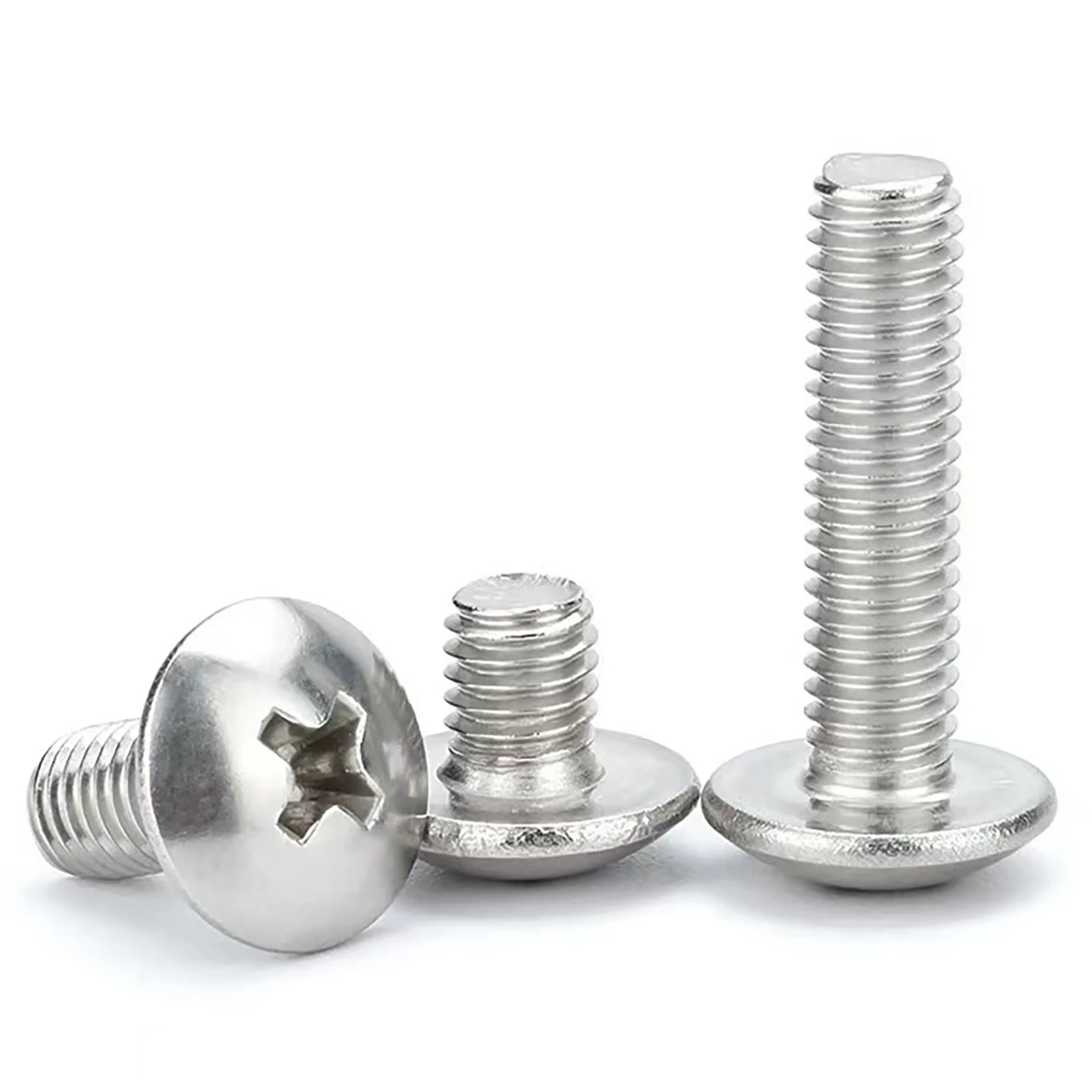
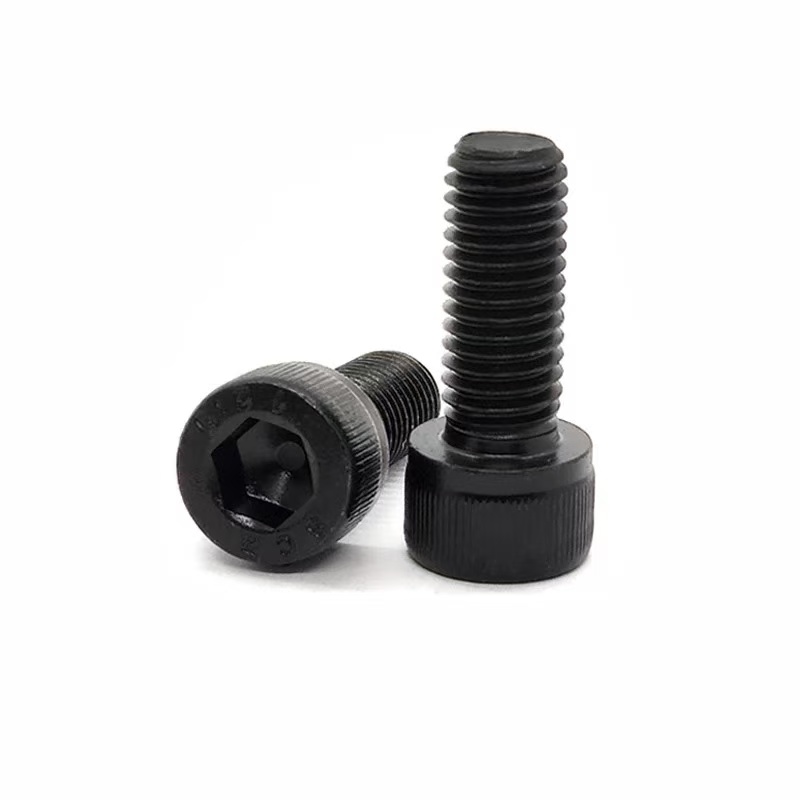
Simply put, a hex socket pan head screw is a type of machine screw with a cylindrical head — rounded on top and flat on the bottom — that features a hexagon-shaped recess where you insert an Allen key or hex wrench. This design allows for better torque transfer and diminished cam-out risks, which means the screw can be tightened or loosened with minimal slippage and damage.
Why the pan head? The broad, slightly domed shape maximizes surface contact with the material, distributing pressure evenly and minimizing damage— especially important with softer materials like plastics or composites.
In industry and humanitarian contexts, these screws are appreciated for how easily and quickly they allow assembly of structures or devices needing high reliability — think solar panel frames in remote villages or fast deployment housing hinges.
Mini takeaway:
- Hex socket pan head screws combine ease of use, torque efficiency, and gentle surface contact.
- They’re ideal for both high-tech and fieldwork scenarios alike.
Key Features that Make Hex Socket Pan Head Screws Stand Out
1. Durability and Corrosion Resistance
Most hex socket pan head screws are made from stainless steel, alloy steel, or sometimes brass, offering great resistance to rust and wear. This means they can endure harsh environments — whether that’s salty coastal air or industrial chemical exposure.
2. Precision and Torque Control
The hex socket design allows engineers to apply a high level of torque while minimizing slippage. That’s crucial in precise industrial settings, where over- or under-tightening can cause serious problems.
3. Versatility Across Materials
Because pan head screws spread pressure evenly, they’re well-suited to plastics, composites, and metals alike. It’s no surprise many manufacturers prefer them when assembling electronics or lightweight machinery.
4. Ease of Handling in Tight Spaces
The Allen wrench interface means these screws can be manipulated even in cramped spots where other screwdrivers wouldn’t fit. That’s a lifesaver for installers or repair techs working inside machinery cabinets or vehicle components.
5. Cost Efficiency
While slightly more expensive than basic slotted screws, their durability and reduced installation errors often save money in the long run — fewer returns, repairs, and downtime.
Mini takeaway:
- Durability, torque precision, and versatility make these screws a favorite in demanding applications.
- The ability to work in tight spaces adds practical value on-site.
Global Applications & Practical Use Cases
Hex socket pan head screws are truly omnipresent. Here are just a few sectors and regions where they shine:
- Renewable Energy: In remote solar farms—like those in California’s deserts or rural Indian villages—these screws hold panels and mounting rigs steady against wind and dust.
- Automotive Industry: Used extensively in engine assembly and dashboard fittings, they support mass production and quality assurance.
- Disaster Relief & Temporary Shelters: NGOs use them for quick-assembly housing components, ensuring safety and reusability.
- Electronics Manufacturing: They fasten circuit boards and casings with precision, crucial for small-scale gadgets to heavy equipment.
- Aerospace & Defense: Their high torque tolerance and durability meet stringent safety standards for aircraft and defense machinery worldwide.
Mini takeaway:
- The versatility of hex socket pan head screws allows them to bridge high-tech manufacturing to urgent field applications.
- Worldwide deployment—from developed nations to emerging economies—proves their broad appeal.
Advantages & Long-Term Value of Hex Socket Pan Head Screws
Hex socket pan head screws deliver obvious benefits — longevity, reliability, and ease of use — but there are subtle perks too. For instance, because fewer screws strip their heads during tightening, workers experience less frustration, reducing human error on-site. In environments where safety is paramount, such reliability builds trust with end-users and clients alike.
Also, their corrosion resistance helps extend product lifespans, which amplifies sustainability goals. Reducing waste and replacement frequency aligns well with modern corporate social responsibility objectives.
Product Specification Table
| Spec | Detail |
|---|---|
| Material | Stainless Steel, Alloy Steel, Brass |
| Head Type | Pan Head |
| Drive Style | Hex Socket (Allen) |
| Diameter Range | M2 – M12 (Metric sizes) |
| Standard Lengths | 5mm to 100mm |
| Tensile Strength | Up to 1000 MPa |
| Finish | Plain, Zinc Plated, Black Oxide |
Comparing Top Hex Socket Pan Head Screw Vendors
| Vendor | Material Quality | Price Range | Custom Sizes | Delivery Speed |
|---|---|---|---|---|
| FastenBoen | Premium stainless steel, ISO certified | Mid to High | Yes | 2–5 business days |
| Global Screws Inc. | Standard alloy and stainless mixes | Low to Mid | Limited | 5–10 business days |
| HexPro Fasteners | High tensile steel variants | Mid | Yes | 3–7 business days |
Emerging Trends and Future Innovations
The fastener industry isn’t standing still. New materials like titanium alloys offer lighter weight with equal or better strength, perfect for aerospace and electric vehicles. On the sustainability front, biodegradable coatings and recyclable composites are under development — all striving to reduce environmental impact.
Digitization is creeping in too. Smart factories use IoT-enabled screwdrivers that track torque and count screws in real time, reducing quality control errors. Also, 3D printing of fasteners on demand in remote locations (like Antarctic research stations) may well transform supply chains.
Common Challenges & Practical Solutions
One frequent issue with hex socket pan head screws is grime and rust accumulation in the hex recess, making them tricky to unscrew later. Regular maintenance and using properly rated finishes help mitigate this. Another challenge is availability of specialized sizes in remote regions, but vendors like FastenBoen increasingly offer global shipping and custom orders to handle that nicely.
FAQ: Answering Your Questions About Hex Socket Pan Head Screws
Q: Are hex socket pan head screws better than Phillips head screws?
A: They generally provide better torque control and less risk of cam-out, making them preferred where precision is vital. Phillips heads may be easier for quick assembly but don’t hold up as well under heavy torque.
Q: Can I use these screws in outdoor environments?
A: Definitely. Stainless steel and treated finishes make them resistant to corrosion from moisture and weather exposure, suited for outdoor installations like solar panels or garden machinery.
Q: What tools do I need to install or remove a hex socket pan head screw?
A: A matching Allen wrench or hex key is required, with common sizes ranging from 1.5 mm up to 10 mm-plus for larger screws. Power drivers fitted with hex bits are also widely used.
Q: How do I know what size hex socket pan head screw to choose for my project?
A: Consider the material thickness, required load capacity, and environment. Consulting with suppliers or using engineering specs can guide correct diameter and length choices to not under or over-engineer.
Wrapping Up: Why Hex Socket Pan Head Screws Deserve Your Attention
These little fasteners bring together durability, precision, and versatility — qualities that industries from automotive to disaster relief desperately need. Their global applications underline how seemingly trivial components really do shape the big picture.
If you want to explore a wide selection of high-quality hex socket pan head screws, tailored to your exact needs, don’t hesitate to visit our website: FastenBoen hex socket pan head screw. Small change, big difference.
References
Who We Are: The Right Fastener Partner for Global SMEs
Handan Boen Fastener Manufacturing Co., Ltd. (Est. 2010) specializes in producing standardized industrial fasteners, including bolts, nuts, washers, and other essential components. We provide cost-effective for small and medium-sized buyers in industries such as automotive parts, agricultural machinery, and construction.