Durable and Lightweight Plastic Head Cap Bolt Solutions for Modern Industries
Plastic Head Cap Bolts: Small Components with a Global Impact
At first glance, a plastic head cap bolt might seem like an unassuming fastener, just one tiny piece in the sprawling machinery of modern industry and infrastructure. Yet, it's precisely these small innovations that quietly steer the wheels of progress on a global scale. From facilitating lightweight assemblies to improving corrosion resistance in harsh environments, plastic head cap bolts are growing in importance—especially in sectors where durability, safety, and cost efficiency meet sustainability.
Understanding what a plastic head cap bolt is and why it matters isn’t just for engineers or procurement teams—it's relevant to anyone invested in the future of manufacturing, construction, or even humanitarian technology. In a world increasingly focused on reducing environmental footprints and smart material use, their role becomes ever clearer.
Why Plastic Head Cap Bolts Matter Globally
According to ISO standards and recent reports from industry groups, the global fastener market is projected to grow around 6% annually, with plastic fasteners making up a significant and expanding niche. The demand is driven largely by industries aiming to reduce metal use, avoid corrosion, and cut costs. This trend isn’t restricted to one region, either. Manufacturers in Asia dominate production, but the use of plastic fasteners has surged in Europe and North America, especially in automotive, electronics, and renewable energy sectors.
But here’s the catch: traditional steel bolts corrode, add weight, and require protective coatings—which increase both cost and environmental impact. Plastic head cap bolts offer a lightweight alternative that resists rust and reduces assembly complexity. This is a game-changer in harsh climates or remote industrial zones where maintenance access is limited.
In sum, these bolts address both practical and environmental challenges on a global scale, helping industries transition toward more sustainable models. It’s a fascinating area where simple hardware meets big-picture thinking.
What Exactly Is a Plastic Head Cap Bolt?
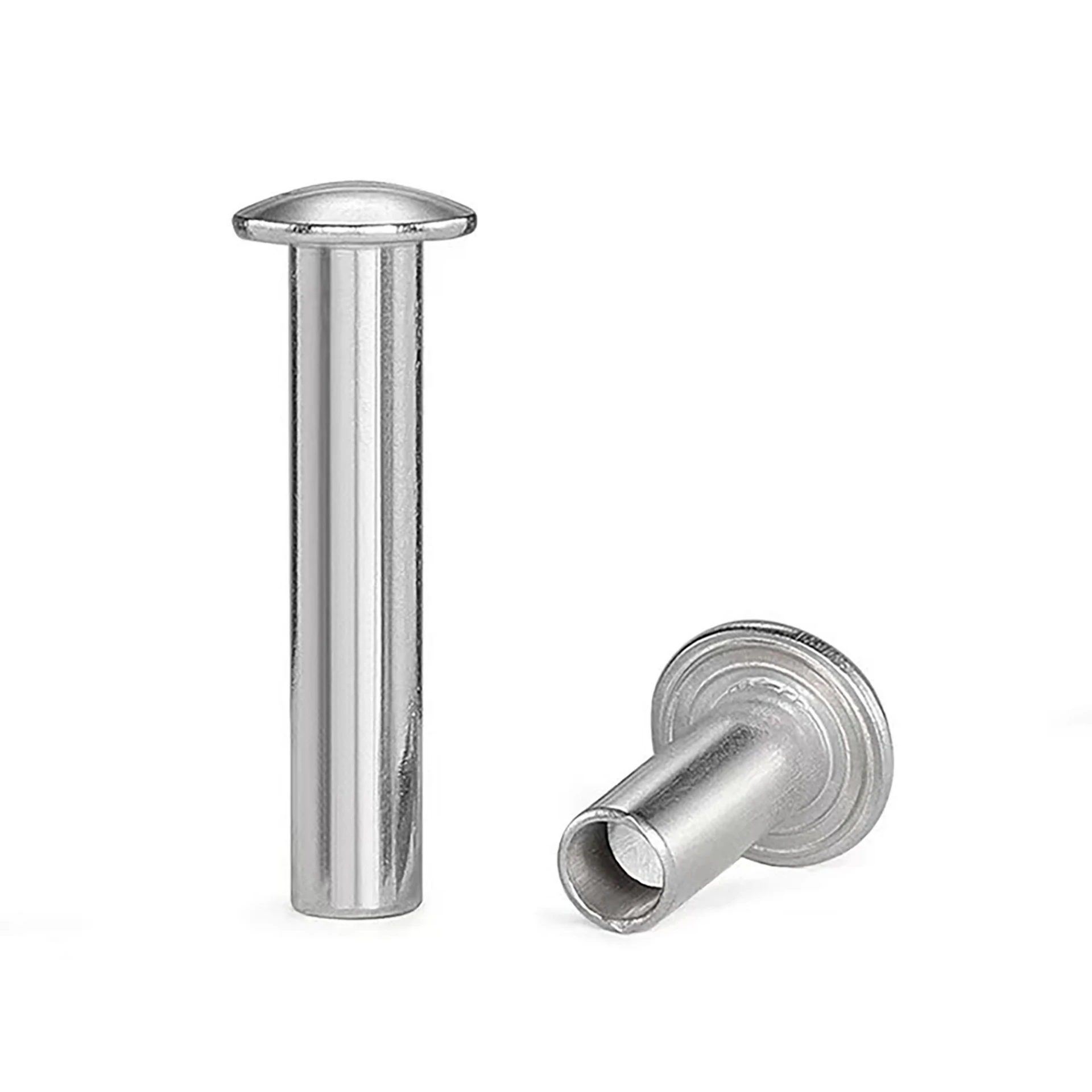
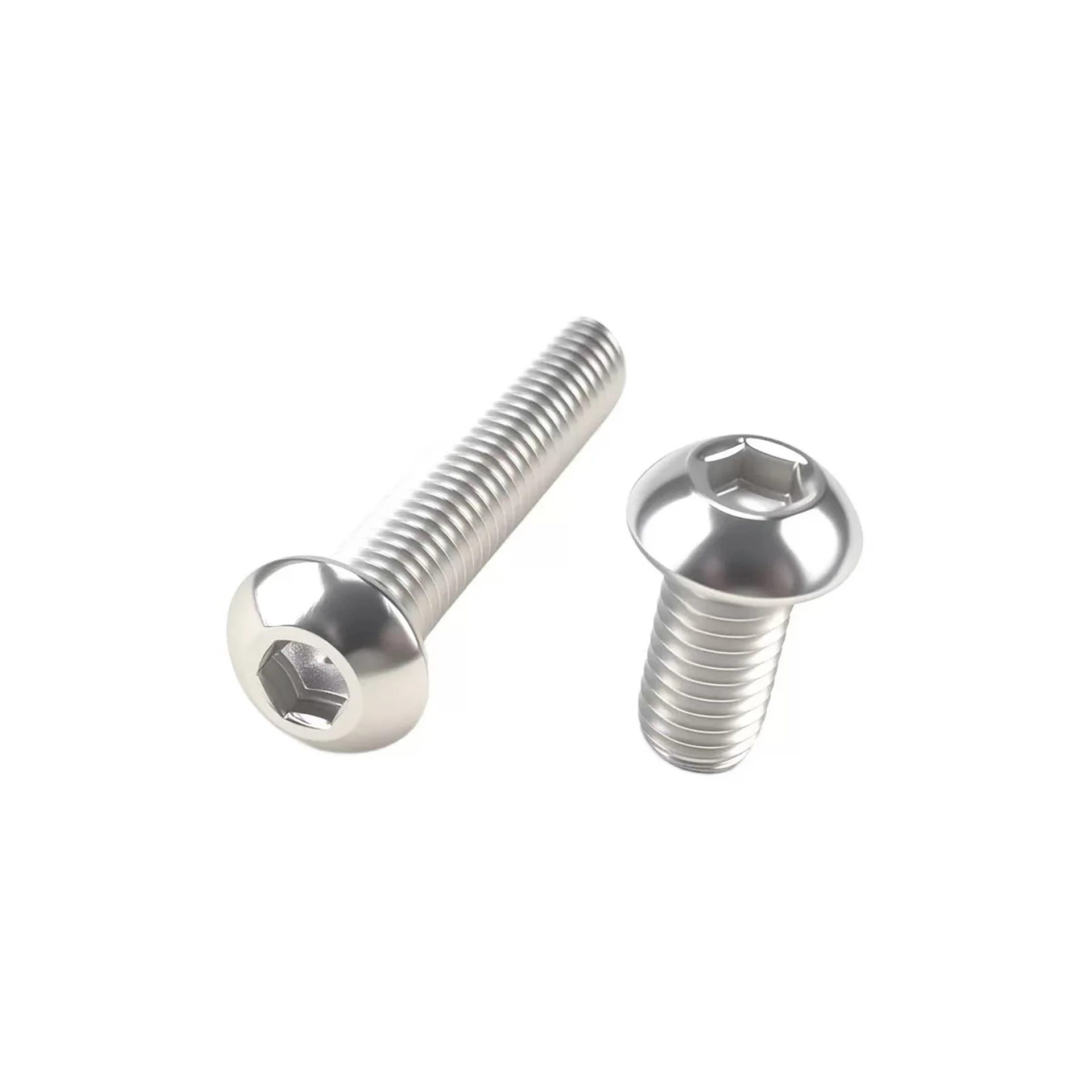
Simply put, a plastic head cap bolt is a fastener that features a plastic head combined with a threaded shaft (often metal or plastic). The “cap” style refers to a cylindrical head with a recessed drive—typically hex or Allen—that allows tightening with an appropriate tool. This design protects the threaded portion and distributes load efficiently.
Why plastic for the head? Because plastic heads offer electrical insulation, corrosion resistance, and reduced weight compared to metal. In many applications, the shaft remains metal for strength, while the plastic head brings additional benefits without compromising hold.
Plastic head cap bolts find uses ranging from modular furniture assembly to solar panel mounts, where exposure to the elements demands corrosion-resistant fasteners that don’t cause galvanic reactions. Oddly enough, these little bolts are bridging gaps between heavy industry and environmentally sensitive applications.
Core Factors Behind Plastic Head Cap Bolts’ Growing Popularity
1. Durability and Corrosion Resistance
Perhaps the most cited advantage is how plastic heads resist rust in ways metal simply can’t. Especially in marine or chemical environments, these bolts maintain integrity over years without requiring treatments.
2. Lightweight Design
For industries like automotive or aerospace, weight savings translate to efficiency and lower emissions. Plastic components reduce overall system weight without sacrificing performance.
3. Cost Efficiency in Production and Maintenance
Though plastic materials may sometimes cost more upfront, their resistance to corrosion and simplified assembly cut down long-term costs and downtime. There’s less need for replacement or complicated surface treatments.
4. Electrical Insulation
The plastic head can electrically isolate the bolt in circuits or sensitive electronic assemblies, reducing short circuits or interference risks.
5. Versatility in Material Combinations
Manufacturers often pair plastic heads with metal or full plastic shafts, tailoring fasteners to specific requirements. Material choices impact strength, flexibility, and resistance to UV or chemicals.
6. Environmental Sustainability
Advances in bio-based plastics and recyclable polymer mixes are making plastic head cap bolts greener, fitting the push for sustainable manufacturing.
Specifications at a Glance: Typical Plastic Head Cap Bolt
| Feature | Specification |
|---|---|
| Head Material | Nylon 6/6 or Glass-Filled Polyamide |
| Shaft Material | Stainless Steel A2 or Full Plastic |
| Thread Size Range | M3 to M12 (metric) |
| Drive Type | Hex Socket (Allen) |
| Temperature Range | -40°C to +120°C |
| Typical Tensile Strength | ~350 N/mm² (steel shaft) |
How Plastic Head Cap Bolts Are Used Worldwide
Globally, industries from automotive manufacturers in Germany to solar panel installers in California rely on plastic head cap bolts for durable, safe fastening. In remote African regions where replacement parts are hard to ship, using corrosion-resistant bolting reduces maintenance demands—helping NGOs keep critical facilities operational.
In post-disaster relief, rapid-assembly shelters and temporary infrastructure benefit from plastic-headed fasteners that don’t corrode in humid, wet conditions. Similarly, electronics factories in Southeast Asia use these bolts extensively to ensure electrical insulation in assemblies prone to moisture.
On a more industrial scale, offshore wind farms in the North Sea require fasteners that withstand salt spray and freezing temperatures without losing integrity. Plastic head cap bolts paired with stainless steel shafts fit that bill perfectly — an elegant combination of materials tailored to extreme environments.
Comparing Vendor Offerings: Who Does What?
| Vendor | Material Options | Customization | Lead Time | Typical Application |
|---|---|---|---|---|
| FastenBoen | Nylon, Glass-Filled, PEEK | Full head & thread custom | 2-3 weeks | Automotive, Electronics |
| BoltPro | Nylon, ABS | Limited custom colors | 4-5 weeks | Consumer goods |
| EcoFix | Bio-based polymers | Eco-certification | 3-4 weeks | Green energy projects |
Why Should You Consider Plastic Head Cap Bolts? The Advantages and Long-Term Value
- Cost Savings: Avoiding metal corrosion means fewer replacements and less downtime.
- Environmental Benefits: Lightweight materials reduce carbon footprints across transportation and use phases.
- Safety and Reliability: Non-conductive heads prevent electrical shorts in sensitive equipment.
- Design Flexibility: Plastic heads can be molded in various shapes and colors, aiding both function and aesthetics.
- Social Impact: Durable fasteners help NGOs maintain infrastructure longer in challenging environments — empowering local communities.
In real terms, investing in plastic head cap bolts isn’t just about buying a screw; it’s about committing to smarter, safer, more sustainable design and maintenance. It's the kind of decision that adds up quietly but meaningfully over time.
Looking Ahead: Trends and Innovations Pulled by the Plastic Head Cap Bolt
With global focus sharpened on sustainability and lightweight solutions, the next few years promise rapid innovation. For instance, bio-based plastics that decompose without toxic residues are becoming far more common in fastener manufacturing. Meanwhile, digital manufacturing techniques like 3D printing are enabling one-offs and complex customizations in record time.
Automation in assembly is another driver: plastic head cap bolts adapt well to robotic insertion and torque control, increasing reliability and speed. Plus, as industries like electric vehicles and offshore wind farms grow, demand for fasteners with unique properties—like UV resistance or enhanced mechanical wear tolerance—is rising.
Challenges and How the Industry Tackles Them
Of course, plastic head cap bolts aren’t perfect. Mechanical strength limits and thermal resistance are sometimes obstacles compared to all-metal bolts. Engineers often have to balance head and shaft materials carefully or add reinforcements.
Another common challenge is ensuring compatibility with metal components, avoiding galvanic corrosion or excessive wear.
Experts suggest solutions such as glass fiber reinforcement, improved molding techniques, and hybrid designs. FastenBoen, for example, has been pioneering bio-composite heads that maintain strength while reducing weight and environmental impact—showing that challenges inspire creativity.
FAQ: Answers to Your Common Plastic Head Cap Bolt Questions
- Q: Are plastic head cap bolts strong enough for load-bearing applications?
- A: Typically, the plastic heads are paired with metal shafts to ensure strength. For light to medium loads, full plastic bolts exist but are best for less critical applications. When in doubt, consult material specs and testing data.
- Q: Can plastic head cap bolts be used outdoors?
- Yes, especially when made from UV-stabilized or glass-filled plastics. They excel in resisting corrosion from moisture but watch for extreme heat exposure beyond their specs.
- Q: How to choose between plastic headed bolts and standard metal bolts?
- Consider environment, electrical needs, weight targets, and cost. Plastic heads reduce corrosion and weight but may have lower temperature tolerance. Metal heads deliver strength but risk rust.
- Q: Are these bolts recyclable or eco-friendly?
- Many vendors now use recyclable polymers or bio-based plastics. Confirm certification if sustainability is a priority, as materials and processing vary widely.
Wrapping Up: Why the Small Stuff Counts
Plastic head cap bolts might often be overlooked in the grand scheme of manufacturing or construction projects. But honestly, it feels like their role is quietly growing more strategic. From easing maintenance in tough environments to pushing the boundaries of sustainable design, they’re emblematic of how the right material innovation can ripple outward in big ways.
If you’re intrigued or ready to explore options, take a look at the choices available at FastenBoen—they specialize in tailored plastic head cap bolt solutions for diverse industries.
These small components sure pack an outsized punch in design, performance, and sustainability. And I for one will be curious to see where they go next...
References
Who We Are: The Right Fastener Partner for Global SMEs
Handan Boen Fastener Manufacturing Co., Ltd. (Est. 2010) specializes in producing standardized industrial fasteners, including bolts, nuts, washers, and other essential components. We provide cost-effective for small and medium-sized buyers in industries such as automotive parts, agricultural machinery, and construction.