Comprehensive Guide to M4 Hex Socket Screw: Specs, Uses, and Future Trends
Understanding the m4 hex socket screw: A small but mighty component in global industry
When you think screws, the first thing usually isn’t the m4 hex socket screw. But oddly enough, this tiny fastener quietly holds together machines, electronics, buildings, and even lifesaving equipment worldwide. In a nutshell: knowing about the m4 hex socket screw’s features, applications, and future prospects isn’t just for hardware geeks — it’s essential for industries relying on reliable, efficient fastening solutions.
Why the m4 hex socket screw matters globally
Fastening technology is a backbone of modern manufacturing and infrastructure. According to the International Organization for Standardization (ISO), fasteners like hex socket screws must meet strict specifications for safety and performance. The m4 variant, with its 4mm nominal diameter, strikes a balance between size and strength, making it ideal for compact devices — think automotive components, medical instruments, and electronics.
From assembling renewable energy turbines in Europe to constructing communication towers across Asia, these screws help overcome challenges like vibration, environmental stresses, and rapid deployment needs. By understanding their properties, material choices, and applications, companies can optimize reliability and cost-efficiency in their products.
Defining the m4 hex socket screw
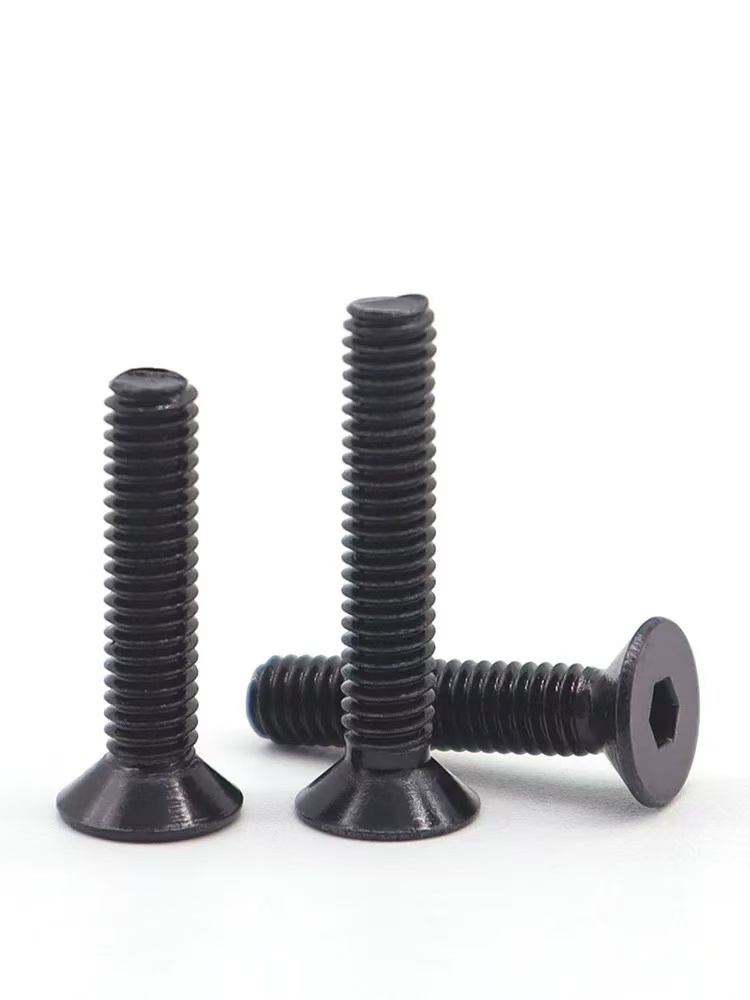
The m4 hex socket screw is a threaded fastener characterized by a 4-millimeter diameter, typically featuring a cylindrical head with an internal hexagonal (six-sided) recess. This internal socket allows tightening and loosening with an Allen key (hex wrench), delivering excellent torque transmission in tight spaces — a real boon where traditional screwdrivers just won't fit.
This design aligns well with the needs of precision industries and humanitarian applications alike, where reliability and easy assembly/disassembly are crucial.
Core aspects of the m4 hex socket screw
1. Durability and Material Strength
Most m4 hex socket screws come in stainless steel grades (like A2 or A4) or alloy steels, often heat-treated for enhanced hardness. This ensures resistance to corrosion and mechanical stresses — vital for outdoor infrastructure or medical devices exposed to sterilization.
2. Size and Scalability
The relatively small diameter caters to compact assemblies, offering scalability across numerous applications — from small consumer gadgets to modular machine parts.
3. Cost Efficiency
While the screws themselves are inexpensive, their precision manufacturing reduces assembly time and defect rates. That translates to lower production costs downstream.
4. Design Versatility
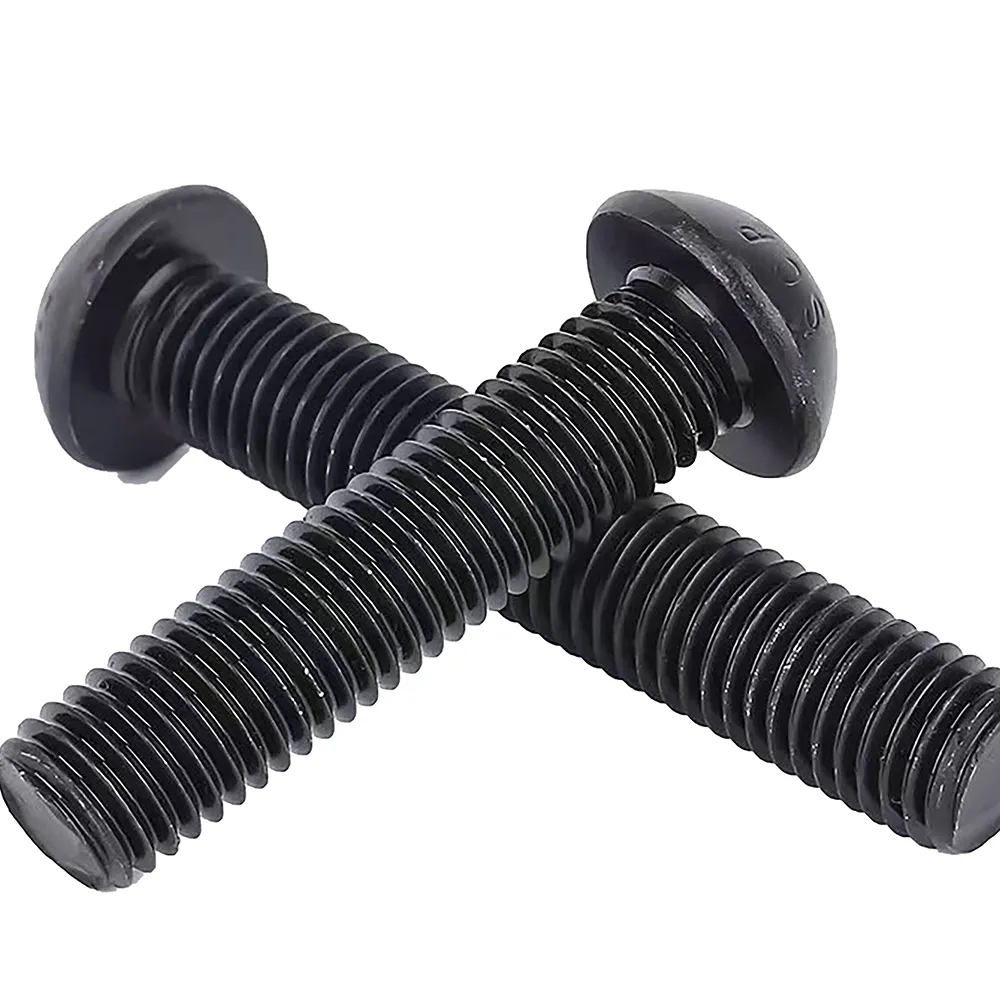
Hex socket screws support different head styles (cylindrical, button, flat head), coating options, and thread types (fine/coarse), allowing customization for varying mechanical needs.
5. Ease of Maintenance
Because these screws use Allen wrenches, maintenance or replacement in the field is simpler and less prone to stripping compared to Phillips or slotted heads.
Global applications & real-world use
Worldwide, the m4 hex socket screw finds itself embedded in modern life’s fabric. In Europe’s renewable energy sector, these screws fasten sensitive sensors within wind turbines. In post-disaster relief, modular shelters rely on such fasteners for quick assembly and long-term durability under rough conditions. The automotive industry in Japan uses them extensively for compact engine parts, while the electronics industry in South Korea depends on their precision in smartphones and wearable devices.
The United Nations’ focus on sustainable infrastructure highlights the need for reliable components like these to ensure projects withstand environmental challenges (source: UN SDG Reports).
Advantages and long-term value
- Reliability: Lower failure rates and easier maintenance enhance operational uptime.
- Cost-effectiveness: Reduces total cost of ownership by minimizing repairs and downtime.
- Sustainability: Materials like stainless steel offer corrosion resistance, extending product lifespan.
- Safety & trust: Secure fastening avoids accidents, supporting user confidence.
From an emotional standpoint, professionals find peace of mind in using proven fasteners — it’s about preserving safety and dignity in products designed for real people.
Future trends & innovations
As industries race toward greener and smarter technologies, the m4 hex socket screw is evolving too. Advanced coatings (like nano-ceramics) improve corrosion resistance without heavy metals. Additive manufacturing (3D metal printing) enables custom fasteners for complex geometries. Automation in assembly lines uses digital torque sensors paired with hex socket fasteners for precision tightening, reducing waste and errors.
Decorating screws with conductive or antimicrobial properties is under research for medical or electronics sectors, reflecting a cross-disciplinary trend marrying materials science with tiny hardware.
Challenges & solutions
Despite many strengths, a few challenges remain. In extreme corrosive environments, even stainless steel may degrade, pushing engineers toward exotic alloys, which can be costly. Small size can complicate manual handling in some cases. Also, compatibility issues arise if wrong drive keys are used, leading to thread damage.
Solutions? Engineers recommend thorough environment testing, combined materials expertise, and adhering to precise torque specifications. Companies increasingly offer kits with the correct hex keys, ensuring field technicians avoid common mishaps.
Product Specification Table: Typical M4 Hex Socket Screw
| Property | Specification |
|---|---|
| Diameter | 4 mm |
| Length | 6 mm to 50 mm (varies) |
| Head Type | Cylindrical, Button, Flat |
| Material | Stainless Steel A2, A4; Alloy Steel |
| Thread pitch | 0.7 mm (standard metric coarse) |
Vendor comparison: Leading M4 Hex Socket Screw Suppliers
| Supplier | Material Range | Customization | Lead Time | Price Range |
|---|---|---|---|---|
| FastenBoen | Stainless Steel, Alloy Steel | Custom lengths & coatings | 1-2 weeks | $$ |
| HexFast Inc. | Stainless Steel only | Limited options | 3-4 weeks | $ |
| TechScrew Ltd. | Alloy Steel, Specialized Alloys | Highly customizable | 2-3 weeks | $$$ |
FAQ: Your practical questions about m4 hex socket screws answered
- Q1: What makes m4 hex socket screws better than traditional Phillips screws?
- Hex socket screws allow higher torque without cam-out, reducing slippage and damage. Their internal hex drive also fits in tighter spaces, perfect for compact assemblies.
- Q2: Are m4 hex socket screws suitable for outdoor machinery?
- Absolutely, especially when made from stainless steel grades like A4, which resist corrosion from moisture and chemicals found outdoors.
- Q3: Can these screws be used in medical device assembly?
- Yes. The precision, compact size, and material options (medical-grade stainless steels) make them a favored choice in instruments that require sterilization and strict safety standards.
- Q4: How do I ensure the screws won’t strip during assembly?
- Use the correctly sized Allen key and apply recommended torque settings, often specified by manufacturers or standards like ISO 4762.
- Q5: Where can I buy quality m4 hex socket screws?
- Vendors such as FastenBoen offer a range of sizes, materials, and custom options with reliable delivery and support.
Conclusion: Why the m4 hex socket screw will keep turning industry’s gears
In real terms, the m4 hex socket screw represents the kind of quiet engineering elegance that powers everything from high-tech devices to disaster relief shelters. Understanding its specifications and applications offers a pathway to better product design, greater sustainability, and safer, more efficient assembly processes. If you’re involved in manufacturing or engineering, keeping this tiny titan in mind could save you time and money — and frankly, spare a few headaches down the road.
For reliable supplies, customized solutions, and detailed technical support, do visit FastenBoen. Your projects deserve the best fit.
Oddly enough, sometimes it’s the smallest parts that make the biggest difference...
References
Who We Are: The Right Fastener Partner for Global SMEs
Handan Boen Fastener Manufacturing Co., Ltd. (Est. 2010) specializes in producing standardized industrial fasteners, including bolts, nuts, washers, and other essential components. We provide cost-effective for small and medium-sized buyers in industries such as automotive parts, agricultural machinery, and construction.