Hex Socket Flat Head Screw – Durable, Precise & Sustainable Fastening Solutions
Understanding the Hex Socket Flat Head Screw: Small but Mighty
When you think about the parts that hold our complex machinery, vehicles, or even furniture together, the humble screw probably doesn’t jump to mind. Yet, the hex socket flat head screw plays a surprisingly critical role in global industries—from aerospace and automotive to construction and electronics. Its unique design ensures both strength and a neat flush finish, addressing challenges around durability and space-saving in countless applications worldwide.
Why It Matters Globally
According to data from the International Organization for Standardization (ISO), millions of these screws are manufactured and used every day in industrial systems and manufacturing lines worldwide. Their importance goes beyond simple fastening: they contribute to product safety, longevity, and even sustainability, by enabling disassemblable joints that make repair and recycling easier. Honestly, it’s one of those unnoticed heroes keeping our modern world ticking.
What Exactly Is a Hex Socket Flat Head Screw?
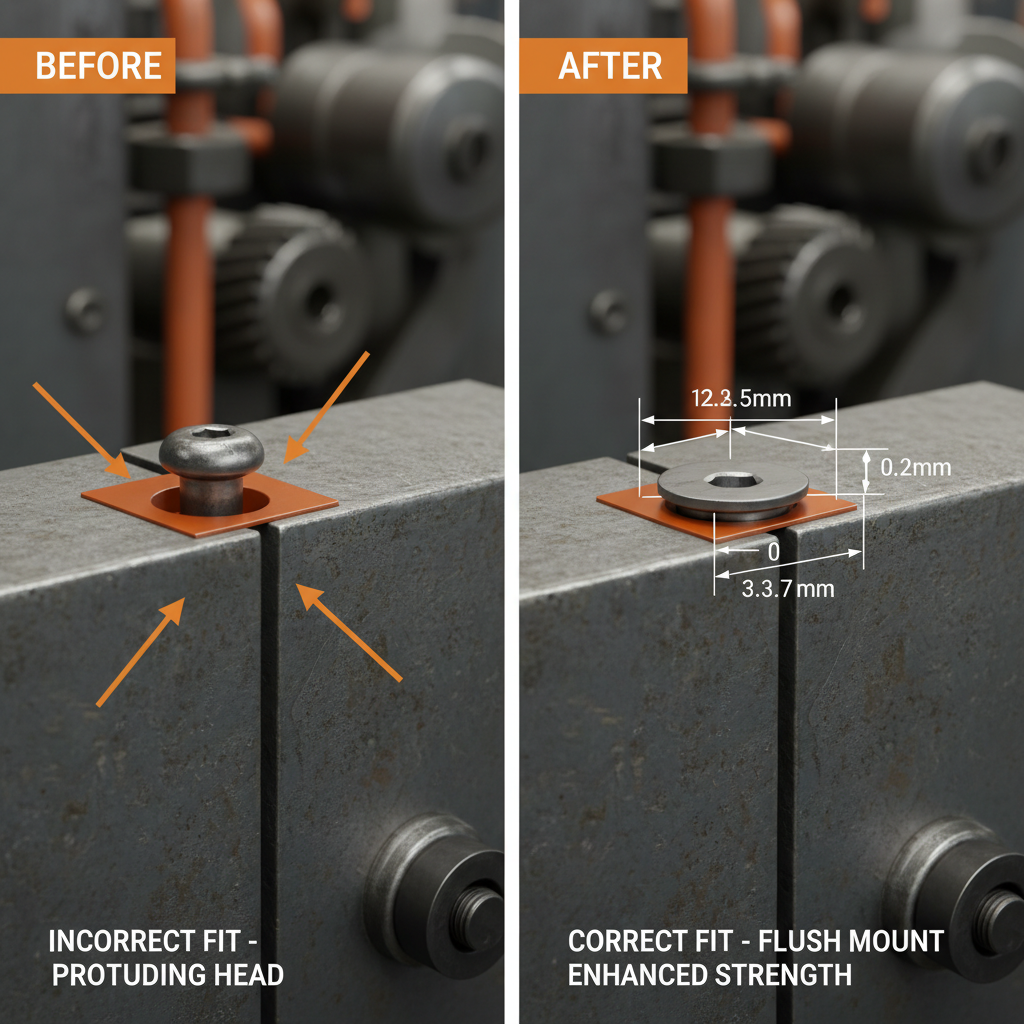
Imagine a screw with a flat top that sits flush against the surface, coupled with a socket shaped like a hexagon inside its head. That’s your hex socket flat head screw in a nutshell. It can be tightened or loosened using an Allen wrench (or hex key), which fits snugly into the recess—giving better torque control compared to regular slotted screws. It's widely adopted where aesthetics and functional flush mounting matter, like in aerospace panels or machine parts that cannot have protruding bolts.
Its relevance today isn’t just technical; it also ties into efforts to make durable, repair-friendly products that align with circular economy principles encouraged by ISO 14000 environmental standards. It’s a small part with a big impact.
Key Features and Parameters of Hex Socket Flat Head Screws
1. Design and Flush Finish
The flat head allows the screw to embed smoothly into countersunk holes, leaving no protrusions. This is essential when space is limited or travelling components might catch on uneven surfaces.
2. Torque and Precision
The hex socket head allows for precise torque application and minimizes cam-out (when the driver slips), making assembly safer and more reliable in factories.
3. Material Strength and Corrosion Resistance
Usually made from stainless steel, alloy steel, or even titanium for high-end applications, these screws boast substantial durability. Coatings like zinc plating add corrosion resistance, critical in outdoor or marine environments.
4. Scalability and Variety
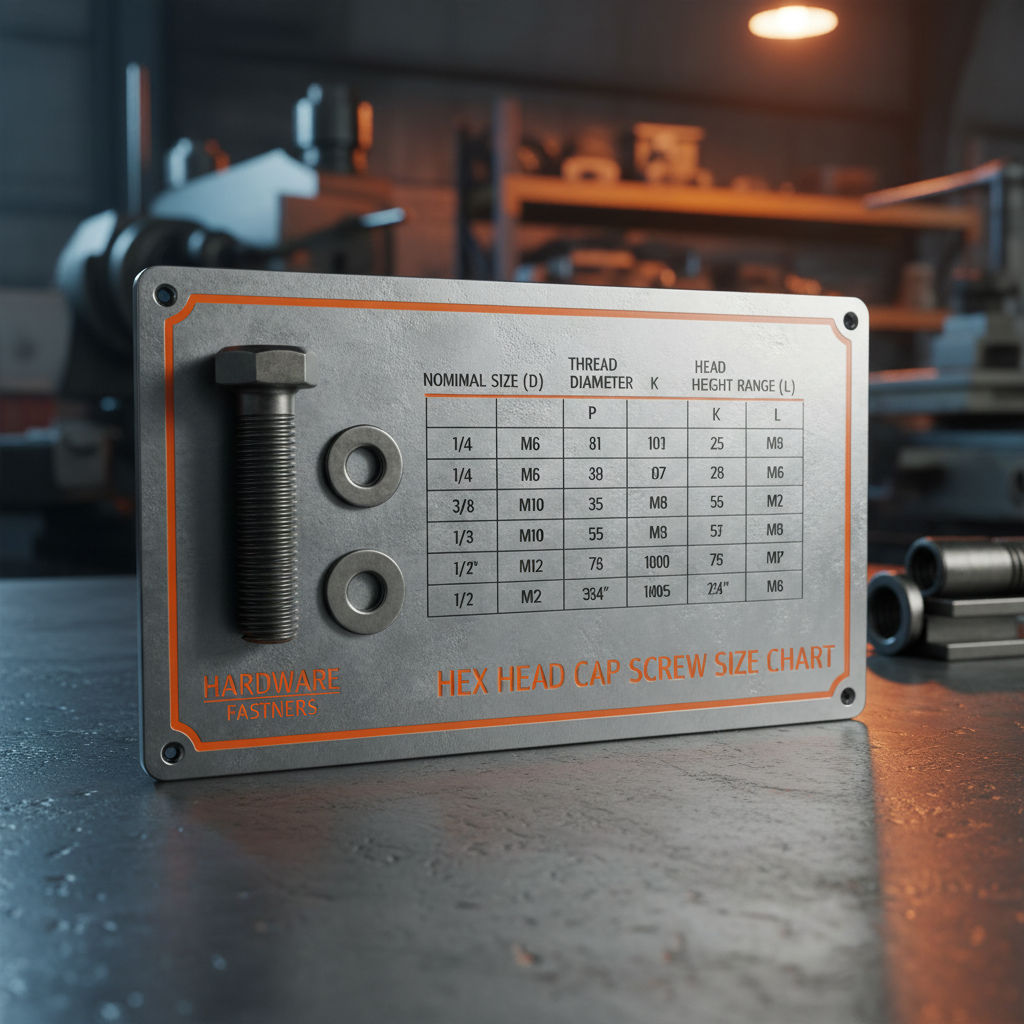
These screws come in a wide range of sizes and lengths, fitting everything from tiny electronics to massive structural joints. Manufacturers can even customize threads, pitch, and coatings based on specific needs.
5. Cost Efficiency Over Time
While their initial price might be a bit higher than simpler fasteners, the long-term value through repeat usability, fewer replacements, and reduced assembly time makes them cost-effective.
Where in the World Are They Used?
Industries spanning continents rely on these screws for various applications:
- Automotive factories in Germany and Japan use them extensively in engines and chassis for vibration resistance.
- Aerospace companies in North America apply them where aerodynamic flush mounting is non-negotiable.
- Renewable energy sectors, like wind turbines in Denmark, depend on corrosion-resistant variants to survive harsh environments.
- Post-disaster housing projectsin Southeast Asia have favoured modular constructions secured by these screws for quicker assembly.
- Electronics manufacturers from South Korea produce compact devices needing low-profile fasteners to keep components intact and sleek.
Oddly enough, these screws even pop up in humanitarian logistics, where durable but lightweight fastening means shelters and equipment can be deployed and reused efficiently in remote or disaster-prone zones.
Advantages and Lasting Value
- Reliability: Reduced risk of loosening under vibration helps keep machines running safely.
- Sustainability: Easier disassembly means products can be repaired or recycled more efficiently, contributing to environmental goals.
- Space-saving: Flush design prevents snagging or obstruction, which is crucial in tight assembly lines.
- Cost-effectiveness: Though pricier upfront, fewer failures and longer parts life lead to less downtime and expense.
- Safety and trust: Manufacturers and users gain confidence in fasteners that will hold up in critical applications.
Hex Socket Flat Head Screw Specifications
| Specification | Typical Range/Value | Notes |
|---|---|---|
| Material | Stainless Steel A2/A4, Alloy Steel | Corrosion resistance varies |
| Head Diameter | M3–M20 | Metric sizes |
| Thread Pitch | Standard and Fine (e.g., 0.5 mm to 2.5 mm) | Depends on usage |
| Drive Type | Hex socket (Allen key) | Minimizes cam-out |
| Tensile Strength | 400–1200 MPa | Varies by grade/material |
Comparing Top Hex Socket Flat Head Screw Vendors
| Vendor | Product Quality | Customization | Price Range | Global Availability |
|---|---|---|---|---|
| FastenBoen | High (ISO certified) | Thread pitch, coatings, sizes | Mid-to-high | Worldwide |
| ScrewMakers Inc. | Very High | Custom alloy options | High | Europe & Asia |
| FastFix Global | Moderate | Limited | Low-to-mid | North America |
Looking Ahead: Trends and Innovations in Hex Socket Flat Head Screws
There’s an intriguing shift towards lighter but stronger fasteners. Materials like carbon-fiber reinforced polymers and titanium alloys are gaining attention for aerospace and green energy sectors because they reduce weight without compromising strength. Also, surface treatments that are environmentally friendly—think of coatings that avoid heavy metals—are becoming industry standards.
Plus, automation in assembly lines increasingly relies on fasteners optimized for robotic tools, with consistent torque and minimized tool wear. Manufacturers investing in R&D to create screws that align with Industry 4.0 standards, including traceability via QR codes on packaging, are setting themselves apart.
Common Challenges and Smart Solutions
Not all hex socket flat head screws are created equal. One common gripe is difficulty accessing tight spaces because the hex socket requires exact alignment of the key. Some engineers tackle this by specifying screws with ball-end hex drives that allow slight angular engagement, easing installation.
Corrosion resistance remains a challenge in harsh environments but can be mitigated by advanced coatings like nano-ceramics or duplex stainless steel grades—though these come with added costs. Still, many industries balance upfront price with long-term maintenance savings, which ultimately feels smarter.
FAQ: Quick Answers About Hex Socket Flat Head Screws
- Q1: How do hex socket flat head screws compare with Phillips head screws?
- A1: Hex socket flat head screws offer higher torque transmission and less cam-out, making them preferred where precision and strength are critical. Phillip heads can strip more easily, so hex sockets are favored in industrial and mechanical applications.
- Q2: Can these screws be used in outdoor marine environments?
- A2: Yes, when made from corrosion-resistant materials like A4 stainless steel and with appropriate coatings, these screws withstand harsh marine conditions, making them suitable for docks, boats, and offshore platforms.
- Q3: Are hex socket flat head screws reusable?
- A3: Generally, yes. Their design allows for multiple assemblies and disassemblies without damaging the head if proper tools and torque are used, supporting repairability and sustainability goals.
- Q4: Where can I buy high-quality hex socket flat head screws?
- A4: Reputable suppliers like FastenBoen provide a wide range of sizes and materials, backed by ISO certifications and customization options suitable for diverse industrial needs.
- Q5: What standards govern the manufacturing of these screws?
- A5: ISO 10642 defines specifications for hex socket countersunk head screws used across industries, ensuring consistency in dimensions, material properties, and mechanical performance.
Wrapping Up: Why The Right Screw Matters
In the grand scheme of things, it’s these small details that often differentiate success from failure in engineering and manufacturing. The hex socket flat head screw might appear minor, but it embodies decades of evolution in design, materials, and purpose. For anyone balancing reliability, aesthetics, and sustainability, understanding its nuances offers a clear edge.
Need the perfect fastener for your next project? Dive deeper, explore options, and get tailored advice from specialists like those at FastenBoen. Because every component deserves the right fit.
References
Who We Are: The Right Fastener Partner for Global SMEs
Handan Boen Fastener Manufacturing Co., Ltd. (Est. 2010) specializes in producing standardized industrial fasteners, including bolts, nuts, washers, and other essential components. We provide cost-effective for small and medium-sized buyers in industries such as automotive parts, agricultural machinery, and construction.