Hex Socket Flat Countersunk Head Cap Screw – Precision Fasteners for Global Industry
Hex Socket Flat Countersunk Head Cap Screw: A Small Part with Global Importance
You probably haven’t given much thought to the humble hex socket flat countersunk head cap screw—but this little fastener quietly holds together everything from industrial machinery to everyday electronics. Understanding these screws isn’t just about nuts and bolts; it’s about unlocking greater durability, precision, and efficiency across a swath of industries worldwide.
In a world that increasingly demands sustainability and reliability, the role of such components only grows. Their design addresses common challenges engineers face globally—things like reducing material waste, improving load distribution, or ensuring unobtrusive assembly in tight spaces. So buckle up. It turns out this screw plays quite an outsized role behind the scenes.
Global Context: Why This Screw Matters More Than You Might Think
According to ISO standards, precision in fasteners like the hex socket flat countersunk head cap screw is critical, especially for sectors like automotive, aerospace, and construction where failure can be catastrophic. The United Nations Industrial Development Organization (UNIDO) has even noted supply chain stability hinges on such standardized parts. Globally, the industrial fastener market is expected to surpass $100 billion by 2027, emphasizing the economic heft of seemingly “small” components.
What’s the problem these screws solve? Well, traditional fasteners often cause uneven pressure, surface damage, or alignment issues—imperfections that lead to premature failures. The countersunk design, paired with a hex socket, allows flush mounting and high torque transfer, cutting down on frustrated rework and safety hazards. In short, these screws tackle precision assembly challenges head-on.
What Exactly is a Hex Socket Flat Countersunk Head Cap Screw?
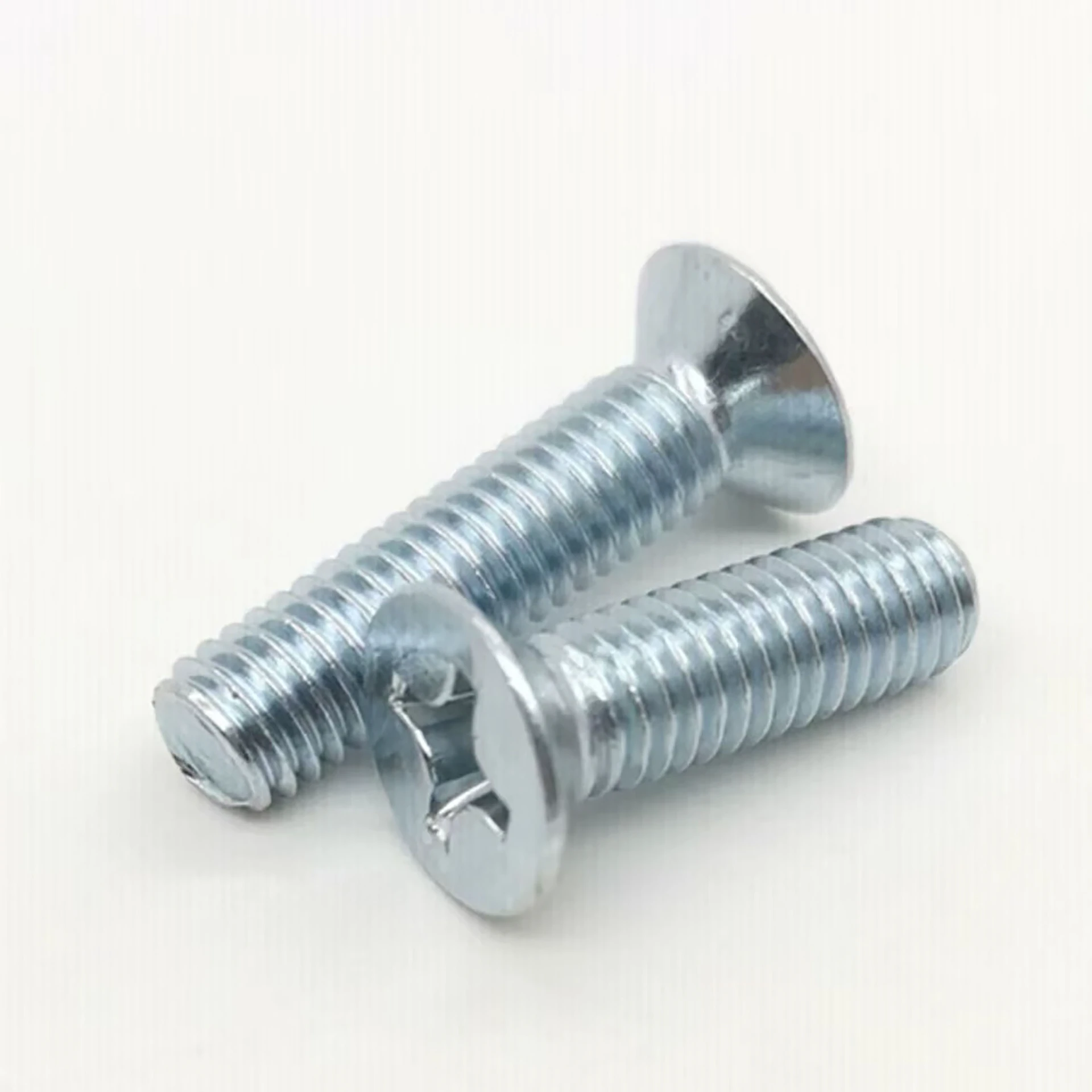
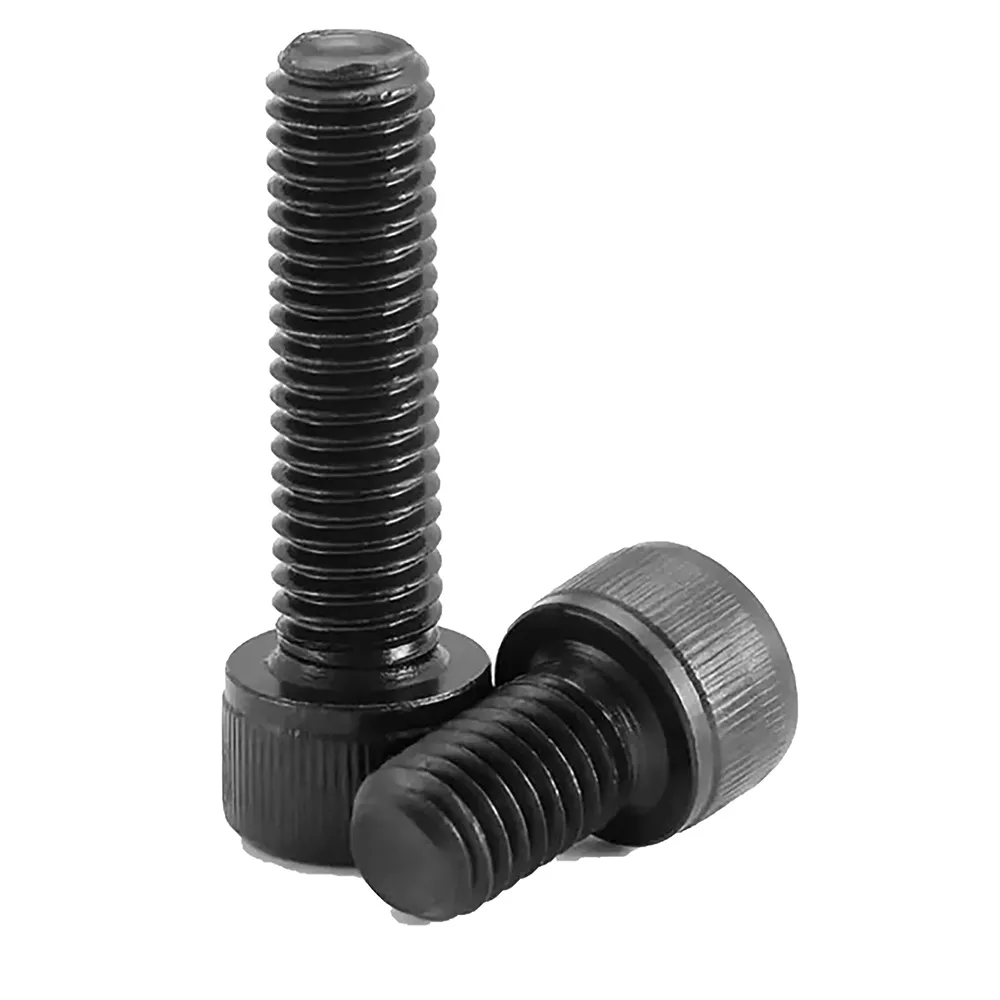
Put simply, it’s a fastener with a flat conical head that sits flush with the material surface, which you tighten using a hex key or Allen wrench. The “cap screw” part means it’s built for machine assembly applications where strength and consistent clamping force matter.
In modern industry, such screws are essential for everything from electronics manufacturing to rapid infrastructure deployment in remote or disaster-stricken zones. Their design helps preserve material integrity while providing a sleek, low-profile finish — qualities vital in applications demanding both aesthetics and robustness.
Mini takeaway:
- Hex socket flat countersunk head cap screws combine strength, precision, and space-saving design to meet rigorous industrial demands globally.
Key Characteristics Driving Their Popularity
1. Durability and Material Choices
These screws are often made from alloy steel, stainless steel, or even titanium for extreme environments. Corrosion resistance is crucial — I’ve seen stainless steel variants enduring coastal offshore platforms for years without much degradation.
2. Torque Transmission
The hex socket drive allows higher torque without cam-out compared to slotted or Phillips heads. This means assemblers don’t strip heads easily, reducing waste and downtime.
3. Countersunk, Flat-Head Design
Flush mounting means these screws won’t snag or jut out, which is critical in machinery or electronics where tight tolerances and smooth surfaces are needed.
4. Precision Manufacturing
The threads and head geometry comply with standards (like ISO 10642), ensuring compatibility across regions and manufacturers—a huge win for global supply chains.
5. Cost Efficiency
Though slightly pricier than basic fasteners, their longevity and performance reduce replacement costs and production halts.
Technical Specifications Overview
| Specification | Typical Value | Notes |
|---|---|---|
| Material | Stainless Steel (A2-70), Alloy Steel | Corrosion resistant options available |
| Drive Type | Hex (Allen) | High torque transfer, no cam-out |
| Head Shape | Flat Countersunk | Flush mounting for smooth finish |
| Thread Standard | ISO Metric (M3–M12 common) | Global compatibility |
| Tensile Strength | Up to 1000 MPa | Depending on material grade |
Where Do We Actually Use These Screws?
Turns out, everywhere. In automotive assembly lines across Germany, these screws hold engine parts tightly without requiring excessive maintenance. Asian electronics manufacturers rely on them for smartphones and laptops, where precision and compactness matter.
In humanitarian efforts following earthquakes or hurricanes, modular shelters assembled with these flat countersunk screws offer fast, reliable setups that don’t risk short-term material failure—essential when time and safety are paramount.
Oil rigs in the North Sea, car manufacturers in Detroit, and even some aerospace contractors in Toulouse count on these fasteners for their combination of reliability and ease of installation. Europe, North America, and East Asia lead in usage, but demand is growing rapidly in developing markets too.
Quick takeaway:
- From everyday gadgets to life-saving infrastructure, these screws firmly underpin a wide range of industries worldwide.
The Real Advantages: Why Invest in Hex Socket Flat Countersunk Head Cap Screws?
- Longevity: Reduced wear and corrosion means fewer replacements.
- Safety: Flush mounting eliminates sharp edges that could cause injury.
- Efficiency: Faster assembly with less risk of stripping saves precious time and manpower.
- Cost Savings: Initial investment pays off in reduced downtime and repair needs.
- Sustainability: High-quality materials and precision manufacture reduce overall waste and environmental impact.
Honestly, many engineers I’ve spoken to say that switching to these screws “feels like a small change but makes a huge difference” — the kind of improvement that quietly builds trust in machinery, keeping products safe and people comfortable.
What Does the Future Hold for These Fasteners?
Material innovations like carbon fiber composites and smart self-lubricating coatings are trending, aimed at boosting durability and reducing friction. Automation in assembly lines increasingly demands screws with standardized precision — our flat countersunk caps fit that bill perfectly.
Greener manufacturing processes mean lower carbon footprints in screw production, while digital tracking (think RFID tags embedded in packaging) offers supply chain transparency and quality assurance. That’s important as industries tighten their carbon and waste targets.
Common Challenges & Possible Solutions
One sticking point: countersunk screws sometimes require perfectly machined or pre-drilled countersinks, raising complexity. That’s not always feasible in fieldwork or retrofits. Some vendors now provide screws with slightly tapered or self-countersinking features to ease this pain.
Also, you’d think these screws are premium-priced and out of reach for small-scale users, but emerging economies benefit from local manufacturing partnerships lowering costs—bringing quality fasteners to new markets.
Vendor Comparisons: Who’s Leading the Pack?
| Vendor | Material Range | Pricing | Customization | Lead Time |
|---|---|---|---|---|
| FastenBoen Inc. | Steel, Stainless, Titanium | Mid-range | High (custom head markings, coatings) | 2-3 weeks |
| HexaBolt Co. | Steel, Alloy Steel | Low | Limited | 1-2 weeks |
| ScrewMasters Ltd. | Stainless Steel only | Premium | Moderate | 3-4 weeks |
Frequently Asked Questions About Hex Socket Flat Countersunk Head Cap Screw
- What advantages do hex socket countersunk screws offer over regular flat head screws?
- The hex socket drive allows for higher torque without stripping, providing secure fastening even in high-stress applications. Additionally, the countersunk head sits flush with the surface, which is excellent for aesthetic and safety reasons.
- Can these screws withstand harsh outdoor conditions?
- Yes, especially if made from stainless steel or corrosion-resistant alloys. They are commonly used in marine, offshore, and construction environments where exposure to moisture and chemicals is frequent.
- Are hex socket flat countersunk head cap screws compatible with automated assembly?
- Absolutely. Their precise head geometry and standard thread sizes make them ideal for robotic assembly systems, improving both speed and reliability on manufacturing lines.
- How do I select the right size and material?
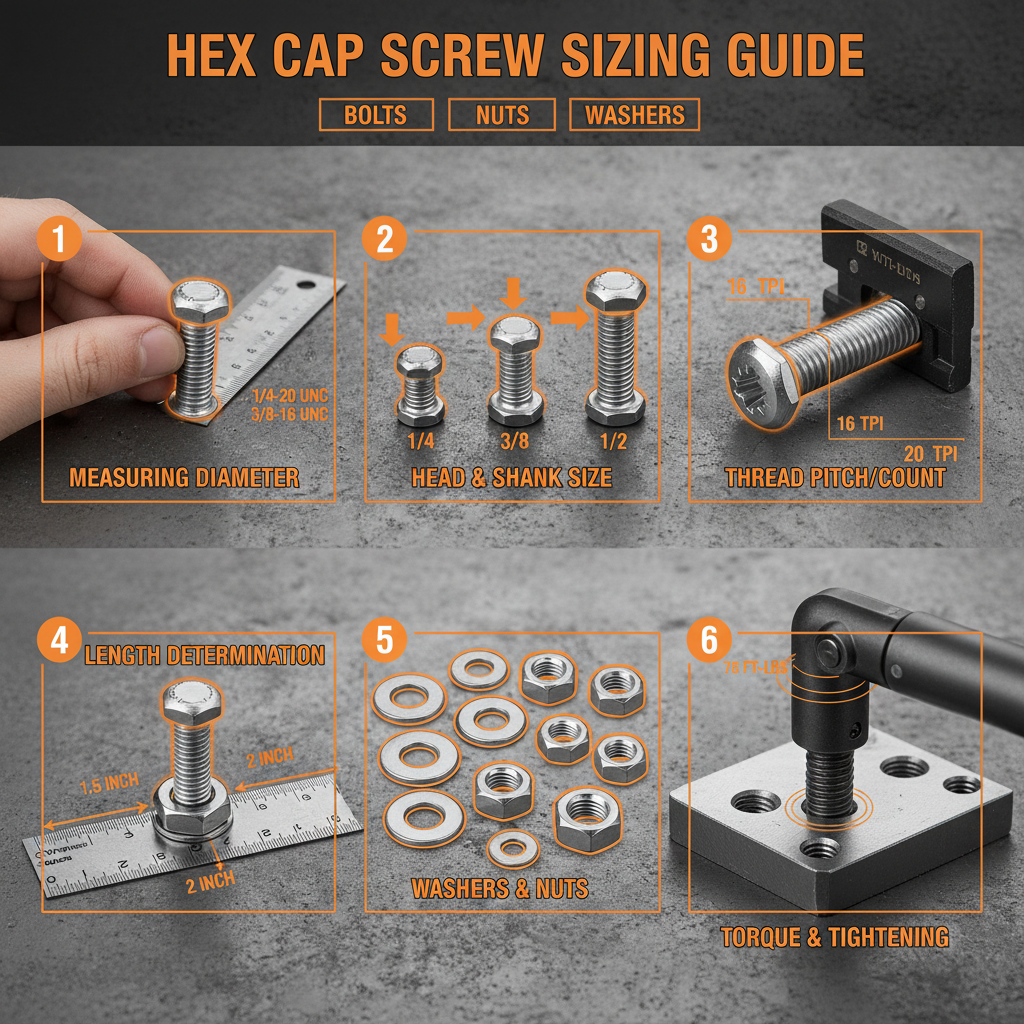
- Consider the mechanical load, environmental conditions, and material compatibility with your assembly. Common metric sizes range from M3 to M12, and materials vary from carbon steel to stainless or titanium, balancing cost and performance.
- Is it possible to customize these screws for branding or special coatings?
- Many vendors, including FastenBoen, offer customization options like engraved head markings, color coatings, or specialized finishes to enhance corrosion resistance or aesthetics.
Wrapping It Up
The hex socket flat countersunk head cap screw might look like just another tiny piece of metal, but it embodies global standards, enduring quality, and thoughtful design that makes industries tick. Whether you’re prototyping new machines or building complex infrastructure with sustainability in mind, this fastener quietly helps lessen failures, streamline assembly, and uphold safety. Curious to explore your options and maybe snag some samples? Visit our site, FastenBoen, where quality meets innovation.
Final reflection:
Sometimes, the most unassuming components tell the biggest stories—like this screw that makes the complex world of modern assembly just a little bit smoother.
References
Who We Are: The Right Fastener Partner for Global SMEs
Handan Boen Fastener Manufacturing Co., Ltd. (Est. 2010) specializes in producing standardized industrial fasteners, including bolts, nuts, washers, and other essential components. We provide cost-effective for small and medium-sized buyers in industries such as automotive parts, agricultural machinery, and construction.