Detailed Guide to Low Head Bolts: Applications, Benefits, and Trends
What Is a Low Head Bolt and Why Does It Matter Globally?
So, you've probably stumbled upon the term low head bolt in your engineering or construction reading. But why should you really care about it, especially beyond your job site? Well, it turns out that low head bolts play a surprisingly vital role in global infrastructure, industrial applications, and even humanitarian efforts. They embody a smart balance of safety, efficiency, and design optimization—qualities that major organizations around the world need.
Understanding these specialized fasteners isn't just a technicality—it impacts everything from the durability of bridges to the rapid deployment of disaster relief structures. Let's unpack what makes low head bolts stand out and why they deserve your attention if you’re involved in any industry touching manufacturing, construction, or infrastructure maintenance.
The Global Context: Low Head Bolt in Modern Industry
According to data from the International Organization for Standardization (ISO), fastening components—including bolts—make up a critical segment of global manufacturing output, which is expected to grow annually by around 4% worldwide. With trillions of dollars funneled into infrastructure projects each year, fasteners like the low head bolt quietly underpin the integrity and efficiency of everything from highway systems to industrial machinery.
But here's a challenge that crops up repeatedly: How do you reduce protrusion while maintaining strength? Especially important in tightly packed or exposed assembly environments—think aerospace, automotive subassemblies, or modular construction units—where a bulky bolt head might add unwanted bulk or snag on wiring and fabrics. Enter the low head bolt.
Defining the Low Head Bolt: A Simple Explanation
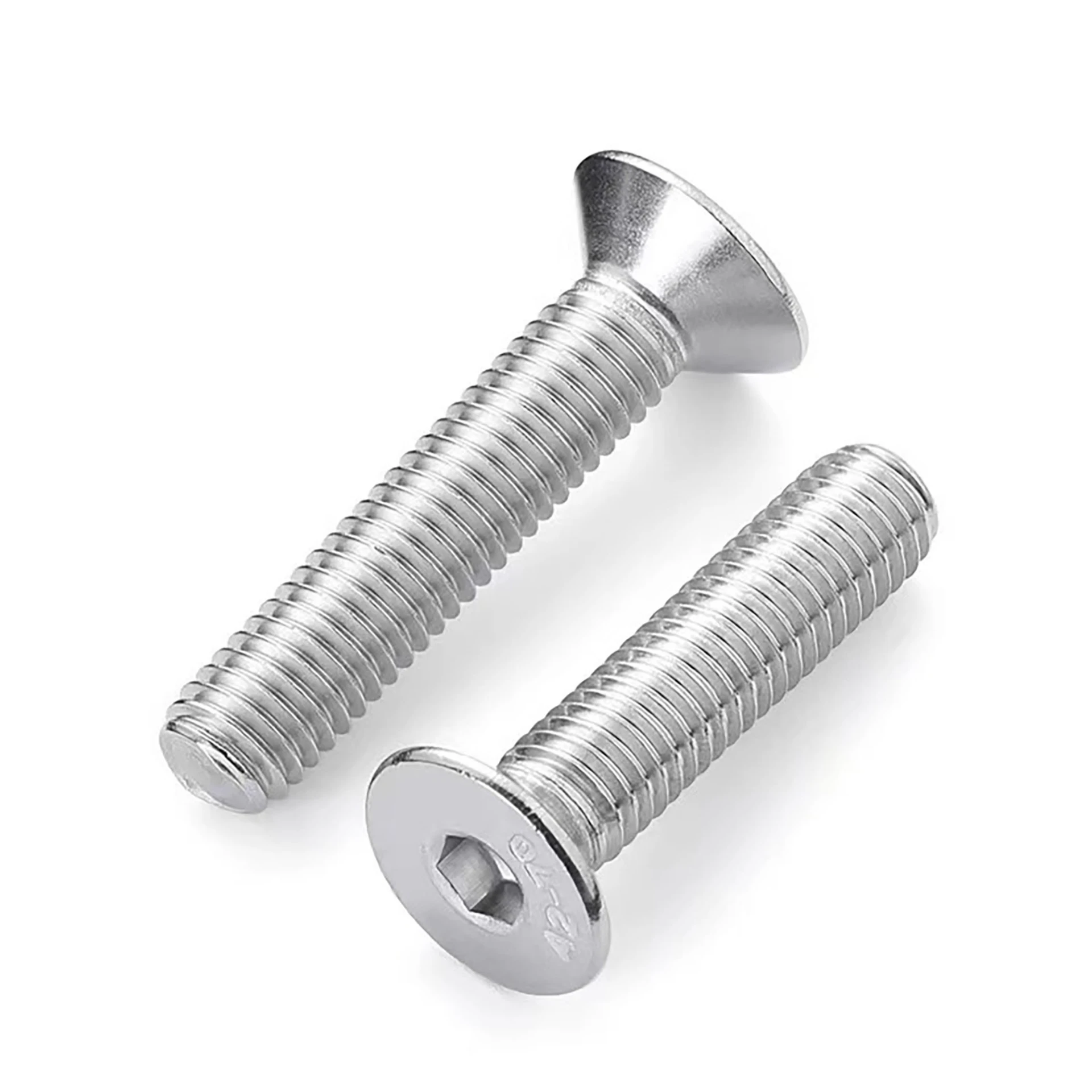
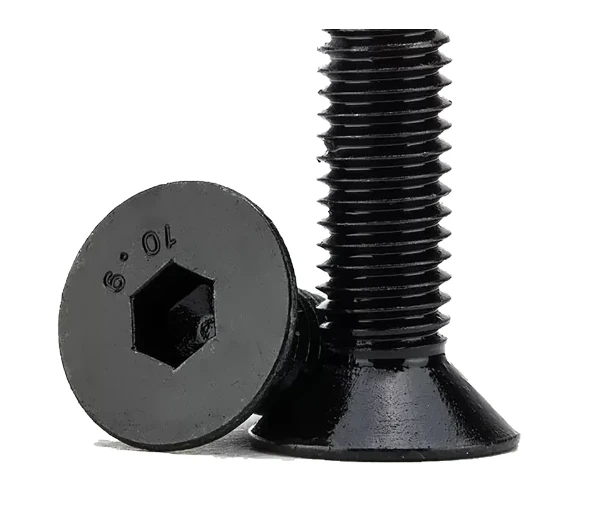
Put simply, a low head bolt is a fastening bolt characterized primarily by a thinner, more compact head than standard bolts. This reduced profile means it sits lower relative to the bolted surface—hence the name. But that small detail packs a punch: you get reliable fastening strength without the drawback of a large, protruding head.
Low head bolts are often hexagonal or socket-headed for easy torque application, and they are engineered for environments where clearance is limited and aesthetics or safety concerns make oversized heads impractical. They're essential in sectors that rely on streamlined assemblies and fast maintenance turnaround.
In the humanitarian sector, for example, these quick-to-assemble structural bolts allow relief workers to fasten shelters, medical units, and temporary infrastructure rapidly yet securely—where every minute and every ounce of logistic simplicity counts.
Key Factors of Low Head Bolts
1. Compact Design for Space Efficiency
One of the key traits engineers appreciate is the shallow head height, often less than half the height of a standard hex bolt. This means your assembly can be made sleeker without compromising fastening capability.
2. Enhanced Safety in Crowded Assemblies
Low profile reduces accidental snagging and injury risks during operation or maintenance. Industries like aerospace or warehouse robotics love this, where components live close together.
3. High Durability and Strength
Many low head bolts are manufactured from alloy steel or stainless steel, meeting or exceeding industry standards for tensile strength—up to grades 8.8 and beyond. Corrosion resistance also factors in, thanks to coatings or material choice.
4. Cost Efficiency in Production
You’d be surprised—using low head bolts can lower material costs and simplify machining processes, especially when working on compact or automated assembly lines.
5. Versatility Across Applications
They’re not just for mechanical uses—architects, modular engineers, and even custom hobbyists pick them for aesthetic reasons or safety in exposed projects.
Mini Takeaway: Low head bolts cleverly blend small size with strength, opening doors to safer, sleeker, and more cost-efficient designs.
Global Applications & Real-World Use Cases
Low head bolts are quietly present in diverse fields all over the world. In Japan’s crowded urban environments, where every millimeter counts, these bolts are standard in train car manufacturing and electronics assembly. In Europe, aerospace manufacturers depend on them to keep aircraft interiors neat and maintenance-friendly.
In humanitarian contexts—like post-earthquake recovery in Turkey or flood relief in Bangladesh—low head bolts help crews erect modular temporary shelters that withstand harsh weather without bulky hardware getting in the way. And in North America’s automotive industry, manufacturers use them to streamline assembly lines with robots working in tight quarters.
One interesting example is a Canadian renewable energy firm that installed solar arrays on rugged terrain, using numerous low head bolts to keep panel mounts low profile and resistant to strong winds and vibrations.
Advantages & Long-Term Benefits
- Safety: Reduced snag hazards and better ergonomics protect workers and operators.
- Sustainability: Efficient use of materials means less waste and easier recycling.
- Reliability: They provide dependable clamping force, critical in harsh conditions.
- Cost Savings: Less machining time and lower transport bulk.
- Aesthetic Appeal: Neat and flush fittings support modern design trends.
If you think about it, these benefits combine emotional peace of mind with practical performance—a rare and valuable mix in engineering.
Product Specification Table: Typical Low Head Bolt Features
| Specification | Typical Value | Notes |
|---|---|---|
| Head Height | 3-5 mm | Less than half of standard hex bolt |
| Material | Grade 8.8 Alloy Steel / Stainless | Corrosion resistant options available |
| Thread Type | Coarse or Fine | Depends on application needs |
| Strength Class | 8.8 / 10.9 common | Industry standard grades |
| Finish | Zinc Plated / Black Oxide / Plain | Protects against corrosion |
Vendor Comparison: Leading Low Head Bolt Suppliers
| Vendor | Material Quality | Customization Options | Delivery Speed | Average Price |
|---|---|---|---|---|
| BoltTech Industries | High-grade stainless steel | Full thread and head size options | 2 weeks | $$$ |
| FastenBoen Corp | Grade 8.8 alloy with coatings | Custom dimensions & packaging | 1 week | $$ |
| SteelPro Solutions | Standard alloy steel | Limited options | 3 weeks | $ |
Looking Ahead: Future Trends & Innovations in Low Head Bolts
Materials science is quietly revolutionizing even the smallest hardware. Expect low head bolts to adopt more lightweight composites and advanced coatings that resist corrosion in ocean or chemical environments better than before. Automation—especially robotic assembly—favors fasteners like these that combine precision and compactness.
The sustainability push means more bolts made with recycled steel or manufactured with less energy. Some manufacturers are exploring bio-degradable temporary fasteners for single-use humanitarian structures—a fascinating twist.
Digital innovation will soon let engineers scan bolts to quickly verify torque and installation integrity, which feels like magic but will be typical in a few years.
Challenges and How to Overcome Them
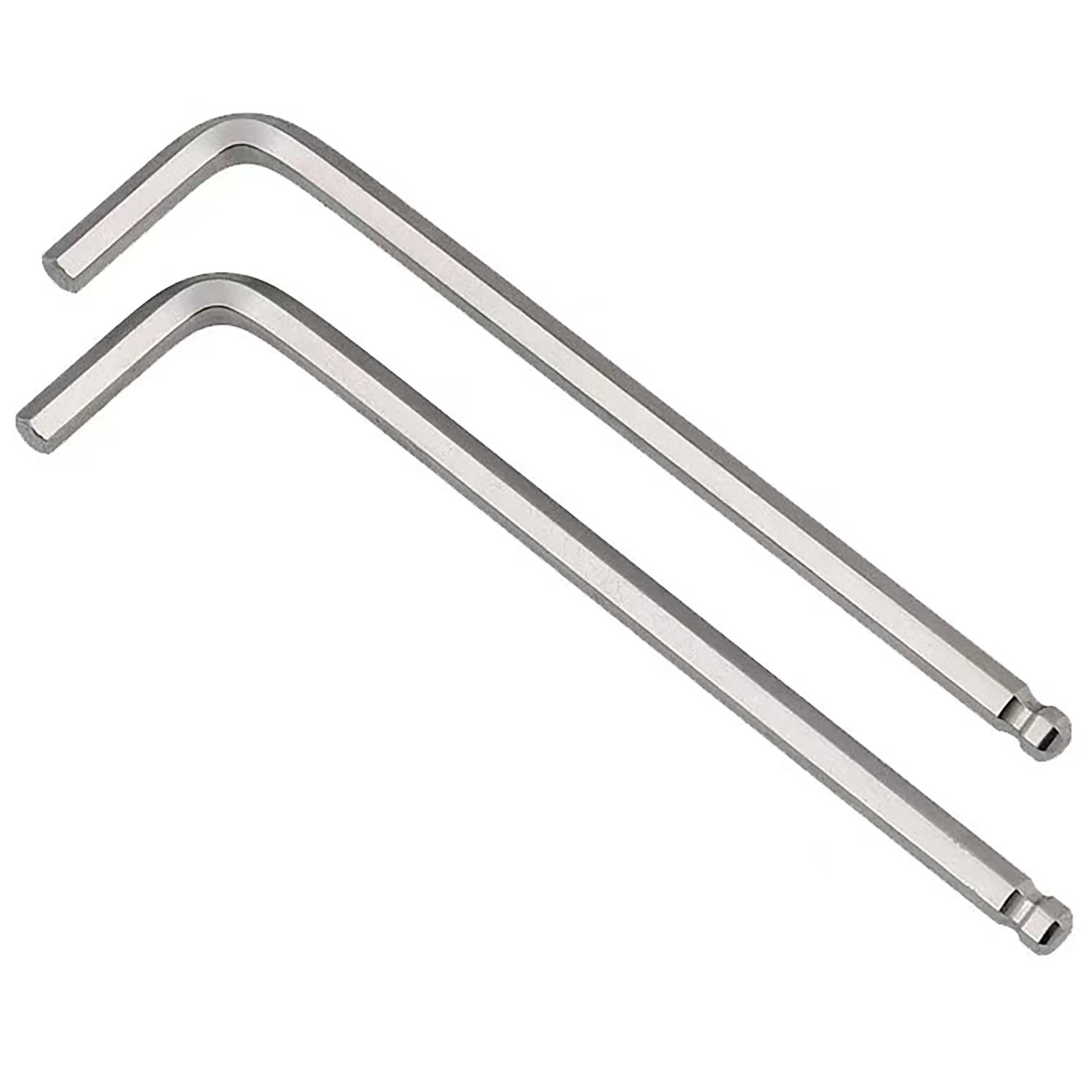
Despite many upsides, low head bolts are not perfect. Their smaller heads mean less surface area for tools, sometimes making torque application tricky without specialized wrenches. Manufacturers need to standardize sizes more globally to avoid confusion and ensure interchangeability.
Another challenge is maintaining cost-effectiveness when customizing bolts for niche applications. But innovations like modular tooling and just-in-time manufacturing are smoothing this out fast.
FAQ: Frequently Asked Questions About Low Head Bolt
- What distinguishes a low head bolt from other bolt types?
- Low head bolts feature a reduced head height which makes them ideal for tight spaces. Unlike traditional hex bolts, their heads don’t protrude as much, helping avoid snagging and improving assembly aesthetics.
- Are low head bolts strong enough for heavy-duty applications?
- Yes, many low head bolts are made from high-grade materials like Grade 8.8 alloy steel, offering strength comparable to standard bolts while optimizing size.
- Can low head bolts be used outdoors in corrosive environments?
- Absolutely. Options like stainless steel or zinc-plated finishes enhance corrosion resistance, making them suitable for marine or chemical exposure.
- How do I select the right low head bolt for my project?
- Consider required strength, head size constraints, material compatibility, and environmental factors. Consulting a vendor like FastenBoen can help you tailor specs to your needs.
- Are low head bolts available in metric and imperial sizes?
- Yes, manufacturers often provide both, but always confirm availability with your supplier to ensure proper fit.
Conclusion: Why Low Head Bolts Are Here to Stay
To wrap it up, the humble low head bolt quietly delivers big benefits. It’s a small, practical solution that helps engineering marvels stay safe, sleek, and efficient. From global infrastructure to urgent humanitarian projects, these bolts matter. For anyone serious about fastening solutions, it’s worth diving deep into what low head bolts bring to the table.
Curious to explore more? Visit FastenBoen and see how these components can fit your next project’s unique needs.
Mini Takeaway: Small but mighty, low head bolts are quietly shaping safer and smarter assemblies worldwide.
References:
1. ISO Fastening Standards
2. Wikipedia: Bolt (Fastener)
3. World Bank Infrastructure Data
Who We Are: The Right Fastener Partner for Global SMEs
Handan Boen Fastener Manufacturing Co., Ltd. (Est. 2010) specializes in producing standardized industrial fasteners, including bolts, nuts, washers, and other essential components. We provide cost-effective for small and medium-sized buyers in industries such as automotive parts, agricultural machinery, and construction.