Comprehensive Guide to M6 Cap Screws: Specifications, Uses & Vendors
Understanding M6 Cap Screws: Small Parts, Big Impact
At first glance, an m6 cap screw might seem like just another tiny piece in a big industrial puzzle. But oddly enough, this specific fastener type is essential in countless industries worldwide — from automotive assembly lines to large-scale infrastructure projects. Knowing about m6 cap screws means understanding a key to reliability and precise engineering that powers modern manufacturing and humanitarian construction alike.
The Global Picture: Why M6 Cap Screws Matter
Globally, the industrial fastener market is enormous, valued at multiple billions of dollars by industry analysts like ISO and the World Bank, especially as manufacturing hubs expand in Asia and Europe. M6 cap screws are sometimes called “the little giants” because of their size combined with their ability to provide durable holding strength. In real terms, challenges such as equipment failure, structural integrity, and repair efficiency hinge on choosing the right fastener.
High failure rates in fasteners can cost manufacturers up to 2-5% of their annual production expenses, according to ISO studies. Beyond cost, using the correct m6 cap screws enhances safety — critical in everything from railways to hospital equipment.
What Are M6 Cap Screws?
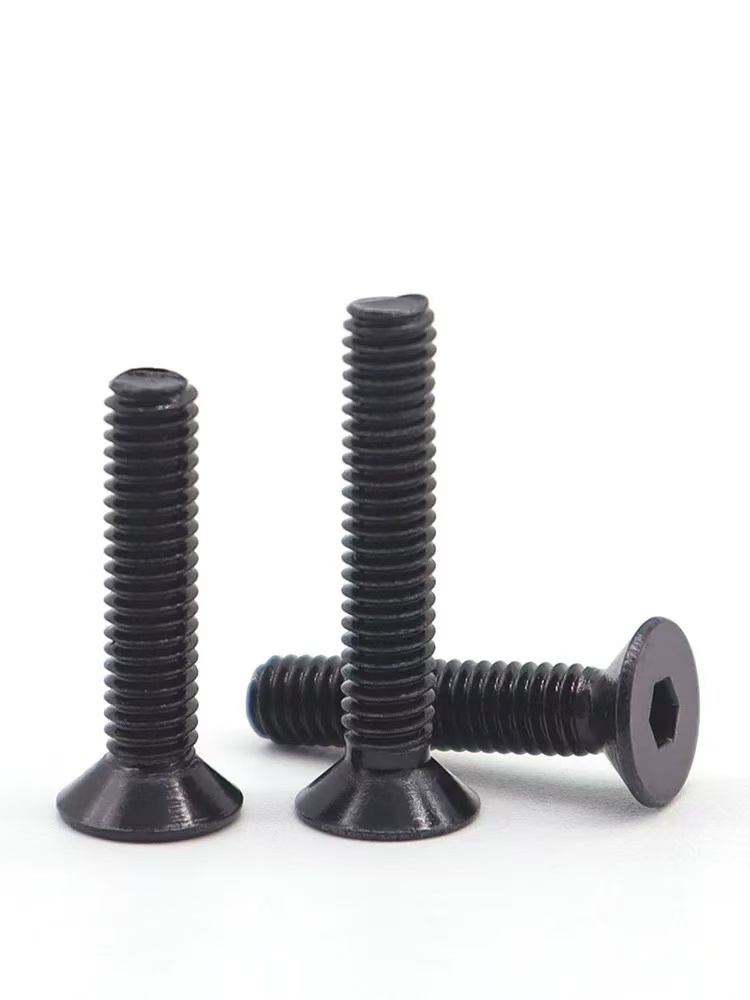
Simply put, an m6 cap screw is a metric machine screw with a nominal diameter of 6 millimeters and a hexagonal socket head, designed to be tightened with an Allen key. These screws belong to the family of hex socket screws widely used in precision assembly where a smooth, flush, or decorative finish is also desired.
Industries rely on them for their straight threading, resistance to stripping, and ease of reuse during maintenance. This combination enables modular design and rapid assembly — indispensable qualities when building infrastructures for disaster relief or fast-moving industrial environments.
Key Components of M6 Cap Screws
1. Material Quality
Most m6 cap screws are crafted from stainless steel, alloy steel, or sometimes titanium for specialized applications. Material selection influences corrosion resistance, tensile strength, and longevity — all critical in maritime, aerospace, or outdoor builds.
2. Precision Threading
The thread pitch (typically 1.0 mm for standard M6 screws) determines how tightly and securely the screw fastens. Precise threading means better torque control and reduces the risk of component damage during tightening.
3. Head Design
The cap or button head gives a low-profile finish, protecting the screw from shear forces and corrosion. This also prevents snagging in mechanical moving parts or delicate electronics.
4. Coatings & Treatments
Plating options such as zinc, black oxide, or phosphate coatings add corrosion resistance and aesthetic appeal. For example, black oxide offers mild rust prevention while maintaining a matte finish preferred in tool manufacturing.
5. Standards Compliance
M6 cap screws adhere to ISO 4762 or DIN 912 standards, meaning engineers and technicians worldwide can expect consistency and interchangeability, which frankly is a lifesaver when sourcing parts globally.
| Feature | Specification |
|---|---|
| Diameter | 6 mm |
| Thread Pitch | 1.0 mm (standard metric) |
| Head Type | Hex socket (cap/head) |
| Material | Stainless steel, alloy steel, titanium |
| Standards | ISO 4762, DIN 912 |
| Typical Length Range | 10 mm to 80 mm |
Global Applications and Real-World Use Cases
In practice, m6 cap screws find their way into ... well, practically everything connecting machine components, furniture, and electronic enclosures. But more specifically:
- Automotive Industry: Used extensively in assembling engine components and chassis frames where reliable torque is vital.
- Aerospace and Defense: Their high strength-to-weight ratio makes them ideal for aircraft interiors and electronic consoles.
- Electronics and Machinery Manufacturing: Fast production lines rely on these screws for repeatable precision assembly, reducing downtime.
- Humanitarian Construction: NGOs building modular housing or emergency medical facilities prioritize components that are easy to install and replace.
For example, in post-disaster relief operations, pre-fabricated shelters utilize m6 cap screws to speed up assembly with minimal tooling. The universality of these screws means replacements can be sourced locally, critical for timely repairs in remote areas.
Advantages and Long-Term Value of M6 Cap Screws
Why bother with m6 cap screws over other fasteners? The benefits stack up both logically and emotionally:
- Cost Efficiency: Manufactured at scale, they offer high performance at a low cost, reducing overall project budgets.
- Durability & Reliability: Resistant to loosening, corrosion, and mechanical stress.
- Safety: Secure assemblies minimize risk of component failure, protecting users and technicians.
- Sustainability: Long service life and reusable nature lower environmental impact.
- Trust in Innovation: Worldwide standards and robust quality controls develop a strong confidence network among engineers.
Future Trends and Innovations
The future looks promising for m6 cap screws. Frankly, innovations focus on new materials and smart fasteners:
- Advanced Alloys: Corrosion-resistant, lightweight composites and titanium alloys are emerging, especially in green energy sectors like wind turbines.
- Coatings with Antimicrobial Properties: Useful in medical device assembly.
- Smart Fasteners: Embedded sensors that monitor torque and vibration, leveraging Industry 4.0 digital transformations.
- Automation Friendly Designs: Enhancing compatibility with robotic assembly arms for mass production efficiency.
Challenges and Solutions in Current M6 Cap Screw Usage
Like any component, m6 cap screws face some challenges:
- Cross-threading and Over-tightening: Common errors during manual installation.
- Corrosion in Harsh Environments: Despite coatings, some locations require better materials.
- Supply Chain Disruptions: Global events sometimes cause shortages in fastener availability.
Experts recommend adopting training on torque wrench usage, opting for corrosion-resistant materials for coastal or chemical plants, and building strategic inventory buffers. Plus, digital inventory and sourcing tools help mitigate supply risks.
| Vendor | Material Options | Standard Compliance | Price Range (per 100 pcs) | Lead Time |
|---|---|---|---|---|
| FastenBoen | Stainless, Alloy, Titanium | ISO 4762, DIN 912 | $30 - $75 | 1-2 weeks |
| BoltPro | Stainless Steel, Zinc Plated | DIN 912 | $25 - $60 | 2-3 weeks |
| GlobalFasteners | Alloy Steel, Zinc Coated | ISO 4762 | $20 - $50 | 3-4 weeks |
FAQ: Your Top Questions About M6 Cap Screws
- What are the best materials for m6 cap screws used outdoors?
- Stainless steel (especially A2 or A4 grades) and titanium are top choices outdoors due to their excellent corrosion resistance. Zinc plating helps but may not last in marine environments.
- Can m6 cap screws be reused after removal?
- Yes, as long as threads and heads are undamaged. They’re designed to maintain integrity through several assembly cycles, but always inspect for wear or stripping.
- How do I know the right length of m6 cap screw for my project?
- Measure the total thickness of the parts being joined and add enough length for secure threading, usually at least the diameter length into the nut or tapped hole.
- Are m6 cap screws compatible with power tools for assembly?
- They work well with appropriate Allen key bits on power drills or drivers. Avoid high torque to prevent stripping or over-tightening.
- Where can I reliably purchase high-quality m6 cap screws?
- Trusted suppliers like FastenBoen provide detailed specs, certifications, and good customer support to ensure quality and standards compliance.
Wrapping It Up
So, m6 cap screws might be just small fasteners, but they pack a big punch in ensuring every bolt, bracket, and panel stays firmly in place through time and stress. Their versatility, reliability, and global standardization make them fundamental elements in industries hungry for quality and speed.
If you’re looking to source or learn more about m6 cap screws, definitely check out FastenBoen for extensive options and expert advice.
Takeaway: Never underestimate the power of the right screw — sometimes, the smallest parts hold the biggest projects together.
References
Who We Are: The Right Fastener Partner for Global SMEs
Handan Boen Fastener Manufacturing Co., Ltd. (Est. 2010) specializes in producing standardized industrial fasteners, including bolts, nuts, washers, and other essential components. We provide cost-effective for small and medium-sized buyers in industries such as automotive parts, agricultural machinery, and construction.