Square Weld Nut DIN 928: Need Strong, Precise, Rust-proof?
Square Weld Nut: field notes, specs, and what buyers are actually asking
If you work around sheet metal or BIW fixtures, you already know the humble square weld nut doesn’t get the glory—yet it keeps assemblies together when it matters. I’ve watched line techs shave seconds off cycle time just by switching projection style, which is oddly satisfying to witness. Let’s unpack where the market is going, what specs really count, and how to buy smarter.
What’s trending in weld nuts
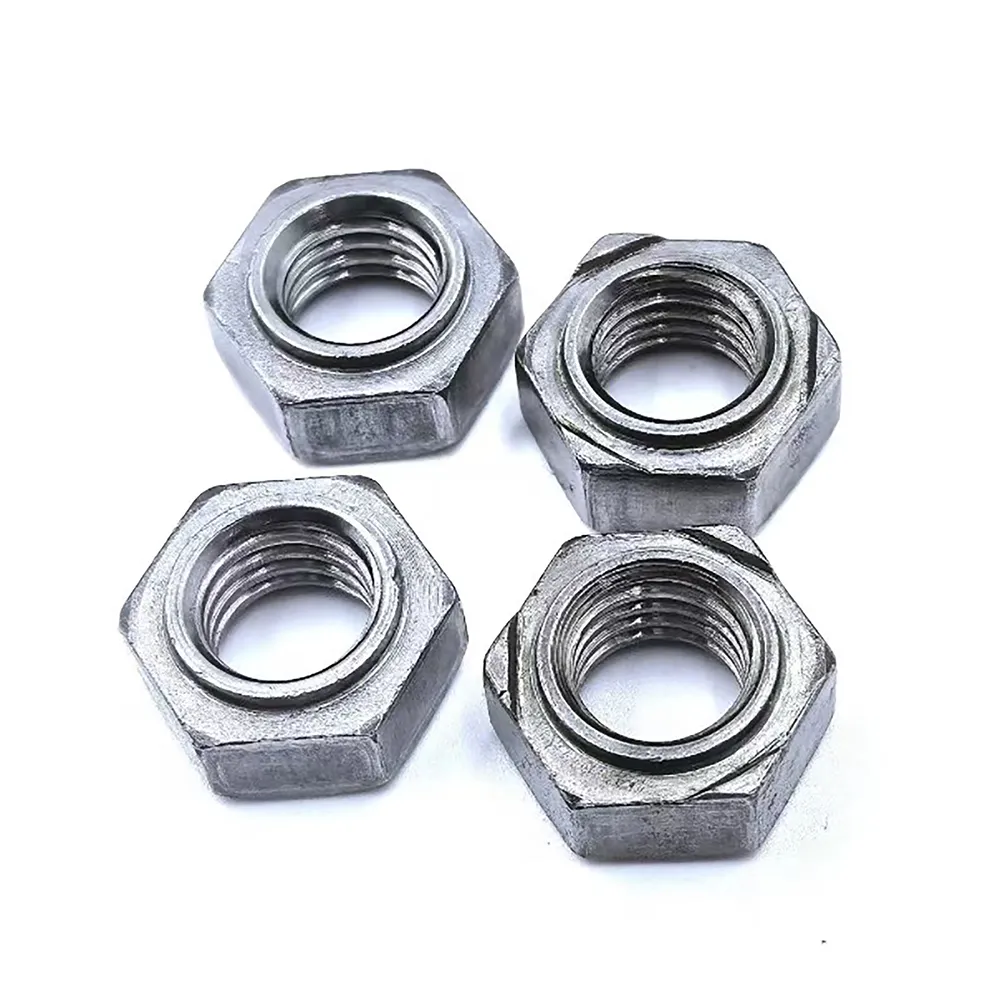
Automation is steering the market—robotic projection welding, inline vision checks, and batch traceability. We’re also seeing lightweighting drive thinner sheets, so controlled heat input and low-spatter projection designs matter more. Interestingly, some buyers still default to hex weld nuts; fair enough, but the square weld nut (think DIN 928 style) offers clean fixturing on edges and corners, and resists spinning better in many panel layouts. Many customers say it’s the “fit-and-forget” fastener for brackets and enclosures.
Technical specifications at a glance
| Standard (typical) | DIN 928 (square weld nuts); also DIN 929 (hex) available |
| Thread range | M4–M12, 1/4"–1/2" UNC/UNF (≈ common stock) |
| Materials | Low-carbon steel (best weldability), 10B21, stainless 304/316 for corrosion |
| Hardness / Grade | Class 6, 8, 10 per ISO 898-2 / GB/T 3098.2 (real-world use may vary) |
| Finish | Plain, Zn, Zn-Ni, black oxide; 120–720 h NSS available ≈ spec |
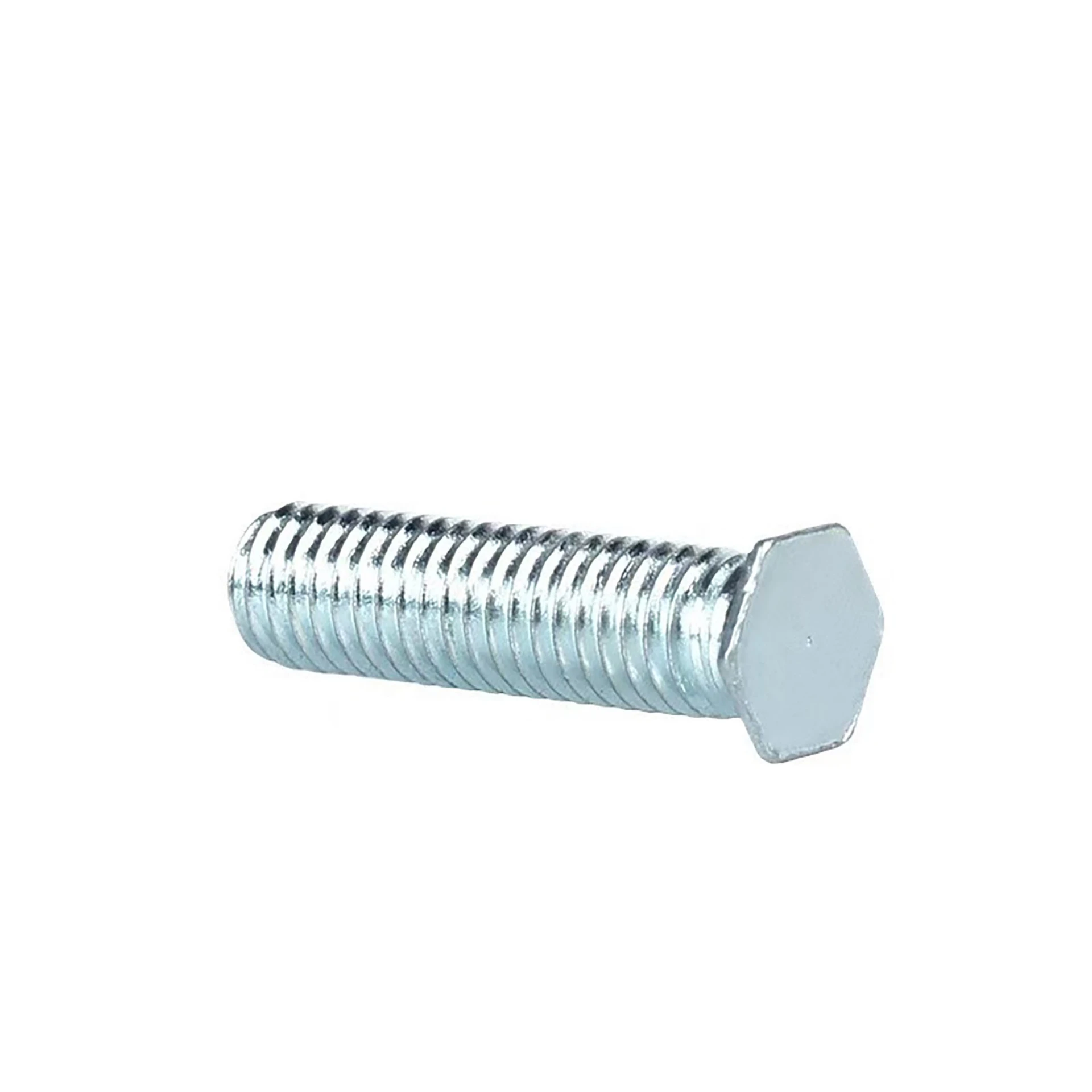
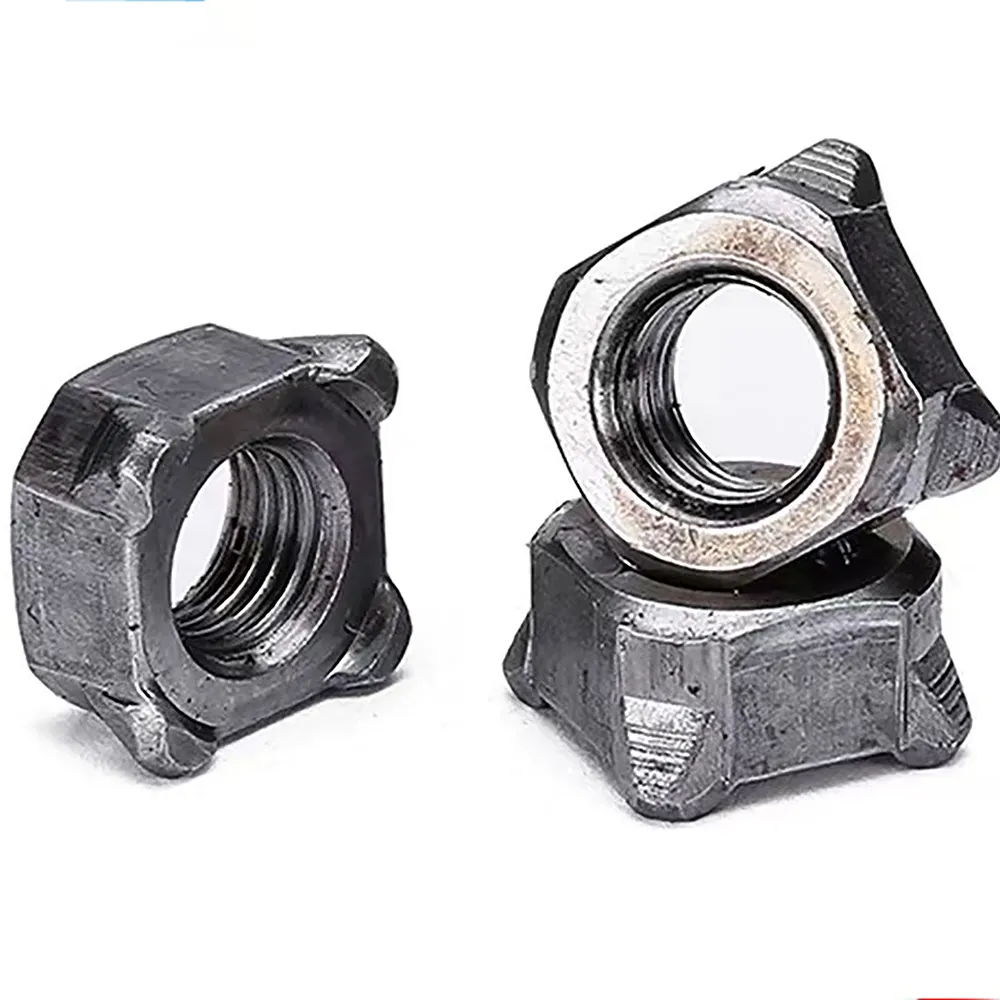
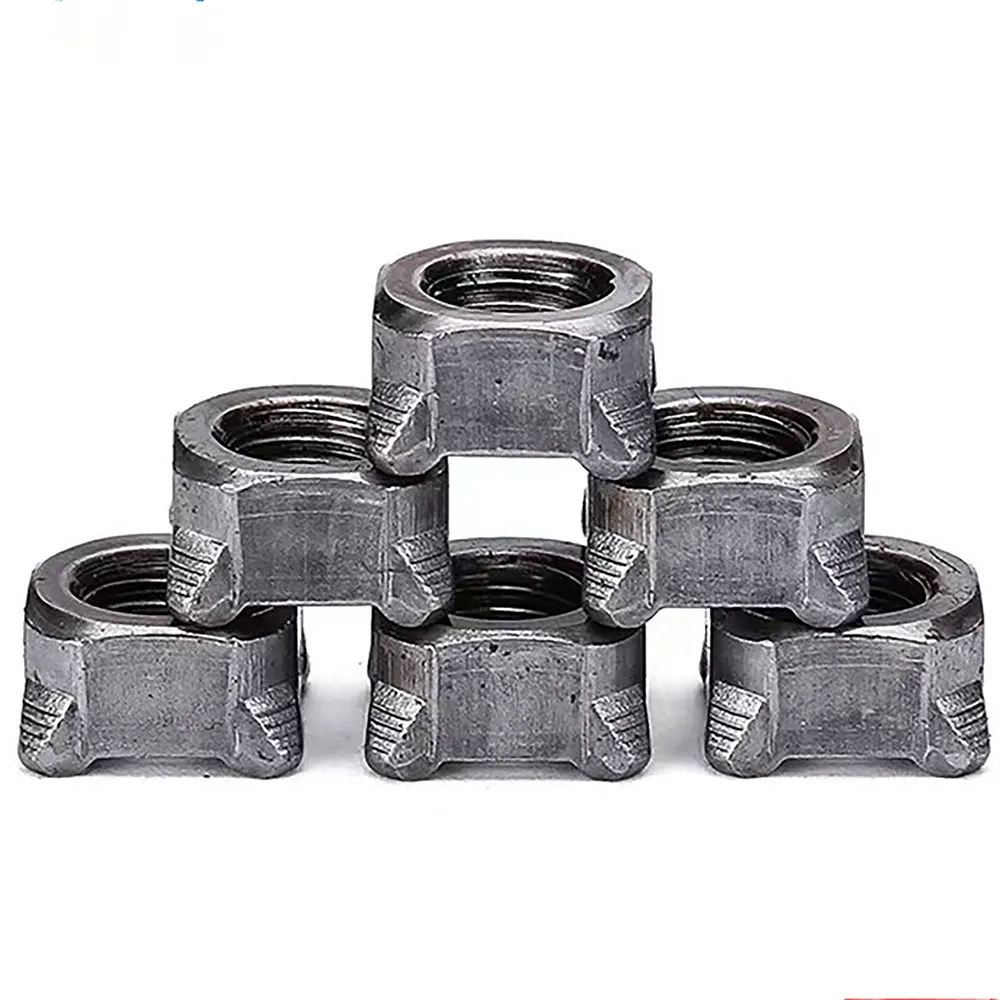
| Projections | Four projections for resistance welding; low-spatter geometry |
| Proof / Torque | Per ISO 898-2; sample M8 proof ≈ 14 kN; spin-out torque validated |
Where the square weld nut shines
-
- Automotive BIW brackets, seat frames, battery trays
- Appliances/HVAC panels, elevator rails, racking and enclosures
- Situations with limited backside access or paint-before-assembly flows
Advantages: anti-rotation on flat panels, consistent projection weld nugget, easy robot feeding, and—surprisingly—better edge clearance than some hex patterns.
Process flow, testing, and service life
Material prep → cold forming → projection stamping → tapping → heat treatment (as required) → surface finish → resistance welding trials → 100% visual + sampling torque/proof → packaging with traceability. Weldability verified per ISO 18278; mechanicals per ISO 898-2/GB/T 3098.2; weld quality often cross-checked against AWS D1.1 criteria. Typical service life: matches assembly life; corrosion life tracks coating (e.g., Zn-Ni 480–720 h NSS).
Vendor snapshot: what buyers compare
| Vendor | Standards | MOQ | Lead Time | Customization | Certs | Price |
|---|---|---|---|---|---|---|
| Fastenboen (Yongnian, Handan, Hebei) | DIN 928/929, ISO 898-2 | ≈ 10–20k pcs | 2–4 weeks | Thread, projections, finish, packaging | ISO 9001; IATF 16949 (on request) | Value |
| Global Brand A | DIN/SAE full range | ≈ 50k pcs | 4–8 weeks | Extensive, higher tooling | IATF 16949 | Premium |
| Local Fab B | DIN 928 (limited sizes) | ≈ 5k pcs | 1–3 weeks | Basic only | ISO 9001 | Budget |
Customization cheatsheet
- Threads: M4–M12, UNC/UNF; non-standard pitch on request
- Projection geometry: low-spatter, extra-height for thick coatings
- Coatings: Zn, Zn-Ni, phosphate + oil; RoHS/REACH compliant
- Locking: prevailing torque features; pilot or undercut for paint
- Packaging: VCI, tape-and-reel for automation (yes, really handy)
Quick case notes
Automotive tier: switching to a square weld nut with taller projections cut spatter cleanup 30% and saved ~0.6 s per station (robot cell, 0.8 mm sheet, Zn-Ni finish).
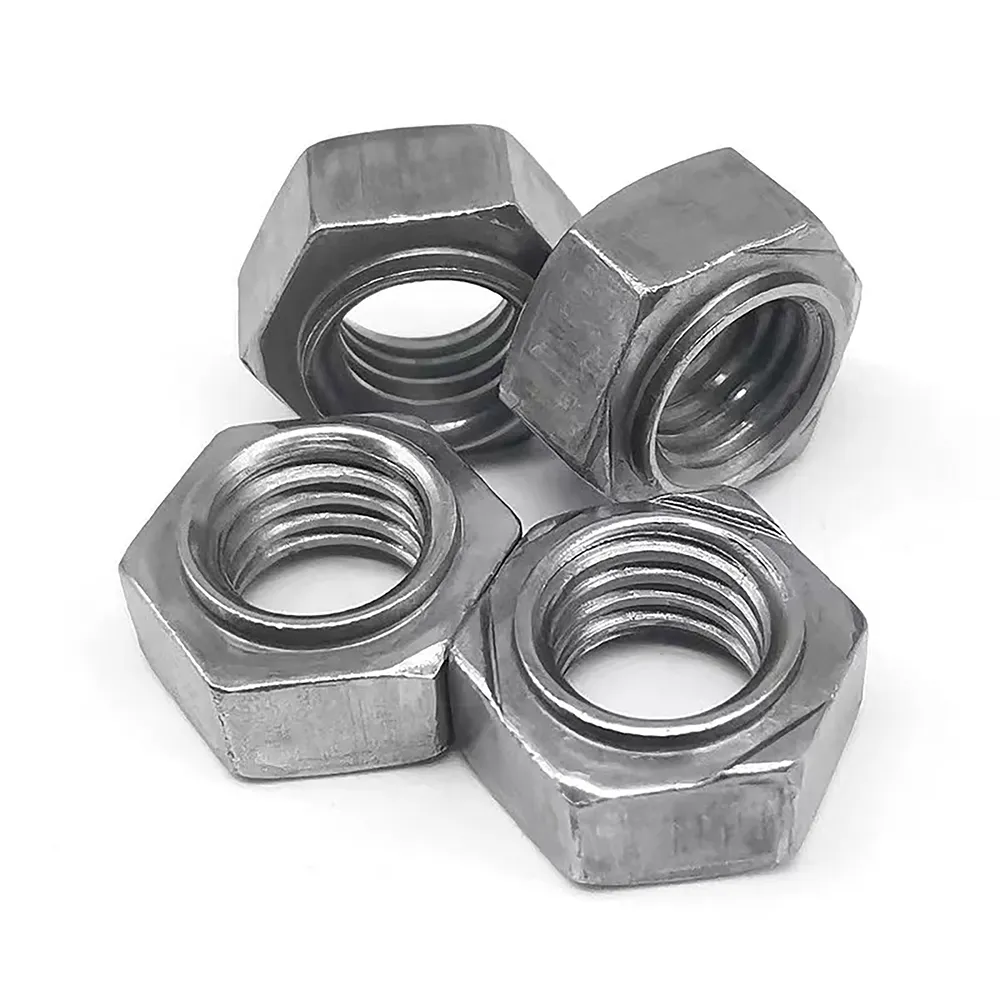
HVAC fabricator: moving from hex to square weld nut reduced spin-outs on thin panels; field calls dropped noticeably within a quarter, per the plant manager.
Compliance, testing, and real-world data
Typical lab set: M6–M8 torque-to-failure and proof load within ISO 898-2 windows; weld button diameter within AWS visual criteria; salt spray 480 h pass on Zn-Ni batch; PPAP available for automotive. Factory origin: Hanguang Industrial Park, Yongnian District, Handan City, Hebei Province. Also, the team can supply hex weld nuts if your print insists—no drama.
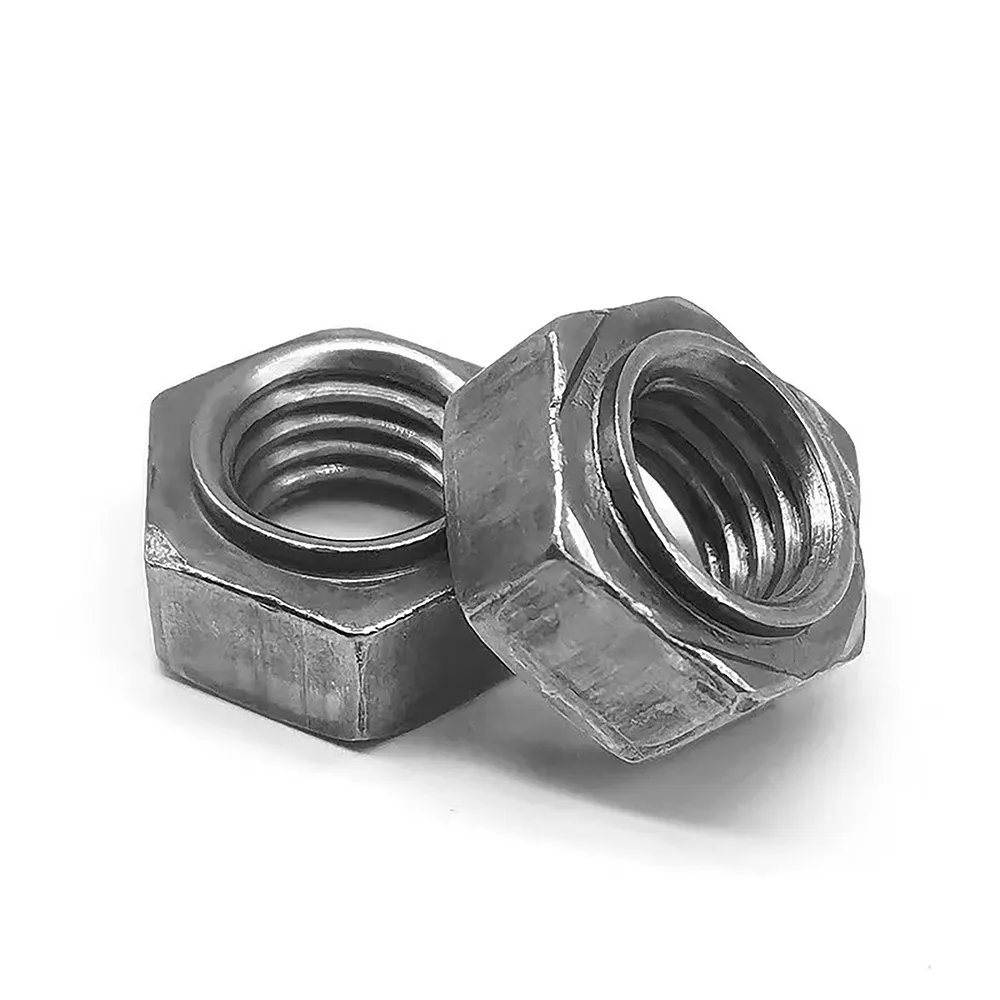
To be honest, the best advice is simple: test with your sheet, coating, and weld schedule. A small tweak to projection height can make a big, tangible difference on the floor.
Authoritative citations
- DIN 928 — Square weld nuts (Deutsches Institut für Normung).
- ISO 898-2 — Mechanical properties of nuts made of carbon steel and alloy steel.
- GB/T 3098.2 — Mechanical properties of fasteners, Nuts (China National Standards).
- AWS D1.1 — Structural Welding Code—Steel (American Welding Society).
- ISO 18278 — Resistance welding — Weldability tests for metallic materials.
- IATF 16949 — Automotive Quality Management System Requirements.
Who We Are: The Right Fastener Partner for Global SMEs
Handan Boen Fastener Manufacturing Co., Ltd. (Est. 2010) specializes in producing standardized industrial fasteners, including bolts, nuts, washers, and other essential components. We provide cost-effective for small and medium-sized buyers in industries such as automotive parts, agricultural machinery, and construction.