Comprehensive Guide to Hexagon Socket Screws: Applications, Benefits & Trends
Hexagon Socket Screw: Small Part, Big Impact
If you’ve ever taken apart a piece of machinery or fiddled with furniture, you’ve probably encountered a hexagon socket screw — sometimes called an Allen screw or bolt. While it might seem like a tiny, inconsequential piece of hardware, the hexagon socket screw plays a vital role across industries worldwide. Why does it matter? Because this humble fastener ensures reliability, safety, and efficiency in everything from medical devices to massive construction projects.
Understanding hexagon socket screws isn’t just for engineers or technicians. Its widespread use touches manufacturing economies globally, with subtle but powerful implications for innovation, sustainability, and logistics. So buckle up for a hands-on dive that might just change the way you look at the screws in your life.
Why Hexagon Socket Screws Matter Globally
At first glance, one might wonder — how much can a screw shape affect the global economy or industry? Turns out, quite a bit. According to the International Organization for Standardization (ISO), hexagon socket screws are standard components in over 70% of precision equipment worldwide. Industries from aerospace and automotive to consumer electronics rely heavily on this design for its balance of strength, ease of use, and durability.
Globally, fasteners represent an estimated $80 billion market, growing steadily as industrialization extends to emerging economies (source: Market Research Future, 2023). Within this vast sector, hexagon socket screws offer a solution to a practical challenge: how do you create a fastening system that allows for strong torque transmission while minimizing tool slip and damage — especially in tight or delicate spaces? Spoiler: the internal hex drives do just that.
Yet, the challenge remains. How do manufacturers adapt these screws to evolving demands for lightweight materials or faster assembly lines? That’s part of what keeps innovation in this sector humming.
What Exactly Is a Hexagon Socket Screw?
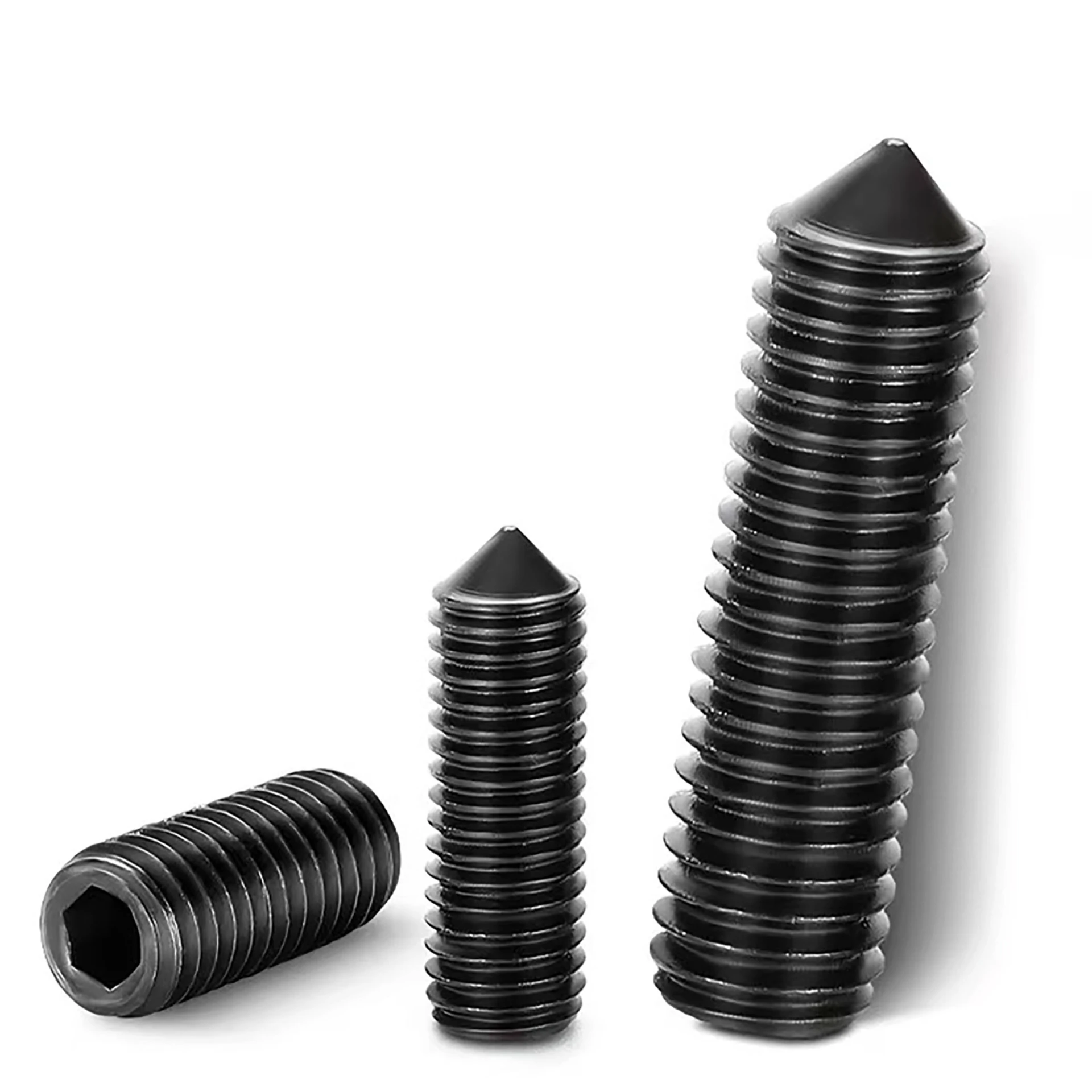
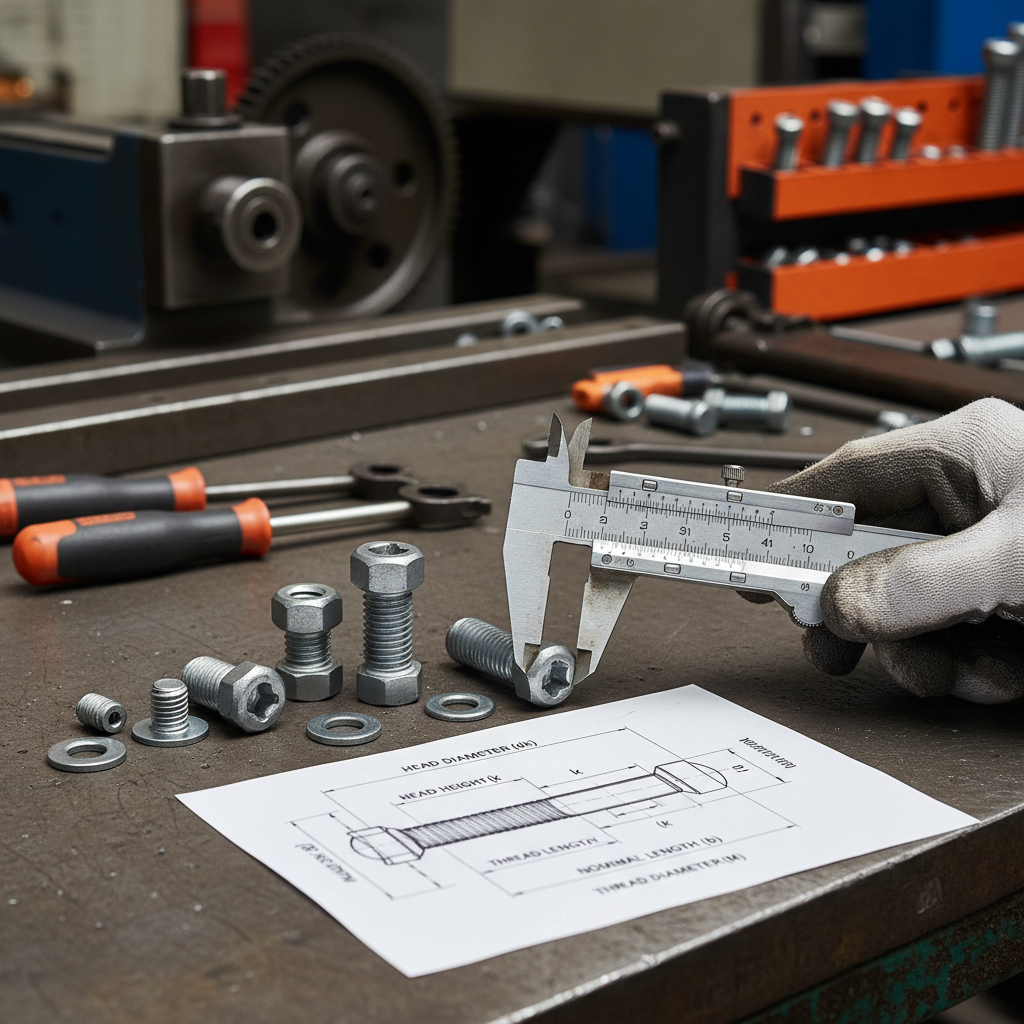
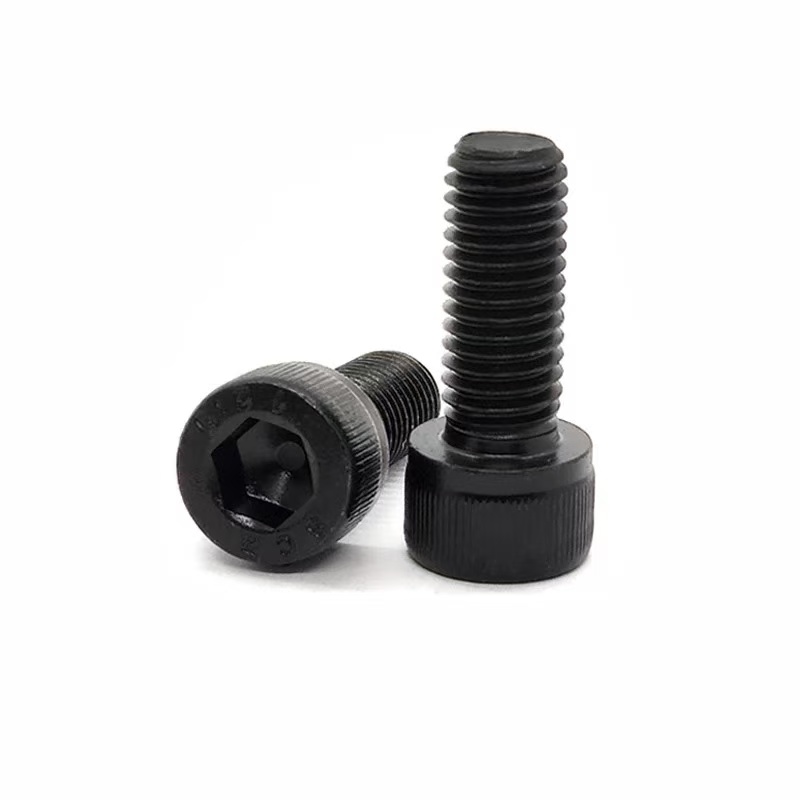
Simply put, a hexagon socket screw is a type of fastener with a cylindrical head and a recessed hexagonal (6-sided) drive hole, designed to be driven by a corresponding hex (Allen) key or wrench. The design dates back to the early 20th century but became widely popular post-WWII for its improved torque capacity and reduced cam-out (slippage) compared to traditional slotted screws.
The internal hex design means the screw sits flush or below surface level, preserving aesthetics or aerodynamics — essential in things like bicycles, electronics, and even aircraft. From an industrial standpoint, the hex socket allows precision assembly and disassembly, which is crucial for maintenance-heavy fields like medical devices or automotive repair.
In a humanitarian context, fasteners that resist stripping and can be replaced easily — often in challenging environments — support the longevity and safety of aid equipment. Think modular shelters bolted together with hex socket screws in disaster zones: these fasteners help communities rebuild quickly, reliably, and sustainably.
Mini takeaway:
- The hexagon socket screw is more than a piece of metal; it’s a design that balances strength with precision.
- Its utility spans industries and humanitarian efforts alike.
Key Factors That Make Hexagon Socket Screws Go-to Fasteners
1. Durability and Strength
One of the core strengths of hexagon socket screws is their ability to withstand high torque without damage. Fundamentally crafted from carbon steel, stainless steel, or alloy steel, these screws offer reliable mechanical properties varying from mild load-bearing to high-stress industrial use. Their design minimizes wear on both the fastener and the drive tool, extending overall lifespan.
2. Precision and Scalability
The recessed hex drive allows precise application of torque, reducing errors during assembly. This precision is vital across scalable manufacturing lines, where speed and reliability must balance perfectly. Also, the uniform interaction between the hex key and screw reduces the risk of tool slipping, which otherwise could lead to damaged components or injuries.
3. Cost Efficiency
Although hex socket screws may cost slightly more than simple slotted or Phillips screws, their long-term benefits in maintenance savings and durability offset initial investment. Additionally, bulk manufacturing and standardized sizes have kept prices competitive. For manufacturers and buyers eyeing the bottom line, that’s a big plus.
4. Versatility in Materials and Sizes
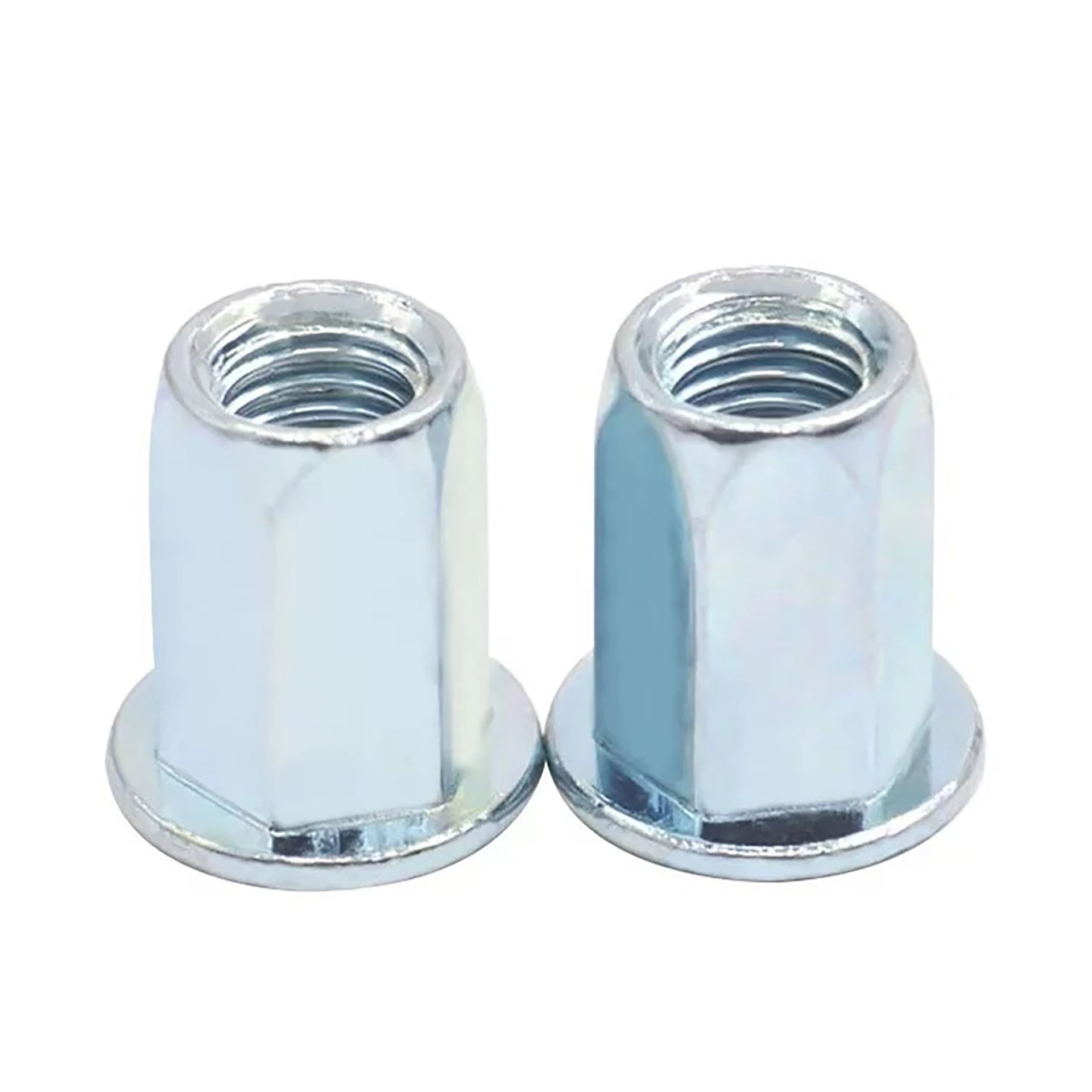
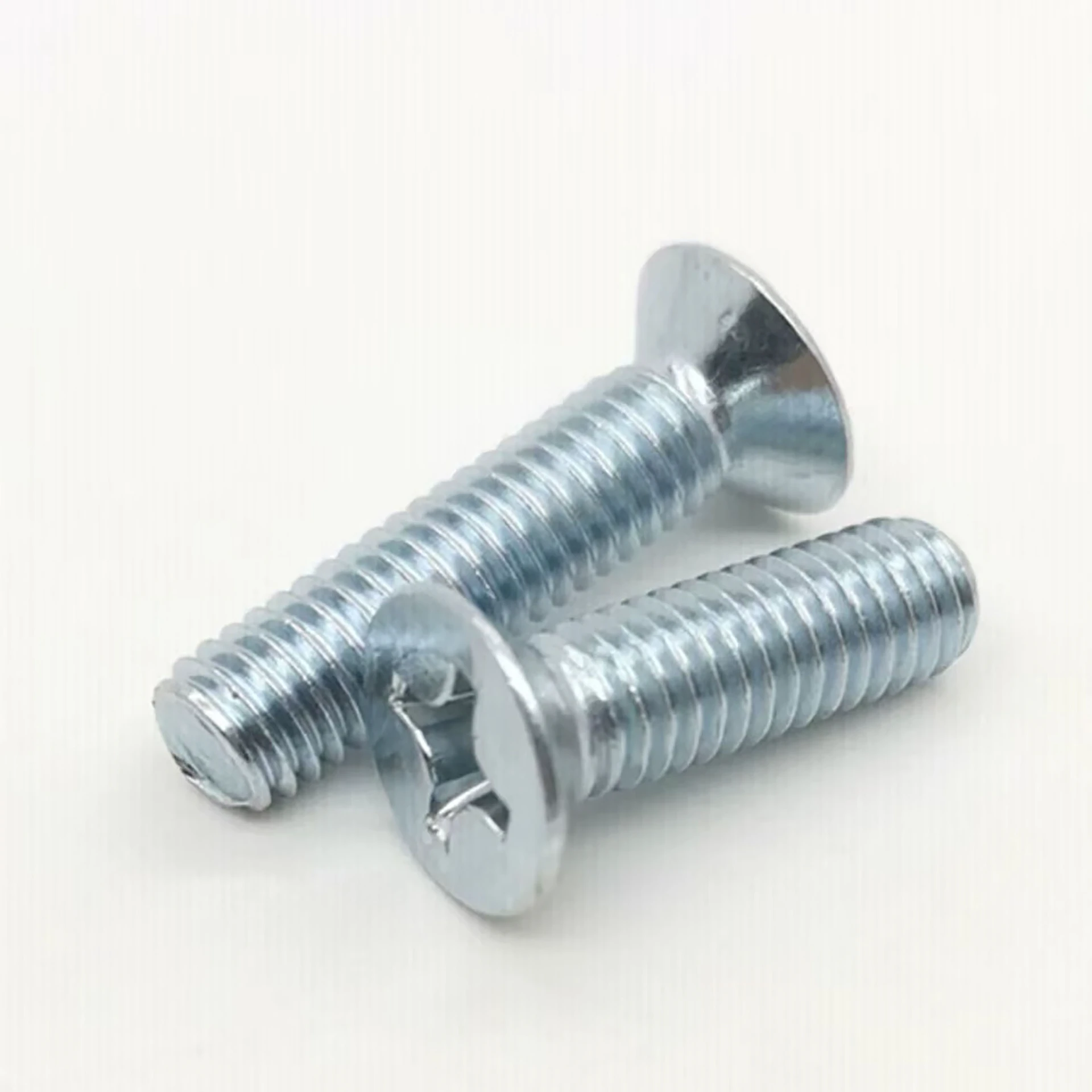
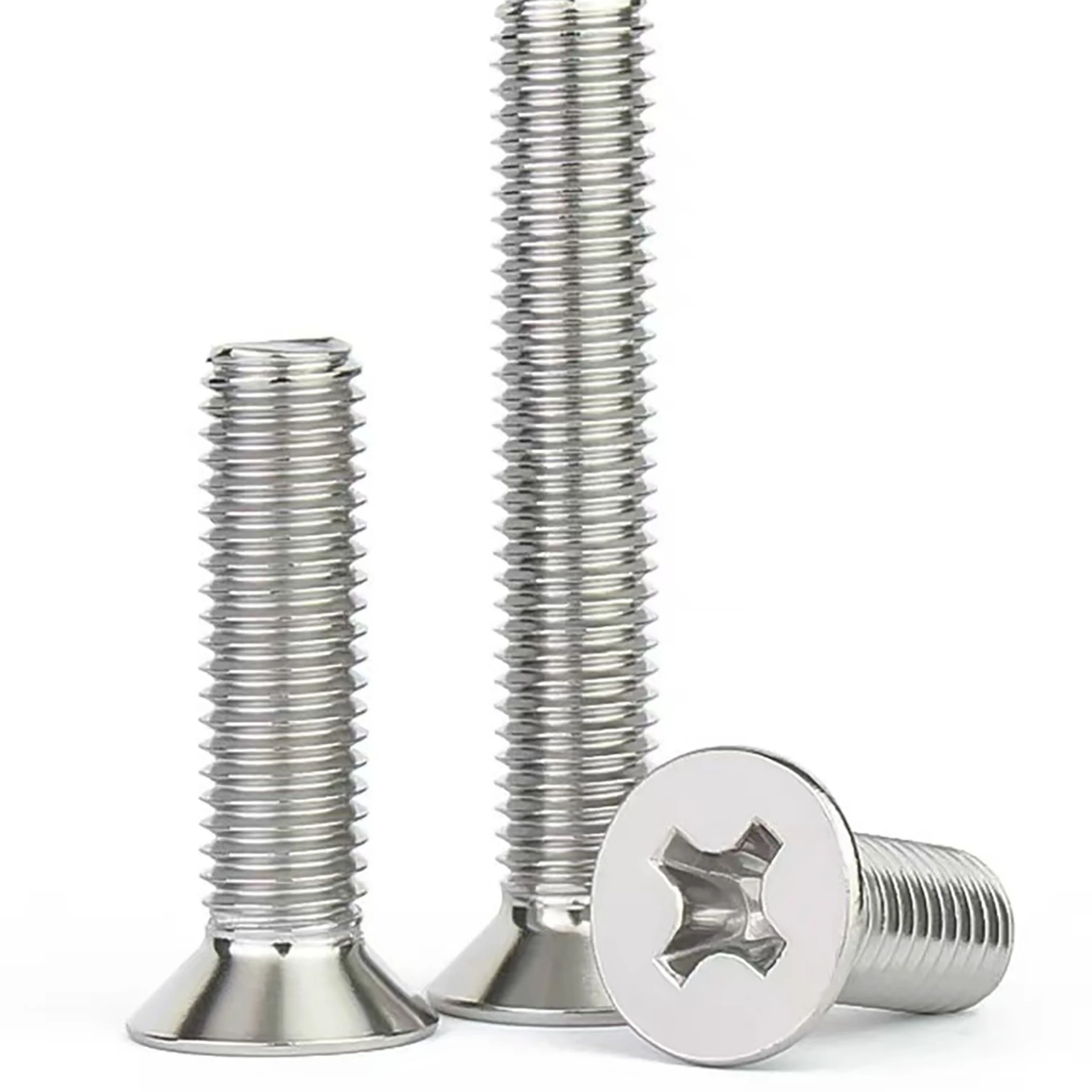
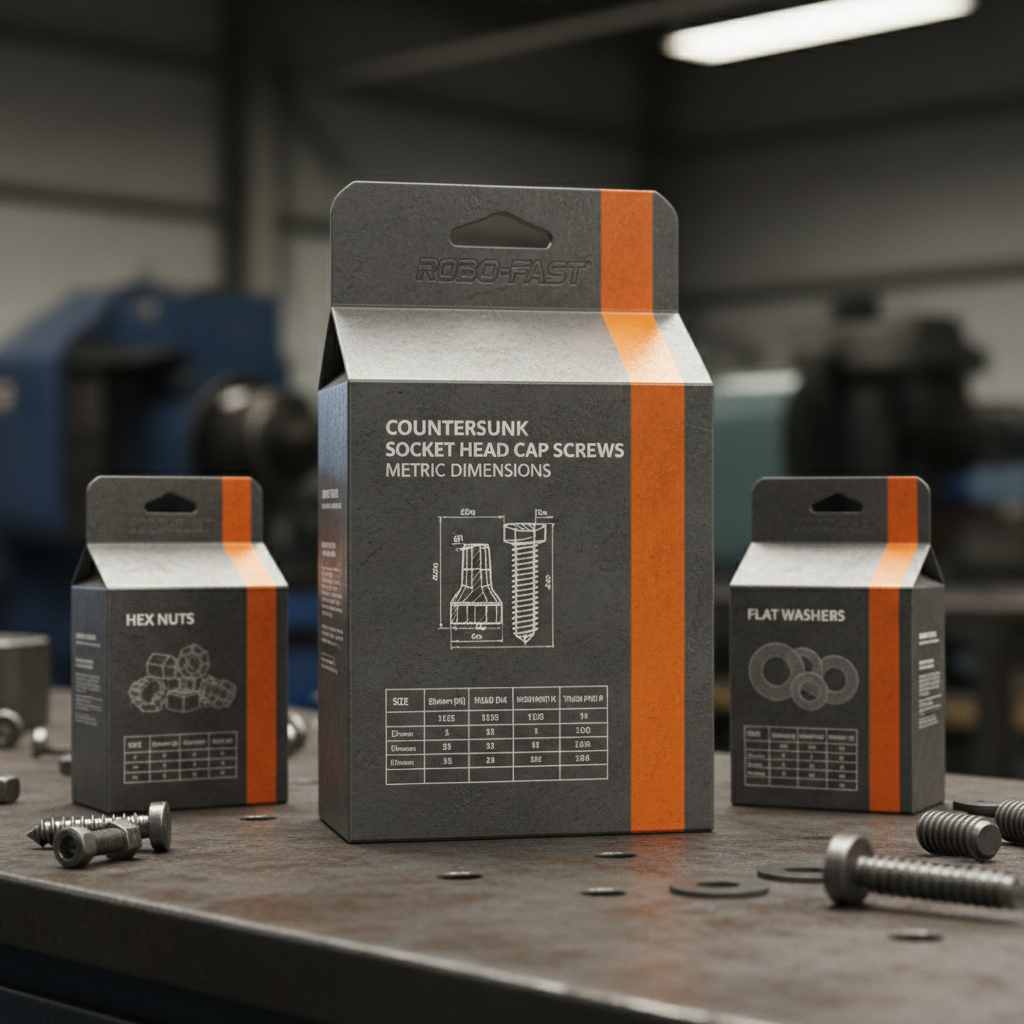
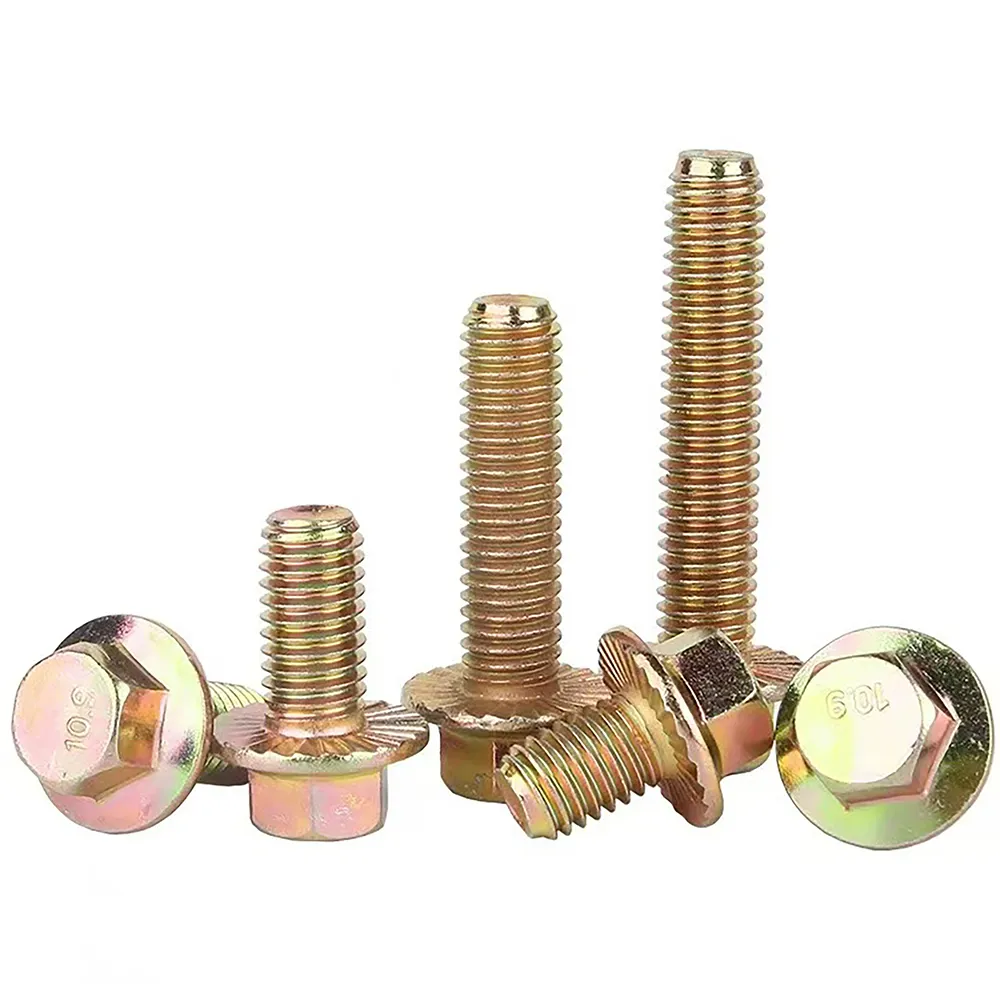
Hex socket screws come in countless sizes, head styles (flat, button, countersunk), and materials. Whether you need corrosion-resistant stainless steel for offshore applications or lightweight titanium for aerospace, there’s a variant to meet your specifications. This versatility empowers engineers and designers to tailor solutions to their project's exact needs.
5. Safety and Aesthetics
The design enables a flush finish, reducing snag hazards in machinery or wearables. From a safety mindset, recessed-drive screws help avoid injuries caused by protruding screwdriver heads or stripped fasteners. In consumer goods, the clean, minimalist look appeals to designers and end-users alike.
Mini takeaway:
- Durability and precision go hand-in-hand to support reliable assembly lines.
- Customization options broaden their applicability across industries.
Where Are Hexagon Socket Screws Found in the Real World?
The global footprint of hexagon socket screws is expansive:
- Automotive manufacturing: Securing engine parts, body panels, and interior components requiring strong torque without surface damage.
- Aerospace: Aircraft assembly demands fasteners that maintain tight tolerances under vibration and temperature variations.
- Consumer electronics: Compact devices rely on small hex socket screws to pack components tightly.
- Medical devices: Surgical tools and electronic implants require precision fasteners that resist corrosion.
- Construction and humanitarian aid: Modular shelter kits deployed rapidly in disaster zones often use hex socket screws for durable yet lightweight connections.
For example, during relief operations after major earthquakes, engineers value equipment bolted with hexagon socket screws because they can quickly tighten or replace components on-site without stripping — crucial when time and tools are limited.
Product Specification Table
| Specification | Value | Notes |
|---|---|---|
| Material | Stainless Steel (304, 316), Alloy Steel, Titanium | Corrosion-resistance grades available |
| Head Types | Flat, Button, Countersunk, Flanged | Varies by application requirements |
| Drive Size | M2 to M20 (metric sizes) | Common sizes for electronics up to machinery |
| Tensile Strength | Class 8.8 to 12.9 (ISO) | High strength for demanding applications |
| Surface Finish | Zinc-plated, Black oxide, Passivated | Enhances corrosion resistance and appearance |
A Quick Comparison of Top Hexagon Socket Screw Vendors
| Vendor | Material Range | Price Range | Lead Time | Customization Options |
|---|---|---|---|---|
| HexaFast | Stainless, Alloy Steel | $$ | 2-4 weeks | Custom head styles, finishes |
| ScrewMakers Inc. | Titanium, Alloy Steel | $$$ | 4-6 weeks | Low volume, precision machining |
| GlobalFasteners | Wide range including plastics | $ | 1-2 weeks | Bulk orders, standard sizes |
Advantages and Long-Term Value of Hexagon Socket Screws
Looking beyond the specs and vendors, what makes these screws worth your attention? Their long-term value lies in a few key areas:
- Cost savings over a lifetime: Because they resist stripping and minimize repair time, maintenance crews save countless hours — and companies save on downtime.
- Sustainability: Many modern hex socket screws use recyclable materials or eco-friendly coatings, supporting circular manufacturing practices.
- Safety: Reduced risk of tool slips and exposed fastener heads means fewer workplace injuries and product failures.
- Trust and innovation: For designers and engineers, the reliable performance builds trust in product quality — and with that, consumer confidence.
Oddly enough, how we fasten parts together is often overlooked until something breaks or fails. In real terms, switching to quality hex socket screws can feel like a small change but with outsized impact.
What’s Next? Future Trends in Hexagon Socket Screws
Several trends are shaping the future for these fasteners:
- Advanced Materials: The push for lighter, stronger materials means more use of titanium alloys and hybrid composites.
- Smart Fasteners: Embedded sensors that monitor torque and wear — part of the Industry 4.0 revolution.
- Green Manufacturing: Reduced carbon footprint production techniques and biodegradable coatings.
- Automation-friendly Designs: Dimension tweaks to better suit robotic assembly lines, speeding up manufacturing cycles.
So, the hex socket screw isn’t just “old school” hardware anymore. It’s evolving to stay relevant in a tech-driven world.
Challenges in Using Hexagon Socket Screws and How to Solve Them
While they’re great, these screws are not without issues. Some common challenges include:
- Tool Compatibility: Not all hex keys are created equal — poor fit can cause cam-out or damage.
- Cost for Specialized Variants: Advanced materials and finishes sometimes raise costs beyond budgets.
- Availability: Custom head sizes or exotic materials might require longer lead times, impacting project schedules.
Experts suggest standardizing parts where possible, investing in quality tool sets, and working closely with trusted suppliers to mitigate these issues — ensuring smooth production and maintenance cycles.
FAQ: Frequently Asked Questions About Hexagon Socket Screws
Q1: How do hexagon socket screws differ from regular screws?
A: Unlike traditional flathead or Phillips screws, hexagon socket screws feature a hex-shaped recess designed for an Allen key. This enables greater torque without slipping and usually results in a flush finish, making them ideal for precision and safety-critical applications.
Q2: Can hexagon socket screws be reused multiple times?
A: Generally, yes. Their internal hex design minimizes damage during removal and reinsertion, making them suitable for multiple use cycles — especially if the correct tools and torque settings are applied.
Q3: Are hexagon socket screws suitable for outdoor use?
A: Absolutely. When made with corrosion-resistant materials like stainless steel grade 316 or coated with passivation layers, these screws perform well in harsh environments, including marine or construction sites.
Q4: How can I source custom-sized hexagon socket screws?
A: Many fastener vendors offer customization services for head shapes, materials, and lengths. It’s best to engage directly with manufacturers or distributors who understand your specifications to ensure quality and timely delivery.
Wrapping It Up — Why Hexagon Socket Screws Remain Essential
To sum it up, the hexagon socket screw is a tiny hero behind many modern machines and structures. Its smart design, durability, and adaptability make it a foundational piece in industries ranging from aerospace to humanitarian relief. For engineers and decision-makers, embracing these fasteners means investing in reliability, efficiency, and safety.
Curious to learn more or ready to source your own? Visit our website: hexagon socket screw — we’d be happy to help you find the perfect fit for your project.
Mini takeaway:
- Small components like hexagon socket screws drive big outcomes in global industry.
- Keeping an eye on material innovation and smart tech is key going forward.
References
- ISO Fastener Standards - iso.org
- Fastener Market Research Future, 2023 - marketresearchfuture.com
- Humanitarian Logistics and Modular Shelters - United Nations Office for the Coordination of Humanitarian Affairs - unocha.org
Who We Are: The Right Fastener Partner for Global SMEs
Handan Boen Fastener Manufacturing Co., Ltd. (Est. 2010) specializes in producing standardized industrial fasteners, including bolts, nuts, washers, and other essential components. We provide cost-effective for small and medium-sized buyers in industries such as automotive parts, agricultural machinery, and construction.