Socket Head Cap Screw Fine Thread: Global Perspectives and Industry Insights
Understanding Socket Head Cap Screw Fine Thread: Why It Matters Globally
Socket head cap screws with fine threads might sound like an obscure niche in the vast world of fasteners, but honestly, they're foundational in countless industries worldwide. These specialized screws offer superior strength and precision, which leads to applications spanning aerospace, automotive, medical devices, and more. The global supply chain depends on reliable, high-precision fasteners to ensure safety, quality, and efficiency.
Worldwide, the demand for fine-thread socket head cap screws is growing, partly because industries are moving towards lighter, stronger, and more compact designs. According to ISO standards, fine threads provide better tensile strength and fatigue resistance compared to coarse threads. This makes socket head cap screw fine thread variants essential in precision engineering and high-stress environments.
Mini takeaway: In the grand scheme, these screws are tiny but mighty players, quietly reinforcing everything from satellites orbiting Earth to medical implants saving lives.
1. Introduction: The Global Importance of Socket Head Cap Screw Fine Thread
In industries driven by precision and durability—think aerospace, robotics, and infrastructure—the type of fastener can be a deciding factor in product success or failure. Socket head cap screws with fine threads are globally standardized, which means manufacturers from Asia to Europe rely on these components to meet stringent quality and safety benchmarks.
Data from the International Organization for Standardization (ISO) reveals that fine-thread fasteners reduce vibration loosening by up to 20% compared to coarse thread counterparts, a critical factor in machinery that operates at high RPMs or under constant stress.
Despite this, a common issue persists: a lot of engineers and buyers are unaware of the specific benefits of choosing fine threads in socket head cap screws. This can lead to mismatches, premature failures, or suboptimal designs. Understanding their role can save not just money but lives.
2. Defining Socket Head Cap Screw Fine Thread
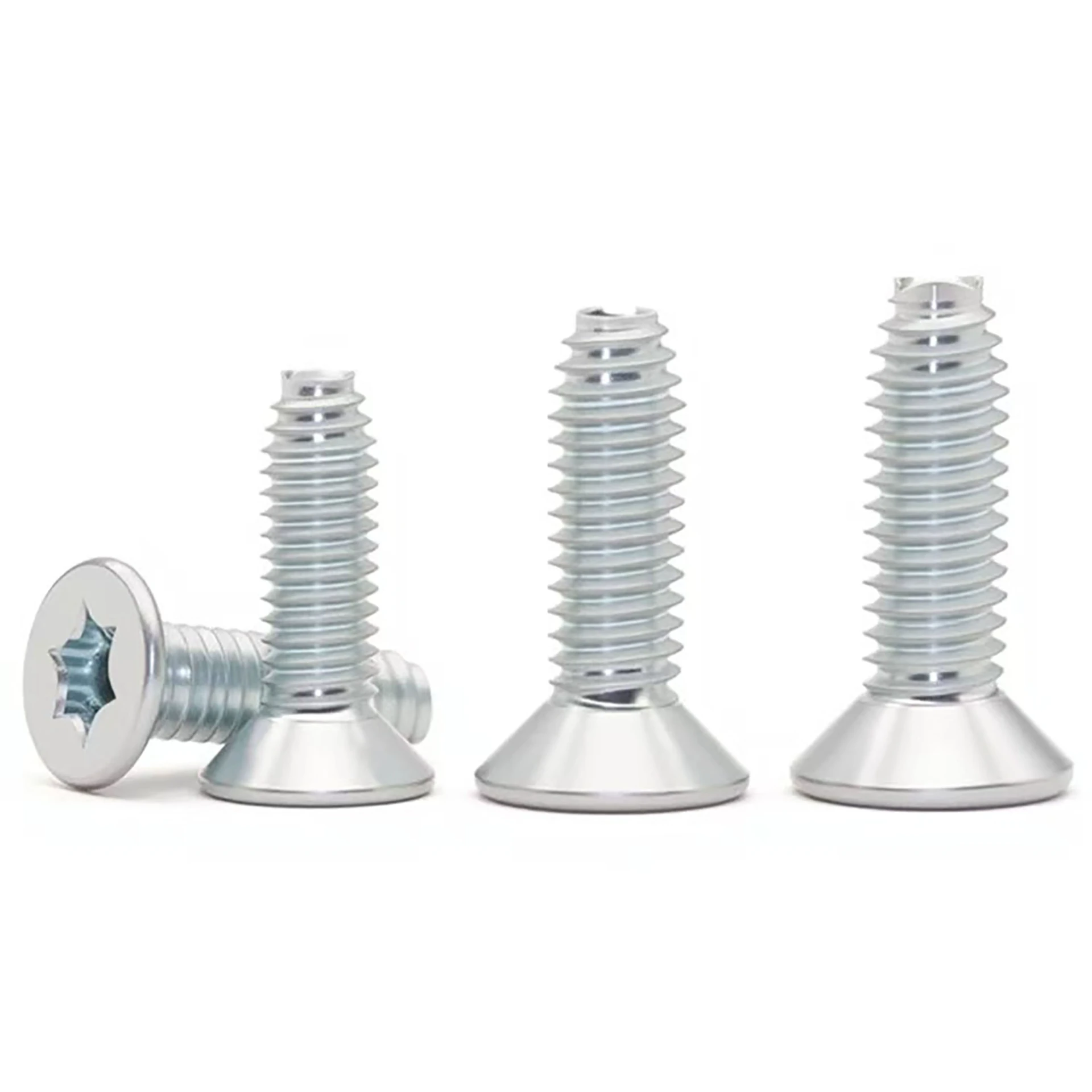
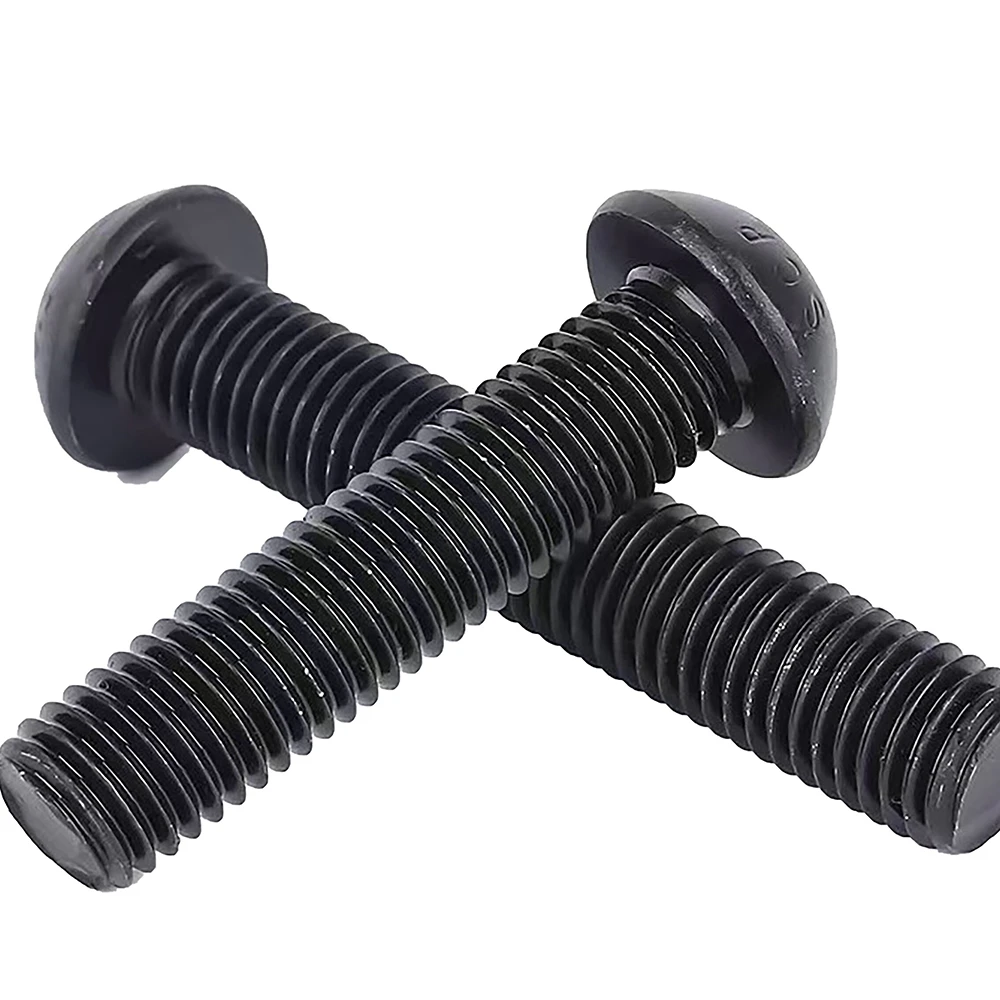
So what are socket head cap screws with fine threads? In simple terms: these are cylindrical screws with a hexagonal recess (the “socket”) head, designed for driving with an Allen wrench. The “fine thread” refers to threads with a smaller pitch — that is, threads are spaced closer together than standard coarse threads.
This design improves load distribution along the shaft, reduces stripping risk, and allows for finer torque control during installation. In the real world, this means joints stay tighter longer and can handle higher stresses — crucial in modern tech, heavy machinery, or safety equipment.
3. Key Aspects of Socket Head Cap Screw Fine Thread
- Durability: Fine threads improve fatigue resistance, essential in vibrating or cyclic load environments.
- Precision: Closer thread spacing ensures better adjustment accuracy, important in micromechanical assemblies.
- Material Compatibility: These screws come in diverse materials from stainless steel to titanium, tailoring to corrosive or high-temperature applications.
- Cost Efficiency: Despite higher manufacturing precision, advances in CNC machining have reduced costs, enabling widespread use.
- Scalability: Found in tiny electronics and massive industrial machines alike, showing remarkable versatility.
Mini takeaway: Fine thread socket head cap screws are not one-size-fits-all but highly adaptable precision tools tuned for specific challenges.
4. Real-World Global Applications and Use Cases
Oddly enough, the tiny socket head cap screw fine thread is everywhere. Aerospace companies in Europe depend heavily on them for assembling aircraft components that face extreme stresses. In Japan, robotics manufacturers use them for intricate joints requiring exact torque settings. Meanwhile, in the energy sector, wind turbine producers in the US prefer fine thread screws to resist loosening due to constant vibration.
In humanitarian contexts, robust yet finely engineered fasteners enable emergency shelter kits to be quickly assembled and remain stable under harsh conditions. They also find roles in medical devices where implant durability is critical—where failure simply isn’t an option.
| Specification | Detail |
|---|---|
| Material | Alloy Steel, Stainless Steel, Titanium |
| Thread Type | Fine Thread per ISO 4762 |
| Head Cap Diameter | Varies: M3 to M20 (and beyond) |
| Torque Range | 2Nm – 150Nm depending on size |
| Surface Finish | Black oxide, Zinc plating, Passivation |
5. Comparing Leading Vendors of Socket Head Cap Screw Fine Thread
| Feature | FastenBoen | SecureFast | PrecisionHoney |
|---|---|---|---|
| Material Options | Extensive (Steel, Stainless, Ti) | Limited (Mostly Steel) | High-end Alloys |
| Customization | Available for small batches | Bulk only | Mid-range customization |
| Lead Time | 2-3 weeks | 4-6 weeks | 3-4 weeks |
| Global Shipping | Yes | Limited regions | Yes |
6. Advantages and Long-Term Benefits
Socket head cap screw fine thread fasteners aren’t just technical components—they carry emotional weight for engineers and manufacturers. They signify reliability, safety, and precision. Imagine the peace of mind knowing a spacecraft’s critical parts are secured with fasteners that won’t loosen in orbit. Or the quiet trust in surgical tools assembled using these screws.
From a practical standpoint? They reduce maintenance costs and downtime by resisting loosening and corrosion, which is huge in industries where every minute counts. Plus, many of these screws are designed for sustainability: using recyclable materials and applying environmentally friendly finishes.
7. Emerging Trends in Socket Head Cap Screw Fine Thread
The field is evolving fast. Advanced materials like carbon fiber composites combined with metal inserts, or even smart screws embedded with sensors, are coming into play. Automation in assembly lines has pushed for fasteners that are easier to install robotically—something fine threads help with by offering consistent torque profiles.
Sustainability is also a big focus. Manufacturers are developing coatings that resist corrosion without toxic metals and adopting manufacturing processes aligned with ISO 14001 environmental management standards.
8. Challenges and Innovative Solutions
Of course, it’s not all effortless. Fine threads can be more susceptible to cross-threading and require more careful installation. Plus, manufacturers have to balance cost against material quality—a common hurdle in high-volume production.
Experts often suggest using torque limiters and thread lubricants to reduce installation issues. Meanwhile, additive manufacturing (3D printing) offers opportunities for customized, integrated fasteners, reducing assembly steps and failure points.
9. FAQ: Socket Head Cap Screw Fine Thread
- Q: What distinguishes a fine thread from a coarse thread socket head cap screw?
A: Fine threads have closer thread spacing, enabling better load distribution and higher tensile strength. This reduces loosening and improves fatigue resistance under stress. - Q: Can fine thread socket head cap screws be used in corrosive environments?
A: Yes, especially when made from stainless steel or titanium and treated with corrosion-resistant coatings. These screws are common in marine and chemical processing industries. - Q: Are socket head cap screws with fine threads more expensive?
A: Generally, yes, due to higher manufacturing precision and material costs, but the investment often pays off through reduced maintenance and longer service life. - Q: How can I ensure proper installation of fine thread socket head cap screws?
A: Use the recommended torque values and tools. Applying thread lubricants and torque-limiting devices can prevent damage and ensure consistent clamping force. - Q: Where can I purchase reliable socket head cap screw fine thread fasteners?
A: Reputable vendors include brands like FastenBoen, SecureFast, and PrecisionHoney. Selecting a vendor depends on material needs, customization, and delivery timeframe.
Conclusion: The Lasting Impact of Socket Head Cap Screw Fine Thread
In the end, why should socket head cap screw fine thread fasteners matter to you or your business? Because these little components underpin the safety, durability, and precision of countless technologies that shape our world—from everyday gadgets to space exploration hardware.
Understanding their benefits and applications helps you make smarter design choices, achieve higher product quality, and avoid costly failures. If you want to explore high-quality socket head cap screw fine threads and see how they can fit into your projects, do check out FastenBoen. You might be surprised how these small parts hold such a big role.
Oddly enough, it feels like the less glamorous parts of engineering often have the biggest stories...
References
Who We Are: The Right Fastener Partner for Global SMEs
Handan Boen Fastener Manufacturing Co., Ltd. (Est. 2010) specializes in producing standardized industrial fasteners, including bolts, nuts, washers, and other essential components. We provide cost-effective for small and medium-sized buyers in industries such as automotive parts, agricultural machinery, and construction.