Comprehensive Guide to Socket Head Cap Screw Aluminum: Applications & Benefits
Understanding Socket Head Cap Screw Aluminum: The Unsung Hero in Modern Fastening
At first glance, a socket head cap screw aluminum fastener might seem like a humble piece of hardware, but its significance in global industry and manufacturing is quietly huge. These specialized screws, crafted from aluminum, imply a lightweight yet strong connection that addresses multiple challenges faced by engineers and designers worldwide. Understanding them means grasping how modern assemblies become more efficient, durable, and environmentally conscious — no small feat in today’s high-stakes industries.
Introduction: The Global Context of Socket Head Cap Screw Aluminum
Industries from aerospace to electronics increasingly prioritize lightweight, corrosion-resistant components due to global trends pushing for energy efficiency and sustainability. According to ISO standards, aluminum alloys now make up a significant portion of fastening solutions thanks to their excellent strength-to-weight ratio. Meanwhile, with international supply chains stressing durability and ease of assembly, the socket head cap screw aluminum emerges as a go-to component. But, oddly enough, sourcing a perfect balance between strength, cost, and corrosion resistance remains a challenge for many manufacturers worldwide.
In real terms — especially in sectors like automotive and renewable energy infrastructure — the push towards aluminum fasteners helps reduce overall vehicle weight, thus lowering carbon emissions. It's one of those nuanced shifts that might not grab headlines but quietly moves the needle on global sustainability targets.
What Exactly Is a Socket Head Cap Screw Aluminum?
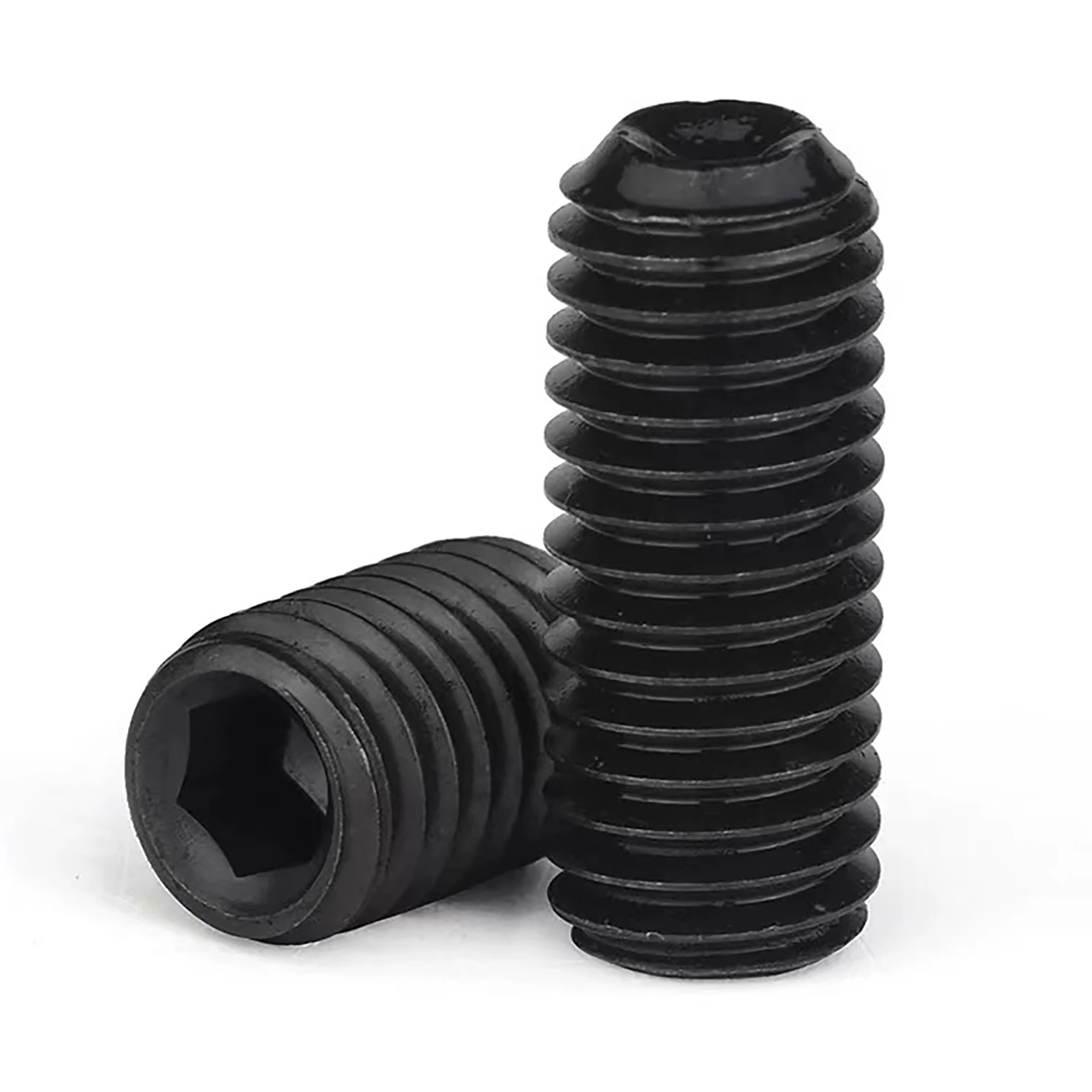
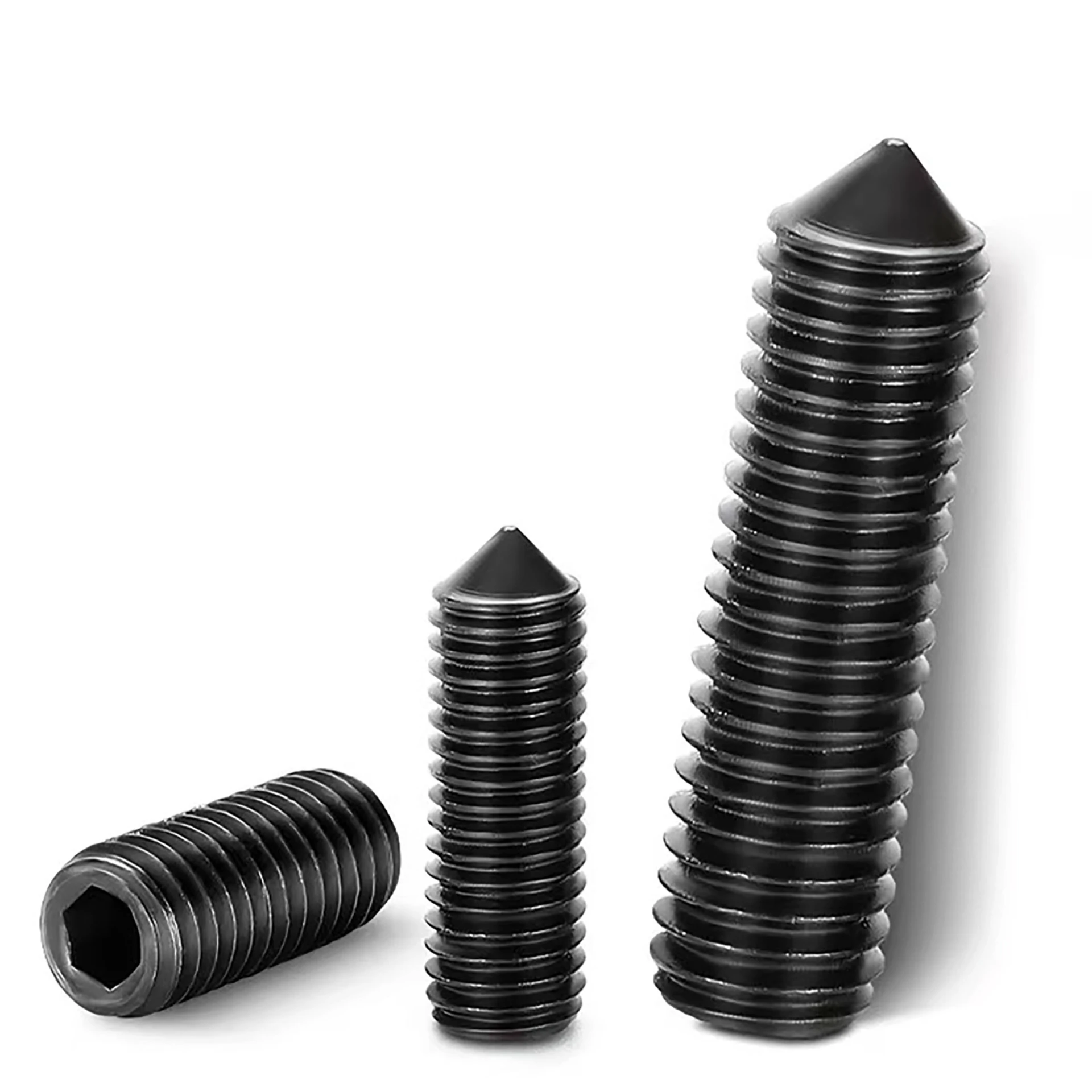
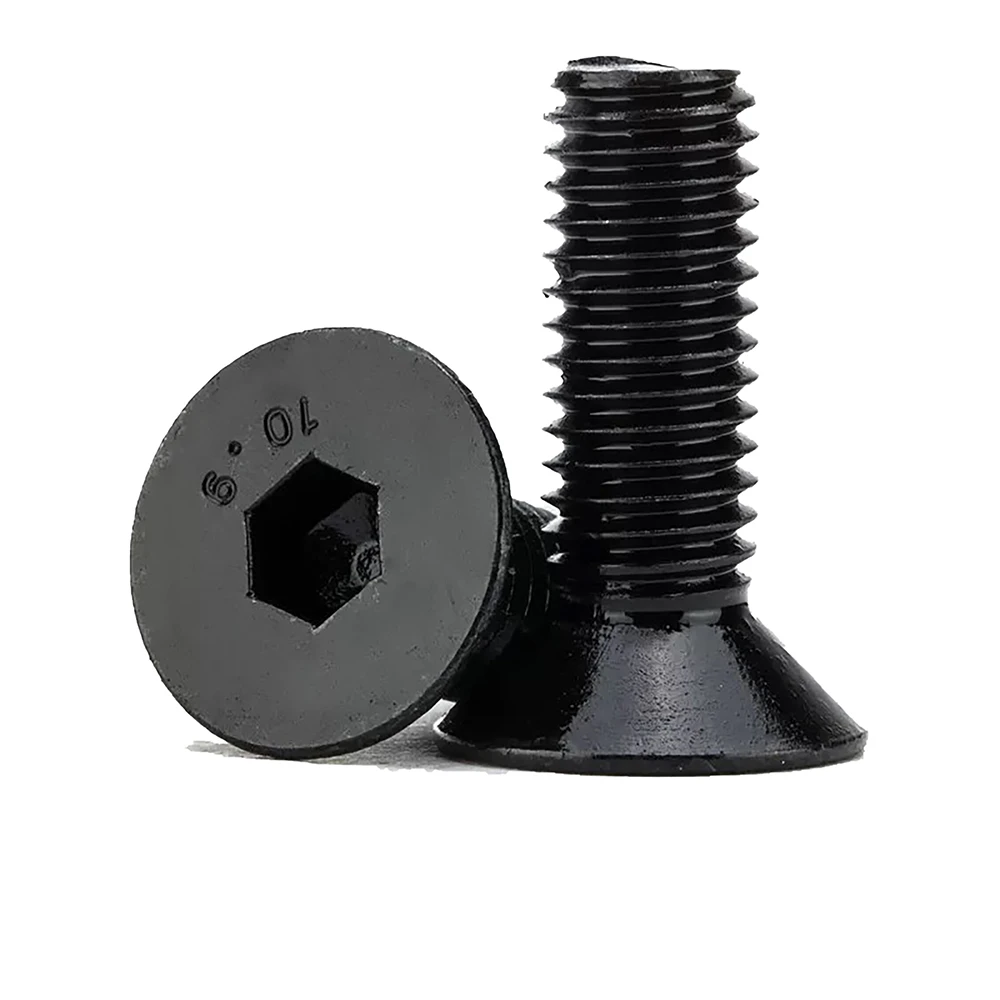
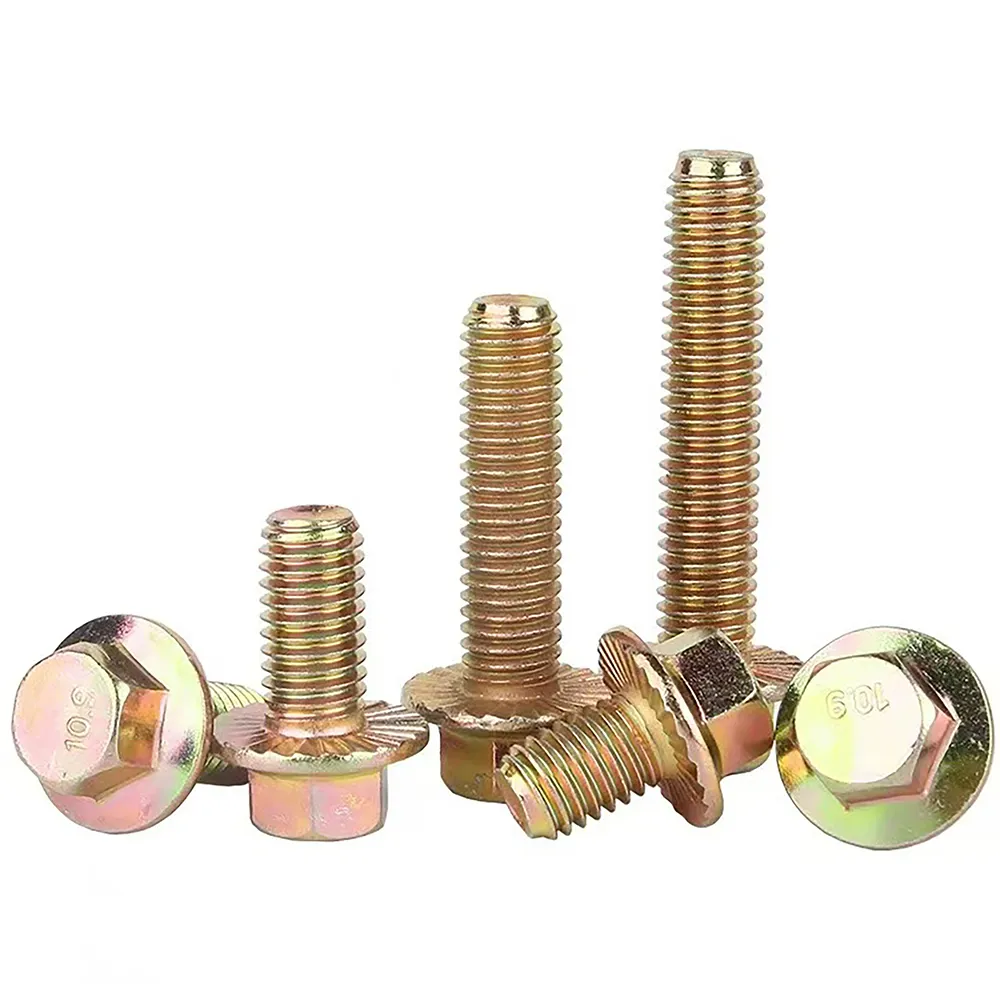
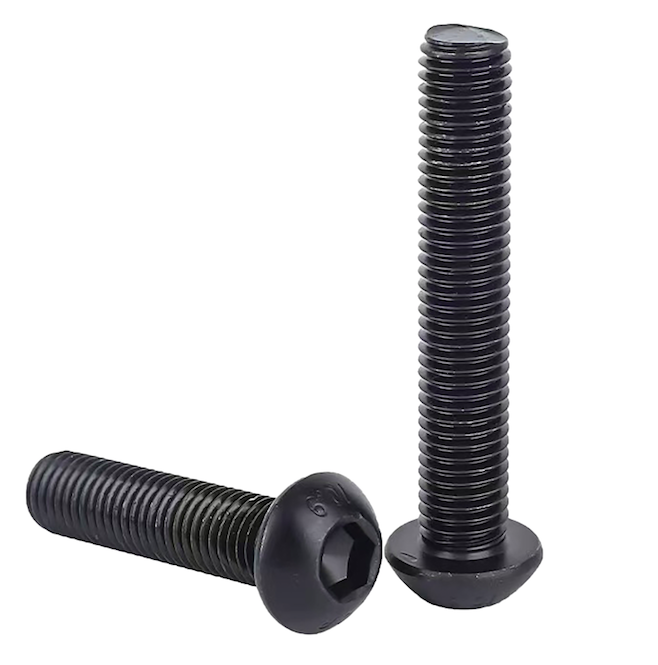
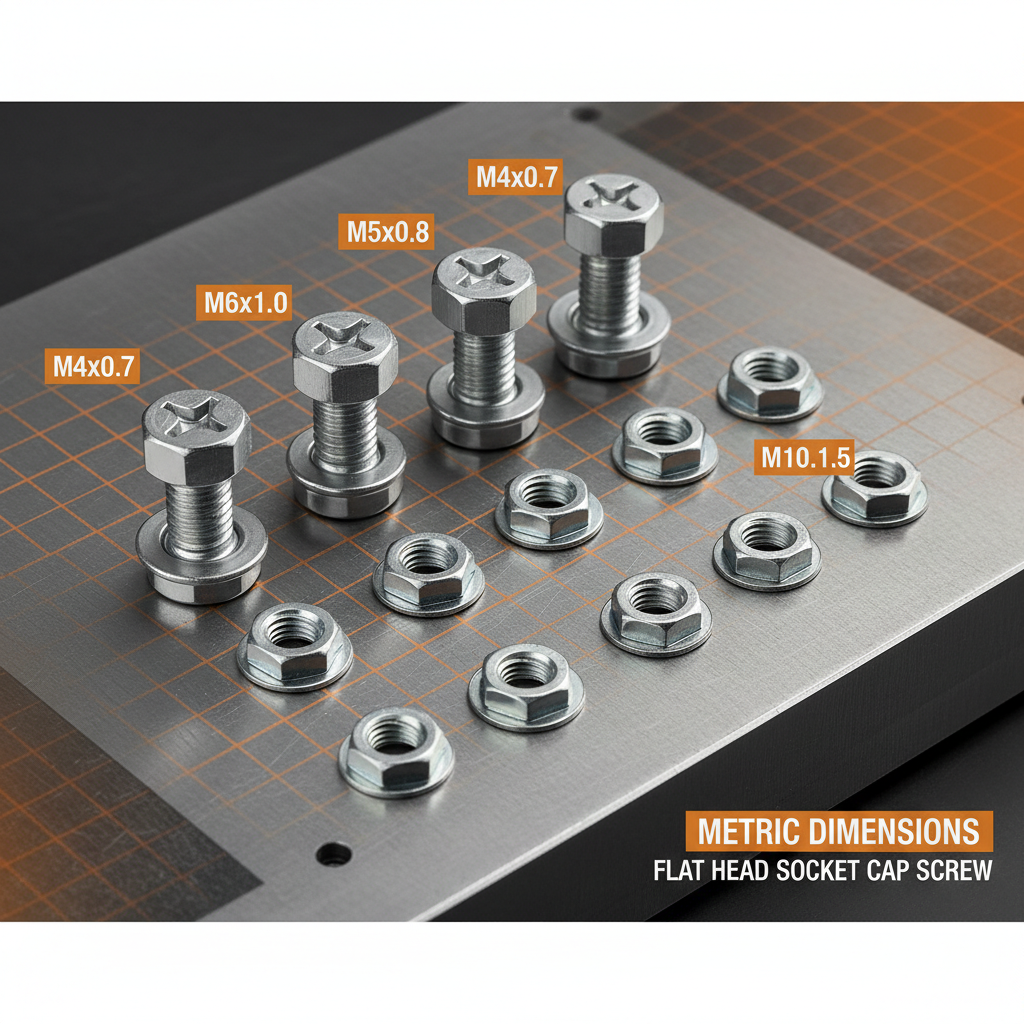
Simply put, a socket head cap screw made of aluminum is a fastener with a cylindrical head featuring a recessed hexagonal drive, allowing tightening with an Allen wrench or hex key. The choice of aluminum as the material means the screw is light, quite corrosion-resistant, and non-magnetic—important for some electrical and aerospace applications.
These screws stand at the intersection of precision engineering and material science, serving modern manufacturing needs where weight, durability, and ease of maintenance are key. Their role extends beyond just holding assemblies together; they also contribute to longevity and performance in demanding environments.
Core Components and Key Factors
1. Durability
While stainless steel screws often steal the spotlight on corrosion resistance, aluminum alloy cap screws resist oxidation better than many expect. The anodizing process further boosts their surface toughness—ideal for outdoor or marine environments.
2. Lightweight Design
Aluminum's low density reduces component weight dramatically — which, frankly, is a game-changer in aerospace or automotive engineering, where shaving off grams adds up to efficiency gains.
3. Cost Efficiency
Compared to titanium or specialty steels, aluminum screws offer a more economical solution when balancing performance with budget. They require less energy to produce and recycle.
4. Ease of Installation
The socket head design makes these screws compatible with power tools and reduces cam-out risks, making assembly faster, especially in automated environments.
5. Electrical Conductivity
Aluminum screws maintain reasonable conductivity, which can be a boon in electrical applications where grounding or EMI shielding is needed.
Product Specification Table (Typical Socket Head Cap Screw Aluminum)
| Specification | Value |
|---|---|
| Material | Aluminum Alloy 7075-T6 |
| Diameter Range | M2 to M12 (Metric) |
| Tensile Strength | 572 MPa |
| Finish | Anodized / Clear Coat |
| Corrosion Resistance | Excellent (marine grade option) |
Global Applications & Use Cases
Socket head cap screw aluminum finds itself deployed across a fascinating array of sectors:
- Aerospace Manufacturing: Reducing aircraft weight for fuel efficiency without compromising safety.
- Electronics & Telecommunications: Mounting delicate components where non-magnetic screws reduce interference.
- Automotive Industry: Lightweight fasteners to improve emission profiles and performance.
- Renewable Energy: Solar panel assemblies and wind turbines benefit from corrosion resistance and light weight.
- Post-disaster Relief & Humanitarian Housing: Quick assembly, durable and lightweight materials support modular or temporary structures in remote zones.
For instance, in coastal wind farms along Northern Europe, aluminum socket head screws help combat corrosion challenges that traditional steels struggle with — a subtle but critical contribution to long-term infrastructure reliability.
Advantages & Long-Term Value
Why choose socket head cap screw aluminum beyond the obvious weight savings? Here’s what stands out:
- Cost Savings: Less material mass and easier handling lower shipping and labor costs.
- Sustainability: Aluminum’s recyclability combined with energy-efficient design choices supports greener production cycles.
- Safety & Trust: Proven strength and reliability mean no nasty surprises in crucial hold points.
- Innovation-Ready: These fasteners fit perfectly into automated assembly lines, cutting downtime.
Emotionally, engineers tend to appreciate how these screws “just work” in complex assemblies — you feel a certain confidence when they come together cleanly, with less hassle and fuss.
Vendor Comparison Table
| Vendor | Material Grades | Custom Finishes | Typical Lead Time | Price Range |
|---|---|---|---|---|
| AlphaFasteners | 7075-T6, 2024, 6061 | Anodized, Clear Coat | 2 weeks | $$ |
| BoltPro | 7075-T6 only | Anodized, Custom Colors | 3 weeks | $$$ |
| FastenBoen | 6061, 7075-T6 | Anodized, Clear, Marine Grade | 1-2 weeks | $ |
Future Trends & Innovations
Looking ahead, the field of fasteners isn’t standing still. Not at all. We're seeing:
- Advanced Aluminum Alloys: Newer grades that marry lightweight with ultra-high tensile strength.
- Eco-friendly Coatings: Biodegradable and non-toxic finishes aligned with stricter environmental regulations.
- Smart Fastening: Embedded sensors or RFID tags for maintenance prediction and supply chain transparency.
- Automation Integration: Fasteners designed for robotic assembly, boosting factory productivity.
In particular, as industries embrace circular economy principles, socket head cap screws made from recycled aluminum feed directly into this loop — a neat example of tech meeting ecology.
Challenges & Solutions
No product is perfect, and the socket head cap screw aluminum has room to improve. For example:
- Lower Shear Strength Compared to Steel: Aluminum screws might fail earlier under heavy mechanical stress.
- Galvanic Corrosion Risks: When aluminum fasteners contact dissimilar metals, corrosion can accelerate.
- Cost Variability: Market aluminum price swings impact budgeting unpredictably.
However, experts recommend smart material pairing (using insulating washers, for example), strict design safety factors, and supplier diversification to combat these limits — a reminder that good fastening is a whole-system challenge.
Frequently Asked Questions About Socket Head Cap Screw Aluminum
- What advantages does aluminum offer over steel in socket head cap screws?
- Aluminum screws are notably lighter, corrosion-resistant, and non-magnetic, which can be essential in aerospace and electronic applications. Though steel outperforms aluminum in sheer strength, aluminum’s weight savings often justify its use where moderate loads apply.
- Can aluminum socket head screws be used in marine environments?
- Yes, especially when anodized or coated with marine-grade finishes. They resist corrosion well, though it’s important to avoid direct contact with steel to prevent galvanic corrosion.
- Are socket head cap screw aluminum fasteners recyclable?
- Absolutely. Aluminum is one of the most recyclable metals with minimal loss in quality, making these screws sustainable choices aligned with modern circular manufacturing principles.
- How can I ensure the right fit and strength for my application?
- Consult technical datasheets for the chosen aluminum alloy and adhere to ISO or ANSI torque specifications. Engaging suppliers like socket head cap screw aluminum specialists often helps tailor solutions.
- Do aluminum socket head screws work well with power tools?
- Yes, their hex socket design minimizes cam-out, allowing faster, safer installation with less risk of damage.
Conclusion
When summed up, socket head cap screw aluminum fasteners represent an elegant blend of material science and functional design. They bring lasting benefits—lighter assemblies, corrosion resistance, and eco-friendliness—to industries ranging from aerospace to humanitarian aid. For engineers and decision-makers, they underscore how small parts make big impacts, especially when sourced thoughtfully.
If you’re interested in exploring quality, cost-effective, and sustainable socket head cap screw aluminum solutions, I warmly recommend checking out FastenBoen’s selection. It truly feels like the right step towards advancing your projects without compromise.
Mini Takeaway: Socket head cap screw aluminum fasteners quietly power critical industries by combining lightweight strength with sustainability—something well worth understanding if engineering efficiency matters to you.
References
Who We Are: The Right Fastener Partner for Global SMEs
Handan Boen Fastener Manufacturing Co., Ltd. (Est. 2010) specializes in producing standardized industrial fasteners, including bolts, nuts, washers, and other essential components. We provide cost-effective for small and medium-sized buyers in industries such as automotive parts, agricultural machinery, and construction.