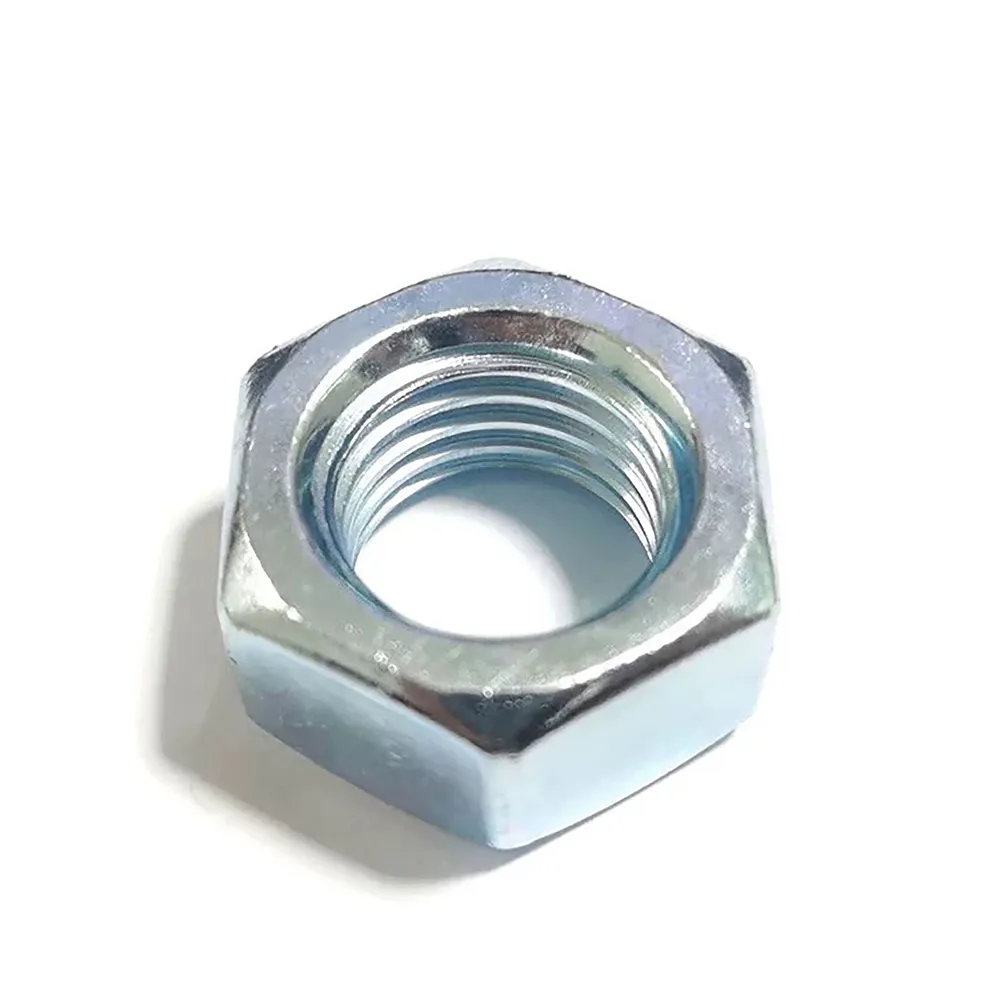
Comprehensive Guide to M5 Allen Screws: Applications, Benefits, and Trends
Understanding M5 Allen Screws: Global Relevance and Benefits
When we talk about fasteners, something as small and seemingly simple as m5 allen screws might not immediately grab attention. Yet, globally, these screws hold immense importance across industries—from automotive to aerospace, construction to electronics. With increasing demand for precision and reliability, understanding their specifications, uses, and performance is crucial for engineers, manufacturers, and even humanitarian aid sectors. Oddly enough, these little screws often form the backbone of complex assemblies and infrastructural projects.
Why M5 Allen Screws Matter Worldwide
The global manufacturing market was valued at over $12 trillion in 2023, with an emphasis on quality and durability according to ISO reports. Fasteners like M5 Allen screws are pivotal components in assembly lines worldwide, representing a small yet irreplaceable part of global infrastructure and product safety. Unfortunately, challenges arise when inconsistencies in screw quality cause failures in critical applications, leading to recalls, increased costs, and safety risks. So knowing your M5 Allen screws well isn’t just “nice to have”—it’s practically mandatory.
Mini takeaway: M5 Allen screws play a quiet but essential role in the reliability of products across global sectors, underscoring the need for informed selection and use.
What Are M5 Allen Screws?
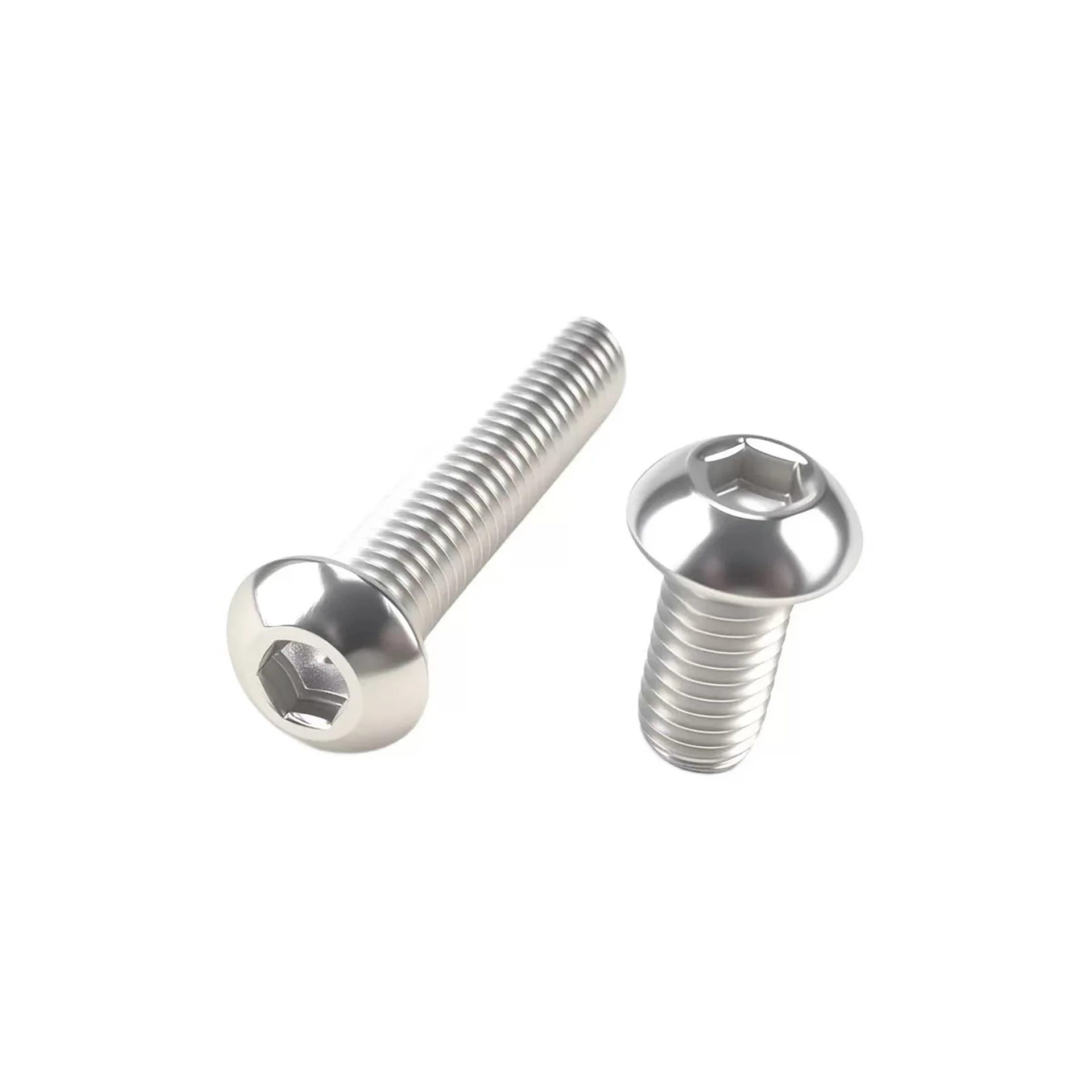
Simply put, an M5 Allen screw is a metric screw with a nominal diameter of 5 millimeters, designed to be driven by an Allen wrench (hex key). The Allen drive provides better torque transmission while minimizing cam-out compared to traditional screw heads. These screws come in various materials like stainless steel, alloy steel, and sometimes titanium.
They're widely used because of their compact head design and ability to fit flush or below the surface of a panel—making them an industrial favorite where aesthetics and safety are important. Oddly enough, humanitarian projects like emergency housing assemblies also rely on M5 Allen screws for durable, reusable connections under harsh conditions.
Mini takeaway: M5 Allen screws combine size precision with practical usability, making them vital for both industrial and emergency applications.
Key Factors of M5 Allen Screws
1. Durability and Material Strength
Common materials include stainless steel (resistant to corrosion), alloy steel (high tensile strength), and sometimes brass for low-friction applications. Durability is crucial especially in outdoor or industrial environments where rust or metal fatigue can cause failure.
2. Precision and Tolerance
Industry standards like ISO 4762 specify tolerances tightly—ensuring components meet performance expectations in assembly lines or mechanical systems. M5 screws typically have a thread pitch of 0.8 mm and length options ranging from 10 to 50+ mm.
3. Cost Efficiency
While premium materials and finishes can increase costs, the balance between longevity and upfront price often swings in favor of M5 Allen screws making them cost-effective over time. Bulk procurement often further reduces costs for manufacturers.
4. Scalability in Applications
From tiny electronics enclosures to heavy machinery panels, M5 Allen screws scale well in terms of load capacity and usability, offering versatile integration across sectors.
5. Easy Assembly & Maintenance
The hexagonal drive means faster installation with less risk of slippage—important in environments where assembly speed and accuracy save time and money.
Mini takeaway: Durability, precision, cost, and ease of use make M5 Allen screws an attractive choice for a wide array of engineering challenges.
Applications Across the Globe
- Automotive Industry: Used extensively in engine components, chassis assemblies, and interior fixtures.
- Aerospace and Aviation: Critical for lightweight yet strong assembly points that comply with international safety standards.
- Electronics Manufacturing: Enclosures and heat sink assemblies demand precise M5 fasteners.
- Renewable Energy Installations: Wind turbines and solar panels often employ corrosion-resistant M5 Allen screws due to outdoor exposure.
- Humanitarian Relief Projects: Temporary shelters and modular housing elements rely on them for rapid deployment and durability. NGOs appreciate their reusability during cycles of use.
In real terms, a company in Germany manufacturing precision medical devices depends on M5 Allen screws certified to ISO standards for consistent quality. Meanwhile, in remote Australian mining operations, corrosion-resistant versions are a must due to harsh conditions.
Advantages and Long-Term Value
Cost-effectiveness is just the start. The reliability of these screws assures product safety, reducing warranty claims and enhancing brand trust. On a social dimension, better fasteners contribute to safer vehicle construction and durable infrastructure, protecting lives. It feels like these tiny parts quietly boost innovation and safety all around.
Environmentally, screw reusability and the rise of stainless and recycled materials support sustainability goals. Plus, they simplify repairs, fostering a circular economy approach instead of disposable hardware.
Product Specifications Table
| Specification | M5 Allen Screw |
|---|---|
| Diameter | 5 mm |
| Thread Pitch | 0.8 mm |
| Length Range | 10 mm – 60 mm |
| Material Types | Stainless Steel, Alloy Steel, Brass |
| Head Type | Hex Socket (Allen) |
| Standard | ISO 4762 / DIN 912 |
Vendor Comparison for M5 Allen Screws
| Vendor | Material Quality | Tolerance Precision | Price per 1000 pcs | Lead Time |
|---|---|---|---|---|
| FastenBoen Co. | Premium stainless steel | ±0.02 mm | $120 | 2 weeks |
| PrecisionFix Ltd. | Alloy steel | ±0.05 mm | $95 | 3 weeks |
| ScrewMasters | Brass & coated steel | ±0.10 mm | $80 | 1 week |
Looking Ahead: Trends and Innovations
As industries push boundaries, fasteners like M5 Allen screws aren't standing still. Advances in materials—such as carbon fiber composites or bio-degradable polymers—promisingly reduce weight and environmental impact. Automation on assembly lines increasingly demands exacting tolerances, making precision-milled and even 3D-printed fasteners a possible future. Some companies experiment with smart screws embedded with RFID chips for inventory and maintenance tracking—fascinating, huh?
Then there’s the sustainability angle: sourcing recycled metals and green manufacturing processes will become standard soon, especially in Europe and Asia, driven by regulatory pressures and corporate responsibility promises.
Challenges and Practical Solutions
Not all M5 Allen screws are created equal. Variations in material treatments or thread integrity sometimes cause failures in high-stress environments. Also, improper installation—using wrong torque or tools—can strip heads or damage assemblies. Luckily, many manufacturers now provide detailed installation guides and quality certifications to mitigate risks.
Using coated screws or stainless variants combats corrosion, especially in marine or chemical-heavy environments. For extreme applications, experts recommend batch testing—something that sounds tedious but really pays off in the long haul.
FAQ: Common Questions About M5 Allen Screws
- Q: What material should I choose for M5 Allen screws in outdoor equipment?
- A: Stainless steel is preferred for outdoor use due to its corrosion resistance and strength, especially grades like 304 or 316 stainless. Alloy steel coated with zinc can be a cost-effective alternative, but expect some trade-offs in longevity.
- Q: Can M5 Allen screws be reused safely?
- A: Generally yes, if they haven’t been over-torqued or damaged. Reusing in non-critical assemblies is common, but for high-stress or safety-critical parts, manufacturers often recommend new fasteners to ensure reliability.
- Q: How do I select the right length of an M5 Allen screw?
- A: Consider the thickness of the materials being fastened plus any washers. The screw should engage sufficient thread depth (usually 1-1.5 times the screw diameter) without bottoming out or becoming too short.
- Q: Are M5 Allen screws compatible with standard Allen wrenches?
- A: Yes, M5 Allen screws use a 4 mm hex key, which is a common Allen wrench size, making tools and replacements easy to find globally.
Conclusion: The Unsung Hero of Assemblies
Long term, the well-informed choice of m5 allen screws means safer, more sustainable, and more reliable products. Their global presence in so many industries is no accident but a reflection of their quality and versatility. Whether you’re an engineer, procurement officer, or a DIY enthusiast, understanding these screws helps you make smarter choices that save time, money, and sometimes lives.
So why wait? Visit our website: https://www.fastenboen.com to explore our range of premium M5 Allen screws tailored to your project's needs.
It’s funny how something so small can be so decisively important, isn’t it?
References
Who We Are: The Right Fastener Partner for Global SMEs
Handan Boen Fastener Manufacturing Co., Ltd. (Est. 2010) specializes in producing standardized industrial fasteners, including bolts, nuts, washers, and other essential components. We provide cost-effective for small and medium-sized buyers in industries such as automotive parts, agricultural machinery, and construction.