Comprehensive Guide to M4 Socket Head Screws: Applications, Advantages, and Innovations
Understanding the M4 Socket Head: A Small Component with Global Impact
When we think of intricate machinery or highly engineered structures, it's easy to overlook tiny but critical components. The m4 socket head is one such component—it may seem small, but its significance spans industries worldwide. Knowing what an m4 socket head is, why it matters, and how it’s used can sharpen your understanding of manufacturing and construction that powers much of our modern infrastructure. Plus, diving into its benefits reveals how the right fastening solution can improve durability, efficiency, and safety—a trifecta in global production and engineering.
Global Context: Why the M4 Socket Head Matters Today
Socket head screws, including the m4 size, form a foundational part of global supply chains. ISO standards report that fasteners are essential to manufacturing $12 trillion worth of goods annually—that’s roughly 15% of global manufacturing output. The m4 socket head, with its metric designation, is a popular choice in many regions due to its precise specifications and reliability.
However, challenges such as inconsistent quality or difficulty in assembly plague industries, especially in remote or developing markets. The m4 socket head addresses these by offering consistent sizing, compatibility with automated equipment, and strong torque resistance. Oddly enough, while small, this component ensures the integrity of much larger projects, from electronics in Europe to renewable energy installations in Asia.
Mini takeaway: The m4 socket head underpins a swath of international manufacturing efforts, tying together supply chain consistency and engineering reliability.
What Exactly Is an M4 Socket Head?
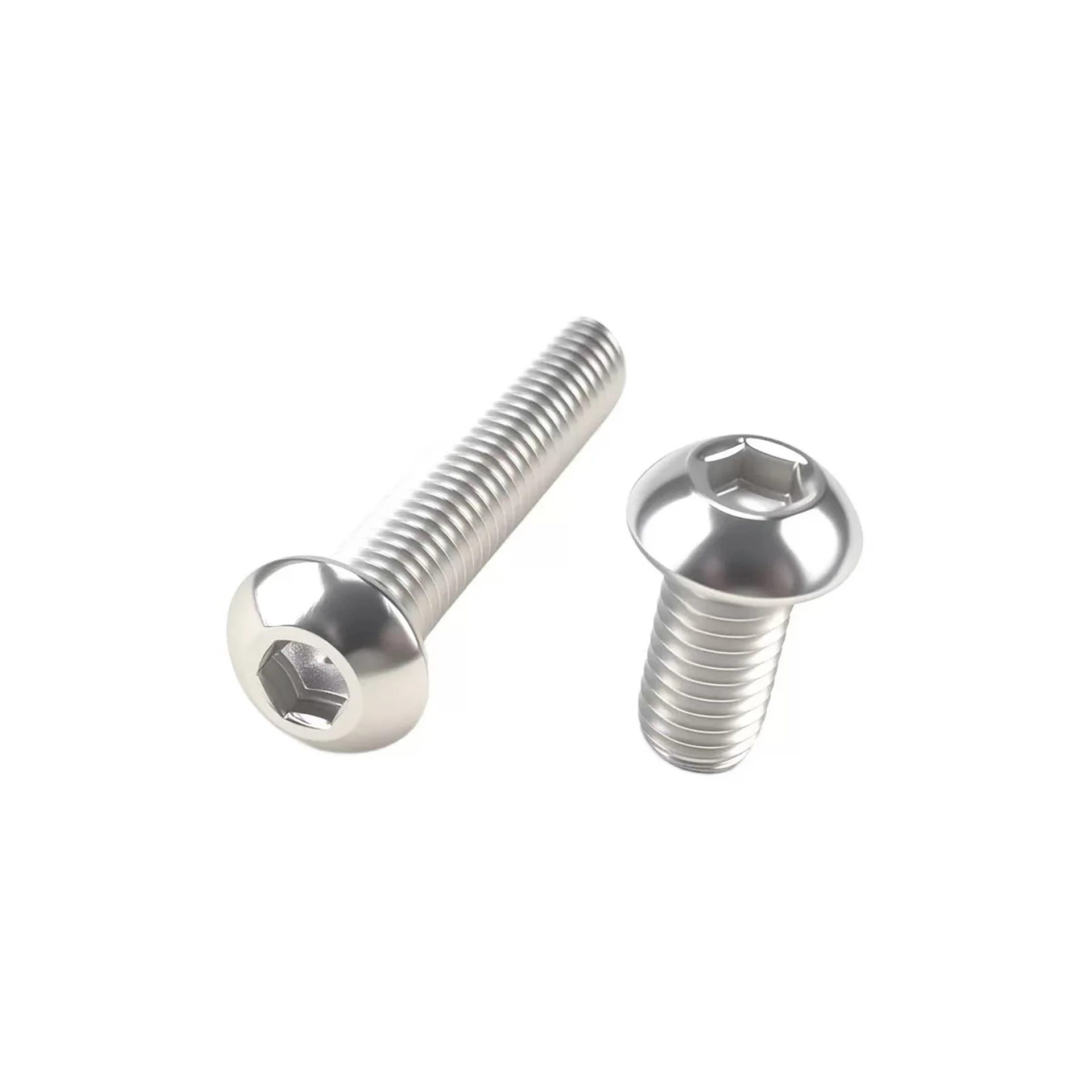
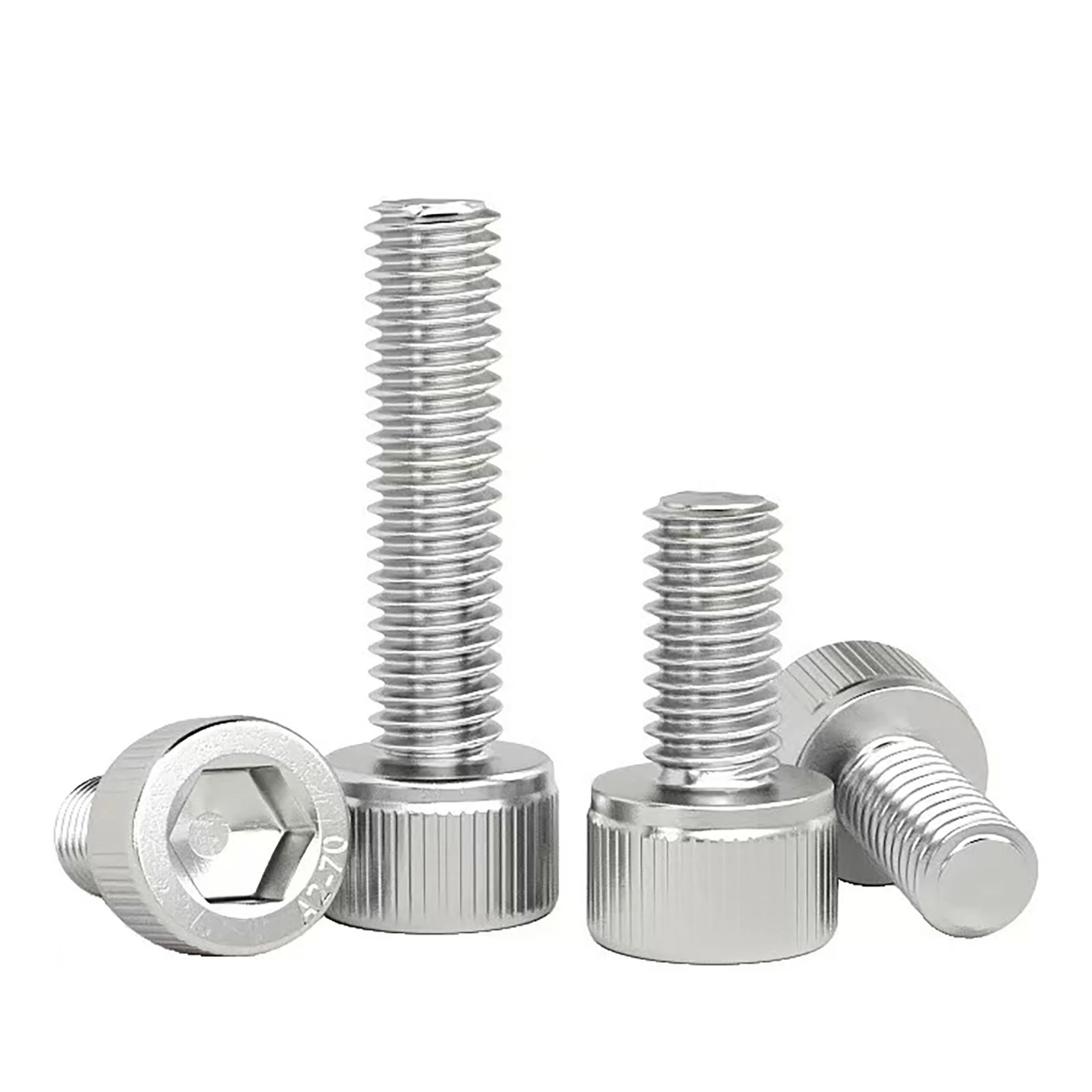
At its core, an m4 socket head is a type of screw or bolt featuring a cylindrical, counterbored head designed to be driven using a hex (Allen) key or compatible tool. The 'm4' denotes the metric thread size—4 millimeters in diameter—commonly found in mechanical and electronic assemblies that require precision fastening without protruding heads.
Socket heads are particularly valued where compact designs or flush surfaces are needed. Think smartphones, industrial machinery, or structural fixtures. The m4 socket head strikes a balance: small enough for delicate applications, yet robust enough for moderate mechanical stress.
Mini takeaway: The m4 socket head is a precision-engineered fastening element optimized for strength in tight spaces.
Core Components and Factors of M4 Socket Heads
1. Material Durability
Most m4 socket heads are crafted from materials like stainless steel, alloy steel, or titanium. Each material offers different resistance to corrosion, wear, and temperature. For example, stainless steel m4 socket heads excel in outdoor or marine settings due to their corrosion resistance—important for applications in harsh environments.
2. Thread Precision and Strength
The metric 4 mm thread ensures consistent fitment across global manufacturing lines, reducing loose fittings or mechanical failure. Thread pitch (usually 0.7mm) and tensile strength ratings dictate how much load the screw can bear. This precision is vital in industries such as aerospace or automotive, where mechanical integrity is non-negotiable.
3. Head Design and Usability
The cylindrical socket head allows for tools like hex keys or drivers to apply torque efficiently. Some variations include flange heads or button heads, each tailoring the screw's interaction with its assembly environment. Ergonomics of assembly and ease of maintenance come into play here.
4. Coatings and Finishes
Finishes such as zinc plating, black oxide, or anodizing improve corrosion resistance and reduce friction during installation. Selecting the right coating can extend product lifespan and reduce maintenance costs.
5. Compliance & Standards
These screws often adhere to standards like DIN 912 or ISO 4762, ensuring interchangeability and quality control. This regulatory compliance is crucial for international projects demanding stringent quality assurance.
| Specification | Description |
|---|---|
| Thread Size | M4 (4 mm diameter) |
| Thread Pitch | 0.7 mm standard |
| Material | Stainless steel, alloy steel, titanium |
| Head Type | Cylindrical socket head (DIN 912/ISO 4762) |
| Finish | Zinc plating, black oxide, anodized |
| Typical Tensile Strength | 8.8 grade - approximately 800 MPa |
Mini takeaway: Selecting the right material, thread, and finish for m4 socket heads is key to their reliable function across countless applications.
Global Applications & Use Cases of M4 Socket Heads
The versatility of m4 socket heads reflects in its broad adoption worldwide. In Europe and North America, precision electronics and automotive firms regularly use them. Asia, with its booming manufacturing hubs, relies heavily on these screws in machinery and consumer goods.
In humanitarian aid, post-disaster relief initiatives incorporate m4 socket heads in temporary shelters and modular construction systems. Their uniform sizing allows field engineers to rapidly assemble and repair structures under challenging conditions.
- Electronics Manufacturing: Controlling compact components in consumer devices.
- Automotive Assembly: Ensuring secure fastening under vibration and thermal stress.
- Renewable Energy: Mounting solar panels and wind turbine parts, particularly outdoors.
- Disaster Relief Housing: Facilitating quick assembly of modular homes and shelters.
Mini takeaway: The m4 socket head is a globally trusted fastening solution across industry sectors that demand precision and resilience.
Advantages and Long-Term Value of Using M4 Socket Heads
Besides technical strength, the m4 socket head delivers cost savings over the product lifecycle. Their reusability reduces waste, and their compatibility with automated assembly improves production speed—two factors lowering manufacturing costs.
Socially, good fastening means safer buildings, machines, and devices. For workers and end-users, that translates to trust and peace of mind, not just efficiency. Honestly, it feels like the little screws keep entire industries from falling apart—literally.
Future Trends and Innovations in M4 Socket Head Technology
Sustainability is pushing manufacturers to innovate. New biodegradable or recycled materials for socket heads are emerging, aligning with global environmental goals (read more on ISO sustainability frameworks). Digital transformation is also revolutionizing assembly lines, where smart torque tools log data to prevent over-tightening or failure.
Automation and robotics are increasingly calibrated for standardized sizes like m4 socket heads, ensuring higher precision and less human error in fastener installation.
Challenges & Solutions in Working with M4 Socket Heads
A few pain points exist: poor-quality screws can strip easily, and incompatibility with incorrect tools leads to damaged heads.
To counteract this, many engineers recommend specifying standards compliance clearly and sourcing only from reputable suppliers—something our m4 socket head offerings prioritize.
| Vendor | Material Options | Certifications | Typical Lead Time |
|---|---|---|---|
| FastenBoen | Stainless, Alloy, Titanium | ISO 9001, RoHS | 2-4 weeks |
| BoltMaster | Stainless Steel Only | ISO 14001 | 3-5 weeks |
| SureFit Fasteners | Alloy Steel, Coated Zinc | ISO 9001, CE | 1-3 weeks |
Frequently Asked Questions About M4 Socket Head
Q1: What distinguishes an m4 socket head from other metric screws?
A: The m4 socket head specifically refers to a 4mm diameter screw with a cylindrical head operated via a hex key. This allows for higher torque application and flush mounting compared to hex bolts or pan heads, making it ideal for precision assembly.
Q2: How do I ensure compatibility when selecting an m4 socket head for assembly?
A: Verify thread pitch (usually 0.7mm), head dimensions, and material meet your design specs. Consulting standards like DIN 912 or ISO 4762 is a good practice. Sourcing from certified vendors ensures dimensional and material consistency.
Q3: Can m4 socket heads be reused after disassembly?
A: Generally yes, especially if installed and removed properly. However, avoid excessive torque or tool slippage to prevent head or thread damage. Using socket drivers designed for m4 heads extends their lifespan.
Q4: Are m4 socket head screws suitable for outdoor environments?
A: Yes—provided they are made of corrosion-resistant materials like stainless steel or have suitable coatings. This ensures longevity against rust and environmental wear.
Q5: How can I purchase m4 socket heads for international projects?
A: Many vendors, including m4 socket head suppliers, offer global shipping and can assist with documentation for customs compliance. Early communication about export requirements streamlines procurement.
Conclusion: Why M4 Socket Heads Earn Their Place in Your Projects
Small, simple, but mighty—m4 socket heads quietly hold together countless devices and structures worldwide. Their precision, resilience, and global standards make them indispensable in today’s interconnected manufacturing and engineering landscape.
For those keen on quality and reliability, sourcing your m4 socket head from trusted suppliers is the first step toward enduring success in your projects. Curious to see our selection? Visit our website today and make your connections count.
Final thoughts: In the world of fasteners, it’s truly the small components that keep the big ideas moving—quite literally.
References
Who We Are: The Right Fastener Partner for Global SMEs
Handan Boen Fastener Manufacturing Co., Ltd. (Est. 2010) specializes in producing standardized industrial fasteners, including bolts, nuts, washers, and other essential components. We provide cost-effective for small and medium-sized buyers in industries such as automotive parts, agricultural machinery, and construction.