Comprehensive Guide to M4 Socket Cap Screws – Specs, Uses & FAQs
Understanding the M4 Socket Cap: A Small Component with Big Impact
When you hear m4 socket cap, you might think it is just one tiny screw among millions, but these fasteners play a surprisingly crucial role worldwide. Whether in assembling intricate machinery or building large infrastructure, the m4 socket cap delivers strength, precision, and reliability—a trio that's hard to beat in a vast array of industries globally. Given how interconnected our supply chains and manufacturing ecosystems are, knowing the ins and outs of this component can offer engineers and purchasing managers alike a sharper edge.
Introduction: Why the M4 Socket Cap Matters Globally
The m4 socket cap isn’t just a niche item. Industry data from ISO standards committees suggests that socket head cap screws like these form the backbone of mechanical fastening systems globally, especially in sectors like automotive, aerospace, electronics, and construction.(1) The reason? Their compact design and superior torque resistance make them ideal where space is tight yet strength cannot be compromised.
Take the global electronics manufacturing market—expected to reach over $1.35 trillion by 2027(2)—where almost every device depends on reliable fasteners. Yet, challenges such as counterfeit hardware and inconsistent quality persist. Socket cap screws, especially the m4 size, directly address these issues by offering standardized specs and proven performance.
What Is an M4 Socket Cap?
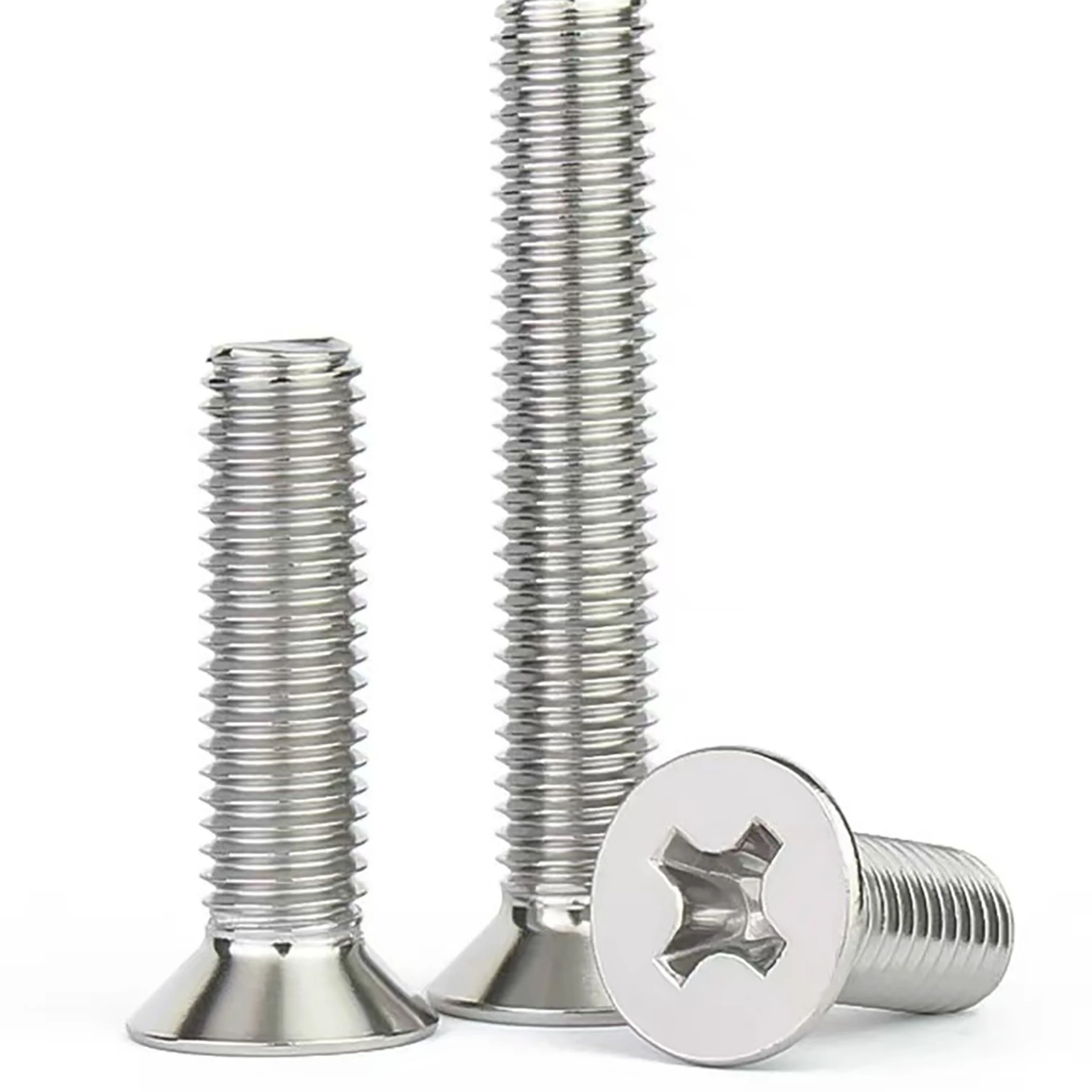
Simply put, an m4 socket cap is a type of screw that has a 4 mm metric thread diameter, featuring a cylindrical head designed to be tightened or loosened with a hex key or Allen wrench. This style allows for a neat, flush finish while providing high torque transmission without damaging the screw head, unlike Phillips or flat heads.
More than that, these socket caps are vital in modern industry for assembling delicate electronics, automotive engines, and even humanitarian aid devices like portable medical kits. Their reliable hold ensures safety and durability, which, frankly, sometimes feels underestimated outside the mechanical engineering community.
Core Components of the M4 Socket Cap
1. Material Quality
Most sockets are made from stainless steel or alloy steel, often with surface treatments for corrosion resistance like black oxide or zinc plating. High-grade materials ensure longevity, especially in harsh environments.
2. Thread Precision
Thread accuracy is paramount for secure fitting. A precisely manufactured m4 socket cap reduces the risk of stripping and enhances vibration resistance — critical for aerospace or automotive uses where safety is everything.
3. Head Design
The cylindrical socket head is compact and reduces protrusion, which prevents snagging on components and aids in smooth assembly lines—this also helps in tight spaces where traditional hex heads won’t fit.
4. Torque Capacity
Thanks to its design, the m4 socket cap allows the application of higher torque compared to similar-sized fasteners. That means stronger joints and less chance of loosening over time.
5. Versatility
From robotics to home appliances, the socket cap screw fits into a diverse range of assemblies, making it a preferred choice worldwide.
Mini Takeaway:
- The m4 socket cap’s design and material strengths meet demanding industrial requirements, securing its role in critical applications.
Global Applications & Use Cases of M4 Socket Caps
Across the globe, this little screw is quietly powering innovation and maintenance. For example:
- Automotive manufacturing: Used in engine components and interior assemblies for robust fastening.
- Consumer electronics: Holding delicate circuit boards together inside smartphones, laptops, and wearables.
- Aerospace: In aircraft engines where reliability is tantamount to safety.
- Education and research labs: For assembling prototypes that require precise, repeatable fastening.
- Post-disaster reconstruction projects: Facilitating quick assembly of temporary shelters or medical devices that rely on durable connections.
Oddly enough, the m4 socket cap is even finding its way into DIY robotics kits, proving its versatility from professional to hobbyist applications.
Advantages & Long-Term Value of Using M4 Socket Caps
When you consider longevity, cost-effectiveness, and safety, the m4 socket cap screws are exceptional:
- Durability: High resistance to wear and corrosion reduces replacement frequency.
- Cost efficiency: Mass production and standardized sizes drive prices down.
- Safety: Reliable torque means joints don’t loosen unexpectedly, vital in vehicle and aerospace parts.
- Sustainability: Many versions now use eco-friendly coatings compatible with recycling practices.
Emotionally, knowing these fasteners hold your smartphone together or keep an engine from failing adds a little peace of mind, I suppose.
Future Trends & Innovations for M4 Socket Caps
The evolution here is exciting: manufacturers are experimenting with innovative alloys, including titanium variants for even lighter weight, higher strength applications. There's also growing integration with automation — imagine robotic arms feeding and installing these screws at lightning speed on production lines.
Environmentally, there’s pressure to develop coatings that reduce toxic waste, alongside digital tracking (via QR or RFID tags on packaging) to fight counterfeit parts flooding global markets. Plus, as manufacturing adopts Industry 4.0 standards, traceability and quality assurance for every m4 socket cap will only improve.
Challenges & Solutions
One common hurdle is thread damage during handling, which can cause assembly delays or failures. To counter this, many vendors offer pre-lubricated finishes or thread protection caps. Training workers on proper torque application and using calibrated tools also minimizes such issues.
In some sectors, sourcing consistent quality m4 socket cap screws rapidly is tricky. This sometimes calls for building closer vendor relationships or regional inventories, rather than on-demand global shipping.
Product Specification Table
| Specification | Details |
|---|---|
| Thread Diameter | 4 mm |
| Thread Pitch | 0.7 mm (standard) |
| Head Type | Cylindrical, hex socket |
| Material | Alloy Steel, Stainless Steel |
| Surface Treatment | Zinc plating, Black oxide, None |
| Strength Grade | 8.8, 10.9 (common grades) |
Vendor Comparison Table
| Vendor | Material Options | Typical Lead Time | Custom Packaging | Quality Certifications |
|---|---|---|---|---|
| AlphaFasteners | Steel, Stainless Steel | 2 weeks | Yes | ISO 9001 |
| BoltTech | Alloy Steel only | 1 week | No | ISO 14001 |
| FastenBoen | Steel, Stainless Steel, Titanium | 3 weeks | Yes | ISO 9001, RoHS Compliant |
FAQ: Frequently Asked Questions About M4 Socket Caps
Q1: What is the difference between an M4 socket cap and a standard screw?
A1: The M4 socket cap has a cylindrical head and is tightened using a hex wrench, allowing higher torque and a flush finish. Standard screws may have slotted or Phillips heads and often can’t handle as much torque without damage.
Q2: Are M4 socket caps suitable for outdoor use?
A2: Yes, if made with corrosion-resistant materials like stainless steel or treated with protective coatings such as zinc plating. This helps prevent rust and degradation in outdoor or humid environments.
Q3: Can M4 socket caps be reused after removal?
A3: Generally yes, provided the threads are undamaged and the screw hasn’t been overstressed. However, repeated loosening and tightening reduce reliability, so it’s best to inspect before reuse.
Q4: What tools do I need to install an M4 socket cap?
A4: A standard 2.5 mm or 3 mm hex (Allen) wrench fits the socket head. Choosing high-quality tools helps prevent stripping and ensures proper torque application.
Conclusion: Sound Investment in Dependability
Understanding the m4 socket cap isn’t just about choosing the right screw; it’s about securing performance, safety, and longevity across industries — from electronics to aerospace and beyond. Their precision design, reliability, and ongoing innovations make them indispensable. So next time you pick up an m4 socket cap, remember you’re handling a quiet powerhouse of engineering.
Ready to explore high-quality m4 socket caps? Visit our website: FastenBoen and discover options tailored for your needs.
Sometimes, the smallest parts hold the biggest stories—and the m4 socket cap definitely tells one worth hearing.
References
Who We Are: The Right Fastener Partner for Global SMEs
Handan Boen Fastener Manufacturing Co., Ltd. (Est. 2010) specializes in producing standardized industrial fasteners, including bolts, nuts, washers, and other essential components. We provide cost-effective for small and medium-sized buyers in industries such as automotive parts, agricultural machinery, and construction.