Complete Guide to M5 Socket Head Screw – Specifications, Uses & Advantages
Understanding the M5 Socket Head Screw: Small but Globally Significant
At first glance, the m5 socket head screw seems like just a tiny piece in the vast machinery of manufacturing and construction. Yet, these small, precise components are quietly responsible for making complex assemblies reliable, durable, and efficient. Globally, industries hinge on consistent quality fasteners like the m5 socket head screw — especially as modular designs and precision engineering become standard. Knowing what these screws offer doesn’t just benefit engineers, it’s essential for sectors like aerospace, automotive, and humanitarian infrastructure where safety and performance matter.
Why The M5 Socket Head Screw Matters on a Global Scale
The world produces billions of screws every year — and fasteners like the m5 socket head screw represent a cornerstone of modern mechanical assembly. According to the International Organization for Standardization (ISO), standardization of fasteners including socket head caps ensures interoperability across borders and industries (ISO 4762). The global use of m5 socket head screws is a silent contributor to building infrastructure, transportation systems, and electronic devices that billions depend on every day.
But there’s a challenge here — with industries striving for lighter, stronger, and more sustainable materials, finding standard fasteners that meet these evolving needs is tricky. That's where the m5 socket head screw steps in, balancing size, strength, and versatility.
Defining the M5 Socket Head Screw: Simple Precision
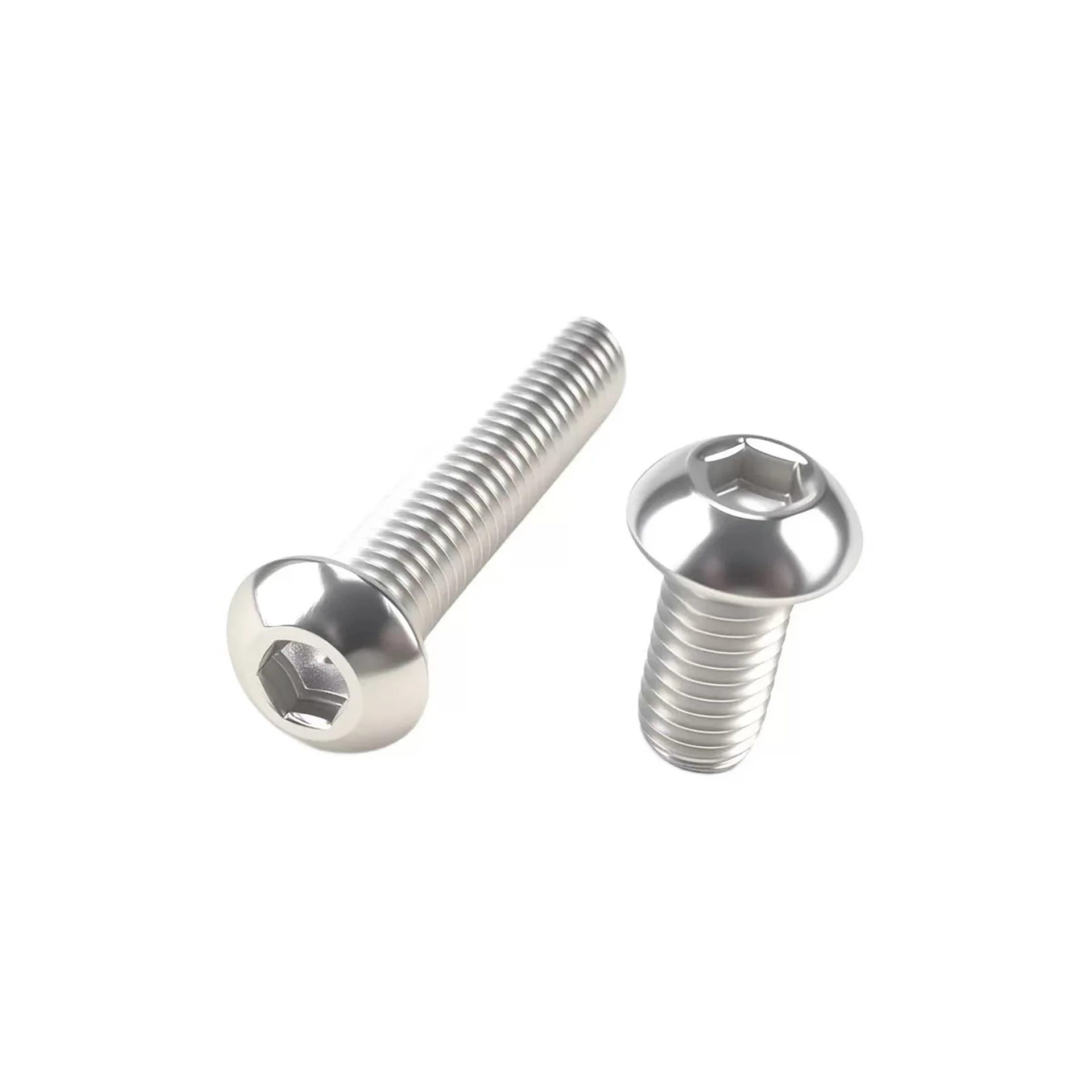
Simply put, an m5 socket head screw is a type of threaded fastener with a cylindrical head designed to be tightened or loosened using an Allen (hex) key. The “M5” refers to its metric size — a 5-millimeter nominal diameter thread. It’s popular for its compact head, which sits flush or recessed into machinery, saving space and preventing snagging, unlike traditional hex or slotted screws.
This design is critical in industries requiring a neat, secure fastening: imagine aerospace equipment, automotive engines, or even expensive medical devices. Oddly enough, such a small screw holds much of the critical infrastructure together — literally.
Key Attributes of the M5 Socket Head Screw
1. Durability and Strength
The M5 socket head screw is usually made from high-tensile steel, stainless steel, or alloy materials to provide excellent mechanical strength. This translates to better resistance to shear and tensile forces, making it a trustworthy choice wherever safety cannot be compromised.
2. Compact Design and Accessibility
The deep hexagonal socket eliminates the need for bulky wrench space, allowing assembly in tight, hard-to-reach areas — typical in electronics or compact machinery, for example.
3. Corrosion Resistance
Many M5 socket head screws come with coatings or are stainless, offering good protection against rust and corrosion — especially useful in outdoor or marine applications.
4. Cost Efficiency and Availability
Thanks to their standardized sizes and global usage, these screws are widely available at reasonable costs — a real asset for manufacturers managing tight budgets without sacrificing quality.
5. Compatibility and Versatility
From robotics in Japan to modular housing in Europe, these screws are often interchangeable across different machines and brands, simplifying maintenance and supply chain logistics.
Product Specifications at a Glance
| Specification | Detail |
|---|---|
| Thread Diameter | 5mm (M5) |
| Thread Pitch | 0.8 mm (standard) |
| Head Type | Cylindrical socket head |
| Drive Type | Hex socket (Allen key) |
| Material | Steel / Stainless Steel / Alloy |
| Typical Lengths | 6mm to 50mm |
Global Use Cases of M5 Socket Head Screws
The reach of the m5 socket head screw stretches well beyond factory floors:
- Automotive manufacturing: Used in engine assemblies and internal components due to their reliability under vibration.
- Aerospace: Critical for assembling compact, lightweight components where space is at a premium.
- Construction and modular housing: Helps quickly assemble prefabricated units, essential in fast-deploy relief shelters worldwide.
- Electronics and robotics: Ensures delicate parts stay aligned, with minimal tooling.
For example, NGOs rapidly constructing emergency medical centers in disaster-prone regions rely on m5 socket head screws to hold modular frames together — providing stable, durable shelter that is both fast to build and safe for occupants.
Benefits That Go Beyond Just Nuts and Bolts
Tangibly, the m5 socket head screw offers cost savings — less downtime, easier maintenance, enhanced longevity. Emotionally, it symbolizes safety and innovation. People tend to trust products built with precision parts because they just "feel right." In humanitarian projects, the reliability of these fasteners translates into trust, dignity, and safety for vulnerable populations.
What’s Next? Future Trends
Ever-evolving materials science is pushing fasteners into new territories: imagine bio-based coatings for anti-corrosion, or smart screws embedded with RFID chips for inventory tracking. Plus, automation in assembly lines means m5 socket head screws have to meet more precise torque and quality specs. Green manufacturing and carbon footprint reduction efforts also influence the choice of materials and production methods for these fasteners.
Challenges & Smart Solutions
While the m5 socket head screw is versatile, it’s not perfect. Issues like galling (thread sticking), tool wear, or availability of certain grades in remote regions can hold back efficiency. Some forward-thinking companies adopt lubricated coatings or develop supply partnerships to ensure availability and consistent performance worldwide. Use of digital torque tools helps reduce over-tightening damage, exactly the kind of advance that engineers quietly celebrate.
Vendor Comparison: A Quick Look
| Vendor | Material Grade | Coating | Available Lengths (mm) | MOQ | Lead Time |
|---|---|---|---|---|---|
| FastenBoen | A2 Stainless Steel | None (passivated) | 6 - 50 | 100 pcs | 1 week |
| GlobalFix | Grade 10.9 Alloy Steel | Black Oxide | 8 - 40 | 250 pcs | 2 weeks |
| ProScrew Supply | A4 Stainless Steel | Zinc Plated | 10 - 50 | 500 pcs | 3-4 weeks |
FAQs About M5 Socket Head Screws
1. What differentiates an M5 socket head screw from other M5 screws?
The main difference lies in the head design — socket head screws have a cylindrical head with an internal hex drive. This enables installation in tighter spaces and provides greater torque transfer compared to hex head or slotted screws.
2. Can M5 socket head screws be used in outdoor applications?
Yes, especially if they are stainless steel (e.g., A2 or A4 grade) or have corrosion-resistant coatings. These types resist rusting and are commonly used in marine or outdoor industrial equipment.
3. How important is torque control when installing M5 socket head screws?
Quite important. Over-tightening can strip threads or damage components, while under-tightening may cause the joint to loosen. Using a torque wrench with the manufacturer’s specified values ensures reliability.
4. Are M5 socket head screws compatible with automation assembly lines?
Definitely. Their hex socket design suits robotic tools that require repeatable torque application. This is why they are often preferred in automotive and electronics production.
5. Where can I source high-quality M5 socket head screws at competitive prices?
Specialized suppliers like FastenBoen offer a wide range of specs and a trusted supply chain, ideal for both small and large industrial applications.
Conclusion: Small Component, Big Impact
In a world increasingly driven by precision and standardization, the humble m5 socket head screw quietly asserts its importance. Beyond just fastening parts, it enables everything from complex machinery assembly to emergency housing stability. Understanding its features, applications, and future prospects equips industries and NGOs alike to build safer, more reliable solutions. For anyone serious about fastening technology, starting with reliable sourcing like an m5 socket head screw is a no-brainer.
If you want to explore more options or place an order, visit us at https://www.fastenboen.com.
Oddly enough, sometimes the smallest components hold the biggest stories…
References
Who We Are: The Right Fastener Partner for Global SMEs
Handan Boen Fastener Manufacturing Co., Ltd. (Est. 2010) specializes in producing standardized industrial fasteners, including bolts, nuts, washers, and other essential components. We provide cost-effective for small and medium-sized buyers in industries such as automotive parts, agricultural machinery, and construction.