Comprehensive Guide to M8 Socket Head Screw Applications and Selection
Understanding M8 Socket Head Screw Applications & Selection
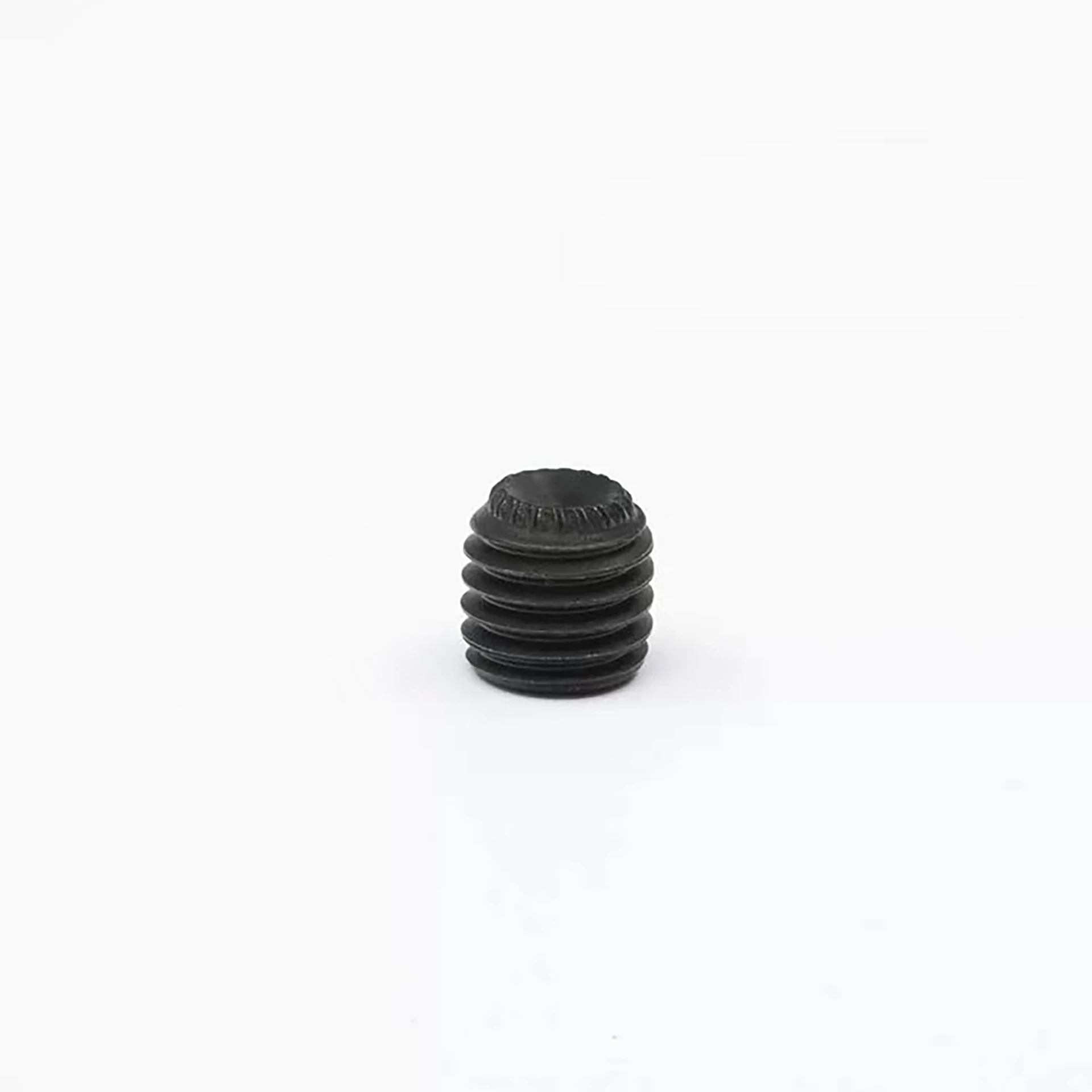
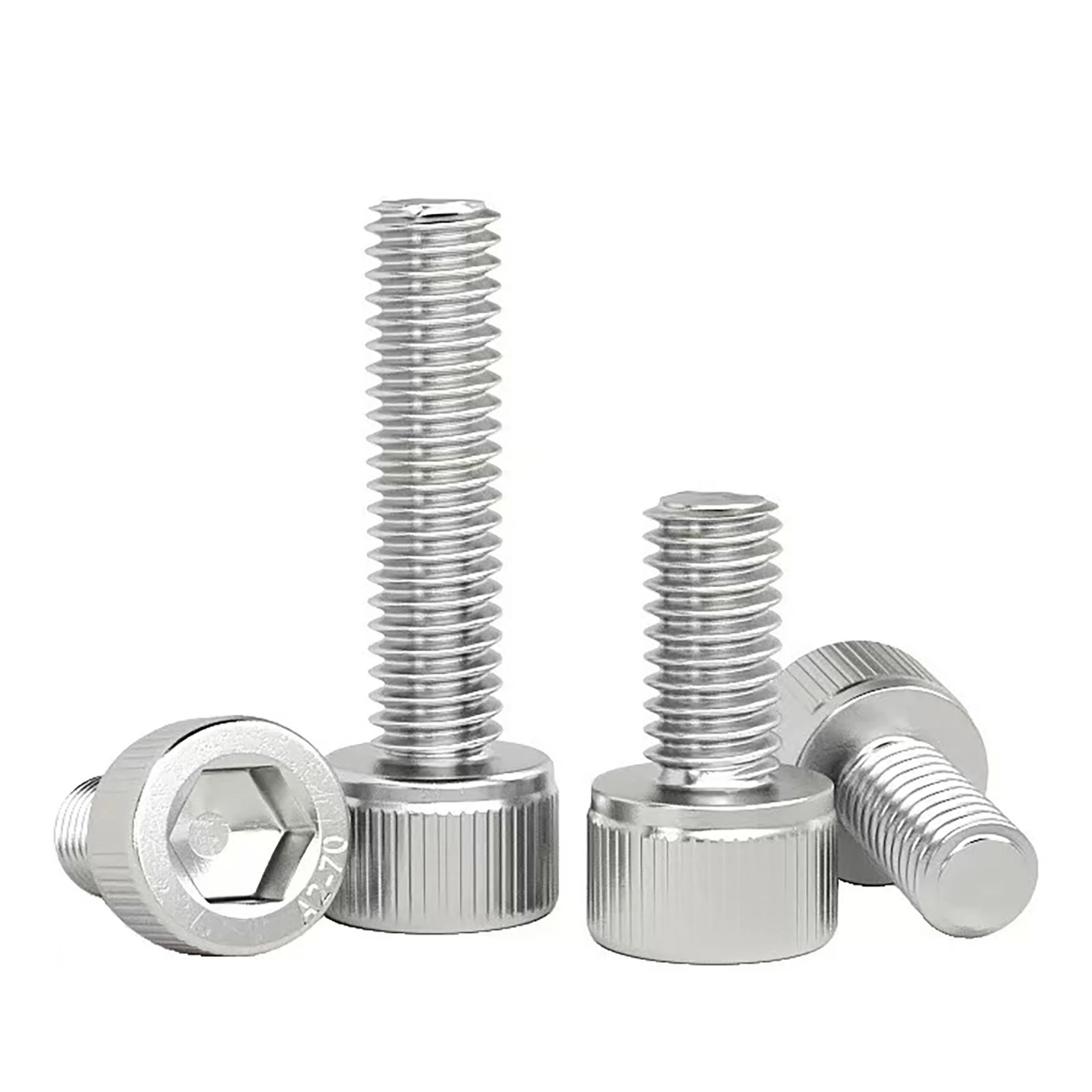
The M8 socket head screw is a widely used fastener in various industries, prized for its strength, reliability, and ease of installation. Its popularity stems from the ability to apply high torque using an Allen wrench, making it ideal for applications requiring a secure hold. This article will provide a comprehensive overview of the M8 socket head screw, covering its features, applications, materials, and key considerations for selection. Understanding these aspects is crucial for ensuring optimal performance and longevity in your projects.
What Makes the M8 Socket Head Screw Stand Out?
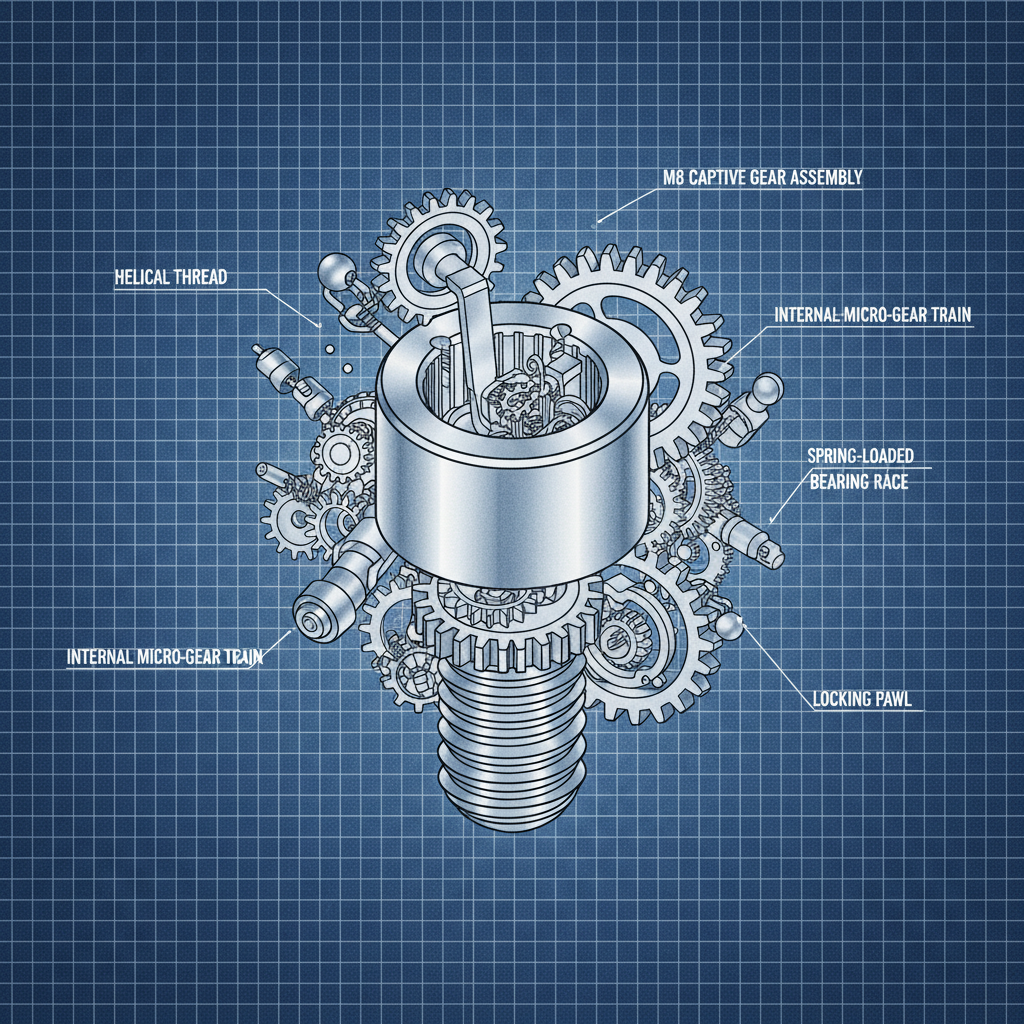
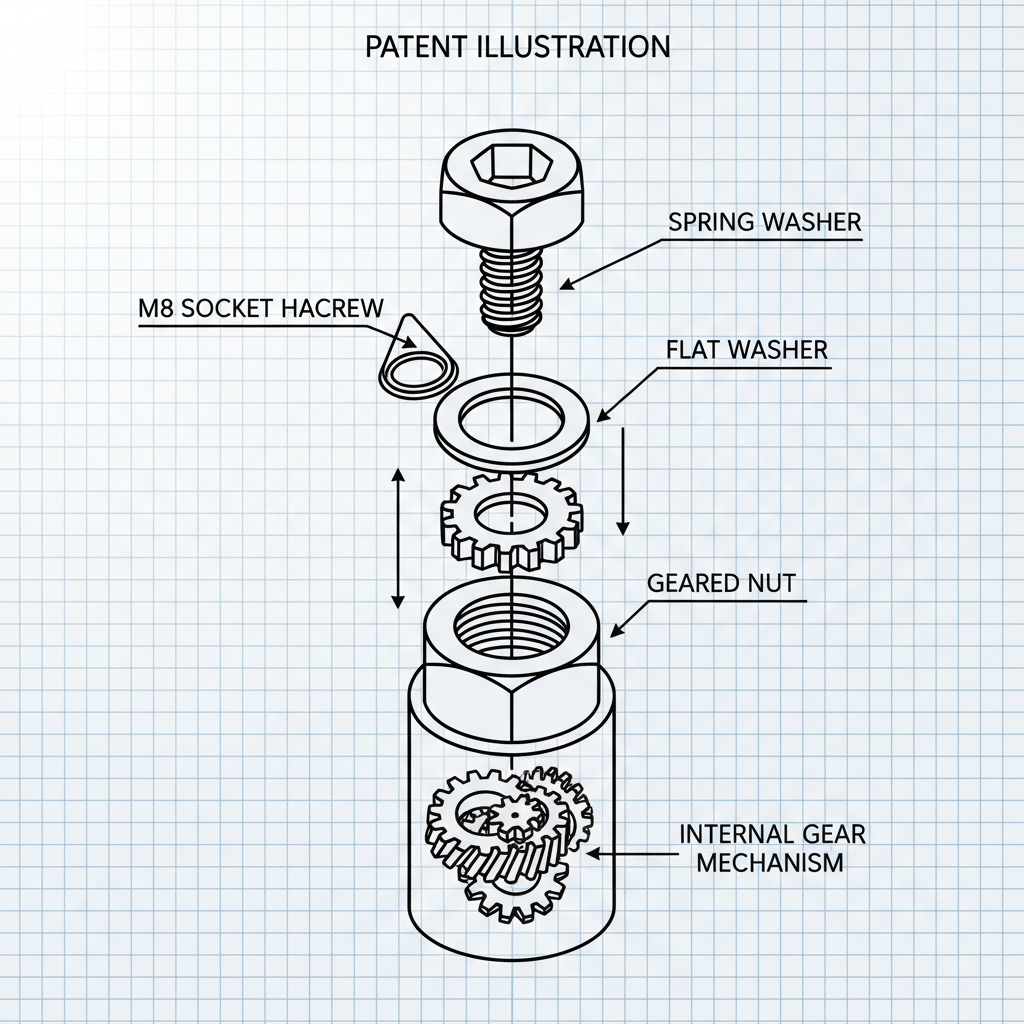
The M8 socket head screw, also known as an Allen head screw, distinguishes itself from other fasteners through its unique drive type. The hexagonal socket allows for greater torque application without damaging the screw head. This is particularly important in applications where a strong and secure connection is essential. The head design also provides a flush, clean appearance. Further benefits include its resistance to cam-out (where the tool slips out of the screw head) and its ability to be tightened in confined spaces. The M8 designation refers to the diameter of the screw thread, representing a robust size for many industrial and commercial uses. Fastenboen provides a diverse range of M8 socket head screws to suit a variety of needs.
Key Advantages: High torque capability, reduced cam-out, flush finish, suitable for confined spaces, and robust construction.
Common Applications of M8 Socket Head Screws
M8 socket head screws find application across a broad spectrum of industries. They are frequently used in machinery assembly, automotive manufacturing, aerospace engineering, and furniture construction. In mechanical engineering, they secure components subject to vibration and stress. Within the automotive sector, they are vital in engine and chassis components. The aerospace industry utilizes them for their high strength-to-weight ratio. Furthermore, they are commonly used in DIY projects, electronics enclosures, and various household appliances. This versatility makes them an indispensable fastener in modern manufacturing and assembly processes.
Industries Utilizing M8 Screws:
• Machinery & Equipment
• Automotive
• Aerospace
• Furniture Manufacturing
M8 Socket Head Screw Materials: A Comparative Overview
The choice of material significantly impacts the performance of an M8 socket head screw. Common materials include carbon steel, stainless steel (A2, A4), and alloy steel. Carbon steel is cost-effective and suitable for general-purpose applications. Stainless steel offers superior corrosion resistance, making it ideal for outdoor or harsh environments. A2 stainless steel provides good corrosion resistance, while A4 offers even higher resistance, particularly in chloride-rich environments. Alloy steel delivers enhanced strength and durability for high-stress applications. Selecting the appropriate material is crucial to ensure the screw can withstand the operating conditions and maintain its integrity over time. Fastenboen offers M8 screws in various materials to meet your specific requirements.
Choosing the Right M8 Socket Head Screw for Your Project
Selecting the correct M8 socket head screw involves considering several factors. First, identify the material requirements based on the environment and potential exposure to corrosive substances. Second, determine the necessary length and thread pitch for your application. Third, consider the head type – button head, flat head, or low head – based on the desired aesthetic and space constraints. Finally, evaluate the required strength grade and choose a screw that meets or exceeds the load requirements. Proper selection will ensure a secure, reliable, and long-lasting assembly.
Conclusion: Optimizing Your Fastening Solutions with M8 Screws
The M8 socket head screw remains a cornerstone of modern fastening technology. By understanding its features, applications, material options, and selection criteria, you can optimize your projects for performance and reliability. Fastenboen is committed to providing high-quality M8 screws and expert advice to meet your fastening needs.
Frequently Asked Questions (FAQs)
What is the typical torque capacity of an M8 socket head screw?
The torque capacity of an M8 socket head screw varies depending on the material, grade, and surface treatment. Generally, a Grade 8.8 M8 screw can withstand a torque of around 22-28 Nm (Newton-meters), while a Grade 12.9 screw can handle approximately 30-40 Nm. It's crucial to consult the screw manufacturer's specifications for the precise torque rating to avoid stripping the threads or damaging the screw head. Over-tightening can compromise the integrity of the joint.
What is the difference between a button head and a flat head M8 screw?
The primary difference lies in the head shape. A button head M8 screw has a rounded, low-profile head, providing a clean aesthetic and reducing the risk of interference. A flat head M8 screw is designed to sit flush with the surface when installed, creating a smooth, streamlined finish. Flat head screws require countersinking the hole to accommodate the head. The choice depends on the application's aesthetic and functional requirements.
How do I determine the correct length of an M8 screw for my application?
To determine the correct length, measure the total thickness of the materials being joined, including any washers or spacers. The screw should protrude through the receiving material enough to allow for secure engagement with the nut or threaded hole, typically 2-3 thread pitches. It's essential to avoid using a screw that is too short, as it may not provide a sufficient grip, or too long, as it can create a hazard or interfere with other components.
Where can I find high-quality M8 socket head screws?
Fastenboen offers a comprehensive range of high-quality M8 socket head screws in various materials, sizes, and grades. We are a trusted supplier known for our reliable products and excellent customer service. We also provide expert advice to help you select the optimal screws for your specific application.
Who We Are: The Right Fastener Partner for Global SMEs
Handan Boen Fastener Manufacturing Co., Ltd. (Est. 2010) specializes in producing standardized industrial fasteners, including bolts, nuts, washers, and other essential components. We provide cost-effective for small and medium-sized buyers in industries such as automotive parts, agricultural machinery, and construction.