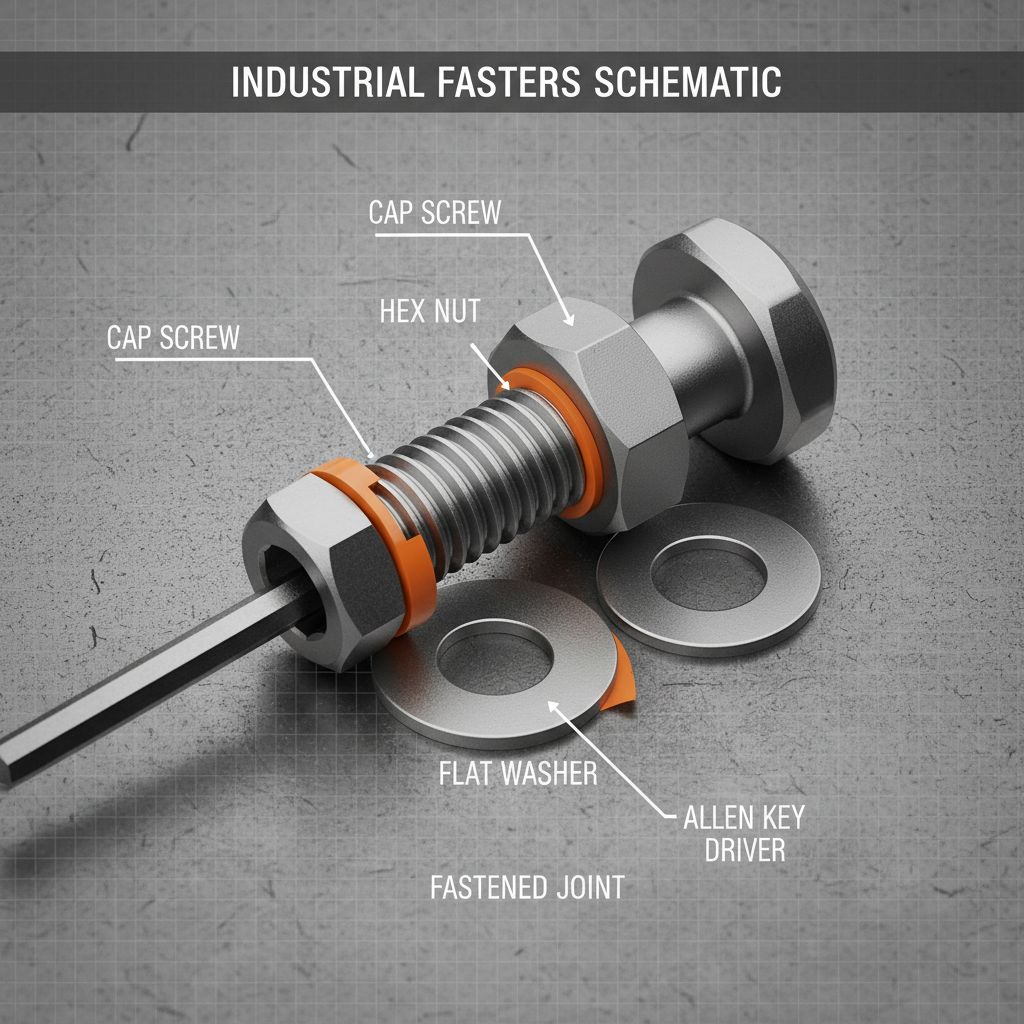
Fasteners material are fundamental components in nearly every facet of modern engineering and construction. From the towering skyscrapers that define our skylines to the intricate mechanisms within our everyday devices, these essential elements ensure structural integrity, reliability, and safety. Understanding the nuances of fasteners material – their composition, properties, and applications – is crucial for professionals across various industries, contributing to innovation and efficient problem-solving.
The global fasteners market is a multi-billion dollar industry, experiencing continuous growth driven by expanding infrastructure projects, increasing automotive production, and the demand for robust and durable components. According to industry reports, the market is projected to reach significant heights in the coming years, underlining the critical role fasteners play in economic development worldwide. This growth necessitates a deeper understanding of the materials used, manufacturing processes, and quality control measures.
The selection of appropriate fasteners material directly impacts the performance, longevity, and cost-effectiveness of any assembled product or structure. Choosing the wrong material can lead to premature failure, safety hazards, and costly repairs. Therefore, a thorough grasp of available options and their respective characteristics is paramount for engineers, designers, and procurement specialists ensuring the reliability of finished goods and building confidence in industrial applications.

The Importance of Fasteners Material

Fasteners material are more than just holding things together; they are vital for ensuring the structural integrity and longevity of countless products and constructions. The correct choice of fasteners material impacts safety, performance, and overall cost-effectiveness. A seemingly minor component can have a massive impact on the success or failure of a project.
The selection process often involves balancing factors like strength, corrosion resistance, weight, and cost. Different applications demand different properties, highlighting the need for a comprehensive understanding of available materials. Exploring options like stainless steel, alloy steel, aluminum, and various plastics are crucial to ensuring optimal performance.
FAQS
When choosing fasteners for marine applications, corrosion resistance is paramount. Stainless steel (specifically 316 or higher grades) and specialized alloys like Monel are excellent choices. Consider the salinity of the water, exposure to UV radiation, and potential for galvanic corrosion when selecting materials. Proper coatings and installation techniques are also crucial for long-term reliability, and ensuring that the fasteners are compatible with the other metals used in the assembly.
Temperature significantly influences fasteners material. High temperatures can reduce strength and creep resistance, while low temperatures can cause embrittlement. The coefficient of thermal expansion also plays a role, leading to loosening or stressing of the joint if materials with differing expansion rates are used. Select materials specifically designed for the expected temperature range and consider using temperature-resistant coatings or assembly methods.
Titanium fasteners offer an exceptional strength-to-weight ratio, superior corrosion resistance, and high temperature tolerance. While more expensive than other materials, they are ideal for applications where weight is a critical factor, such as aerospace or high-performance automotive. They are also biocompatible, making them suitable for medical implants. The high cost, however, limits their use to specialized applications.
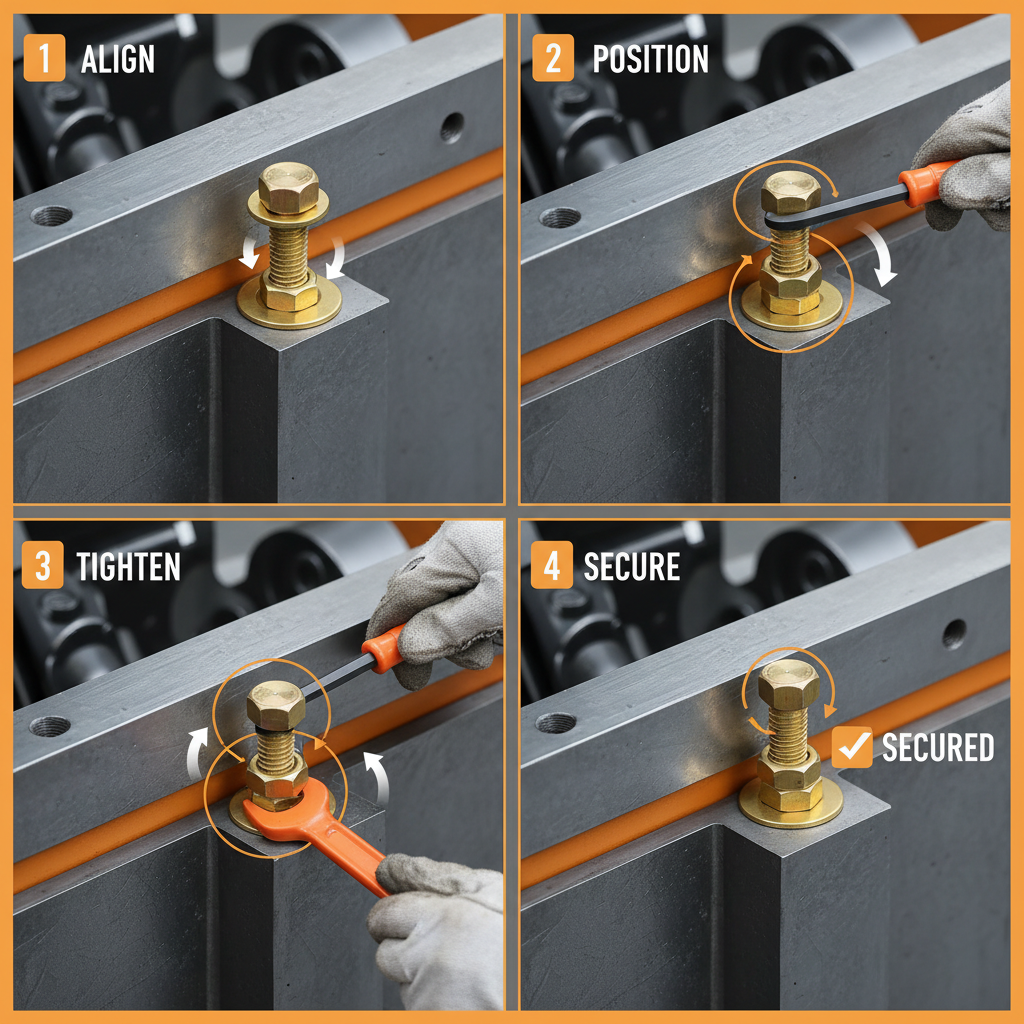
Proper torque is absolutely crucial for fastener performance. Under-torqueing can lead to loosening and joint failure, while over-torqueing can strip threads or cause the fastener to yield. Always use a calibrated torque wrench and follow the manufacturer's recommended torque specifications for the specific fastener and application. Consider using locking mechanisms like threadlockers to further enhance joint security.
Galvanic corrosion occurs when two dissimilar metals are in electrical contact in the presence of an electrolyte (like saltwater). The more active metal corrodes preferentially. To prevent this, select fasteners and connected materials that are electrochemically compatible, use insulating materials to separate dissimilar metals, or apply protective coatings to the more active metal. Sacrificial anodes can also be used to protect the more noble metal.
Sustainable alternatives include using recycled materials in fastener manufacturing, exploring biodegradable polymers for certain applications, and optimizing fastener design to reduce material usage. Additionally, choosing durable fasteners that extend product lifespan contributes to sustainability by minimizing the need for replacements. Research into bio-based materials is also showing promise for future sustainable fasteners.
Conclusion
In conclusion, fasteners material are indispensable components across a vast spectrum of industries, influencing everything from safety and performance to sustainability and cost-effectiveness. Understanding the nuances of material selection, proper installation, and future trends is crucial for engineers, designers, and professionals seeking to optimize their applications. Investing in quality fasteners material provides a significant long-term return, reducing maintenance costs, enhancing product longevity, and minimizing the risk of failures.
Looking ahead, continued innovation in materials science and manufacturing processes will lead to even more advanced and sustainable fastener solutions. By embracing these advancements and prioritizing best practices, we can build a more reliable, efficient, and sustainable future. For expert guidance and a comprehensive range of high-quality fasteners material, visit our website: www.fastenboen.com