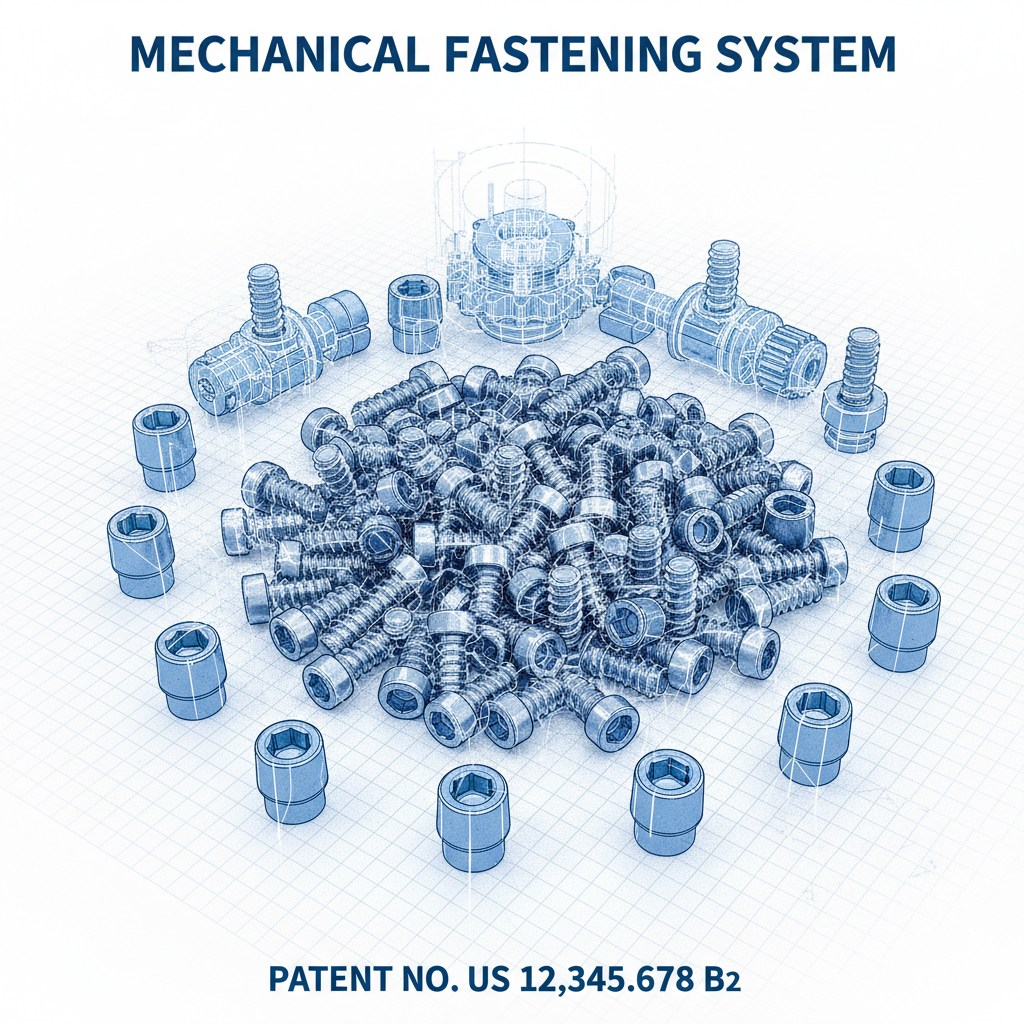
Fasteners design is a crucial engineering discipline underpinning virtually every manufactured product and infrastructure project globally. From the smallest electronic device to the largest skyscraper, fasteners – bolts, screws, rivets, and more – ensure structural integrity, reliability, and safety. Understanding the principles of fasteners design is therefore paramount for engineers, manufacturers, and construction professionals alike. Advances in materials science, manufacturing techniques, and simulation tools are continually reshaping the field, driving innovation and improving performance. The global market for fasteners is substantial, with a projected value of over $80 billion by 2028, reflecting its pervasive importance.
The relevance of fasteners design extends far beyond economic considerations. Proper fastener selection and application are essential for preventing catastrophic failures, reducing maintenance costs, and enhancing the lifespan of critical assets. A poorly designed or incorrectly installed fastener can lead to equipment downtime, safety hazards, and even loss of life. Furthermore, sustainable fasteners design is becoming increasingly important as industries strive to reduce their environmental impact and promote circular economy principles. Innovative designs, coupled with the use of eco-friendly materials, can significantly minimize waste and energy consumption throughout the product lifecycle.
In a world increasingly reliant on complex engineered systems, a deep comprehension of fasteners design is not just a technical skill, but a fundamental necessity for ensuring the safety, durability, and sustainability of the built environment. The demand for optimized fastening solutions continues to grow, driven by the need for lighter, stronger, and more efficient products across diverse industries.
Introduction: Global or Industry Context
The global fasteners market is a significant indicator of industrial activity, with direct correlations to construction, automotive, aerospace, and general manufacturing sectors. According to a report by Grand View Research, the global fasteners market size was valued at USD 71.93 billion in 2022 and is expected to grow at a compound annual growth rate (CAGR) of 5.1% from 2023 to 2030. This growth is fueled by increased infrastructure development in emerging economies, rising automotive production, and growing demand for high-performance fasteners in aerospace applications. The ISO standards governing fastener quality and performance are globally recognized, promoting interoperability and ensuring consistent safety standards.
However, the industry faces challenges related to supply chain disruptions, fluctuating raw material prices (particularly steel and aluminum), and the increasing need for specialized fasteners capable of withstanding extreme conditions. The push for lightweighting in automotive and aerospace industries requires advancements in fasteners materials and designs. Furthermore, the implementation of stricter environmental regulations is driving the demand for more sustainable and recyclable fastener solutions. Addressing these challenges requires a collaborative approach between fastener manufacturers, material scientists, and end-users.
Definition & Meaning
Fasteners design is the engineering process of selecting, specifying, and designing mechanical fasteners – such as bolts, screws, rivets, nuts, and washers – to securely join or assemble components. This involves considering various factors including load requirements, material compatibility, environmental conditions, and manufacturing constraints. It’s not simply about choosing a bolt; it’s a holistic approach to ensuring the integrity and longevity of a joined assembly.
In a modern industrial context, fasteners design is deeply intertwined with principles of mechanical engineering, materials science, and manufacturing engineering. It’s increasingly reliant on advanced modeling and simulation techniques to predict fastener performance under various stress conditions. The field has profound implications for humanitarian needs, as robust and reliable fasteners are essential for constructing shelters, infrastructure, and medical equipment in disaster-stricken areas.
Effective fasteners design contributes directly to product safety, reliability, and performance, minimizing the risk of failure and extending service life. It's a critical element in ensuring the functionality and durability of countless products and structures that we rely on daily.
Key Factors or Core Components
Durability is paramount in fasteners design. This encompasses resistance to corrosion, fatigue, shear stress, and tensile strength. Selecting appropriate materials and coatings—such as stainless steel, zinc plating, or specialized polymers—is vital for ensuring long-term performance in harsh environments.
Load Capacity refers to the amount of force a fastener can withstand before yielding or failing. Accurate calculation of load requirements, considering both static and dynamic forces, is critical for preventing structural failures. The selection of fastener size, grade, and material directly impacts its load-bearing capability.
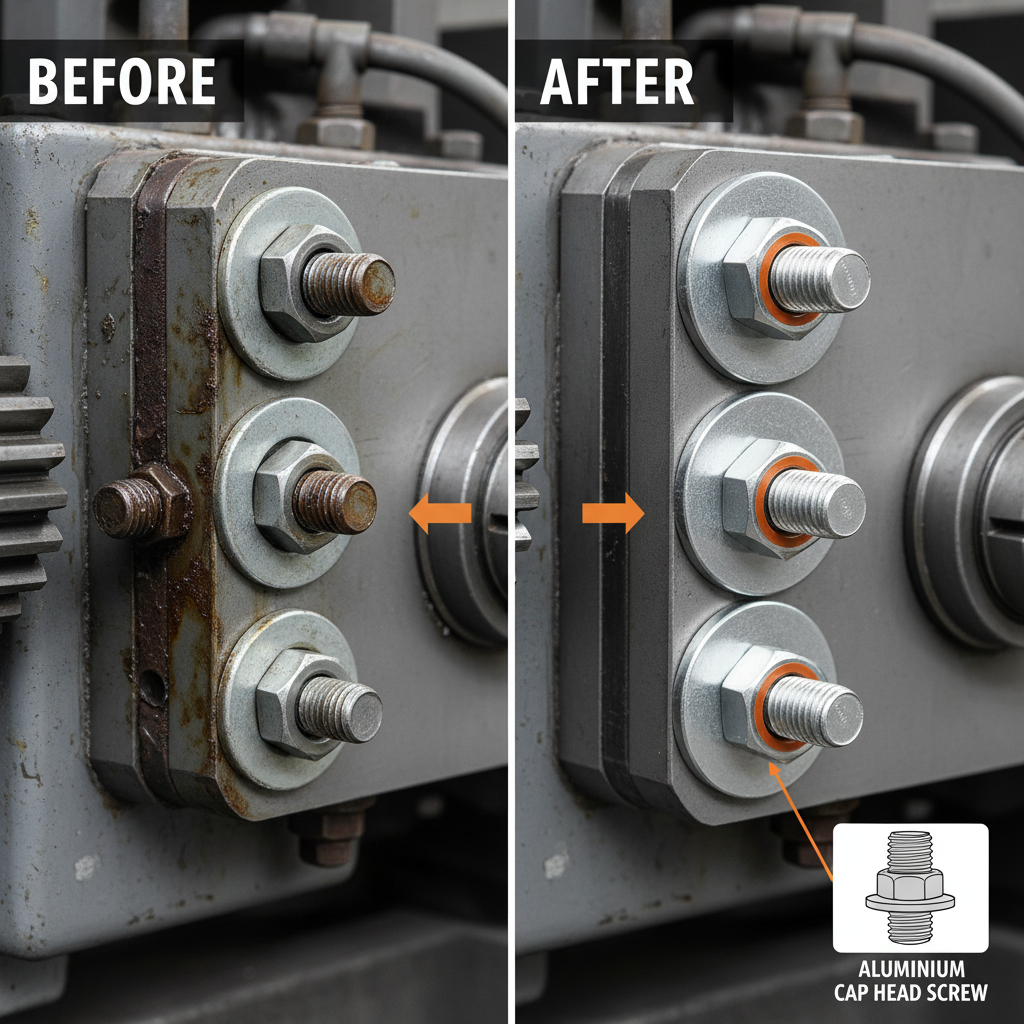
Material Compatibility ensures that the fastener material is compatible with the materials being joined, preventing galvanic corrosion or other forms of degradation. Understanding the electrochemical properties of different materials is essential for avoiding premature failures. Choosing compatible materials maximizes the lifespan of the assembled structure.
Installation Torque is a crucial parameter that directly affects the clamping force achieved by the fastener. Proper torque application ensures that the joint is securely fastened without overstressing the fastener or damaging the joined materials. Controlled tightening methods and calibrated torque wrenches are essential for achieving consistent and reliable results.
Cost Efficiency is a practical consideration in fasteners design. Balancing performance requirements with budgetary constraints is often necessary. Optimizing fastener geometry, material selection, and manufacturing processes can minimize costs without compromising structural integrity.
Standardization is also important. Utilizing internationally recognized standards (like ISO, ANSI, or DIN) ensures compatibility, interchangeability, and traceability of fasteners, simplifying maintenance and repair procedures.
Global Applications & Use Cases
Fasteners design principles are universally applied across a vast spectrum of industries. In the automotive sector, high-strength fasteners are critical for ensuring vehicle safety and performance, from engine components to chassis assemblies. The aerospace industry demands ultra-reliable fasteners capable of withstanding extreme temperatures, pressures, and vibrations.
In construction, fasteners are fundamental to the structural integrity of buildings, bridges, and infrastructure projects. From high-rise skyscrapers to residential homes, properly designed fasteners are essential for ensuring stability and safety. In remote industrial zones, such as oil rigs or mining operations, specialized fasteners are required to resist corrosive environments and withstand heavy loads.
Furthermore, in post-disaster relief operations, rapidly deployable shelters and temporary infrastructure often rely on innovative fastener systems for quick and secure assembly. Medical device manufacturing also requires precision fasteners with biocompatible materials to ensure patient safety and device functionality.
Fasteners Design Application Areas
Advantages & Long-Term Value
Optimized fasteners design delivers tangible benefits that extend beyond immediate cost savings. Reduced maintenance frequency and downtime directly translate into increased productivity and profitability. Enhanced structural integrity minimizes the risk of costly failures and repairs, leading to significant long-term savings. Furthermore, the implementation of sustainable fasteners solutions can contribute to a reduced carbon footprint and improved brand reputation.
From a sustainability perspective, choosing durable, long-lasting fasteners reduces the need for frequent replacements, minimizing material waste and energy consumption. The emotional impact of well-designed and reliable fastening systems shouldn't be overlooked; peace of mind knowing that critical structures and equipment are safely secured builds trust and confidence in both products and infrastructure.
Finally, innovation in fasteners design drives advancements in overall product performance, enabling the creation of lighter, stronger, and more efficient systems. This fosters a cycle of continuous improvement, benefiting both manufacturers and end-users.
Future Trends & Innovations
The future of fasteners design is poised for significant advancements, driven by emerging technologies and sustainability concerns. The integration of digital twins and advanced simulation tools will enable engineers to predict fastener performance with unprecedented accuracy, optimizing designs and reducing the need for physical prototyping. The development of self-healing fasteners, capable of repairing minor damage, is also gaining traction.
The utilization of additive manufacturing (3D printing) is revolutionizing fasteners production, enabling the creation of complex geometries and customized designs tailored to specific applications. Furthermore, the exploration of novel materials—such as shape memory alloys and bio-based polymers—promises to unlock new possibilities in fasteners design.
Challenges & Solutions
Despite advancements, several challenges persist in fasteners design. One significant hurdle is the complexity of predicting fastener behavior under extreme conditions, such as high temperatures, dynamic loads, and corrosive environments. Another challenge lies in balancing conflicting design requirements—for example, maximizing strength while minimizing weight and cost.
To address these challenges, researchers are developing advanced modeling techniques, incorporating machine learning algorithms to improve prediction accuracy. Collaborative design approaches, involving close communication between fastener manufacturers, material scientists, and end-users, are essential for optimizing fastener performance. The adoption of standardized testing procedures and quality control measures is also crucial for ensuring reliability and safety.
Finally, investing in education and training programs to equip engineers with the latest knowledge and skills in fasteners design is paramount for driving innovation and addressing future challenges.
FAQS
The most prevalent materials in fasteners design include carbon steel, alloy steel, stainless steel, aluminum, brass, and titanium. The selection depends heavily on the application's specific requirements, such as strength, corrosion resistance, weight, and cost. Stainless steel is often chosen for its corrosion resistance, while alloy steel provides high strength. Aluminum and titanium are frequently used where weight reduction is critical.
Thread type significantly influences a fastener's holding power, stripping resistance, and ease of installation. Common thread types include Unified National Coarse (UNC), Unified National Fine (UNF), and metric threads. Finer threads generally offer greater strength but are more susceptible to stripping. The appropriate thread type is chosen based on the material being fastened, the required clamping force, and the anticipated loading conditions.
Coatings play a vital role in protecting fasteners from corrosion, improving their wear resistance, and enhancing their aesthetic appeal. Common coatings include zinc plating, cadmium plating, phosphate coating, and various polymer coatings. The choice of coating depends on the environment the fastener will be exposed to and the desired level of protection. Properly applied coatings can significantly extend fastener lifespan.
Fasteners undergo rigorous testing to verify their mechanical properties, dimensional accuracy, and resistance to environmental factors. Common tests include tensile strength testing, yield strength testing, hardness testing, corrosion testing, and fatigue testing. These tests are conducted according to established standards (e.g., ISO, ASTM) to ensure that fasteners meet specified performance requirements.
Interference fit involves a fastener being slightly larger than the hole it's inserted into, creating a tight, secure connection relying on friction. Clearance fit, conversely, allows for a small gap between the fastener and the hole, enabling easier assembly but typically requiring additional securing mechanisms. The choice depends on the application – interference fits are suitable for high-vibration environments, while clearance fits are favored for frequent disassembly.
Temperature significantly impacts fastener performance. High temperatures can reduce a fastener's strength and yield point, while low temperatures can make it brittle. Thermal expansion and contraction can also cause loosening of fasteners. Material selection must consider the operating temperature range, and appropriate expansion allowances should be incorporated into the design to maintain clamping force and prevent failures.
Conclusion
In conclusion, fasteners design is a multifaceted engineering discipline crucial for the integrity and longevity of countless products and structures. Understanding the key factors—durability, load capacity, material compatibility, and cost efficiency—is vital for creating reliable and sustainable fastening solutions. As technology evolves and industries demand higher performance, continuous innovation in materials, manufacturing processes, and modeling techniques will be essential.
Looking ahead, the adoption of digital twins, additive manufacturing, and sustainable materials will shape the future of fasteners design. By embracing these advancements and fostering collaboration between engineers, manufacturers, and researchers, we can unlock new possibilities and address the challenges of a rapidly changing world. Visit our website at fastenboen.com to learn more about our innovative fasteners solutions.