Look, I’ve been stomping around construction sites for fifteen years now, and let me tell you, things are changing. It used to be you walked onto a job and everything was pretty much the same. Now? Every other week there's a new material, a new coating, a new… well, everything. A lot of it’s hype, frankly. But there’s genuinely good stuff coming through too. Everyone’s talking about lightweight alloys, corrosion resistance, and sustainable sourcing. It's all well and good, but half the time the engineers haven't actually held the stuff, you know? They design it on a computer, and then we have to make it work in the real world.
To be honest, I see the same mistakes over and over. People get hung up on theoretical strength ratings and forget about practicality. They’ll spec a fastener that’s theoretically indestructible, but it’s impossible to get a proper torque on it because the head is too small or the material is too brittle. And then you’re stuck, halfway up a wind turbine, trying to coax a stripped bolt loose. It’s… frustrating. Then there's the whole issue of standardization. Have you noticed everyone wants "something different"? Unique. Special. Which is great, until you're trying to find a replacement bolt at 3 AM.
Different types of metal fasteners, that's what we're talking about here, right? It’s not just about steel anymore. Stainless steel, obviously, still a workhorse. 304, 316… you learn to tell the difference by the smell, strangely enough. The 316 has a bit of a metallic tang, almost coppery. Then you’ve got your aluminum alloys, titanium (expensive, but incredibly strong and light), and even some more exotic stuff like nickel alloys for really harsh environments. And don’t even get me started on the coatings! Zinc plating, hot-dip galvanizing, powder coating... each has its place, but knowing which place takes experience.

Industry Trends and Common Pitfalls
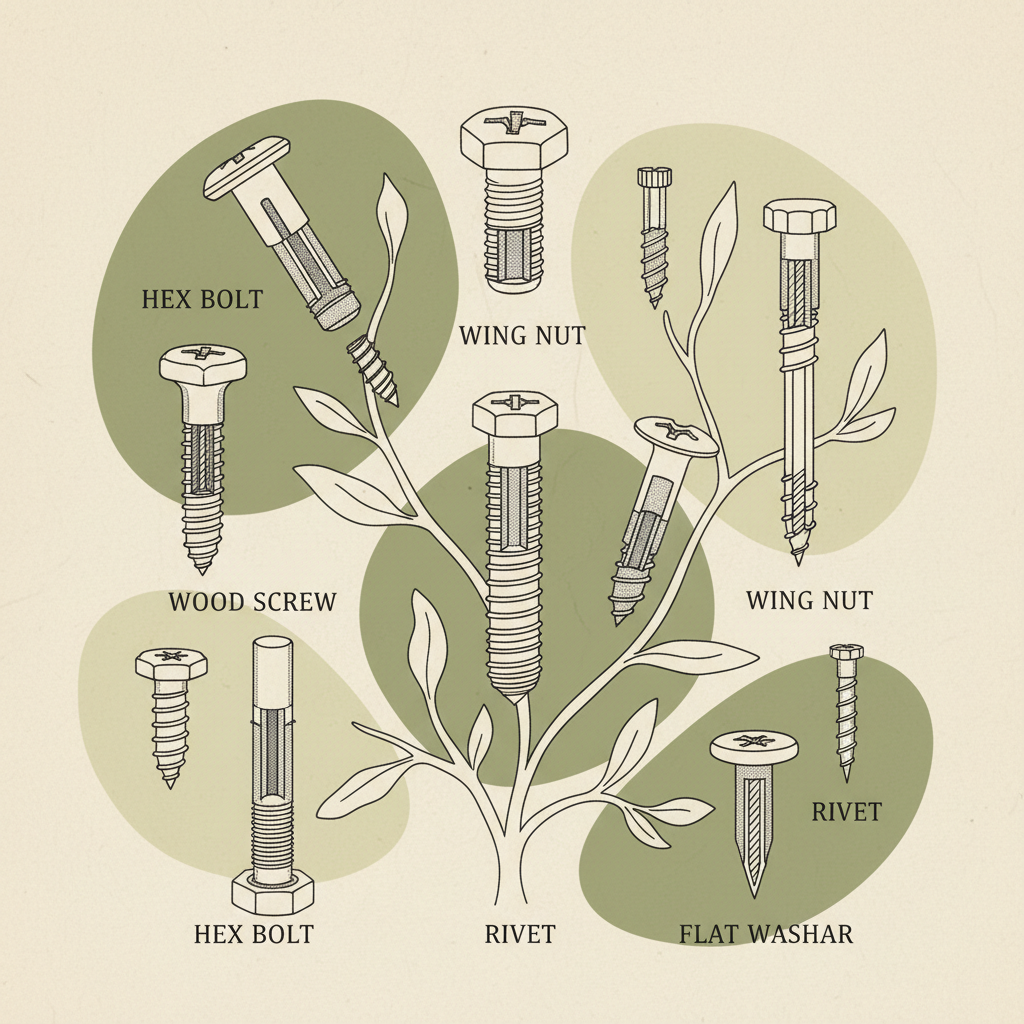
Anyway, I think the biggest trend right now is towards modular construction. Prefabricated components, assembled on-site. Means fasteners are under a different kind of stress – more vibration, more dynamic loading. They’re not just holding something static in place anymore. And that changes everything. You need fasteners that can handle fatigue, that won’t loosen over time.
A common pitfall? People thinking "bigger is always better." A massive bolt might seem stronger, but if it’s too difficult to tighten properly, or if it stresses the surrounding material too much, you’re creating a weak point. It’s a balancing act.
FAQS
For saltwater, you really want to lean towards stainless steel, specifically 316. It's got molybdenum which makes it far more resistant to chloride corrosion. Forget carbon steel unless it's heavily coated, and even then, it's a gamble. Aluminum alloys can work, but they're prone to galvanic corrosion if you mix them with other metals. Titanium is the ultimate, but it'll break the bank.
Hugely important! Especially for anything subject to vibration. A little bit of Loctite can prevent a lot of headaches down the road. There are different strengths, so choose wisely – you don't want to permanently glue something together. The blue Loctite is usually a good all-rounder. I’ve seen entire structures come undone because someone skipped the threadlocker.
They're convenient, no question. But reliability depends on the material. They work okay in soft wood or plastic, but they can struggle with harder metals or thick materials. They can also strip easily if you don't use the right drill speed and pressure. I generally prefer to drill a pilot hole and use a regular screw, it's more secure.
Use the right size screwdriver! Seems obvious, but you'd be surprised. Don't use an impact driver on a screw that's not designed for it. Apply firm, even pressure. If you feel the screwdriver slipping, stop! And if you're dealing with a stubborn screw, a little bit of penetrating oil can work wonders. Seriously, a little bit goes a long way.
Consider the shear and tensile loads. The diameter of the fastener needs to be strong enough to handle the forces it will be subjected to. Consult an engineering table or, better yet, ask an engineer. And don't forget to account for the thickness of the materials you're joining. Too short, and it won't hold. Too long, and it could interfere with something else.
No. There’s no one-size-fits-all solution. Every application is different, and you need to choose a fastener that’s specifically suited to the task. Someone always tries to cut corners, and someone always ends up paying for it. It's frustrating. It really is.
Conclusion
So, there you have it. Different types of metal fasteners, it’s not just about picking a shiny bolt. It’s about understanding the materials, the loads, the environment, and even how people are actually going to use them. It’s a surprisingly complex field, and a lot of things can go wrong. But when it’s done right, it’s invisible. It just works.
Ultimately, whether this thing works or not, the worker will know the moment he tightens the screw. And that’s the truth of it. If it feels right, sounds right, and holds… then you've got a good fastener. If it doesn't? Well, you've got a problem. And it’s probably going to be my problem to fix. Visit our website at www.fastenboen.com for a full range of high-quality metal fasteners.
Related Posts
-
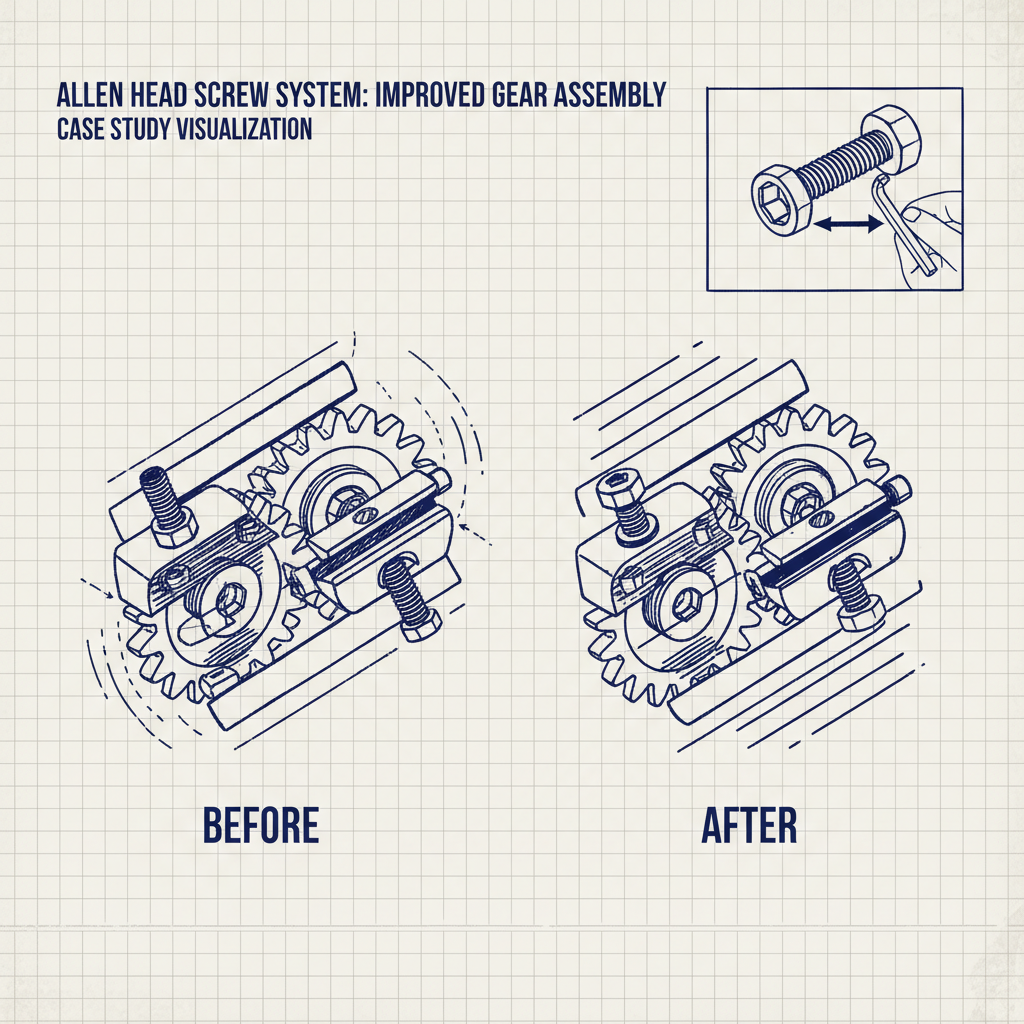
The Essential Guide to allen head screws Applications and Industry Trends
-
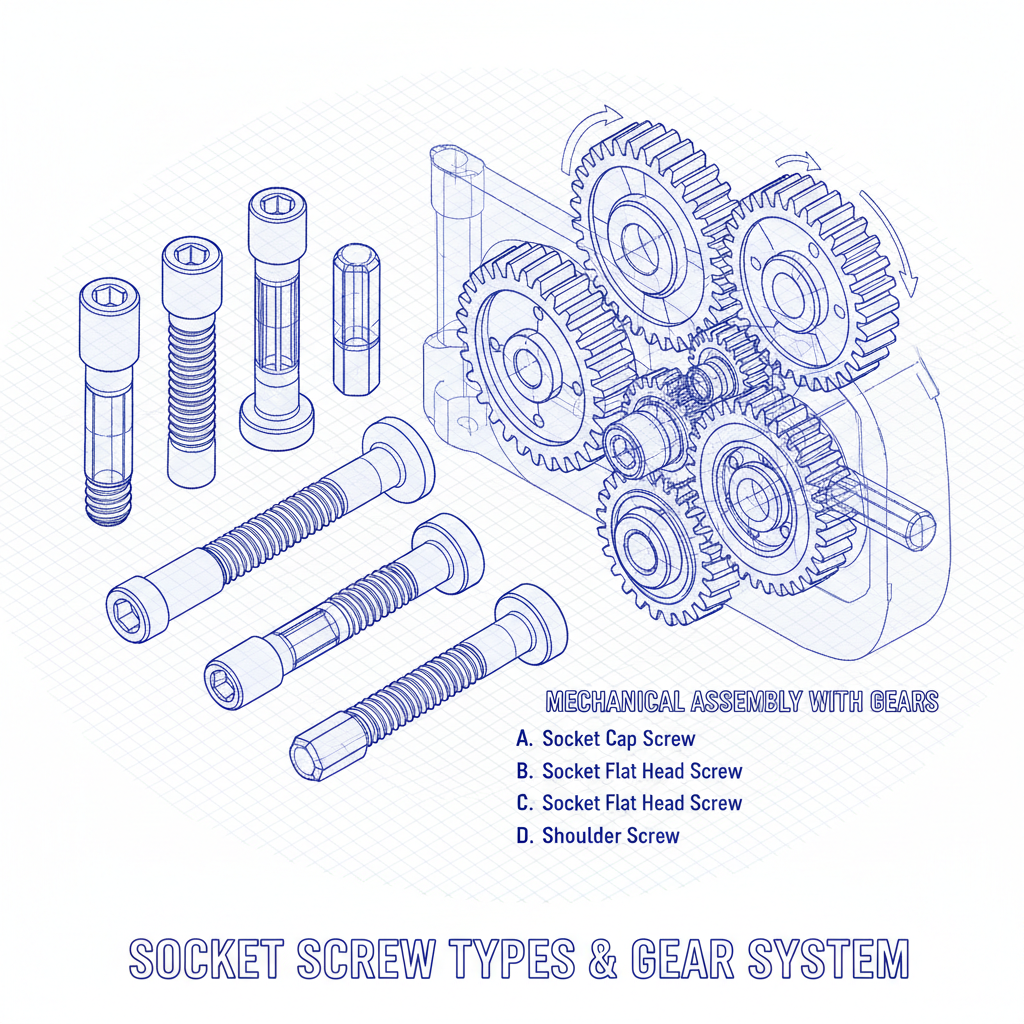
Understanding Diverse Socket Screw Types for Optimal Performance and Reliability
-
The Essential Role of the Bolt Head Cap in Ensuring Structural Integrity
-
Navigating the Landscape of High Grade stainless steel fasteners manufacturers