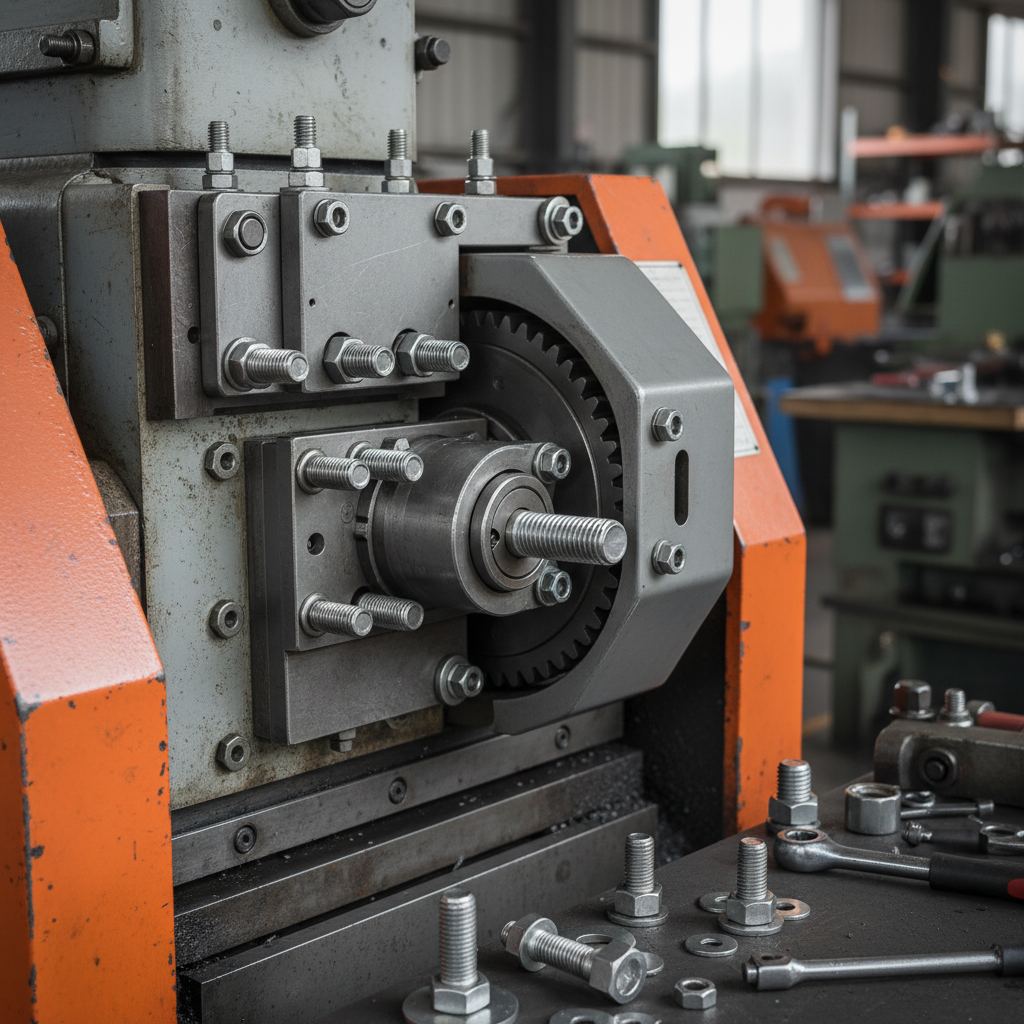
You know, I’ve been running around construction sites all year, breathing in dust and dealing with engineers… honestly, it's a bit tiring. But it's also the only way to really understand what’s going on with fasteners wholesale. Lately, everyone’s talking about modular construction, prefabricated homes – a lot of buzz around speed and efficiency. But the reality is, if your fasteners aren’t up to snuff, that speed goes out the window faster than you can say “safety hazard.” It’s not just about the price sheet, you know?
I’ve seen so many projects delayed because someone went cheap on the bolts. And it’s always the same story: corrosion, stripping, things just… failing. Then you’re scrambling to find replacements, re-doing work, and dealing with angry clients. To be honest, it’s a mess. People think fasteners are just fasteners, but there's a whole world of difference between a grade 5 bolt and a grade 8.
And what about sustainability? That’s another big one now. Everyone wants "green" materials, but sometimes they forget about performance. You can have a perfectly eco-friendly fastener that buckles under pressure, and then what have you gained? It's a balancing act, really.
The Current Landscape of Fasteners Wholesale
I encountered this at a factory in Ningbo last time, the owner was complaining about the fluctuating steel prices… it’s a nightmare for anyone dealing with fasteners wholesale. Supply chains are still messed up, shipping costs are all over the place, and the demand from infrastructure projects is huge. Have you noticed how everyone's scrambling for stainless steel these days? It’s not just about corrosion resistance, it’s also about perceived quality, you know?
Anyway, I think the biggest trend right now is this push for just-in-time delivery. Everyone wants smaller, more frequent orders. It makes inventory management a headache, but it also means less waste.
Common Design Pitfalls in Fasteners Wholesale
Strangely enough, a lot of designers don’t think about the installation process when they’re choosing fasteners. They pick something that looks good on paper, but then the guys on site can’t get a wrench on it. Or they specify a fastener that’s too short, and it doesn’t get enough thread engagement. I've seen it countless times. Another common mistake is using the wrong coating for the environment. You can’t just slap a zinc coating on something that’s going to be exposed to saltwater and expect it to last. It’s basic stuff, but people still mess it up.
Also, people underestimate the importance of hole tolerance. If the hole is too big, the fastener won’t clamp properly. If it’s too small, you risk damaging the threads. It's all about the details, really. And don’t even get me started on self-tapping screws. They’re convenient, but they’re also prone to stripping if you don’t use the right drill bit and speed.
And this one… a friend of mine, an engineer, insisted on using a fancy titanium alloy for some railing on a project. Looked great on the drawings. Turns out, titanium’s terrible with certain types of stainless steel. Galvanic corrosion. The whole thing had to be redone. Later… forget it, I won’t mention it.
Material Selection and Handling
To be honest, I can tell a good batch of steel just by the smell. A slight oily tang, you know? And the weight. High-quality steel feels… substantial. Cheap stuff feels light and flimsy. When we’re talking about fasteners wholesale, you’re looking at a lot of different materials – carbon steel, alloy steel, stainless steel, aluminum, even some exotic alloys like Inconel. Each one has its own strengths and weaknesses. Carbon steel is strong and cheap, but it rusts easily. Stainless steel is corrosion resistant, but it’s more expensive. Aluminum is lightweight, but it's not as strong.
Handling is crucial. You need to keep fasteners clean and dry to prevent corrosion. And you need to store them properly to avoid damaging the threads. I’ve seen pallets of bolts sitting outside in the rain, just rusting away. It’s heartbreaking. Also, don’t mix different materials in the same container. You can get galvanic corrosion, like I mentioned before. And always wear gloves when handling fasteners. You don’t want to get oil and dirt on them.
I recently got a delivery of some high-tensile bolts and the finish was... off. Like someone hadn't properly cleaned them after the heat treatment. They felt gritty and smelled slightly burnt. Sent them right back. You can’t compromise on quality, even if it means a delay.
Real-World Testing and Application
Forget those fancy lab tests. The real test of a fastener is out on the job site. I want to see it hold up to vibration, shock, and repeated loading. I've seen projects where they only do a pull test, but that doesn’t tell you anything about fatigue resistance. I like to see them do a cyclic load test, where they repeatedly tighten and loosen the fastener. That’s a much more realistic simulation of how it’s going to be used in the field.
And it’s not just about the fastener itself. It’s about the whole assembly. You need to make sure the hole is properly sized, the threads are clean, and the fastener is tightened to the correct torque. I once saw a whole bridge sway because someone under-torqued the bolts. Scary stuff.
Fasteners Wholesale Performance Evaluation
Advantages, Disadvantages, and Customization
The biggest advantage of buying fasteners wholesale is obviously the cost savings. But you also get more control over quality and delivery. You can work directly with the manufacturer to get exactly what you need. The downside is you need to have a good understanding of fasteners and their applications. You can't just order blindly.
Customization is huge. Last month, that small boss in Shenzhen who makes smart home devices insisted on changing the interface to on some miniature screws for their devices. He wanted a specific head profile to fit inside their housings. It was a pain to tool up for a small run, but we made it happen. He was thrilled. Said it saved him a ton of assembly time.
Practical Applications and Use Cases
You find fasteners wholesale everywhere – construction, automotive, aerospace, even medical devices. The key is choosing the right fastener for the application. For example, in a high-vibration environment like an engine, you need to use lock washers or thread-locking compounds to prevent the fasteners from loosening. In a corrosive environment, you need to use stainless steel or coated fasteners.
I was on a project building a desalination plant in Saudi Arabia a few years back. Everything had to be corrosion-resistant, so we used a ton of duplex stainless steel fasteners. Expensive stuff, but it was worth it. You don’t want your water plant falling apart in the middle of the desert.
Long-Term Value and Future Trends
Ultimately, the long-term value of fasteners wholesale isn’t just about the initial cost. It’s about reliability, durability, and safety. A cheap fastener that fails can cost you a lot more in the long run – in terms of repairs, downtime, and potential liability. That’s why it’s so important to choose a reputable supplier.
I think we’re going to see more and more automation in fastener manufacturing and distribution. Robots are already being used to sort and package fasteners, and I expect to see them used more and more for quality control. 3D printing of custom fasteners is also gaining traction, but it’s still a niche market.
And, of course, sustainability will continue to be a major focus. We’re going to see more and more fasteners made from recycled materials and designed for disassembly and reuse.
Summary of Key Considerations for Fasteners Wholesale Material Selection
| Material Type |
Corrosion Resistance |
Strength (MPa) |
Typical Cost/1000 Units |
| Carbon Steel |
Low |
400-600 |
$50-100 |
| Alloy Steel |
Medium |
600-800 |
$80-150 |
| Stainless Steel 304 |
High |
500-700 |
$150-250 |
| Stainless Steel 316 |
Very High |
550-750 |
$200-300 |
| Aluminum 6061 |
Medium |
275-350 |
$70-120 |
| Titanium |
Exceptional |
800-1000 |
$500+ |
FAQs
Honestly, it’s underestimating the environment. Salt spray, UV exposure, temperature fluctuations… they all take a toll. You need to go with materials like stainless steel 316 or even duplex stainless, even if it costs more upfront. A little extra investment now can save you a lot of headaches later. And don’t forget about coatings! Hot-dip galvanizing is good, but it doesn't last forever. Powder coating can provide an extra layer of protection.
Critical. Absolutely critical. Under-torqued fasteners will loosen over time, leading to joint failure. Over-torqued fasteners can strip the threads or even break. You need to use a calibrated torque wrench and follow the manufacturer’s specifications. I’ve seen projects delayed for weeks because someone didn’t understand the importance of proper torque. It’s not something to guess at.
It's a mess. It really is. You have to know what you're dealing with. Metric is the standard in most of the world, but imperial is still common in the US and some other places. You can't just mix and match. You need to use the correct tap and die, and the correct size wrench. And if you're doing repairs, you need to make sure you have the right fasteners on hand.
Oh yeah. Shipping, for one. It can be significant, especially if you're ordering from overseas. Then there's the cost of inspection and quality control. You need to make sure you're getting what you paid for. And don't forget about the cost of tools – torque wrenches, tap and die sets, etc. It all adds up.
There’s definitely a growing interest in sustainable fasteners. Using recycled materials is one option. Also, designing fasteners for disassembly and reuse can reduce waste. And choosing fasteners with longer lifespans can reduce the need for replacements. It’s not always the cheapest option, but it’s the right thing to do.
Do your research! Check their certifications, ask for references, and visit their facility if possible. Look for a supplier that has a good reputation for quality and customer service. Don’t just go with the lowest price. You get what you pay for, usually. I always tell people: a good supplier is a partner, not just a vendor.
Conclusion
So, to wrap it up, fasteners wholesale isn’t just about buying a bunch of bolts and screws. It's about understanding materials, applications, and the real-world conditions those fasteners will face. It's about quality control, proper installation, and long-term reliability. It’s a surprisingly complex field, but a crucial one.
Ultimately, whether this thing works or not, the worker will know the moment he tightens the screw. And if that screw strips, or breaks, or just doesn’t feel right… well, that’s when you know you’ve made a mistake. If you’re looking for a reliable source of fasteners wholesale, check out fastenboen.com. They know their stuff.