You know, I’ve been running around construction sites for, well, too long now. It’s funny, everyone talks about innovation, but a lot of what we deal with day-to-day is still the same old problems. Lately, though, there’s been a real push for more specialized fasteners, especially in the pre-fab building world. Folks are demanding stuff beyond just screws and bolts; they want solutions, integrated systems. To be honest, it’s about time.
What’s driving it? Partly it’s the labor shortage. If you can get a system that speeds up assembly, even by a few minutes per connection, that adds up. Partly it’s about quality control - pre-fab means tighter tolerances, and you need fasteners that can deliver. And, strangely, a lot of it is aesthetics. People want clean lines, hidden fixings…things that just look good. It’s a tough balance, though.
It seems like everyone's chasing lighter materials, too. Aluminum alloys are huge, but they require totally different corrosion protection than steel. I encountered this at a factory in Ningbo last time – they’d switched to aluminum fasteners without upgrading their coating process, and everything was seizing up within weeks. Disaster. Anyway, I think the real challenge isn’t finding new materials, it’s knowing how to use them properly.
Industry Trends and Common Pitfalls
Have you noticed how everyone’s fixated on “lean manufacturing”? It’s great in theory, but it often translates to squeezing suppliers on cost, which means corners get cut on fastener quality. I've seen it happen repeatedly – switching to a cheaper alloy, reducing the thickness of the coating… it might save a few pennies per piece, but it ends up costing a fortune in rework and warranty claims. The design side isn't innocent either. They design these beautiful structures, then spec a fastener that's barely adequate for the job. It drives me crazy.
Another trap? Over-engineering. Sometimes designers think bigger is always better. They’ll specify a massive bolt when a smaller, high-strength fastener would do the trick. This not only adds unnecessary cost but can also create problems with assembly and weight. You wouldn't believe the number of times I've had to explain that to an architect.
Material Selection: Beyond the Specs
Okay, let’s talk materials. Stainless steel is the go-to for corrosion resistance, right? Not always. 304 stainless is good for general use, but if you’re dealing with chlorides – like near the coast, or in chemical plants – you need 316. And even then, you need to consider the specific environment. I learned that the hard way on a project in Florida. We used 316, but the constant salt spray still caused pitting corrosion. Had to switch to a specialized duplex stainless steel – expensive, but it solved the problem.
Aluminum fasteners? They're lightweight, which is great for aerospace and some automotive applications. But they're also softer and more prone to galling. You need a proper surface treatment – anodizing, or a dry-film lubricant – to prevent seizing. The feel of an aluminum fastener is...different. It's almost too smooth. You get a sense it won't hold like steel.
Then there's titanium. The holy grail, right? Lightweight, strong, corrosion-resistant…but the price! It’s mostly reserved for high-end applications where weight is absolutely critical. And you need specialized tools to work with it. I once watched a mechanic completely ruin a titanium bolt because he used a standard wrench. Don’t even get me started.
Real-World Testing: It's Not Just About Labs
Lab testing is important, sure, but it only tells you part of the story. A tensile strength test is great, but it doesn’t simulate the vibrations, temperature changes, and corrosive environments that fasteners encounter in the real world. I've seen fasteners pass all the lab tests and still fail miserably on site.
The best testing is done in situ. We'll take samples from an actual project, install them, and monitor them over time. We’ll check for corrosion, loosening, and fatigue. It's more expensive and time-consuming, but it gives you a much more realistic assessment of performance.
We also do a lot of “abuse testing.” Sounds harsh, I know, but it’s necessary. We intentionally overstress the fasteners to see how they fail. Do they shear? Do they strip? Do they corrode? This helps us identify weak points and improve our designs. It's not pretty, but it works.
How Users Actually Use Fasteners
This is where things get really interesting. Engineers design things a certain way, but workers… well, they often do things their own way. I've seen guys use impact wrenches on fasteners that are clearly meant to be hand-tightened. I've seen them use the wrong size wrench, stripping the head. I’ve even seen them use fasteners upside down! It’s unbelievable.
That’s why ease of use is so important. If a fastener is difficult to install, workers will find a way to make it easier – even if it compromises the integrity of the connection. Self-drilling screws are a good example. They save time and effort, which is why they’re so popular on construction sites. But you need to make sure the screw is the right length and diameter for the material. Too short, and it won't hold. Too long, and it will protrude.
Fastener Application Success Rate by Method
Advantages and Disadvantages: A Pragmatic View
Self-locking fasteners, for example. Great idea – they prevent loosening from vibration. But they're more expensive, and they can be a pain to remove if you need to disassemble something. You have to weigh the benefits against the drawbacks. Corrosion-resistant coatings are a lifesaver in harsh environments, but they add cost and complexity. And let's not forget about the environmental impact. Some coatings contain harmful chemicals.
I’ve found that the best fasteners are the ones that are simple, reliable, and easy to use. They don't need to be fancy or expensive. They just need to do their job. Sometimes, the old-fashioned stuff is still the best. But, you know, you have to stay up-to-date with the latest technologies. There's always something new coming along.
Customization and Specific Applications
Customization is huge these days. Customers want fasteners tailored to their specific needs. We had a client last year, a medical device manufacturer, who needed a miniature titanium screw with a custom head design. It was a challenging project, but we delivered. They needed something that could withstand sterilization and provide a secure connection in a tiny space.
Another common request is for custom coatings. Someone might want a fastener coated with a specific color to match their product. Or they might need a coating that provides enhanced corrosion resistance in a particular environment. We can do that. We've even done fasteners with embedded sensors to monitor stress and torque. It's all possible, but it costs money.
A Customer Story: The Debacle
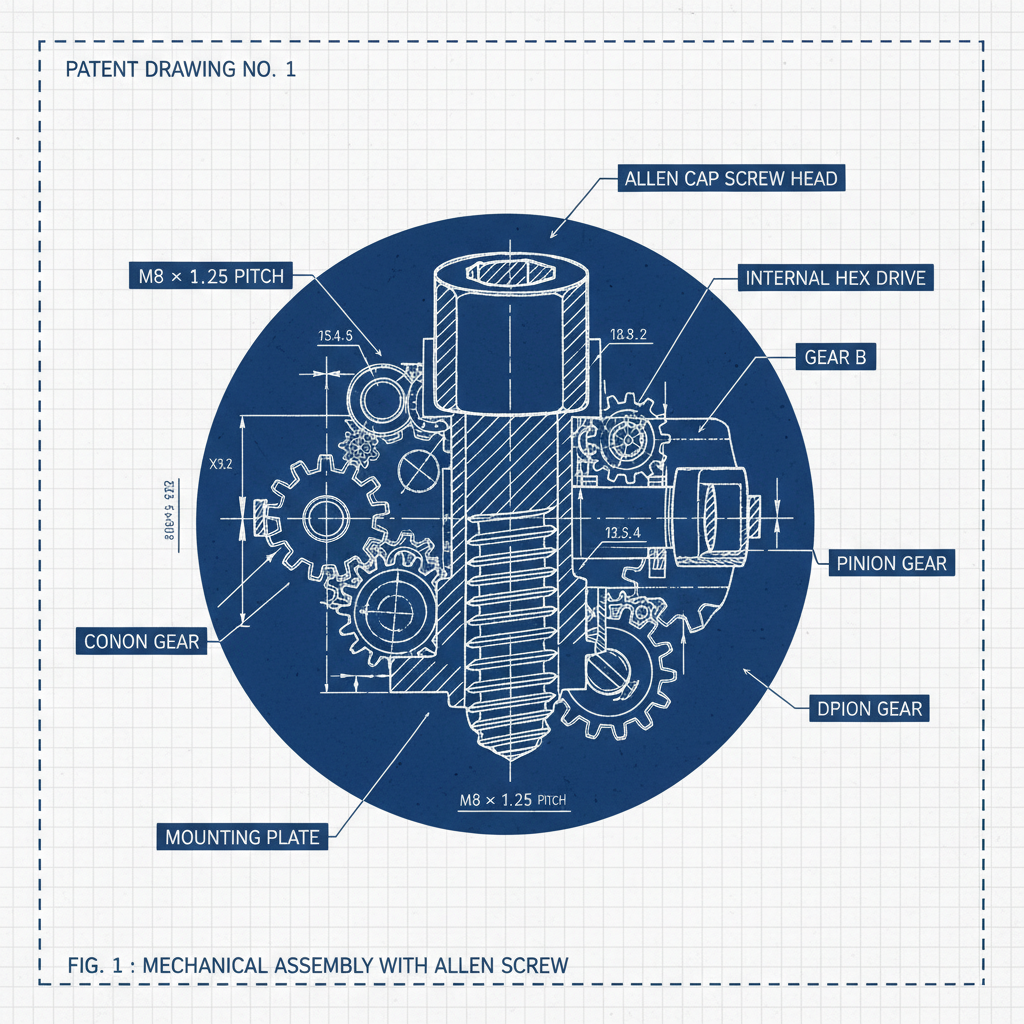
Last month, that small boss in Shenzhen who makes smart home devices insisted on changing the interface to for all their mounting screws. Said it looked “more modern.” I tried to tell him, “Look, these are structural fasteners, not data cables!” But he wouldn’t listen. He wanted something sleek, something different.
So, we made him a batch of custom screws. They looked great, I’ll give him that. But the shear strength was terrible. The first time he tried to mount a heavy sensor, the screw head snapped off. Complete failure. He called me, furious. He had to scrap the entire batch and go back to using standard hex-head screws.
It was a costly lesson for him. He learned that form doesn’t always follow function. And I learned to trust my gut. Sometimes, you just know when an idea is going to fail.
A Table Summarizing Common Fastener Failure Modes
| Failure Mode |
Common Cause |
Severity (1-10) |
Preventative Measure |
| Shear Failure |
Undersized Fastener, Excessive Load |
8 |
Increase Fastener Size, Reduce Load |
| Corrosion |
Exposure to Corrosive Environment, Insufficient Coating |
7 |
Use Corrosion-Resistant Materials, Apply Protective Coating |
| Stripped Threads |
Over-Torquing, Improper Thread Engagement |
6 |
Use Torque Wrench, Ensure Proper Thread Engagement |
| Fatigue Failure |
Cyclic Loading, Material Defects |
9 |
Use High-Strength Materials, Reduce Cyclic Loading |
| Galling |
Incompatible Materials, Insufficient Lubrication |
5 |
Use Compatible Materials, Apply Lubricant |
| Head Shear |
Excessive Torque, Brittle Material |
7 |
Reduce Torque, Use Ductile Material |
FAQS
Honestly? They focus too much on price and not enough on application. They see a cheap screw and think, "That'll do." It rarely does. You need to consider the material, the environment, the load, and a whole host of other factors. A slightly more expensive fastener that's fit for purpose is always cheaper in the long run than a cheap fastener that fails. It's always the case.
Crucial. A thin coating might look good, but it won’t provide adequate protection in harsh environments. We typically specify a minimum coating thickness based on the application, but even that can vary depending on the type of coating. Zinc plating, for example, needs to be thicker in coastal areas. And you have to make sure the coating is applied properly – no cracks or voids. I’ve seen plenty of coatings fail because of poor application.
Stainless steel offers excellent corrosion resistance, which is a big plus in many applications. It’s also strong and durable. However, it’s more expensive than carbon steel, and it can be susceptible to galling. And, depending on the grade, it might not be suitable for high-temperature applications. It's a good all-rounder, but not a silver bullet.
Use a torque wrench! Seriously. Don’t rely on “feel.” Also, make sure you’re using the correct size tap and die to clean the threads. And, if you’re working with soft materials like aluminum, consider using a thread lubricant. A little bit of grease can go a long way. And don’t over-tighten!
It depends. If the fastener isn’t damaged and the threads are still in good condition, you can usually reuse it. But it’s always best to use a new fastener whenever possible, especially for critical applications. You don’t want to risk a failure because of a worn-out fastener. Better safe than sorry, you know?
They’re convenient, no doubt about it. They save time and effort. But they're not always the best choice. You need to make sure the screw is the right length and diameter for the material. And they can sometimes strip the threads if you’re not careful. They work great for sheet metal, but maybe not so well for thicker materials. Use your judgment.
Conclusion
So, after years of getting my hands dirty and watching projects come together (and sometimes fall apart), I've come to appreciate that fasteners aren’t glamorous, but they're absolutely critical. They’re the unsung heroes of every construction project. Choosing the right fastener – and using it correctly – can make the difference between success and failure. It's about understanding the materials, the environment, the loads, and the end application.
Ultimately, whether this thing works or not, the worker will know the moment he tightens the screw. If it feels right, looks right, and holds, then you’ve got a good connection. If not… well, you’ve got a problem. And that's when they'll be calling me. You can check out fasteners manufacturer & supplier for reliable solutions.